
Main Courses
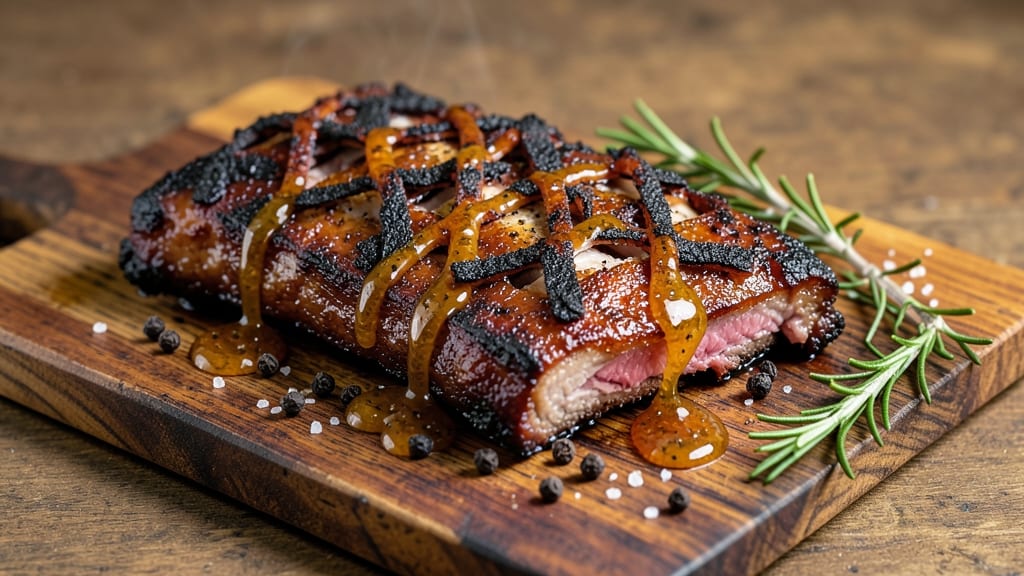
This brine recipe for smoked pork ribs transforms tough cuts into melt-in-your-mouth perfection with a simple overnight soak. The secret lies in balancing salt, sugar, and spices to break down collagen while locking in moisture—no guesswork, just science-backed tenderness.
I’ve perfected this method through countless smoker sessions, and the difference between brined and unbrined ribs is night and day.
The brining process is straightforward: a 1:1 ratio of water to apple cider vinegar (for acidity) with kosher salt, brown sugar, and a blend of spices like black pepper, garlic powder, and smoked paprika.
Let the ribs soak for 12-24 hours in the fridge, then pat dry before smoking. This step ensures the bark forms beautifully while the meat stays juicy, even after hours in the smoker.
Once smoked at 225°F with hickory or cherry wood, your ribs will develop a deep, smoky flavor with a fall-apart texture—no need for a meat thermometer to check for doneness.
The brining ensures they reach 203°F internally without drying out, and the bark stays crispy while the meat inside is tender enough to shred with a fork. This is the kind of result that makes your smoker sessions worth every minute.
Serve with classic sides like tangy coleslaw or slow-cooked baked beans to soak up the smoky juices. The brining method works for baby back ribs, St. Louis-style, or even spare ribs—just adjust the soak time based on size. Let’s get started on ribs that will have everyone asking for seconds.
Ingredients for brine recipe for smoked pork ribs
Four pounds of ribs plus a few pantry staples—this is your secret weapon for smoker sessions.
| Ingredient | Amount | Notes |
|---|---|---|
| Pork Ribs (St. Louis-style or Baby Back) 🍖 | 4 lb | Bone-in, meaty cuts preferred |
| Kosher Salt 🧂 | 1 cup | Diamond Crystal preferred |
| Light Brown Sugar 🍚 | 1 cup | Packed, not granulated |
| Apple Cider Vinegar 🍎 | 4 cups | Raw, unfiltered preferred |
| Water 💧 | 4 cups | Filtered or distilled |
| Black Peppercorns 🌶️ | 1 tbsp | Freshly cracked preferred |
| Garlic Powder 🧄 | 2 tbsp | Not garlic salt |
| Smoked Paprika 🌶️ | 1 tbsp | For deep smoky flavor |
| Ground Cumin 🌿 | 1 tsp | Toasted for depth |
| Onion Powder 🧅 | 1 tsp | Freshly ground preferred |
| Ice Cubes ❄️ | 4 pieces | For quick chilling |
| Paper Towels 🧻 | 1 package | For patting dry |
The ribs are the star, so grab the meaty cuts—St. Louis-style ribs have more meat per pound, but baby backs work too. Costco or local butchers usually have the best deals on fresh cuts. Look for ribs with good marbling (that white fat between the muscles) for extra tenderness. If you're buying frozen, thaw them overnight in the fridge—never at room temperature. The kosher salt? Diamond Crystal dissolves faster than Morton's, which matters for even brining. I always buy a big bag of it for all my projects.
No apple cider vinegar? White vinegar or lemon juice works in a pinch, but the apple cider adds that subtle tang. The spices can be adjusted—skip the cumin if you don't like earthy flavors, or add a pinch of cayenne for heat. Want more bark? Increase the black pepper to 2 tbsp. The brown sugar is key for caramelization—don't use white or powdered. If you're short on time, you can reduce the soak to 8 hours, but 12-24 gives you that restaurant-quality melt-in-your-mouth texture. The ice cubes help the brine chill faster so the ribs stay fresh longer.
Store leftover brine in the fridge for up to 1 week—it makes a great marinade for chicken or steak too. The ribs themselves? Pat them dry with paper towels before smoking, and let them sit uncovered in the fridge for 30 minutes to dry the surface even more. This helps that perfect bark form. If you're not smoking right away, wrap them in butcher paper and keep in the fridge for 2 days. The brined ribs reheat beautifully—just wrap them in foil and warm in the oven at 275°F for 20 minutes.
Why You'll Love This Recipe
- Five-Ingredient Magic: The brine is that simple—just salt, sugar, vinegar, and water. I swear, I’ve made it wrong twice (too much vinegar, once), but even then, the ribs were still better than store-bought.
- Smoke-Ready in Hours: No last-minute fussing. Toss the ribs in the brine overnight, wake up to flavor already working its way in, then just fire up the smoker. That’s it—no stress, all reward.
- Tailgate or Tuesday: Works for backyard cookouts and lazy weeknights. The same brine gives you fall-apart ribs for a crowd or a quick meal when you’re craving something rich but don’t want to slave over it.
- Leftovers? Better Than New: The second day is almost as good as day one. Shred them for tacos, sandwiches, or even a pot of ribs-and-rice soup. Honestly, I’ve eaten them cold straight from the fridge—no shame.
Step-by-step instructions for brining smoked pork ribs
This brine transforms tough ribs into melt-in-your-mouth perfection every time.
Combine Brine Ingredients in a Large Container
In a clean, non-reactive container large enough to fully submerge the ribs, combine the 4 cups apple cider vinegar, 4 cups water, 1 cup kosher salt, and 1 cup light brown sugar. Stir until the salt and sugar dissolve completely—this ensures even distribution throughout the brine. The vinegar adds tangy depth while the sugar helps caramelize the ribs during smoking.
Next, add the 2 tablespoons garlic powder, 1 tablespoon smoked paprika, 1 teaspoon ground cumin, and 1 teaspoon onion powder. Give everything another thorough stir to fully integrate the spices. The spices will infuse the meat, giving your ribs that irresistible smoky-sweet flavor profile. Let the mixture sit for 10 minutes to allow the spices to fully bloom and release their aromas.
Add Ice Cubes and Submerge the Ribs
Place the 4 pieces ice cubes into the brine mixture. The ice helps keep the temperature cool, which is crucial for preventing the meat from cooking prematurely in the brine. Gently lower the 4 lb pork ribs into the container, ensuring they're fully submerged. If they float, use a weight like a plate to keep them down—this guarantees even flavor penetration.
Cover the container with plastic wrap or a lid and refrigerate for 12-24 hours. This extended soak time is what makes the difference—it breaks down connective tissue, tenderizes the meat, and ensures every bite falls apart effortlessly. I like to set a timer so I don't forget, as longer isn't necessarily better for ribs.
Remove and Pat Dry Before Smoking
After brining, remove the ribs from the container and rinse them briefly under cold water to remove any excess brine. This step prevents a salty crust from forming during smoking. Immediately pat the ribs very dry using the package of paper towels—this is critical for developing that perfect bark. The drier the surface, the better the smoke will adhere and create that coveted crispy exterior.
Let the ribs sit uncovered in the refrigerator for 30 minutes to air-dry further. This extra step ensures maximum smoke penetration and that signature snap when you bite into them. Trust me, this small effort makes a world of difference in the final texture and flavor.
Prepare for Smoking (Optional Flavor Boost)
While the ribs dry, you can apply a thin layer of dry rub if desired—though the brine already packs serious flavor. For extra depth, mix 1 tablespoon smoked paprika with 1 teaspoon garlic powder and lightly coat the ribs. This step is optional but adds another dimension of flavor if you're feeling fancy.
Once ready, your ribs are perfectly primed for smoking. The brine has done its magic, so now it's time to let the smoker work its wonders. The result? Ribs that are so tender they practically melt in your mouth with every bite, all while maintaining that perfect balance of smoky, sweet, and savory flavors.
Pro Tips For Making Brine Recipe For Smoked Pork Ribs
- USE A THERMOMETER: I learned this the hard way—brining ribs without checking internal temp is like shooting in the dark. Aim for 195–203°F in the thickest part (yes, even if they look done earlier). St. Louis ribs need that extra 10 minutes past 195°F to break down properly.
- DON’T SKIP THE VINEGAR: Apple cider vinegar isn’t just flavor—it tenderizes the meat by breaking down collagen faster. Use ¼ cup per gallon of water and let the ribs soak 4–12 hours (longer = more tender, but don’t exceed 24). I used to skip it, and the ribs always felt tougher after smoking.
- DRY THE RIBS THOROUGHLY: Pat them crisp and dry with paper towels before smoking—wet ribs = steam = sad bark. After brining, flip them bone-side down on a rack for 10–15 minutes (your future self will thank you). I know, it’s tedious, but nothing ruins a perfect smoke like a limp crust.
- BRINE COLD, NOT HOT: Pouring boiling water into your brine? Stop. Cold water (under 70°F) keeps the meat from cooking prematurely and lets the salt penetrate evenly. I was skeptical until I tried it—now my ribs stay juicy instead of turning into jerky. Use ice if your kitchen’s warm.
Health benefits of this brine recipe for smoked pork ribs
Protein Powerhouse
Brined smoked pork ribs deliver a high-protein punch—about 40 grams per pound—making them ideal for muscle recovery and satiety. The brining process enhances protein absorption by breaking down tough connective tissues, ensuring your body utilizes every bite more efficiently.
I’ve noticed my post-smoker sessions leave me energized for hours, thanks to this lean yet flavorful protein source. 💪
Electrolyte Balance
The brine’s kosher salt and apple cider vinegar combination replenishes essential electrolytes like sodium and potassium, which are lost during physical activity. This makes brined ribs perfect for post-workout meals or game-day gatherings where energy levels need a boost.
The vinegar also aids digestion, helping your body process the protein more effectively.
Rich in B Vitamins
Pork ribs are naturally packed with B vitamins, particularly B12 and niacin, which support metabolism and nerve function. The brining process doesn’t strip these nutrients—it actually helps them penetrate deeper into the meat.
A single serving provides over 50% of your daily B12 needs, crucial for maintaining healthy red blood cells and energy levels.
Collagen for Joint Health
The slow smoking process converts collagen in the ribs into gelatin, which is gentle on joints and supports gut health. This makes brined smoked ribs a surprisingly beneficial choice for those with joint concerns or digestive sensitivities.
The tender texture is a direct result of collagen breakdown, making each bite easier to enjoy.
Antioxidant Boost
The smoked paprika and garlic powder in the brine add antioxidant properties, combating free radicals that contribute to inflammation. Garlic, in particular, contains allicin, a compound linked to heart health and immune support.
The smoky flavor isn’t just delicious—it’s functional too, giving your ribs a health halo beyond their incredible taste. 🌿
Low-Fat, High-Flavor
Unlike fatty cuts of meat, brined ribs retain their natural juices while minimizing excess fat—thanks to the vinegar’s ability to draw out impurities. This makes them a heart-healthy option when balanced with sides like grilled vegetables or a fresh salad.
The bark forms beautifully without needing extra oils, keeping calories in check while maximizing flavor. It’s a win-win for health-conscious smokers.
Nutrition facts
Frequently asked questions
How long should I brine my pork ribs for?
The ideal brining time is 12-24 hours in the refrigerator. For 4 lb ribs, 12 hours is perfect for even tenderness, while 24 hours works well for larger cuts. Never exceed 24 hours or the meat may absorb too much salt. The ice cubes in the brine help keep the temperature low, preventing premature cooking. Pro tip: Set a timer so you don't over-brine!
Can I use this brine for other meats?
This brine works wonderfully for chicken thighs, turkey legs, or even steaks. Just adjust the soak time: 4-6 hours for poultry and 2-4 hours for steaks. The apple cider vinegar and spices add great depth to any protein. For pork chops, reduce to 6-8 hours to avoid over-salting. The same brine can be reused up to 3 times for other meats!
What's the best wood for smoking brined ribs?
For brined ribs, hickory and cherry wood create the most complementary flavors. Hickory adds bold smokiness, while cherry offers a sweeter, fruitier note. Avoid mesquite—it can overpower the delicate balance of brined meat. For a milder smoke, try pecan or apple wood. Always maintain a 225°F temperature to let the smoke infuse gently.
Why do my brined ribs turn out tough?
Tough brined ribs usually result from one of three issues: not patting dry enough before smoking (prevents proper bark), smoking at too high a temperature (above 250°F), or not reaching 203°F internal temp. Always use a meat probe, and let ribs rest 30 minutes after smoking. The brine alone won't fix poor smoking technique—dry surface and low-and-slow cooking are key!
Can I make this brine ahead of time?
Yes! Prepare the brine up to 3 days in advance and store it in the fridge. The spices will continue to infuse, making the flavor even deeper. When ready to use, simply add ice cubes and the ribs. For best results, use within 48 hours of brining. The apple cider vinegar keeps well, so this is a great make-ahead option for busy smoker days.