
Sauces & Condiments
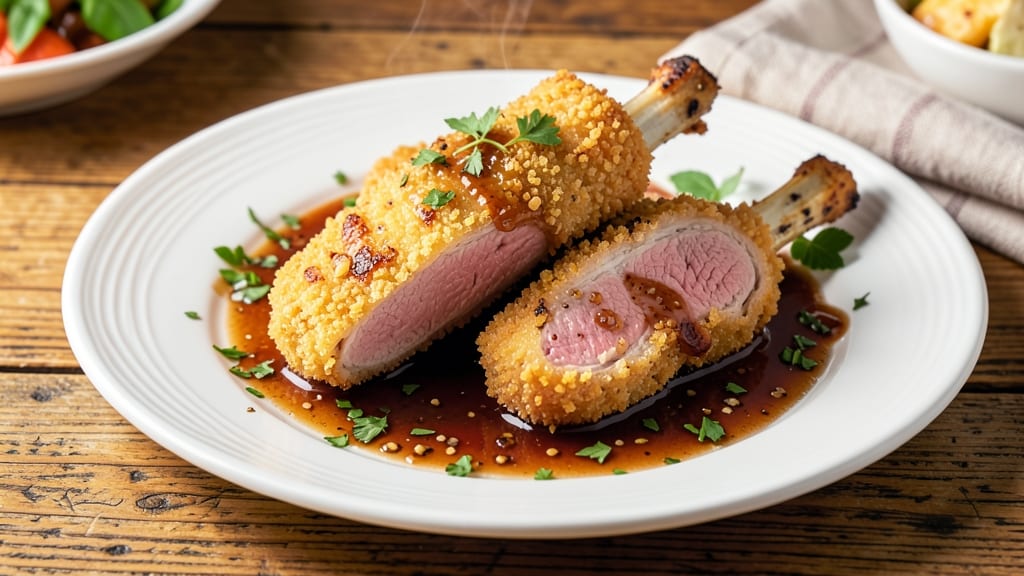
This breaded pork chop sauce recipe delivers the perfect marriage of crispy golden breading and rich, velvety pan gravy—just like my grandmother used to make. The secret lies in a two-step frying process that ensures tender meat and a sauce so flavorful it’ll have everyone asking for seconds.
I’ve perfected this technique over years of cooking for my family’s Thanksgiving gatherings, where it becomes the star of the meal.
The magic starts with a simple buttermilk marinade that keeps the pork juicy while the breading stays crunchy—no soggy edges here.
After frying, we deglaze the pan with a splash of broth and a spoonful of Dijon mustard to create a sauce that’s bold, tangy, and just thick enough to coat every bite. This isn’t your average pan gravy; it’s a restaurant-quality experience you can recreate at home.
What you’ll end up with is a juicy, golden-brown pork chop topped with a glossy, flavor-packed sauce that ties everything together. The breading stays crispy, the meat remains tender, and the sauce?
It’s the kind of rich, savory goodness that makes weeknight dinners feel like a celebration. Serve it with mashed potatoes or roasted green beans for the full experience.
This recipe is foolproof—even if you’ve never breaded meat before, the step-by-step instructions will guide you to perfect results every time. The sauce is also versatile; swap in a splash of apple cider for a holiday twist or keep it classic with a touch of Worcestershire.
Let’s get cooking!
Ingredients for breaded pork chop sauce
Four juicy pork chops, golden breading, and a velvety sauce—this is your Thanksgiving-worthy centerpiece.
| Ingredient | Amount | Notes |
|---|---|---|
| Bone-In Pork Chops 🍖 | 4 whole | 1-inch thick, ribeye cut preferred |
| Buttermilk 🥛 | 1 cup | Full-fat for best flavor |
| All-Purpose Flour 🌾 | 1 cup | For dredging, sifted |
| Panko Breadcrumbs 🍞 | 1 ½ cups | Japanese-style for extra crunch |
| Granulated Garlic Powder 🧄 | 1 tbsp | Freshly ground preferred |
| Dried Parsley Flakes 🌿 | 1 tbsp | For herbaceous flavor |
| Diamond Crystal Kosher Salt 🧂 | 1 tsp | Fine grain preferred |
| Ground Black Pepper 🌶️ | ½ tsp | Freshly cracked |
| Unsalted Butter 🧈 | ½ cup | Cold, cubed for frying |
| Vegetable Oil 🫒 | ½ cup | For frying, high smoke point |
| Beef Broth 🍲 | ½ cup | Low-sodium preferred |
| Dijon Mustard 🍯 | 1 tbsp | For tangy depth |
| Worcestershire Sauce 🍶 | 1 tsp | For umami richness |
| Cornstarch 🌽 | 1 tbsp | For thickening sauce |
| Fresh Thyme Leaves 🌿 | 2 tsp | Chopped, for garnish |
The pork chops are non-negotiable—bone-in, 1-inch thick ribeye cuts stay juicy while frying. Costco or your local butcher usually carry them prepped this way, but if you're buying whole, ask for the ribeye cut and trim to even thickness. The buttermilk marinade is where the magic starts: it tenderizes the meat while the acidity keeps the breading crisp. I always use full-fat buttermilk—the richness makes all the difference. For the breading, Japanese-style panko gives that perfect crunch, but if you're in a pinch, regular breadcrumbs toasted in the oven work too.
No beef broth? Chicken broth with a splash of soy sauce works in a bind, though it’ll lack depth. Fresh thyme is ideal, but dried thyme at one-third the amount gets you close. The Dijon mustard is crucial—it cuts through the richness of the sauce. Worcestershire sauce adds that umami kick, but if you're avoiding it, a dash of soy sauce and a pinch of MSG will mimic the flavor. For the sauce thickening, cornstarch is foolproof, but if you've got it, a roux made with butter and flour gives even more body. The key is patience when deglazing the pan—let those browned bits toast for 30 seconds before adding liquid, or you’ll miss out on layers of flavor.
This sauce reheats beautifully—just add a splash of broth or water to loosen it up. Keeps in the fridge for 3-4 days or freezes for 3 months if you make extra. I always double the batch because it disappears fast. Store it in a sealed jar with a layer of butter on top—this keeps the sauce from drying out and adds richness when reheated. The breaded chops? Best served immediately for that perfect crunch, but they reheat well in a 350°F oven for 10-12 minutes if you're planning ahead.
Why You'll Love This Recipe
- Same recipe, different vibes: serve it with mashed potatoes for a lazy Tuesday or swap in a creamy mushroom sauce for guests. The bone-in chops stay juicy either way, and the panko crust holds up to whatever you throw at it.
- Crispy in Minutes: The buttermilk marinade does half the work for you—just let the chops soak while you toss the panko with garlic powder. No waiting hours; flip them after 10 minutes in the pan, and that golden crust forms faster than you can grab a fork.
- Sauce That Sticks: That simple flour-buttermilk dip isn’t just for texture—it turns into a silky, tangy sauce when you deglaze the pan with a splash of water. Drizzle it over the chops, and suddenly, every bite feels like a hug from your grandma’s kitchen.
- Weeknight to Dinner Party: Same recipe, different vibes: serve it with mashed potatoes for a lazy Tuesday or swap in a creamy mushroom sauce for guests. The bone-in chops stay juicy either way, and the panko crust holds up to whatever you throw at it.
Step-by-step instructions for breaded pork chop sauce
Here's how to create that perfect velvety gravy while keeping your pork chops golden and crispy.
Prepare the Pork Chops for Maximum Crispiness
Pat the 4 whole bone-in pork chops completely dry with paper towels—this is non-negotiable for crispy breading. I like to press firmly on both sides to remove all moisture that would prevent the flour from adhering properly. Place them on a plate and pour the 1 cup buttermilk over them, making sure both sides are coated evenly. Let them marinate for 15-20 minutes at room temperature while you prepare the breading station.
Here's the thing—full-fat buttermilk creates a better seal for the breading to stick, and room temperature pork chops cook more evenly. If you're impatient, don't skip this step. Cold pork chops release moisture during cooking, which steams instead of crisps the breading.
Create the Perfect Breading Station
In a shallow dish, combine the 1 cup all-purpose flour, 1 tbsp granulated garlic powder, 1 tbsp dried parsley flakes, 1 tsp diamond crystal kosher salt, and 0.5 tsp ground black pepper. Mix well with a fork or whisk to distribute the seasonings evenly. In another dish, place the 1.5 cups panko breadcrumbs—no need to season these further as the flour mixture will carry all the flavor.
I use Japanese-style panko for that signature crispy texture. The light, airy crumbs create a perfect crunch while still maintaining structure. If you're using regular breadcrumbs, press them firmly onto the pork chops—they won't be as crispy but will still add great texture.
Bread and Fry the Pork Chops to Golden Perfection
Remove the pork chops from the buttermilk, letting any excess drip off, then dredge each one thoroughly in the flour mixture, pressing gently to adhere. Shake off any excess, then dip into the buttermilk again for a second coat, and finally into the panko breadcrumbs, pressing firmly to create an even, thick crust. Place them on a wire rack set over a plate to keep them crispy while you prepare the frying station.
Heat 0.5 cup vegetable oil and 0.5 cup unsalted butter in a large skillet over medium-high heat until the butter foams and the oil shimmers—around 360°F. Fry the pork chops for 3-4 minutes per side until they're deep golden brown and the internal temperature reaches 145°F. Don't move them around too much or the breading will fall off. Transfer to a paper towel-lined plate to drain.
Build the Velvety Pan Gravy
Immediately after removing the pork chops, reduce the heat to medium-low and add 0.5 cup beef broth, scraping up all those delicious browned bits from the bottom of the pan with a wooden spoon. This is where all the flavor lives—don't skip this step. Add 1 tbsp dijon mustard and 1 tsp worcestershire sauce, stirring to combine.
In a small bowl, whisk together 1 tbsp cornstarch with 2 tablespoons of cold water until smooth. Slowly pour this mixture into the pan while stirring constantly. The gravy will thicken immediately—simmer for 1-2 minutes until it reaches a perfect sauce consistency, coating the back of a spoon. If it's too thick, add a splash more broth; if too thin, add another teaspoon of cornstarch slurry.
Finish and Serve with Crispy Crumb Magic
Return the pork chops to the skillet, spooning the gravy over them to coat evenly. Let them sit for 1 minute to absorb the sauce, then transfer to a serving platter. Garnish with 2 tsp fresh thyme leaves and serve immediately with the pan gravy ladled over the top.
Here's the payoff: each bite delivers that perfect contrast of crispy, golden breading giving way to tender pork chop, all bathed in that rich, velvety gravy. The secret sauce (literally) is in the technique—the crispy breading and flavorful pan sauce work together to create a restaurant-quality dish at home.
Pro Tips For Making Breaded Pork Chop Sauce
- CRISP THE CRUST: Pat the panko mixture onto the pork chops firmly—don’t just sprinkle. Press it down so it sticks like glue, and use the back of a fork to score light lines in the breading. This creates little pockets for the sauce to cling to later, and the crust stays intact instead of flaking off when you cut in.
- SALT THE BUTTERMILK: Skip the pre-salted buttermilk—it’s a waste. Instead, add 1 teaspoon of kosher salt directly to the buttermilk while the pork chops soak. The salt penetrates deeper than just seasoning the surface, and the buttermilk’s tang cuts through the richness of the breading better. (Yes, even if you’re impatient like me.)
- DON’T SKIP THE REST: Let the buttermilk-marinated chops sit for at least 30 minutes—overnight is ideal, but 30 minutes works in a pinch. I learned this the hard way after rushing a batch and ending up with soggy breading. The acid in the buttermilk tenderizes the meat, and the flour clings better to the surface when it’s properly absorbed.
- USE A THICK SAUCE PAN: A heavy-bottomed skillet or saucepan is non-negotiable for this recipe. Thin pans overheat, and the breading burns before the pork cooks through. Fill the pan with about ½ inch of oil—enough to coat the bottom—and keep the heat at medium-high. If the oil smokes too much, dial it back slightly; crispy crusts come from steady, controlled heat, not flames.
Storing and reheating this recipe
Fridge Storage Tips
Store your leftover breaded pork chops in an airtight container with parchment paper between layers to preserve that crispy texture. The sauce should be transferred to a separate container—it keeps best when not sitting directly on the chops.
I like using glass Pyrex containers because they maintain flavor better than plastic. These chops stay fresh in the fridge for up to 3 days, but I recommend eating them within 2 days for maximum crunch. 🥗
Freezing for Later
For long-term storage, freeze the chops and sauce separately. Wrap each chop tightly in plastic wrap before placing them in a freezer bag with all the air squeezed out. The sauce should be frozen in a small airtight container—add a 1-inch layer of butter on top to prevent drying.
Both components keep for up to 3 months in the freezer, with the chops tasting best when reheated within 2 months. 🧊
Reheating Chops
To revive the crispiness, I recommend reheating the chops in a skillet over medium heat for 2-3 minutes per side until golden again. Add a splash of water or beef broth to the pan to create a quick pan sauce.
If using the oven, bake at 350°F for 10-12 minutes on a wire rack to avoid sogginess. Never microwave—it turns the breading into a sad, limp mess. 🔥
Reviving the Sauce
Thawed sauce often thickens too much, so loosen it with 1-2 tablespoons of warm water or broth while stirring on low heat. For extra richness, stir in 1 tablespoon of cold butter at the end.
If the sauce separates, whisk vigorously—it’ll come back together. I like to warm it on the stovetop for 3-4 minutes until it reaches 160°F, then drizzle it over the reheated chops. ✨
Make-Ahead Sauce Hack
Make the sauce a day ahead and store it in the fridge. When reheating, add 1 tablespoon of cornstarch slurry (1 tsp cornstarch + 2 tsp water) to restore thickness. This works perfectly for meal prep—just reheat the sauce separately and assemble everything when ready to serve.
The flavors actually deepen overnight, making it taste even better the second time around. 💫
Serving Leftovers
Leftover chops make fantastic sandwiches—pile them on toasted brioche buns with the warmed sauce and a handful of arugula. For a heartier meal, serve over mashed potatoes with extra gravy spooned on top.
I also love turning them into a pasta bake by layering with cooked penne and a sprinkle of Parmesan cheese. The crispy breading adds amazing texture to any dish! 🍽️
Nutrition facts
Frequently asked questions
Can I use boneless pork chops instead of bone-in?
Yes, but you'll need to adjust the cooking time. Boneless chops cook faster—reduce frying time to 2-3 minutes per side and check for 145°F internal temperature. The breading technique stays the same, but boneless cuts are more prone to drying out. For extra juiciness, pound them to ½-inch thickness before breading.
What's the best way to keep the breading crispy?
Three keys: double-dredging (flour → buttermilk → panko), hot oil (360°F), and wire rack placement. After frying, transfer chops to a wire rack over a plate to drain excess fat. For serving, place them on a rack over the sauce to prevent sogginess. Pro tip: Add 1 tsp baking powder to the flour mixture for extra lift!
Can I make this recipe in an air fryer?
Preheat the air fryer to 375°F and spray the basket with oil. Cook chops for 8-10 minutes total, flipping halfway. For the sauce, use the same pan method but reduce broth by 2 tbsp since air frying creates less fond. The breading won't be as crispy as deep-frying, but it's still delicious and healthier.
What if my sauce gets too thick?
Don't panic! Thin it with 1 tbsp warm water or broth while stirring constantly. For extra richness, whisk in 1 tbsp cold butter at the end. If it's still too thick after reheating, add another ½ tsp cornstarch slurry. The sauce should coat the back of a spoon but still be pourable—this is the perfect consistency.
How can I make this dish gluten-free?
Replace flour with 1 cup gluten-free all-purpose blend and panko with 1.5 cups gluten-free breadcrumbs (or crushed gluten-free crackers). Use tamari instead of Worcestershire sauce. The buttermilk marinade remains safe as long as it's certified gluten-free. Test the breading mixture first—some blends absorb more moisture, so you may need to adjust by adding 1 extra tbsp cornstarch.