
Main Courses
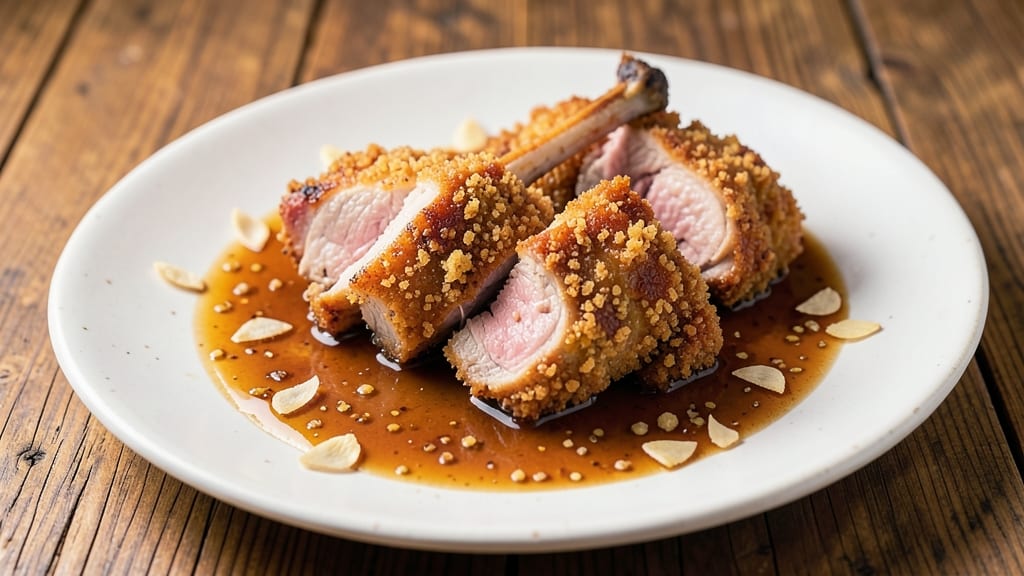
This breaded Pinoy pork chop recipe delivers the perfect balance of crispy panko crust and juicy, tender meat—just like your favorite Filipino comfort food. The secret lies in a double-breading technique that locks in moisture while creating that addictive crunch. I first made these during a busy week when I needed a satisfying meal that felt special, and they've been a staple ever since.
The magic happens in the breading process: a mix of panko, cornstarch, and seasoned flour creates that signature crispy exterior, while a quick soy-calamansi marinade ensures the meat stays juicy. Pan-searing at medium-high heat gives you that golden-brown crust without drying out the centers—this isn't your average breaded pork chop.
The result is a dish that's hearty enough for a family dinner but simple enough for a weeknight.
What you'll end up with is perfectly golden pork chops with flaky, crispy edges that shatter at every bite, revealing tender, flavorful meat inside. Serve them with garlic rice and atchara for that authentic Filipino spread, or pair with a simple tomato-based sauce for extra tang.
The aroma alone will have everyone gathering around the table, and the first bite delivers that satisfying crunch followed by juicy perfection.
This recipe is foolproof and works with bone-in or boneless chops—just adjust the cooking time slightly. The breading stays crispy even after reheating, making these perfect for meal prep or leftovers. Let's get cooking!
Ingredients for breaded pork chop recipe pinoy
Panko, soy sauce, and calamansi—just three key ingredients transform simple pork chops into Filipino comfort food gold.
| Ingredient | Amount | Notes |
|---|---|---|
| Bone-In Pork Chops 🥩 | 4 whole | 1-inch thick, rib chops preferred |
| Japanese Panko Breadcrumbs 🍞 | 1 ½ cups | For crispy crust (not fine breadcrumbs) |
| All-Purpose Flour 🌾 | ½ cup | For first breading layer |
| Cornstarch 🌾 | ¼ cup | For extra crispiness |
| Soy Sauce 🍶 | ¼ cup | For marinade (use light soy) |
| Calamansi Juice 🍋 | 2 tbsp | Or substitute lime juice |
| Garlic Cloves 🧄 | 4 cloves | Minced for marinade |
| Vegetable Oil 🫒 | ½ cup | For frying (high smoke point) |
| Salt 🧂 | 1 tsp | Kosher salt preferred |
| Ground Black Pepper 🌶️ | ½ tsp | Freshly ground |
| Ground White Pepper 🌶️ | ¼ tsp | For authentic Pinoy flavor |
| Garlic Powder 🧄 | 1 tsp | For seasoning breading |
| Onion Powder 🧅 | ½ tsp | For seasoning breading |
The pork chops are non-negotiable—bone-in rib chops stay juicier longer, but boneless works too. Grab them from the butcher counter if you can, or use pre-cut from the meat section. 1-inch thickness is ideal for even cooking. For the panko, Japanese brands like Nissin give that perfect flaky texture—don't substitute with regular breadcrumbs. The calamansi is the secret weapon here, but lime juice works in a pinch. Just don't skip it—the tang balances the richness.
No calamansi? Lime or lemon juice does the trick, but you'll lose that authentic Filipino brightness. The soy sauce should be light soy—dark soy adds color but overpowers the flavor. For the breading, I mix panko, cornstarch, and flour to get that signature crispy-yet-light texture. Cornstarch is key—it creates that shatterable crust. If you're short on time, pre-mixed panko seasoning from Asian grocery stores cuts prep time in half. The white pepper is what gives these chops that classic Filipino restaurant taste—don't skip it!
These chops reheat beautifully—just 5 minutes at 350°F keeps the crust crispy. Store leftovers in the fridge for 3 days or freeze for 2 months. I always make a double batch because they disappear fast. The breading stays crispy even after reheating, which is why these are perfect for meal prep. For serving, keep the pork chops warm in a 200°F oven while you prep sides—garlic rice and atchara pair perfectly.
Why You'll Love This Recipe
- Panko Perfection in Minutes: I swear, the double-dredge with panko and cornstarch gives that golden crunch that shatters like a dream—no fancy techniques, just flour, cornstarch, and a quick dip. The bone-in chops stay juicy while the crust stays crisp, and honestly? That’s the magic right there.
- Soy-Sauce Secret Weapon: Between us, the soy sauce in the marinade isn’t just for flavor—it’s the umami bomb that makes these taste like they’ve been simmering for hours. The panko soaks it up perfectly, giving every bite that savory punch that’ll have you reaching for seconds without even thinking.
- Weeknight to Party Ready: I make these for lazy Tuesdays and Sunday dinners—same recipe, zero stress. The leftovers? Still crispy when reheated (thanks to that cornstarch trick), and they’re hearty enough for a crowd but simple enough for two. My daughter’s friends always ask for the recipe after school events.
- Budget Crispy Luxury: Bone-in pork chops stretch further than you’d think, and panko costs a fraction of what fancy breadcrumbs do. The flour and cornstarch are pantry staples, so this is basically gourmet on a shoestring—crispy, satisfying, and guilt-free. Plus, the soy sauce? Cheap but ridiculously effective.
Step-by-step instructions for crispy panko-crusted pork chops
Here's how to create that perfect balance of crunchy crust and tender meat every time.
Prepare the Marinade and Season the Pork
In a shallow dish, combine the 0.25 cup soy sauce, 2 tbsp calamansi juice, 4 minced garlic cloves, and 1 tsp salt. Stir until fully mixed - this tangy marinade will infuse flavor deep into the pork. Place the 4 whole bone-in pork chops in the marinade, turning to coat both sides completely. Let them sit for at least 30 minutes (or up to 2 hours in the fridge) - this ensures maximum tenderness and flavor penetration.
While the pork marinates, pat the chops dry with paper towels. This step is crucial - any moisture left on the surface will prevent that perfect crispy crust from forming later. I like to press firmly with the towels, especially around the edges where the breading will adhere. The drier the surface, the better the breading will stick and crisp up beautifully.
Create the Breading Station
Set up three separate bowls for your breading process. In the first bowl, combine the 0.5 cup all-purpose flour, 1 tsp garlic powder, 0.5 tsp onion powder, 0.5 tsp ground black pepper, and 0.25 tsp ground white pepper. Mix thoroughly - this seasoned flour forms the first protective layer that helps the breading stick. In the second bowl, place the 1.5 cups Japanese panko breadcrumbs mixed with the 0.25 cup cornstarch - this gives that extra crunch we're after.
The third bowl should contain the 0.5 cup vegetable oil heated to 350°F in a deep skillet or Dutch oven. Use a thermometer to monitor the temperature - this is your target cooking range for perfect browning without burning. Keep the oil at this temperature throughout the frying process, adding more if needed to maintain the heat.
Bread and Fry to Golden Perfection
Remove the pork chops from the marinade, allowing any excess to drip off. Working quickly, dredge each chop first in the flour mixture, pressing gently to adhere the seasoning evenly to all surfaces. Shake off any excess, then dip into the panko-cornstarch mixture, again pressing firmly to create an even, thick coating. The breading should be about ¼-inch thick - this ensures maximum crispiness without overwhelming the natural flavor of the pork.
Carefully lower each breaded chop into the hot oil. Fry for 3-4 minutes per side until the breading turns a deep golden brown and the internal temperature reaches 145°F. You'll know it's ready when you see bubbles forming around the edges and the crust becomes crispy to the touch. I like to use tongs to gently press down on the chops during the first minute - this prevents them from curling and ensures even contact with the hot oil.
Rest and Serve with Confidence
Transfer the fried chops to a wire rack set over a paper towel-lined plate. Let them rest for 5 minutes - this crucial step allows the juices to redistribute throughout the meat, preventing them from pooling and making the chops soggy. The crust will stay crispy during this time, but the meat will become even more tender and flavorful.
Serve immediately with your favorite dipping sauce or over a bed of steamed vegetables. Each bite should deliver that satisfying crunch from the panko crust followed by juicy, flavorful pork. The combination of the tangy marinade, aromatic spices, and crispy breading makes these pork chops truly special - a perfect balance of textures and flavors that will impress anyone who tries them.
Pro Tips For Making Breaded Pork Chop Recipe Pinoy
- Dry the Pork First: Bone-in pork chops are stubborn about moisture—pat them thoroughly with paper towels before dredging, even if they look dry. I learned this after my first batch turned into soggy, gluey messes; the cornstarch coating won’t stick properly if there’s any dampness lurking.
- Mix Cornstarch with Flour: Skip the separate dredging step—combine 3 parts flour to 1 part cornstarch (about ¼ cup cornstarch per cup flour) in a shallow dish. The cornstarch makes the crust extra crispy and lightens the texture, so you don’t have to fuss with two bowls. (Yes, even if you’re impatient like me.)
- Fry in Two Batches: Crowding the pan drops the oil temperature fast, leading to greasy, unevenly cooked chops. Use a 12-inch skillet and fry just 2 chops at a time—this keeps the heat high and the crust golden. I used to rush this and ended up with pale, limp breading every time.
- Rest Before Serving: Let the chops sit under foil for 5 minutes after frying—this traps steam so the meat stays juicy while the crust firms up. I know, I know, you want to eat it immediately, but skipping this step means dry, tough pork. (Your future self will thank you.)
Troubleshooting this recipe
Crust Too Soft?
If your breaded pork chops turn out soft instead of crispy, your oil temperature is likely too low. Use an instant-read thermometer to confirm the oil reaches 350°F—any lower, and the panko won’t crisp properly.
I’ve found vegetable oil works best for this recipe, as it maintains a high smoke point. If your oil starts smoking excessively, it’s too hot—reduce the heat immediately.
Also, ensure you’re using fresh panko (not stale breadcrumbs) and cornstarch in the second breading layer—this combo is key for that shatterable crust. 🔥
Meat Too Dry?
Overcooking is the usual culprit here. Bone-in pork chops should reach an internal temperature of 145°F—no higher! Use a meat thermometer to check the thickest part of the chop. If your chops are bone-in, they’ll stay juicier longer.
For extra tenderness, marinate for at least 30 minutes (or up to 2 hours) before breading. Pro tip: Pat the chops very dry with paper towels before breading—this helps the crust adhere better and prevents steam from making the meat soggy. 💧
Breading Falling Off?
This usually happens when the pork isn’t dry enough or the breading isn’t pressed firmly. After marinating, dry the chops thoroughly with paper towels—don’t skip this step! When breading, press each chop gently but firmly into the panko mixture so the coating sticks.
Another trick: Chill the breaded chops for 10-15 minutes in the fridge before frying. This helps the breading set and reduces the chance of it falling off during cooking. If it still happens, try dipping the chops in beaten egg between the flour and panko layers for extra adhesion. 🍳
Oil Smoking Too Much?
If your oil is smoking excessively, it’s past its ideal frying temperature.
Reduce the heat to medium-low and let it stabilize before adding more chops. Vegetable oil has a high smoke point (400°F), but if you’re using something like canola oil, be extra cautious—it can degrade faster at high heat.
Keep a small bowl of flour nearby to sprinkle on smoking oil—it helps absorb excess moisture and reduces flare-ups. Never add cold chops to hot oil; let the oil return to 350°F before frying. 🌡️
Uneven Cooking?
Uneven cooking often means the chops weren’t the same thickness or the oil temperature fluctuated. For consistent results, trim excess fat from thicker edges and pound thicker chops to an even ½-inch thickness with a meat mallet.
Also, don’t overcrowd the pan—fry in batches if needed to maintain oil temperature. If your chops brown faster on one side, reduce the heat slightly and cook more slowly. A Dutch oven is ideal for this recipe because it holds heat well and prevents temperature drops. 🔥
Nutrition facts
Frequently asked questions
Can I use boneless pork chops instead of bone-in?
Boneless chops work perfectly—just reduce the marinating time slightly to 20-30 minutes since they cook faster. Use ½-inch thick chops for even cooking, and fry for 2-3 minutes per side instead of 3-4. The breading technique stays the same, but boneless chops are great for meal prep since they reheat even better.
What's the best substitute for calamansi?
If you can't find calamansi, use a mix of lime juice (1 tbsp) + lemon juice (1 tbsp) for the tangy kick. For extra authenticity, add ½ tsp sugar to mimic calamansi's slight sweetness. Avoid orange juice—it's too mild and will make the marinade taste flat. The acidity is key for tenderizing the pork!
How do I make these gluten-free?
Replace the flour with ½ cup gluten-free all-purpose flour and use 1 cup gluten-free panko (or crush gluten-free bread into crumbs). For extra crispiness, add 2 tbsp cornstarch to the panko mixture. The breading will still get crispy, though it might be slightly denser. Test with a small batch first!
Can I bake these instead of frying?
Yes! Preheat oven to 400°F and bake breaded chops on a wire rack for 12-15 minutes until golden. Brush with 1 tbsp oil before baking for extra crispiness. The crust won't be as crispy as fried, but it's a healthier alternative. For best results, broil for 1-2 minutes at the end to brown the edges.
What's the best way to reheat leftovers?
Reheat in a 350°F oven for 5-7 minutes on a wire rack to keep the crust crispy. For the stovetop, pan-sear for 1-2 minutes per side> in a dry skillet over medium heat. Microwaving works in a pinch (30 seconds), but the breading gets soggy. Always reheat to 165°F for safety. Leftovers stay fresh for 3 days> in the fridge.