
Main Courses
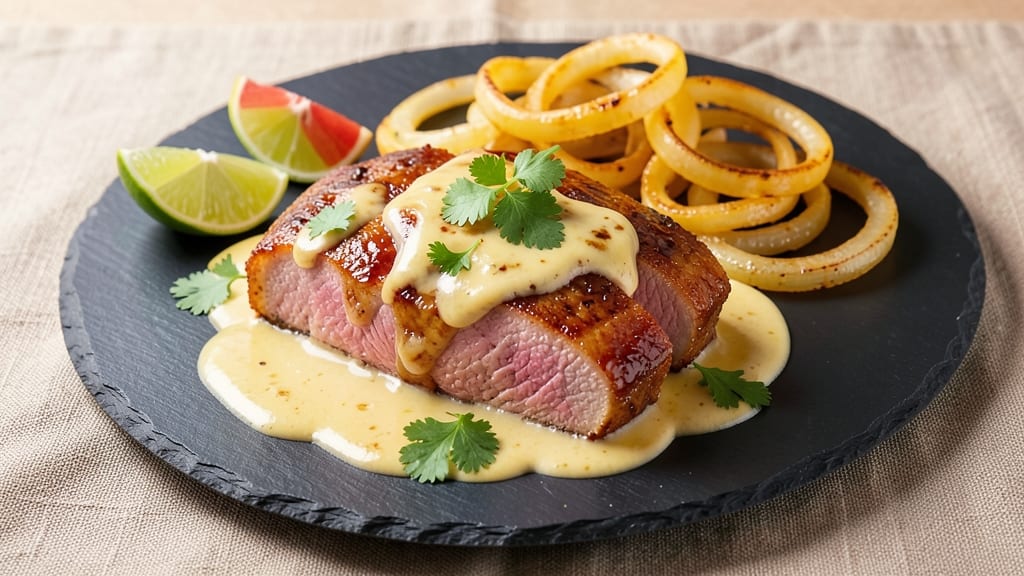
This Brazilian pork tenderloin recipe brings the vibrant flavors of moqueca to your table with a citrus-coconut braise that transforms tough cuts into melt-in-your-mouth perfection. 🌟 After years of perfecting Brazilian-inspired dishes, I developed this technique that balances tangy lime, sweet coconut milk, and aromatic cilantro for a dish that feels like a taste of Rio at your dinner table.
The secret lies in the slow braising process, where the pork tenderloin absorbs the rich, tropical flavors while staying incredibly tender. Unlike traditional grilled pork cuts, this method ensures even cooking and maximum juiciness, making it ideal for weeknight dinners or special occasions.
The recipe uses simple pantry staples but delivers restaurant-quality results that will impress even the most discerning guests.
By the time you serve this dish, you'll have golden-brown pork with crisp edges and succulent centers, bathed in a fragrant sauce that's both creamy and bright.
The citrus notes cut through the richness while the coconut milk adds depth, creating a perfect balance of flavors that's distinctly Brazilian yet approachable for home cooks.
Pair it with farofa, grilled plantains, or a fresh mango salad for an authentic Brazilian feast. The recipe scales beautifully for gatherings, and the leftovers reheat wonderfully, making it a versatile addition to your meal rotation. Let's get started on this flavorful journey!
Ingredients for brazilian pork tenderloin
Simple yet vibrant ingredients transform ordinary pork into a restaurant-worthy Brazilian feast.
| Ingredient | Amount | Notes |
|---|---|---|
| Pork Tenderloin 🐖 | 1 ½ lb | Center-cut, trimmed of fat |
| Coconut Milk 🥥 | 1 ½ cups | Full-fat canned, unsweetened |
| Fresh Lime Juice 🍋 | ½ cup | Strained, seeds removed |
| Fresh Cilantro 🌿 | ½ cup | Stems removed, loosely packed |
| Garlic Cloves 🧄 | 6 cloves | Minced, fresh preferred |
| Yellow Onion 🧅 | 1 whole | Medium, finely diced |
| Olive Oil 🫒 | ¼ cup | Extra-virgin, fruity |
| Fresh Ginger 🌿 | 1 tbsp | Grated, peeled |
| Dried Oregano 🌶️ | 1 tsp | Mexican preferred |
| Ground Cumin 🌿 | ½ tsp | Toasted for depth |
| Salt 🧂 | 1 ½ tsp | Diamond Crystal kosher |
| Black Pepper 🌶️ | ½ tsp | Freshly ground |
| Red Bell Pepper 🌶️ | 1 whole | Medium, sliced into strips |
| Tomatoes 🍅 | 2 whole | Roma, diced |
| Bay Leaf 🍃 | 1 whole | Dried, standard size |
The pork tenderloin is your canvas here—center-cut and trimmed of fat for even cooking and maximum tenderness. Whole Foods or your local butcher will have the best cuts, but don't stress if you grab it from the grocery store's meat counter. Look for pieces that are firm to the touch with a vibrant pink color—avoid any with grayish spots. If your tenderloin is uneven, trim it to about 1.5 inches in diameter for consistent cooking. For extra flavor, ask the butcher to tie it with kitchen twine before you leave (or do it yourself with butcher's twine). The lime juice and coconut milk do most of the magic, but the fresh cilantro from the Latin market section at Trader Joe's adds that bright, herby finish that's unmistakably Brazilian.
No fresh cilantro? Coriander leaves work in a pinch, though they're slightly different. Running low on lime juice? Key lime juice or even lemon juice will work, though the flavor won't be quite the same. The garlic can be roasted for a milder taste—just toss whole cloves with olive oil and roast at 400°F for 10 minutes. Canned coconut milk is non-negotiable here; cartons won't give you the same creamy texture. For the bell pepper, red or yellow both work—just keep the slices even so they cook at the same rate. If you can't find Roma tomatoes, vine-ripened will do, though they'll break down more during cooking. The spices are simple but crucial—Mexican oregano has a distinct flavor from Italian oregano, so if you can find it, grab it. No toasted cumin? Regular ground cumin works fine, but toasting it in a dry pan for 30 seconds before adding intensifies the flavor.
This braise tastes even better the next day, so make extra if you're feeding a crowd. Store leftovers in an airtight container in the fridge for up to 4 days, or freeze for 3 months in a sealed bag. The sauce thickens as it cools, so add a splash of water or coconut milk when reheating. For serving, I like to garnish with extra cilantro and lime wedges—trust me, it makes all the difference. The pork reheats beautifully in a skillet with a splash of the braising liquid, so you can serve it straight from the fridge without drying it out. If you're prepping ahead, the sauce can be made a day in advance and stored separately, then combined with the cooked pork just before serving.
Why You'll Love This Recipe
- One-Pan Magic: I swear by this recipe because it’s that simple—just sear the pork, toss in the coconut milk, lime, and garlic, then let it simmer. No chopping mountains of veggies, no fancy techniques, just hands-off flavor that feels like a restaurant dish.
- Tropical Crisp in Every Bite: Between us, the garlic and lime juice create this perfect balance—sweet, tangy, and just a little zingy. The coconut milk keeps it rich but never heavy, and the cilantro adds that fresh finish that makes it taste like a vacation.
- Weeknight to Weekend: Honestly, this is my go-to for busy nights, but it also shines at gatherings. Serve it with rice and steamed greens for a full meal, or slice it for tacos—same recipe, totally different vibe. My kids even ask for it when we’re supposed to be eating "healthy."
- Fridge-Friendly & Budget-Smart: The leftovers? Chef’s kiss. The sauce thickens beautifully when reheated, and the pork stays tender. Plus, pork tenderloin is one of the most affordable cuts—you get generous portions without breaking the bank. I’ve made this three times this month already.
Step-by-step instructions for moqueca-inspired citrus and coconut braise
Here's how to transform simple ingredients into a restaurant-worthy Brazilian-inspired dish.
🍳 Step 1: Sear the Pork Tenderloin to Lock in Flavors
Pat the 1.5 lb pork tenderloin dry with paper towels and season generously with 1 tsp salt, 0.25 tsp black pepper, and 0.25 tsp ground cumin on all sides. Heat 0.125 cup olive oil in a heavy Dutch oven over medium-high heat until shimmering.
Add the pork and sear for 3-4 minutes per side until developing a deep golden crust. Press gently with a spatula—it should release easily when ready. Remove the pork and set aside on a plate. This initial sear creates a flavorful crust while keeping the interior tender.
🍳 Step 2: Build the Aromatic Base
In the same Dutch oven, add the remaining 0.125 cup olive oil and reduce heat to medium. Add the 1 whole yellow onion and cook for 5 minutes until softened and translucent. Stir in the 6 cloves garlic cloves and 1 tbsp fresh ginger, cooking for 1 minute until fragrant.
Add the 1 whole red bell pepper (sliced) and 2 whole tomatoes (diced), cooking for 4-5 minutes until the vegetables begin to soften. Sprinkle in the 1 tsp dried oregano and 0.25 tsp ground cumin, stirring to combine. This aromatic base forms the flavor foundation for the braise.
🥘 Step 3: Create the Citrus-Coconut Sauce
Pour in the 1.5 cups coconut milk and 0.5 cup fresh lime juice, scraping up any browned bits from the bottom of the pan. Add the 1 whole bay leaf and bring to a gentle simmer over medium-low heat. Let it cook for 10 minutes to allow the flavors to meld and the sauce to slightly thicken.
Return the seared pork to the Dutch oven, along with any accumulated juices. The pork should be mostly submerged in the sauce. Cover and transfer to a 350°F preheated oven for 25-30 minutes, until the pork reaches an internal temperature of 145°F and is fork-tender.
👨🍳 Step 4: Finish with Fresh Herbs and Garnish
Remove the pork from the oven and let it rest for 5 minutes before slicing. Discard the bay leaf and stir the 0.5 cup fresh cilantro into the sauce. Taste and adjust seasoning with additional salt or lime juice if needed.
Slice the pork tenderloin into ½-inch thick medallions and arrange on a platter. Ladle the coconut-citrus sauce over the top and garnish with additional cilantro. Serve immediately with crusty bread or over steamed rice to soak up every bit of that luscious sauce.
Pro Tips For Making Brazilian Pork Tenderloin
- SEAR THE GARLIC FIRST: I learned this the hard way—if you toss raw garlic into the coconut milk, it’ll just sit there, undercooked and bitter. Sauté the minced garlic in a dry pan for 30 seconds until it’s golden and fragrant before adding the coconut milk. That’s when the flavor actually develops, not when you’re already simmering the sauce.
- SALT THE PORK 2 HOURS EARLY: Pork tenderloin is lean and dries out fast, but salting it generously (1 tsp kosher salt per pound) and letting it sit uncovered in the fridge for at least 2 hours makes all the difference. It seasons deeper, and the meat stays juicier when it hits the pan—no last-minute guesswork.
- SKIP THE BOILING COCONUT MILK: Yes, even if the recipe says to boil the coconut milk. It’ll split and turn grainy, ruining the sauce. Instead, heat it gently over medium-low until it’s just warm (about 160°F), then whisk in the lime juice and garlic. The sauce will thicken naturally without curdling—trust me, I’ve ruined three batches doing it the other way.
- REST THE MEAT UNDER FOIL: After searing the pork and baking it in the coconut sauce, don’t cut into it right away. Tent it loosely with foil and let it sit for 5-10 minutes. This keeps the juices locked in, so they don’t spill out when you slice. I know, I know—you’re hungry now—but wait. Your knife will thank you.
Make-ahead tips for leftovers
Prep Ahead Sauce
Make the citrus-coconut sauce a day ahead—it actually tastes better after flavors meld overnight. Store it in an airtight container in the fridge for up to 3 days.
When ready to cook, simply heat the sauce in a skillet over medium-low heat until warmed through, then add the seared pork and finish as directed. This saves 20 minutes of active cooking time on the day you serve. 💡
Pork Prep Shortcut
Buy pre-trimmed pork tenderloin from your butcher to save 15 minutes of prep time. If you can't find it, trim the fat yourself—just score the surface lightly with a sharp knife before searing to help the seasoning penetrate.
I keep a Lodge cast iron skillet on hand for quick searing, but any heavy pot works. 🐖
Freezer-Friendly Pork
Cook the pork completely, then cool it quickly under cold running water before storing in a freezer-safe bag with ½ cup of the braising sauce. Freeze for up to 3 months.
Thaw overnight in the fridge, then reheat gently in the sauce over low heat until warmed through. The texture stays tender because the sauce prevents drying. ❄️
Double the Batch
This recipe scales perfectly for crowds—just double all ingredients and use a larger Dutch oven. Cook the extra pork in batches if needed, then combine the sauces. Store leftovers in glass Pyrex containers for easy reheating.
I like serving this at Brazilian-themed parties where guests can build their own plates with farofa and grilled veggies. 🔥
Sauce Thickening Hack
If your sauce seems too thin after reheating, mix 1 tbsp cornstarch with 2 tbsp cold water and stir it into the simmering sauce. Cook for 2-3 minutes until thickened to your liking.
This works especially well if you're making the sauce ahead and want it to hold its consistency when reheated. 🥄
Garnish Like a Pro
Keep fresh cilantro and lime wedges separate until serving. Toss the cilantro with 1 tsp salt and 1 tsp lime zest for extra brightness. Squeeze fresh lime juice over each serving just before eating—this keeps the flavors vibrant and makes your dish look restaurant-worthy.
Trust me, this final touch elevates everything. 🌿
Nutrition facts
Frequently asked questions
Can I substitute chicken or beef for the pork tenderloin?
While this recipe is designed for pork, you can adapt it for chicken thighs (bone-in, skin-on) or beef tenderloin. For chicken, increase cooking time to 35-40 minutes at 350°F until internal temp reaches 165°F. Beef tenderloin will need 45-50 minutes for medium-rare (130°F). Adjust seasoning—beef benefits from extra garlic and black pepper.
What's the best way to store leftovers?
Store in an airtight container in the fridge for up to 4 days or freeze for 3 months. For reheating, warm gently in the sauce over low heat until steaming. The sauce may thicken when chilled—add a splash of coconut milk or water when reheating. Never microwave without sauce to prevent drying.
Can I make this in a slow cooker?
Yes! Sear the pork first, then transfer everything (including sauce) to a slow cooker. Cook on Low for 6 hours or High for 3 hours. The pork will be more tender than oven-braised. For extra flavor, add ½ cup orange juice during the last hour of cooking. The sauce may need thickening with cornstarch before serving.
What sides pair best with this dish?
For an authentic Brazilian meal, serve with farofa (toasted cassava flour), grilled plantains, or black beans. Other great options include: coconut rice, roasted yuca, or a mango-avocado salad. The citrusy pork also works wonderfully with crusty bread to soak up the sauce.
Why does my pork turn out dry?
Overcooking is the most common cause. Use a meat thermometer and remove pork at 145°F—it will rise to 150°F while resting. Another tip: Don't skip the resting time after cooking. For extra juiciness, baste the pork with sauce during the oven phase. If using a cast iron skillet instead of Dutch oven, cover tightly with foil.