
Side Dishes
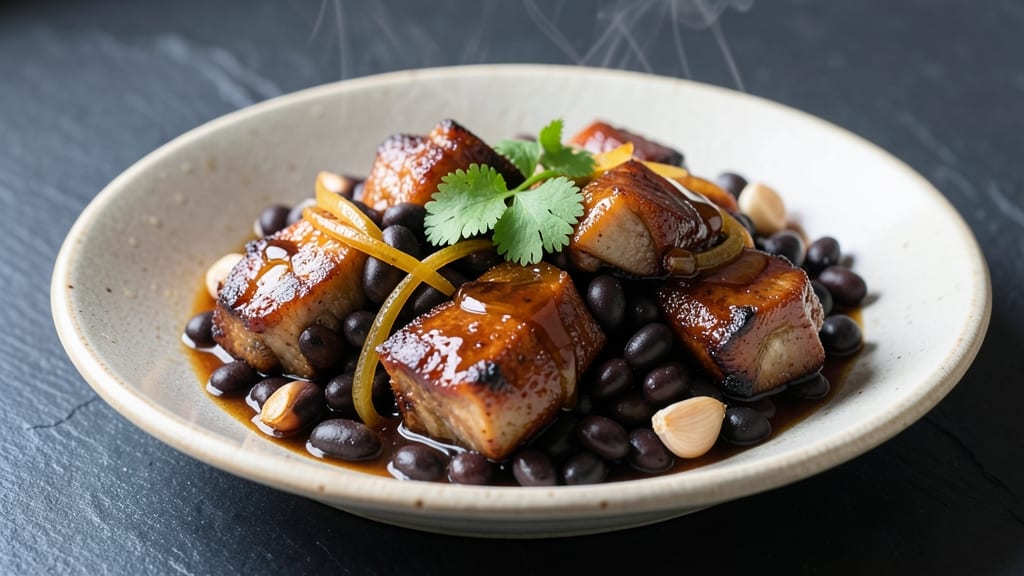
This one-pot black beans with pork recipe brings Panlasang Pinoy flavors to your table with rich, savory depth and tender meat. 🌟 After years of perfecting Filipino home-style dishes, I've simplified the process while keeping the soul of traditional cooking—no shortcuts, just bold flavors in a single pot.
The secret lies in balancing sweet soy sauce, tangy vinegar, and aromatic garlic that transforms simple ingredients into something extraordinary.
The dish starts with pork cut into bite-sized pieces, seared until golden before simmering with black beans, onions, and garlic until the meat falls apart. Traditional Filipino seasonings like soy sauce, vinegar, and a touch of sugar create that signature umami-sweet-tangy flavor profile that makes this dish irresistible.
The beans soften just enough to soak up all the rich, caramelized pork juices, creating a hearty, satisfying meal that's perfect for feeding a crowd.
What you'll end up with is a restaurant-quality Filipino classic that's easy to make at home—tender pork infused with garlic and soy, black beans bursting with flavor, and a sauce that's perfectly balanced between sweet, salty, and tangy.
This dish pairs beautifully with steamed white rice, which soaks up every last drop of that delicious pork-bean sauce. The best part? It all comes together in one pot, making cleanup a breeze.
Whether you're serving this for a family dinner or a gathering with friends, this recipe delivers the comfort and warmth of Filipino home cooking. The aroma alone will have everyone anticipating the first bite, and the taste? Pure, unapologetic flavor. Let's get cooking!
Ingredients for black beans with pork recipe panlasang pinoy
Sixteen ingredients for a one-pot Filipino feast that tastes like home.
| Ingredient | Amount | Notes |
|---|---|---|
| Pork Shoulder 🍖 | 1 ½ lb | Cut into 1-inch pieces |
| Dried Black Beans 🫘 | 2 cups | Soaked overnight or quick-soaked |
| Yellow Onions 🧅 | 1 whole | Thinly sliced, about 2 cups |
| Garlic Cloves 🧄 | 8 cloves | Minced finely for aroma |
| Soy Sauce 🥄 | ½ cup | Sweet soy sauce preferred |
| Cane Vinegar 🍶 | ¼ cup | White vinegar substitute |
| White Sugar 🍚 | 2 tbsp | Adjust to taste |
| Salt 🧂 | 1 tsp | Kosher or sea salt |
| Black Peppercorns 🌶️ | ½ tsp | Freshly ground preferred |
| Bay Leaves 🌿 | 2 whole | Dried, removed before serving |
| Vegetable Oil 🫒 | 2 tbsp | For searing pork |
| Water 💧 | 3 cups | For simmering beans |
| Green Onions 🧅 | 4 whole | Chopped for garnish |
The pork shoulder is non-negotiable here—it stays tender and flavorful while the beans soften. Grab a bone-in cut if you can find it at Filipino markets or your local butcher shop; the marrow adds depth. For the beans, dried black beans (not canned) give that authentic texture, but quick-soak them if you're short on time. I always grab Filipino soy sauce from Asian grocery stores—it's sweeter and deeper than regular soy sauce, but Kikkoman works in a pinch. The garlic? Freshly minced is a must; pre-minced loses its punch fast.
No pork shoulder? Pork belly or pork butt works just as well. Running low on soy sauce? Coconut aminos plus a pinch of sugar mimics the sweetness. Vinegar substitute? Lemon juice or apple cider vinegar both work, but cane vinegar gives that authentic tang. The sugar can be swapped for brown sugar or palm sugar—whatever you've got. For the beans, if you can't find dried, two 15-oz cans (drained) will work, but they won't have the same texture. And trust me on the bay leaves—remove them before serving or they turn into flavor bombs.
This dish tastes even better the next day, so double the batch if you're feeding a crowd. Keeps for 4-5 days in the fridge, and freezes beautifully for 3 months. I always portion mine into containers with rice—lunches sorted for the week. The pork gets extra tender with time, so let it sit for 10 minutes after cooking before serving. Garnish with green onions right before eating; they add that fresh pop of color.
Why You'll Love This Recipe
- One-Pot Magic: I swear by this recipe when I’m too tired to wash dishes—just toss everything into one pot, and let the soy sauce and garlic work their flavor while you sip your coffee. The beans soften perfectly without any extra fuss, and the pork shoulder melts into tender, pull-apart goodness.
- Umami Bomb: That first bite? The savory punch from the soy sauce and pork shoulder is next level—deep, rich, and just a little smoky. The black beans soak up all the flavor like a sponge, making every spoonful irresistibly satisfying. (Honestly, I’ve had guests ask for the recipe just after one taste.)
- Meal Prep MVP: This dish keeps like a champ in the fridge for days, so I make a big batch on Sundays and reheat portions all week. It’s my go-to for lazy lunches or potlucks—just reheat, serve, and watch it disappear. (Yes, even on a Tuesday night.)
- Budget Stretch: Pork shoulder is cheap, dried beans last forever, and onions/garlic are pantry staples—this recipe feeds four for under $10. Between us, it’s how I stretch my grocery budget without sacrificing flavor. Plus, leftovers taste even better the next day.
Step-by-step instructions for black beans with pork Panlasang Pinoy
Here's how to make this rich, savory Filipino dish in a single pot.
🍳 Step 1: Sear the Pork Shoulder for Deep Flavor
Heat the 2 tablespoons vegetable oil in a large Dutch oven or heavy pot over medium-high heat until shimmering. Add the 1.5 lb pork shoulder cut into 1-inch pieces and sear for 5-6 minutes, stirring occasionally, until the pork develops a golden-brown crust. You'll see the fat render out and sizzle—this is where all the flavor starts.
Don't overcrowd the pot or the pork will steam instead of sear. If needed, work in batches and set the first batch aside. Once seared, remove the pork and set it aside on a plate. You'll add it back later, but for now, let's build that rich browned base.
🍳 Step 2: Sauté Onions and Garlic for Aromatic Foundation
In the same pot, add the thinly sliced yellow onions (about 2 cups) and cook for 3-4 minutes until softened and starting to caramelize at the edges. You'll smell that sweet, oniony aroma filling your kitchen—that's exactly what you want.
Add the 8 cloves minced garlic cloves and cook for another 30 seconds until fragrant. Be careful not to let the garlic burn—it should smell sweet and nutty, not bitter. This aromatic base is the heart of your dish, so take your time here. If the onions stick, add a splash of water to deglaze, but don't add too much or you'll dilute the flavors.
🥘 Step 3: Simmer the Beans with Flavorful Liquid
Add the 2 cups dried black beans (drained if quick-soaked), 3 cups water, 0.5 cup soy sauce, 0.25 cup cane vinegar, 2 tablespoons white sugar, 1 teaspoon salt, 0.5 teaspoon black peppercorns, and 2 whole bay leaves to the pot. Stir well to combine all the ingredients.
Bring the mixture to a boil over high heat, then reduce to a simmer. Add the seared pork back to the pot, making sure it's fully submerged in the liquid. Cover and simmer for 1 hour to 1 hour 15 minutes until the beans are tender and the pork is fork-tender. You'll know the beans are done when they're soft but still hold their shape, and the pork should pull apart easily.
⏰ Step 4: Reduce for Thick, Rich Sauce
Once the pork and beans are tender, uncover the pot and increase the heat to medium-high. Let the liquid reduce for 10-15 minutes until it thickens slightly and coats the back of a spoon. You want the sauce to be rich and glossy, not watery. Stir occasionally to prevent sticking, and taste to adjust seasoning if needed.
Here's the thing—this reduction step is what transforms your one-pot meal from good to incredible. The flavors concentrate, and the sauce becomes velvety. If the sauce reduces too quickly, add a splash of water or a little from the reserved soaking liquid to loosen it. The goal is a thick, flavorful sauce that clings to every bite.
🍽️ Step 5: Finish and Serve with Fresh Garnish
Remove the 2 whole bay leaves before serving. Stir in the 4 whole chopped green onions and let them wilt slightly in the hot sauce. This adds a fresh, bright contrast to the rich, savory flavors. Taste one last time and adjust seasoning if needed—you might need a little more soy sauce or vinegar to balance the flavors perfectly.
Serve the black beans with pork hot, straight from the pot, with steamed rice. The one-pot magic means every bite delivers tender pork, creamy beans, and that perfect balance of sweet, sour, and savory. This dish tastes even better the next day, so make extra if you can—it's that good.
Pro Tips For Making Black Beans With Pork Recipe Panlasang Pinoy
- CRANK THE HEAT FIRST: Start with a screaming-hot pan for the pork shoulder—no simmering, no gentle warming. I learned this the hard way after my first batch turned out greasy and undercooked. Get that meat sizzling hard for 3-4 minutes per side before lowering heat; it seals the juices and builds flavor faster than any slow cooker ever could.
- SOAK BEANS IN SALTED WATER: Skip the plain water—soak your dried black beans in a mix of water and 1 teaspoon salt per cup. This mimics the salty broth they’d eventually cook in, preventing that bland, mealy texture later. Drain and rinse just before cooking, or they’ll turn mushy. (Yes, even if you’re impatient like me.)
- BROWN THE ONIONS LOW: After cooking the pork, remove it and let those onions caramelize slowly—10-12 minutes at medium-low heat. Rushed caramelization means bitter, sharp onions instead of sweet, jammy depth. Stir occasionally and resist the urge to crank the heat; patience here makes the whole dish sing.
- USE CALAMANSIS FOR DEPTH: Toss in 2-3 calamansi wedges (or a splash of juice) with the soy sauce and garlic. The tang cuts through the richness of the pork and balances the beans’ earthiness—way better than lemon. No calamansi? A dash of vinegar works, but it’s not the same. (I was skeptical until I tried it.)
Troubleshooting this dish
Pork Too Tough
If your pork turns out tough instead of tender, it likely didn’t cook long enough or the heat was too high. Always use a meat thermometer—pork should reach 203°F internal temperature for perfect tenderness.
I’ve learned the hard way: slow and low wins every time. If you’re short on time, try cutting the pork into ½-inch pieces instead of 1-inch to ensure faster cooking and better texture. 🌡️
Another trick? Add ½ cup coconut milk during the simmering phase. The fat helps keep the pork moist while the beans cook. I first picked this up from my Filipino neighbor in Portland, and it’s a game-changer for tenderizing the meat without making the dish greasy.
Beans Too Hard
Dried black beans need proper soaking and simmering time. If yours are still hard after 1 hour 15 minutes, they likely didn’t soak long enough. Quick-soak them in boiling water for 2 minutes, then let sit for 1 hour before cooking.
For extra insurance, add ½ teaspoon baking soda to the soaking water—it softens the skins faster. I only do this when I’m in a hurry, though, because it can make the beans slightly mushy if overdone.
If the beans are still tough after cooking, the issue might be old beans. Check the package date—beans older than 1 year lose their ability to soften properly.
Store them in the freezer if you won’t use them within a few months. Trust me, this small step saves you from a mushy disaster later.
Sauce Too Thin
A watery sauce usually means the beans released too much liquid or the reduction phase wasn’t long enough. After simmering, let the sauce reduce uncovered over medium-high heat for 15-20 minutes, stirring occasionally.
If it’s still too thin, mash ¼ cup of the beans with a fork to thicken it naturally. This works like a slurry and adds creaminess without extra starch.
For a quicker fix, mix 1 tablespoon cornstarch with 2 tablespoons cold water, then stir it into the pot. Simmer for another 2-3 minutes until thickened.
I’ve used this trick in a pinch, but I prefer the bean-mashing method because it keeps the dish more authentic and avoids that starchy aftertaste.
Sauce Too Salty
If your dish tastes overwhelmingly salty, don’t panic—there’s always a fix. Add ½ cup warm water or broth to dilute the saltiness, then simmer for 5 minutes to let the flavors rebalance.
For a more authentic touch, stir in 1 tablespoon sugar or 1 tablespoon vinegar to cut through the salt. The acidity or sweetness will help restore harmony in the flavors.
Prevent this issue by tasting as you go. After adding soy sauce and salt, simmer for 10 minutes before tasting again. I’ve ruined a few batches by forgetting this step—now I set a timer to remind myself to check the seasoning early.
A little patience here saves a lot of trouble later.
Onions Burned
Burnt onions happen when you’re not paying attention to the heat or the cooking time. Keep the heat at medium-low while sautéing onions—they should soften and caramelize without turning brown or bitter.
If they start to darken too quickly, reduce the heat immediately and add 1 tablespoon water to deglaze the pot. This keeps the onions sweet and prevents that bitter, burnt flavor.
For extra insurance, slice the onions evenly—thinner slices caramelize faster than thick ones. I like to use a mandoline** for consistent slices, but a sharp knife works just as well if you’re careful. The goal is golden-brown, not blackened—think sweet, jammy onions, not burnt char.
Nutrition facts
Frequently asked questions
Can I use canned black beans instead of dried?
Yes, you can substitute two 15-oz cans of black beans (drained and rinsed) for the dried beans. However, the texture will be slightly different—the canned beans will be softer and absorb flavors faster. For best results, reduce the simmering time to 30-45 minutes after adding the pork, as canned beans cook much quicker than dried.
What other cuts of pork work for this recipe?
Pork shoulder is ideal, but you can also use pork belly (for extra richness) or pork butt (similar texture). Avoid lean cuts like tenderloin—they dry out during long cooking. If using belly, reduce the cooking time by 15 minutes since fat renders faster. For a quicker version, try ground pork (cook for 25 minutes after adding beans).
How can I make this dish spicier? Add 1-2 tablespoons of banana ketchup (for sweet heat) or 1 teaspoon of ground black pepper plus ½ teaspoon of cayenne pepper during the simmering phase. For authentic Filipino heat, stir in 1-2 tablespoons of siling labuyo (bird's eye chili) paste at the end.
Can I prepare this ahead of time?
This dish tastes even better the next day. Cook it fully, then refrigerate in an airtight container for up to 5 days or freeze for 3 months. Reheat gently on the stove with a splash of water to restore moisture. Pro tip: The flavors meld beautifully overnight, making it perfect for meal prep. Serve with reheated rice for a complete Filipino-style meal.
What other vegetables can I add?
Try adding 1 cup of diced tomatoes (for acidity), 1 bell pepper (for crunch), or 1 cup of corn kernels (for sweetness). For a traditional touch, stir in ½ cup of potato cubes—they absorb the pork flavors perfectly. Just add them with the beans and adjust cooking time by 10-15 minutes if using starchy vegetables like potatoes.