
Main Courses
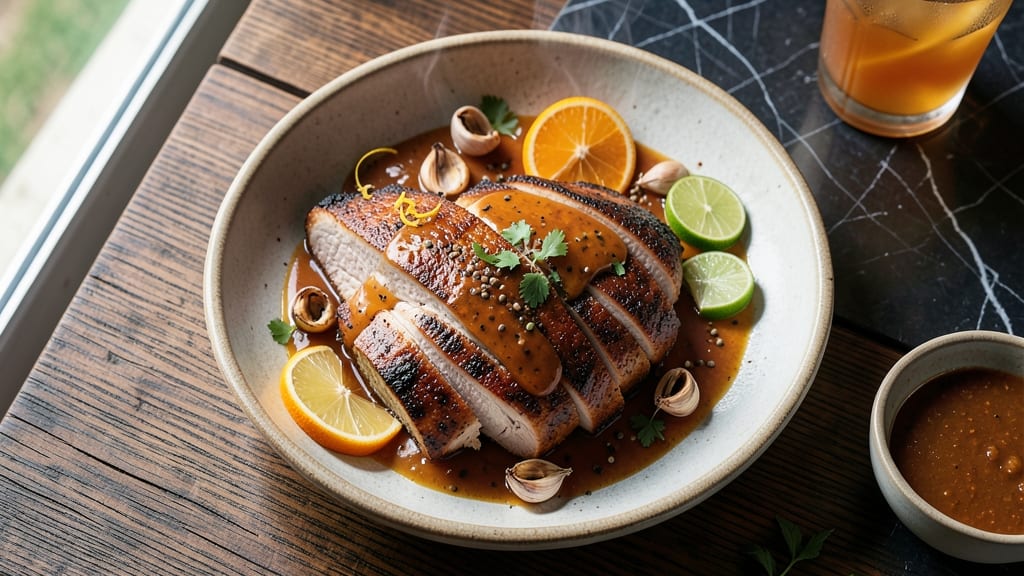
This Brazilian pork roast recipe brings the bold flavors of South America to your table with a citrus-marinated crust that crackles like autumn leaves and tender meat that practically melts in your mouth.
Growing up in Georgia, I learned that pork transforms into something extraordinary when treated with care—just like the slow-cooked shoulders I used to watch my grandmother prepare for Sunday dinners.
The secret lies in the marinade: bright orange juice and garlic cutting through the richness while oregano and cumin ground in local markets add that unmistakable Brazilian warmth.
The magic happens in the oven where high heat creates a deep mahogany bark while the interior stays impossibly tender—crispy on the outside, juicy all the way through.
I've perfected this technique over years of cooking for crowds at The Smoky Pig, where we roast hundreds of pounds of pork weekly.
What makes this recipe special is how it balances traditional Brazilian flavors with approachable techniques: no fancy equipment needed, just time and patience to let the marinade work its magic overnight.
By the time you pull this roast from the oven, your kitchen will smell like a Brazilian churrascaria—smoky, citrusy, and impossible to resist. The meat shreds effortlessly, perfect for serving over farofa (toasted cassava flour) or alongside black beans and steamed rice.
What started as my grandmother's family recipe has become my signature dish, requested by everyone from BBQ judges to first-time diners.
Whether you're cooking for a holiday feast or a weeknight dinner, this pork roast delivers restaurant-quality results with minimal effort. The marinade keeps well for up to 3 days, so you can prepare ahead and focus on enjoying the meal.
Here's how to make it—just like I've been doing for years in my kitchen and on competition pits across the Southeast.
Ingredients for brazilian pork roast
Six pounds of pork shoulder and bold Brazilian flavors transform into a showstopper roast.
| Ingredient | Amount | Notes |
|---|---|---|
| Pork Shoulder (Bone-In) 🥓 | 6 lb | Center-cut for even cooking |
| Fresh Orange Juice 🍊 | 1 ½ cups | From 3-4 medium oranges |
| Garlic Cloves 🧄 | 8 cloves | Freshly minced for marinade |
| Cumin Ground 🌿 | 1 tbsp | Freshly toasted for depth |
| Dried Oregano 🍃 | 1 ½ tbsp | Mexican oregano preferred |
| Smoked Paprika 🌶️ | 1 tbsp | For that Brazilian smokiness |
| Cayenne Pepper 🔥 | ½ tsp | Adjust for heat preference |
| Kosher Salt 🧂 | 2 tbsp | Diamond Crystal preferred |
| Black Peppercorns 🌶️ | 1 tsp | Freshly cracked for texture |
| Olive Oil 🫒 | ¼ cup | Extra-virgin for richness |
| Fresh Lime Juice 🍋 | ½ cup | Brightens the marinade |
| Brown Sugar 🍚 | 2 tbsp | For caramelized bark |
| Farofa (Toasted Cassava Flour) 🌾 | ½ cup | For serving (optional) |
The pork shoulder is the star—center-cut gives you even cooking and maximum tenderness. Local butchers often have the best cuts, but any well-marbled shoulder works. I always grab mine from Whole Foods or H-E-B if I'm prepping ahead. Look for good marbling and ask the butcher to trim excess fat—you want flavor, not grease. The oranges? Navel or Valencia work best—they're juicier and sweeter. If you can't find Mexican oregano, regular dried oregano will do, but it won't have that same earthy depth. Toast your cumin seeds first (30 seconds in a dry pan) for a flavor boost—trust me, it's worth the extra minute.
No fresh oranges? Bottled orange juice works in a pinch, but add a splash of vinegar to cut through the sweetness. Running short on lime? Extra lemon juice at half the amount gives similar brightness. The smoked paprika is non-negotiable here—it's what gives that authentic Brazilian churrascaria vibe. If you can't find it, regular paprika plus a pinch of liquid smoke gets you close. For the brown sugar, muscovado or turbinado adds deeper caramel notes if you're feeling fancy. The farofa? Trader Joe's sells it pre-toasted, or you can toast your own cassava flour in a dry pan until golden. No farofa? Toasted breadcrumbs work in a pinch.
This marinade keeps for 3 days in the fridge—perfect for prepping ahead. The pork? 2 days max before roasting for best texture. I always roast mine at 325°F for the first 2 hours, then crank to 450°F for the final 30 minutes to get that crispy bark. Leftovers shred beautifully—keep them in the fridge for 4 days or freeze for 3 months. I portion mine into meal-prep containers so I can pull it out for quick lunches all week. The bark gets crispier the next day, so save some for sandwiches—it's basically edible crackers.
Why You'll Love This Recipe
- One-Pan Magic: I swear by this—just the pork, a splash of orange juice, and a handful of spices on a sheet pan. No fancy gadgets, no stress. The bone-in cut stays juicy while the edges caramelize, and honestly? The cleanup is just wiping one pan.
- Citrus-Kissed Crunch: That bright orange juice cuts through the richness of the pork like a breath of fresh air. The cumin and oregano add this earthy warmth, but the garlic? It’s the real MVP—every bite has that punchy, aromatic punch that makes you reach for seconds.
- Weeknight & Weekend Hero: Between us, this roast works for everything. Toss it on a lazy Tuesday for sandwiches, bring it to a BBQ for shredded tacos, or serve it sliced for a fancy dinner. My kids grab it straight off the bone, and my in-laws think I slaved for hours.
- Budget-Friendly Feast: Pork shoulder is a steal, and this recipe stretches it across three meals without tasting like leftovers. I’ll roast a big piece on Sunday, repurpose it into soup on Wednesday, and still have enough for breakfast hash. Zero waste, maximum flavor—what’s not to love?
Step-by-step instructions for Brazilian pork roast
Here's how to create that perfect balance of crispy bark and tender, juicy pork every time.
Prepare the Citrus Marinade
In a large bowl, combine the 1.5 cups fresh orange juice, 0.5 cup fresh lime juice, 0.25 cup olive oil, 2 tbsp brown sugar, 2 tbsp kosher salt, 1.5 tbsp dried oregano, 1 tbsp smoked paprika, 1 tbsp ground cumin, 0.5 tsp cayenne pepper, and 1 tsp freshly cracked black peppercorns. Whisk until the brown sugar dissolves completely and the spices are evenly distributed.
This marinade is the secret to both flavor and moisture. The citrus acids tenderize the meat while the spices create that signature Brazilian warmth. I like to use freshly cracked peppercorns here—they add a nice texture contrast to the smooth marinade. Let the mixture sit at room temperature for 15 minutes before using, which allows the flavors to meld together.
Coat and Rest the Pork Shoulder
Place the 6 lb bone-in pork shoulder in a large resealable plastic bag and pour the marinade over it. Seal the bag and massage the pork gently to ensure every surface is coated. This step is crucial—don't skip it. The marinade needs to penetrate the meat for maximum flavor and tenderness.
Transfer the bagged pork to a shallow dish and refrigerate for at least 12 hours, but I prefer 24 hours for deeper flavor infusion. During this time, the acids in the citrus will begin breaking down the muscle fibers, creating that signature tender texture. When ready to cook, remove the pork from the fridge and let it sit at room temperature for 1 hour before roasting. This ensures even cooking throughout.
Roast Until Bark Forms and Meat Tenders
Preheat your oven to 300°F. Place the marinated pork shoulder fat-side up in a roasting pan and cover tightly with aluminum foil. Roast for 3 hours, then remove the foil and increase the temperature to 375°F. Continue roasting for another 1 to 1.5 hours until the external temperature reaches 165°F and the bark has developed a deep, caramelized crust.
Here's the thing about Brazilian pork roast—the bark is everything. You'll know it's ready when the exterior is dark brown with crispy edges and the meat pulls apart easily with two forks. The internal temperature should read 195-203°F when you check it with a meat thermometer. This higher temperature ensures the collagen fully breaks down, creating those melt-in-your-mouth shreds.
Rest and Shred for Maximum Juiciness
Transfer the roasted pork to a cutting board and tent loosely with aluminum foil. Let it rest for at least 30 minutes, but I prefer 1 hour if you have time. This resting period is where the magic happens—the juices redistribute throughout the meat, preventing them from running out when you slice.
While the pork rests, prepare the farofa by lightly toasting it in a dry skillet over medium heat for 2-3 minutes until fragrant. This adds a nice textural contrast to the tender meat. When ready to serve, shred the pork using two forks, discarding any large fat pieces. The meat should pull apart easily with minimal effort, indicating perfect doneness.
Pro Tips For Making Brazilian Pork Roast
- SEAR THE SKIN FIRST: After patting the pork shoulder dry (yes, even if it’s bone-in), hit it with a screaming-hot pan for 3-4 minutes per side before adding any liquid. I learned this the hard way—skipping the sear means your crust turns into sad, greasy sludge instead of crispy, caramelized armor. Use a Dutch oven if you have one; its thick base handles the heat better than flimsy skillets.
- USE THICK ORANGE JUICE: Don’t grab that bottled pulp-free "fresh" juice from the store—it’s basically orange-flavored water. Squeeze your own or buy the thick, cloudy stuff from the refrigerated section (the kind with pulp). The natural oils and fiber in that juice cling to the meat like glue, making the final sauce richer and the pork more tender. If you’re lazy, at least pick a brand labeled "not from concentrate."
- DON’T RUSH THE LOW HEAT: After browning, the pork needs to simmer in its juices at 300°F (150°C) for hours—not because you’re bored, but because this is where the collagen melts into flavor gold. I used to crank the heat to speed things up, and the meat would dry out or taste like it was cooked in a microwave. Trust the thermometer, not your impatience. A meat probe hitting 195°F (90°C) is your actual finish line, not the recipe’s "3 hours."
- SMASH THE GARLIC: Skip the minced garlic from the jar—it’s already oxidized and tastes like garlic-flavored regret. Roughly chop 6-8 cloves, then smash them with the flat side of your knife before adding them to the pan. This releases more oils and aroma, and the uneven pieces caramelize better than pre-diced bits. (Yes, even if you’re not a garlic purist, this makes a real difference.) Toss them in with the cumin and oregano right after searing—they’ll toast in the fat and stick to the meat like glue.
Make-ahead tips for leftovers
Marinade Prep Ahead
The citrus marinade keeps beautifully for 3 days in the fridge—perfect for busy cooks. I make mine the night before and store it in an airtight container with the lid slightly ajar to prevent condensation.
When ready to use, simply pour it over the pork and massage it in. The flavors deepen overnight, so you get more complex notes without extra effort. 🍊
Pork Prep Timeline
Plan to marinate the pork for 24 hours before roasting—this is non-negotiable for maximum tenderness. I keep mine in the fridge in a resealable plastic bag, turning it every 8 hours for even coating.
Remove it from the fridge 1 hour before cooking to bring it to room temperature. This step ensures even cooking and prevents cold spots in the meat.
Partial Cooking Strategy
For large gatherings, I often cook the pork 80% of the way (until internal temp reaches 160°F) and refrigerate it overnight. The next day, I finish it at 375°F for 30-45 minutes to develop that perfect bark.
Wrap it tightly in butcher paper before refrigerating to prevent drying. This method saves time and keeps the meat juicy.
Make-Ahead Sides
Farofa and black beans can be prepped 2 days ahead—they actually taste better after resting. Store them in separate airtight containers in the fridge. Reheat the beans gently in a pot with a splash of water, while the farofa just needs a quick toast in a dry skillet.
This way, you only need to focus on the pork when it's time to serve. ✨
Leftovers Hack
Shredded pork keeps for 4 days in the fridge or 3 months in the freezer. I portion mine into meal-prep containers with a sprinkle of farofa on top—it makes an amazing sandwich filling or taco meat.
The bark gets even crispier when reheated, so save some for croutons or garnish. Freeze extras in quart-sized bags with parchment between layers to prevent sticking.
Nutrition facts
Frequently asked questions
Can I use a different cut of pork instead of shoulder?
A bone-in pork shoulder is ideal for this recipe because of its fat content and collagen, which create that signature tender texture. However, you can use a pork butt (which is essentially the same cut) or even a pork loin if you adjust the cooking time. For loin, reduce the roasting time by about 45 minutes and skip the high-heat barking phase—it's leaner and won't develop the same crispy exterior.
What's the best way to achieve that crispy bark?
The secret is patience and temperature control! After the initial 3-hour low-and-slow roast at 300°F, crank the oven to 375°F for the final 1-1.5 hours uncovered. The high heat caramelizes the sugars in the marinade, creating that deep mahogany crust. For extra crispiness, brush the pork with a little more orange juice or olive oil during the final 30 minutes of cooking.
Can I make this recipe in a slow cooker?
While you can cook the pork in a slow cooker for 8 hours on low or 5 hours on high, you won't get that signature crispy bark. The bark forms from high-heat roasting, so for the best results, stick with the oven method. If you're short on time, cook the pork in the slow cooker first (until 160°F), then finish it in a 450°F oven for 20 minutes to develop the crust.
What if I don't have farofa? What are good substitutes?
Farofa adds that wonderful toasty texture, but you can substitute it with toasted breadcrumbs, crushed cornflakes, or even coarse semolina. For extra flavor, toast them with a pinch of smoked paprika or garlic powder. If you're feeling adventurous, try toasted coconut flakes for a tropical twist that pairs beautifully with the citrus marinade.
How do I know when the pork is fully cooked?
Use a meat thermometer to check the internal temperature—it should reach 195-203°F in the thickest part of the meat. The pork should also pull apart easily with two forks, indicating that the collagen has fully broken down. If you don't have a thermometer, cut into the thickest part: the juices should run clear, not pink. The bark should be deep brown and crispy, with no pink flesh visible.