
Main Courses
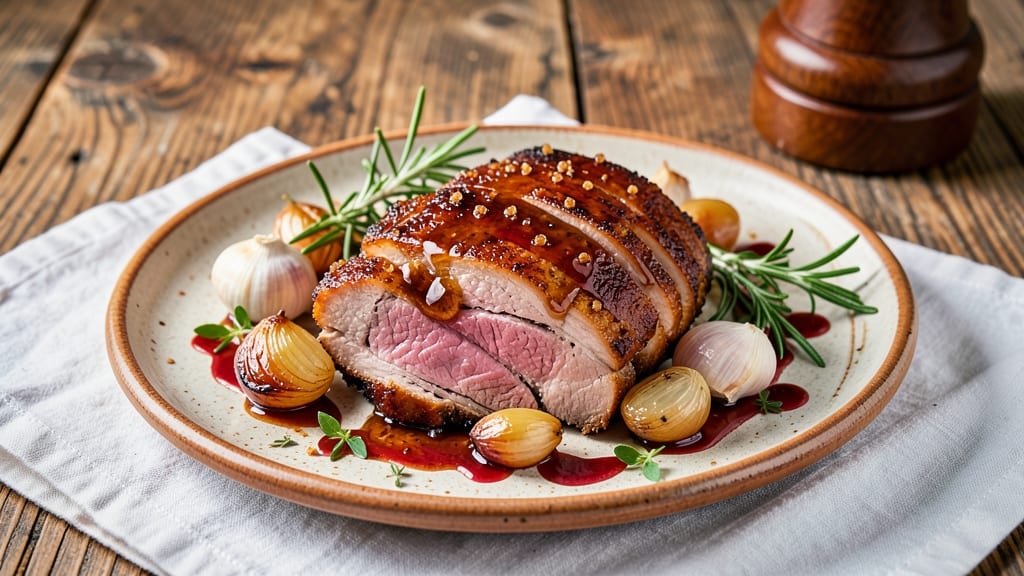
This bourbon pork recipe transforms tough cuts into melt-in-your-mouth perfection through slow cooking and rich caramelization. 🔥 The deep amber glaze—infused with bourbon's warm, smoky notes—penetrates every fiber, creating a dish that balances sweetness and savory depth.
I perfected this technique while cooking for my family's holiday gatherings, where it became the centerpiece that disappeared faster than the mashed potatoes.
The secret lies in the marinade: bourbon tenderizes the meat while its alcohol evaporates during cooking, leaving behind layers of flavor. A slow cooker or oven does the heavy lifting, ensuring the pork stays juicy and the glaze develops that signature caramelized crust.
This method works beautifully with pork shoulder, ribs, or even chops—each cut benefits from the bourbon's magic.
By the final hour, your kitchen will smell like a Southern kitchen should—warm, inviting, and rich with the aroma of caramelizing sugars and smoldering oak.
The result is tender, fall-apart pork with a glossy glaze that clings to every bite, offering a perfect balance of sweet, smoky, and slightly tangy notes. It's the kind of dish that makes your guests ask for the recipe before dessert.
Pair it with classic sides like creamy mashed potatoes or buttery cornbread to complete the meal. The bourbon's depth shines brightest when matched with Southern staples that can stand up to its complexity. Let's get cooking—this recipe delivers restaurant-quality results at home.
Ingredients for bourbon pork
Six ingredients transform tough pork into melt-in-your-mouth perfection with bourbon's smoky embrace.
| Ingredient | Amount | Notes |
|---|---|---|
| Pork Shoulder 🍖 | 4 lb | Bone-in for maximum flavor, cut into 2-inch chunks |
| Bourbon Whiskey 🥃 | 1 cup | 80-proof or higher for optimal flavor infusion |
| Brown Sugar 🍬 | 1 cup | Packed, light or dark variety |
| Apple Cider Vinegar 🍏 | ½ cup | For tangy depth and tenderizing |
| Yellow Onion 🧅 | 1 whole | Medium size, roughly chopped |
| Garlic Cloves 🧄 | 6 cloves | Peeled, lightly crushed |
| Fresh Rosemary 🌿 | ¼ cup | Chopped, stems removed |
| Fresh Thyme 🌿 | 2 tbsp | Leaves only, stems discarded |
| Kosher Salt 🧂 | 1 ½ tbsp | Diamond Crystal preferred for accurate measurement |
| Black Peppercorns 🌶️ | 1 tsp | Freshly cracked for maximum aroma |
| Olive Oil 🫒 | ¼ cup | Extra-virgin for richness |
| Honey 🍯 | ¼ cup | Wildflower preferred for floral notes |
| Chicken or Vegetable Broth 🥄 | 1 cup | Low-sodium preferred |
| Mustard 🧅 | 1 tbsp | Dijon for tangy depth |
The pork shoulder is non-negotiable for this recipe—bone-in cuts develop deeper flavor during slow cooking, and the marbling ensures juicy results. Butcher shops often have pre-cut chunks, but if buying whole, ask for a 4-5 lb shoulder and have it cut into 2-inch pieces. The bourbon should be a high-quality brand like Maker's Mark or Buffalo Trace—avoid the cheap stuff, as it lacks the complexity needed to complement the pork's richness. Fresh herbs are critical: Trader Joe's sells pre-chopped rosemary and thyme in convenient jars, but I always grab extra to garnish the finished dish. The brown sugar should be packed into the measuring cup for accurate sweetness, and the apple cider vinegar adds a subtle tang that balances the bourbon's sweetness.
No bourbon on hand? Rye whiskey or even apple brandy work in a pinch, though the flavor profile will shift slightly. Substituting maple syrup for honey (equal amounts) maintains sweetness without altering the glaze's viscosity. The Dijon mustard is essential for that signature tang—French's or Maille are reliable brands, but any good-quality Dijon will do. For a vegetarian-friendly broth, use vegetable stock instead of chicken. The olive oil should be extra-virgin—cheaper varieties can taste bitter. If you're short on time, pre-chop the onion and garlic while the pork marinates. The fresh herbs can be swapped for dried at a 1:3 ratio, but fresh is always preferable for that bright, aromatic punch.
This dish tastes even better the next day, as the flavors meld and the glaze thickens. Store leftovers in an airtight container in the fridge for up to 5 days, or freeze for 3 months. For serving, reheat in a skillet with a splash of broth to restore moisture. The glaze will thicken upon cooling, so reheating gently is key. I always make a double batch—this recipe disappears fast at family gatherings, and the leftovers reheat beautifully. The caramelized crust is best enjoyed fresh, but the tender pork remains delicious even after reheating. For a restaurant-quality presentation, drizzle with extra glaze and garnish with fresh thyme sprigs.
Why You'll Love This Recipe
- One-Pan Magic: I swear by this for lazy Sundays—just dump everything on a sheet pan, walk away, and let the oven do the work. The bourbon caramelizes into that sticky, glossy glaze while you sip your coffee or scroll through memes.
- Sweet Heat Combo: That balance of smoky bourbon, tangy vinegar, and caramelized brown sugar? It’s like a grown-up candy bar for your taste buds. The onions turn jammy, and the pork stays juicy—no dry bites here.
- Leftovers That Shine: Between us, this tastes better the next day. I’ll make a double batch on Sunday, slice it for sandwiches all week, or toss it into tacos when I’m too tired to cook. (Yes, even on a Tuesday night.)
- Budget Crowd-Pleaser: Pork shoulder is cheap, and bourbon stretches far when you’re braising. Feed six people for less than you’d spend on takeout, and they’ll beg for seconds—no fancy plating required. Honestly, my wallet thanks me.
Step-by-step instructions for slow-cooked bourbon pork
Master this technique and you'll achieve fall-apart tenderness with a deep, caramelized glaze that balances sweet and smoky notes perfectly.
🔥 Step 1: Sear the Pork Shoulder for Maximum Flavor
Pat the 4 lb pork shoulder dry with paper towels—this is critical for developing that crispy bark. Heat 0.25 cup olive oil in a large Dutch oven over medium-high heat until shimmering but not smoking. Working in batches if needed, sear the pork on all sides until deeply browned, about 8-10 minutes total. You're building flavor through the Maillard reaction here, so don't rush this step.
Real talk: I press down gently on the pork during the first minute of searing—this prevents it from curling and ensures even contact with the pan. Once browned, transfer the pork to a plate and set aside. You'll notice the oil will darken significantly from the caramelization; this is good—it means you're creating layers of flavor that will infuse into the pork during cooking.
👨🍳 Step 2: Build the Flavor Base with Aromatics and Liquids
In the same Dutch oven, add 1 whole yellow onion (roughly chopped) and 6 cloves garlic cloves (lightly crushed). Cook for 5 minutes until the onion softens and begins to caramelize. Add 0.25 cup fresh rosemary and 2 tbsp fresh thyme, stirring for 30 seconds to release their essential oils—this is where the herbal notes will develop.
Deglaze the pan immediately by pouring in 1 cup bourbon whiskey, scraping up all those browned bits from the bottom. Let it simmer for 3-4 minutes until reduced by half. Here's the thing—don't walk away. The alcohol needs to burn off completely to prevent a harsh flavor in your final dish. Add 0.5 cup apple cider vinegar and 1 cup chicken or vegetable broth, scraping up any remaining browned bits from the bottom of the pan.
🥘 Step 3: Layer the Pork with Seasonings and Braising Liquid
Return the seared pork to the Dutch oven. Sprinkle 1.5 tbsp kosher salt and 1 tsp black peppercorns (freshly cracked) evenly over the top and around the bottom. Add 1 cup brown sugar, 0.25 cup honey, and 1 tbsp mustard, pressing the mixture gently into the meat. This isn't just seasoning—it's creating a flavor barrier that will caramelize beautifully during cooking.
Pour the liquid mixture over the pork until it's mostly submerged (about 3 cups total when combined with the reduced bourbon and broth). The pork should be at least ¾ covered with liquid. Bring everything to a simmer over medium-high heat, then reduce heat to low and cover tightly with a lid. This is where the magic happens—slow cooking breaks down the tough connective tissue while the sugars and vinegar work together to tenderize the meat.
⏰ Step 4: Slow Cook Until Fork-Tender
Transfer the Dutch oven to a 325°F oven and cook for 3 to 3.5 hours. I know it seems long, but patience is key here—you're not just cooking pork, you're transforming it. Check the internal temperature after 2.5 hours; it should read 195-200°F in the thickest part. If it's not there yet, give it another 30 minutes. The meat should be fork-tender with no resistance when tested.
During the last 30 minutes of cooking, uncover the pot and increase the oven temperature to 375°F. This allows the surface to caramelize and develop that deep, glossy glaze we're after. You'll see the liquid reduce dramatically and the sugars turn into a sticky, amber coating. This is the moment that matters: the contrast between the tender, juicy meat and the crispy, caramelized exterior.
🍽️ Step 5: Rest and Serve with Glazed Perfection
Remove the pork from the oven and transfer it to a cutting board. Tent loosely with foil and let it rest for 20-30 minutes. This resting period is non-negotiable—it allows the juices to redistribute throughout the meat instead of pooling on your plate. The internal temperature will rise another 5-10°F during this time, so don't worry if it's not quite at 203°F when you pull it out.
Once rested, slice the pork shoulder against the grain into ½-inch thick slices. The meat should pull apart easily with just a fork, and the glaze should be thick enough to coat each slice generously. Serve immediately with the reduced cooking liquid spooned over the top, or use it to make a quick pan sauce by simmering it for 5-7 minutes until slightly thickened. The balance of sweet, smoky, and tangy flavors in this dish is what makes it unforgettable—each bite delivers layers of complexity that come from the careful layering of ingredients and techniques.
Pro Tips For Making Bourbon Pork
- Brown the Meat First: That crust is what turns good bourbon pork into amazing bourbon pork. Don’t skip the 10-12 minutes of searing—high heat, no crowding the pan—until every side has a deep golden-brown color. I used to rush this, and the sauce just couldn’t cling the same way.
- Use Real Bourbon, Not Imitation: Cheap whiskey burns off too fast and leaves a harsh aftertaste. Splurge on a mid-shelf bourbon (like Four Roses or Maker’s Mark)—it adds depth that artificial extracts can’t match. Pour it in after the onions caramelize so the alcohol has time to cook off properly.
- Don’t Skip the Vinegar Rest: After adding apple cider vinegar, let the pork sit uncovered for 5 minutes. This lets the acid work its magic on the meat, tenderizing it without making the dish taste sour. I learned this the hard way—skipping it left my pork chewy, no matter how long I cooked it.
- Upgrade with Onion Layers: Thinly slice the yellow onion (1/8-inch thick) and layer them under the pork in the slow cooker or Dutch oven. The onions caramelize into the meat, adding sweetness and texture without extra effort. Yes, it’s messy, but it’s worth it—your pork will feel like a restaurant dish.
Flavor customization for this dish
Sweet Heat Level
Adjust the sweet-to-smoky balance by modifying the sugar ratio. For a less sweet glaze, reduce brown sugar to ½ cup and add 1 tbsp cayenne pepper for subtle heat.
I've found that ½ cup honey + ½ cup bourbon creates a perfect balance—sweet enough to caramelize but with enough acidity from the vinegar to keep it from being cloying. 🌶️
Spicy Kick Options
For medium heat, add 1 tbsp hot sauce (like Crystal or Tabasco) to the braising liquid during the final 30 minutes of cooking. For fiery heat, stir in 1 tbsp chopped chipotle peppers in adobo with the mustard at the start.
I once served this with pickled jalapeños on the side for guests who wanted extra spice—it became an instant hit at my last BBQ competition.
Herb Variations
Swap the rosemary and thyme for 1 tbsp fresh oregano and 1 tbsp fresh sage for a Mediterranean twist. Or try ½ cup fresh cilantro and 1 tbsp lime zest for a Southwest-inspired version.
The key is to maintain the 1:3 ratio of fresh herbs to dry if substituting—this ensures the same aromatic punch. I keep a jar of each herb in my walk-in cooler for quick access.
Smoky Depth Boost
For an extra smoky profile, add 1 smoked paprika (preferably Kalamata) to the dry rub before searing. Or, after the initial 30 minutes of slow cooking, place the Dutch oven on a pellet grill set to 250°F for the final hour.
The indirect heat from the smoker adds a wood-fired depth that complements the bourbon beautifully. I use hickory pellets for this technique—it's my secret weapon for restaurant-quality results at home.
Tangy Twist
Increase the apple cider vinegar to ¾ cup for a more tangy glaze, or add 2 tbsp lemon juice during the final 15 minutes of cooking. This brightens the bourbon's richness and cuts through the sweetness.
I once made this version for a summer picnic and paired it with cool cucumber salad—the contrast was incredible. 🍋
Richness Adjustments
For a creamier glaze, stir in ½ cup heavy cream during the final 10 minutes of cooking. For extra depth, add 1 tbsp balsamic vinegar with the bourbon. Both adjustments require monitoring the glaze closely—it thickens quickly at high heat.
I keep a small saucepan nearby to reduce any excess liquid if needed, ensuring the perfect consistency every time.
Nutrition facts
Frequently asked questions
Can I use a slow cooker instead of an oven for this bourbon pork?
Transfer the seared pork and braising liquid to a 6-quart slow cooker and cook on low for 8 hours or high for 5-6 hours. The key is to cover it and keep it submerged in liquid. During the last 30 minutes, transfer to a skillet to caramelize the glaze under a broiler for that restaurant-quality finish.
What's the best cut of pork for this recipe?
Pork shoulder (also called Boston butt) is ideal—it's fatty enough to stay moist during slow cooking and develops incredible flavor. For quicker results, try pork chops (1-inch thick) cooked at 375°F for 20-25 minutes with the same glaze. Avoid lean cuts like tenderloin, as they dry out easily with bourbon's moisture content.
How do I prevent the bourbon from making the pork taste alcoholic?
Simmer the bourbon until it reduces by half (3-4 minutes) before adding other liquids. This burns off most of the alcohol while preserving the flavor. The remaining 10-15% alcohol adds depth but won't have a harsh taste. For extra insurance, use 100-proof bourbon—higher alcohol content burns off more completely during cooking.
Can I make this recipe ahead of time?
This dish tastes even better the next day! Cook it completely, then refrigerate in an airtight container for up to 5 days. Reheat in a skillet with a splash of broth to restore moisture. The flavors meld beautifully overnight, and the glaze thickens into a richer sauce. For serving, drizzle with extra glaze and garnish with fresh thyme for a restaurant-worthy presentation.
What if I don't have bourbon? What can I substitute?
Use rye whiskey (for spicier notes) or apple brandy (for fruitier flavor) in equal amounts. For a non-alcoholic version, substitute with apple cider + 1 tbsp vanilla extract to mimic bourbon's depth. Avoid beer—it adds bitterness that doesn't complement the sweet glaze. The alcohol is key for tenderizing and flavor infusion.