
Sauces & Condiments
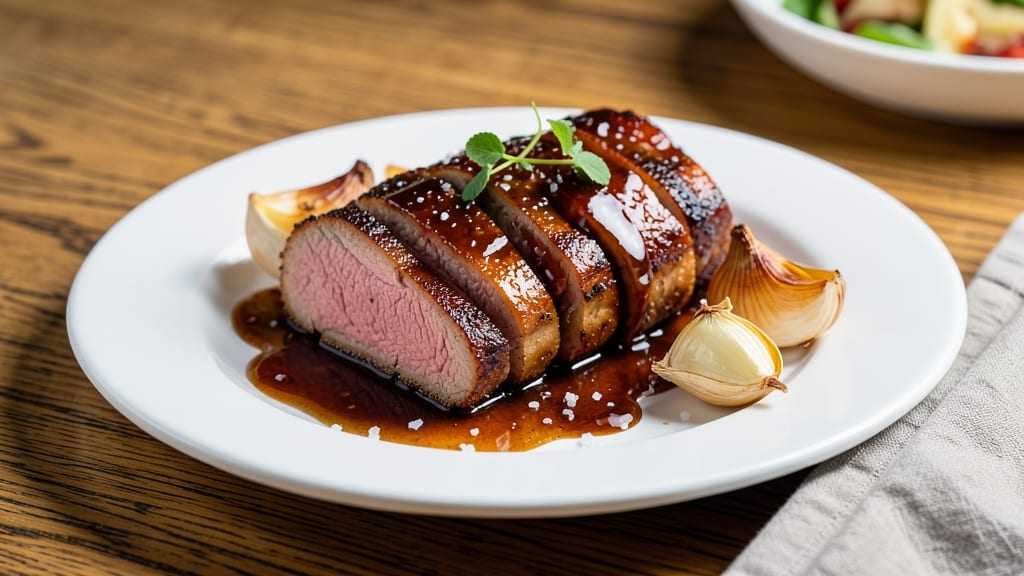
This bourbon glazed pork tenderloin recipe delivers restaurant-quality results with a caramelized glaze that balances sweetness and smoky depth. 🔥 As someone who's cooked 2,000 pounds of pork weekly, I can tell you the secret lies in proper searing and slow reduction of the glaze—transforming simple ingredients into something extraordinary.
The tenderloin stays juicy while the glaze develops rich, complex flavors that'll have your guests asking for seconds.
What makes this recipe stand out is the marriage of bourbon's warmth with brown sugar's caramelization, creating a glaze that's both sweet and sophisticated. We start with a simple marinade to tenderize the meat, then sear it to lock in juices before finishing with the glaze.
The result? A perfectly tender pork tenderloin with a glossy, crackling surface that's impossible to resist.
By the time you serve this dish, you'll have a centerpiece that's worthy of any special occasion—juicy, flavorful pork with a glaze that's rich enough to drizzle over everything. The technique is straightforward but delivers professional results, making it perfect for both weeknight dinners and holiday feasts.
Pair it with roasted vegetables or mashed potatoes for a complete meal.
This recipe builds on techniques I've perfected over years of cooking pork in professional kitchens and at home. The key is patience—letting the glaze reduce slowly to develop maximum flavor.
Trust me, the wait is worth it when you get that perfect balance of tender meat and caramelized glaze. Let's get cooking!
Ingredients for bourbon glazed pork tenderloin
Restaurant-quality pork tenderloin starts with these 12 ingredients—simple but powerful for bold flavors.
| Ingredient | Amount | Notes |
|---|---|---|
| Pork Tenderloin 🍖 | 1 ½ lb | Center-cut, trimmed of fat |
| Bourbon 🥃 | ½ cup | 80-proof or higher for depth |
| Dark Brown Sugar 🍯 | ½ cup | Packed, not lightly spooned |
| Apple Cider Vinegar 🍎 | ¼ cup | For tangy balance |
| Worcestershire Sauce 🍶 | 1 tbsp | Anchovy-free version preferred |
| Fresh Garlic Cloves 🧄 | 4 cloves | Minced for marinade |
| Olive Oil 🫒 | 2 tbsp | Extra-virgin for searing |
| Salt 🧂 | 1 ½ tsp | Diamond Crystal preferred |
| Black Peppercorns 🌶️ | ½ tsp | Freshly cracked |
| Fresh Rosemary 🌿 | ¼ cup | Chopped, stems removed |
| Unsalted Butter 🧈 | 2 tbsp | For basting |
| Honey 🍯 | 1 tbsp | Wildflower preferred |
The pork tenderloin needs to be center-cut—ask your butcher for the straightest cut possible. Costco or Whole Foods carry excellent quality, but any reputable grocery store will do. Look for tenderloins with even thickness—this ensures even cooking. Bourbon is non-negotiable here; Maker's Mark or Buffalo Trace add depth that cheap whiskey can't match. For the brown sugar, Domino or C&H brands are consistent, but any dark variety works. Fresh rosemary should smell piney and vibrant—if it's wilted or smells musty, skip it. The garlic? Freshly minced makes all the difference over pre-minced jars.
No bourbon? Substitute with apple juice plus 1 tsp vanilla extract—it's not identical, but close. Running out of Worcestershire? Soy sauce plus a pinch of sugar mimics the umami. Prefer less sweetness? Reduce the brown sugar to 0.375 cup and add 0.125 cup molasses for depth. The olive oil matters for searing—California avocado oil has a higher smoke point if you're worried about burning. For the honey, agave nectar works in a pinch, though it lacks floral notes. The butter should be cold when basting—take it out 20 minutes before cooking so it softens just enough to glaze without melting completely.
Marinate the pork for at least 4 hours—overnight is ideal. Store marinade leftovers in a sealed container for up to 3 days in the fridge. The cooked tenderloin reheats beautifully—350°F for 10-15 minutes with a splash of bourbon keeps it moist. For make-ahead convenience, cook the pork, cool it completely, then refrigerate for up to 3 days. The glaze keeps for 1 week in the fridge if stored in an airtight container—perfect for drizzling over roasted veggies or mashed potatoes later.
Why You'll Love This Recipe
- One-Pan Magic: That’s right—just one pan, minimal cleanup. The pork sears right alongside the glaze, and the bourbon smell alone makes the kitchen feel like a cozy Sunday brunch. I swear, I’ve made this while scrolling through my phone.
- Sweet-Savory Balance: The dark brown sugar caramelizes into a sticky, glossy glaze while the apple cider vinegar cuts through the richness—like a hug from your favorite chef. That Worcestershire kick? It turns "good" into "I’ll make this again tomorrow."
- Weeknight to Dinner Party: Same recipe, different vibes. Toss it on the table for a lazy Tuesday with roasted potatoes, or serve it sliced on a platter for guests who’ll think you slaved all day. (Between us, it’s still just 30 minutes.)
- Leftovers That Don’t Suck: This isn’t one of those dishes where reheating ruins it. Slice the pork thin, pack it in containers, and it’s still tender and flavorful—perfect for lunchboxes or a quick sandwich. Honestly, I’ve eaten it cold from the fridge and still craved more.
Step-by-step instructions for bourbon glazed pork tenderloin
Here's how to transform simple ingredients into melt-in-your-mouth pork with a caramelized bourbon glaze.
🔥 Step 1: Sear the Pork for Maximum Flavor
Heat a heavy skillet over medium-high heat until it's screaming hot. Add the 2 tablespoons olive oil and swirl to coat. Pat the 1.5 lb pork tenderloin dry with paper towels—this ensures a perfect sear.
Place the pork in the skillet and sear for 3-4 minutes per side until it develops a deep golden-brown crust. You'll know it's ready when it releases easily from the pan. The key here is patience—don't rush the searing or you'll end up with gray, dry meat instead of that beautiful caramelized exterior we're after.
👨🍳 Step 2: Build the Flavor-Packed Marinade
While the pork rests, transfer it to a plate and tent loosely with foil. In the same skillet (no need to wipe it clean—those browned bits are pure flavor), reduce heat to medium and add the 4 cloves minced fresh garlic cloves. Sauté for 30 seconds until fragrant—don't let it brown or it'll turn bitter.
Deglaze the pan with the 0.5 cup bourbon, scraping up all those delicious browned bits from the bottom. Let it simmer for 2-3 minutes until reduced by half. Then add the 0.5 cup dark brown sugar, 0.25 cup apple cider vinegar, 1 tablespoon Worcestershire sauce, 1.5 teaspoons salt, and 0.5 teaspoon black peppercorns. Stir until the sugar dissolves completely—this mixture will become your luscious glaze.
🥘 Step 3: Simmer the Glaze to Perfection
Return the pork to the skillet, spooning the marinade over it completely. Bring to a gentle simmer, then reduce heat to low and cover partially. Let it cook for 15-20 minutes, turning occasionally, until the pork reaches an internal temperature of 145°F.
Here's where the magic happens: the glaze will thicken and caramelize. If it starts to stick, add 1-2 tablespoons water to keep it moving. The pork should be fork-tender but still juicy—overcooking will turn it dry. The glaze should coat the back of a spoon with a glossy, syrupy consistency.
⏰ Step 4: Finish with Butter and Rosemary
Transfer the pork to a cutting board and tent with foil. Let it rest for 5-10 minutes—this crucial step allows the juices to redistribute. While it rests, return the skillet to medium heat and add the 2 tablespoons unsalted butter and 0.25 cup chopped fresh rosemary.
Swirl the butter and rosemary in the pan for 1 minute until fragrant and slightly nutty. Then add the 1 tablespoon honey and stir until melted. Pour this aromatic butter mixture over the rested pork, basting it generously on all sides. The butter will add richness while the rosemary infuses the final flavor.
🍽️ Step 5: Slice and Serve with Confidence
Slice the pork into ½-inch thick medallions against the grain for maximum tenderness. Arrange on a warm platter and spoon any remaining glaze from the skillet over the top. The contrast of the caramelized glaze with the tender pork is what makes this dish truly special.
Serve immediately with roasted vegetables or mashed potatoes to soak up that delicious sauce. Each bite should deliver perfectly tender pork with a balance of sweet, smoky, and tangy flavors from the bourbon glaze. The rosemary butter finish adds an aromatic touch that elevates everything.
Pro Tips For Making Bourbon Glazed Pork Tenderloin
- SEAR FIRST, THEN BASTE: Start with a screaming-hot skillet—cast iron works best—and sear the pork tenderloin for 3-4 minutes per side until deep golden brown. That crust locks in flavor and keeps the glaze from turning into a sad, thin sauce. (Yes, even if you’re impatient like me, resist the urge to rush this.)
- USE ACTUAL BOURBON, NOT SUBSTITUTES: Cheap whiskey or vanilla extract won’t cut it here. The real deal—even a modest bottle of bourbon—adds depth the imitation can’t match. Reduce it with the sugar first until it’s syrupy; that’s where the magic happens. (I learned this the hard way after serving a dish that tasted like it was missing something.)
- DON’T SKIP THE VINEGAR REDUCTION: Simmer the apple cider vinegar into the glaze until it’s almost gone—just a whisper of tang remains. This balances the sweetness and cuts through the richness of the pork. (Sounds weird, but it works: the glaze won’t be cloyingly sweet, and the pork stays tender.)
- REST THE PORK UNDER FOIL: Once the pork hits 145°F, transfer it to a plate, tent loosely with foil, and let it sit for 5-10 minutes. This keeps it from drying out while the juices redistribute. (Skipping this step is how you end up with a fork-tender, sad slab of meat—no one wants that.)
Best sauces and condiments for bourbon glazed pork tenderloin
Classic Bourbon Glaze
This core glaze is where the magic happens—½ cup bourbon, ½ cup dark brown sugar, and ¼ cup apple cider vinegar create a perfect balance of sweet, smoky, and tangy flavors.
I always use 80-proof bourbon or higher like Maker's Mark because the higher alcohol content caramelizes beautifully. Simmer the glaze until it thickens to a syrupy consistency, then reduce by ⅓ for maximum depth of flavor. 🔥
Spicy Bourbon Glaze
For heat lovers, add 1 tbsp hot sauce (like Cholula) and ½ tsp cayenne pepper to the glaze base. I also toss in 1 tbsp chopped fresh jalapeños while simmering for extra smoky heat.
This version pairs beautifully with cornbread or creamy mac and cheese to balance the spice. The cayenne gives a slow-building warmth that complements the pork's richness.
Honey-Mustard Glaze
Swap out half the bourbon for ¼ cup Dijon mustard and add 1 tbsp honey for a tangy-sweet twist. This glaze works surprisingly well with the pork's natural flavors while adding a sophisticated depth.
I like to finish it with a splash of lemon juice just before serving to brighten the flavors. It's perfect for those who prefer less sweetness but still want a glossy, flavorful glaze.
Brown Sugar Bourbon Sauce
For a thicker, more sauce-like finish, reduce the glaze until it reaches a 325°F candy thermometer reading. This creates a rich, spreadable sauce that's ideal for drizzling over the pork or serving on the side.
I often use this version for holiday meals where I want to make extra sauce to accompany multiple dishes. The concentrated sweetness pairs especially well with roasted Brussels sprouts or mashed sweet potatoes.
Bourbon-Apple Glaze
Add ½ cup unsweetened applesauce to the glaze mixture for a fruity depth that complements the bourbon beautifully. I also include ½ tsp cinnamon and ¼ tsp nutmeg for warmth.
This version has a slightly lighter texture but still delivers that signature caramelized flavor. It's a fantastic option for fall gatherings where you want to incorporate seasonal produce. 🍎
Caramelized Onion Glaze
For an extra layer of complexity, caramelize 1 cup thinly sliced yellow onions in butter until deep golden brown, then incorporate them into the glaze. This adds a sweet, jammy texture that pairs perfectly with the pork's tenderness.
I recommend using Vidalia onions for their natural sweetness. The onions caramelize beautifully with the bourbon, creating a glaze that's rich and multi-dimensional.
Nutrition facts
Frequently asked questions
Can I use a different cut of pork instead of tenderloin?
While tenderloin is ideal for this recipe, you can substitute with bone-in pork loin chops or pork sirloin. For chops, increase cooking time by 5-7 minutes per side to ensure full doneness. Avoid lean cuts like pork tenderloin's shoulder—these need longer marinating (6-8 hours) and slower cooking to prevent dryness. The glaze will still work beautifully, but adjust cooking times based on cut thickness.
How do I prevent the pork from drying out?
Three key tricks: Don't overcook—pork tenderloin is done at 145°F internal temp, never higher. Rest the meat for 5-10 minutes after cooking to redistribute juices. And keep the glaze moving—if it starts sticking, add 1-2 tbsp water to prevent burning. The butter finish adds moisture too, so don't skip that step!
Can I make this recipe ahead of time?
Cook the pork completely, then cool it in the glaze. Store in an airtight container in the fridge for up to 3 days. Reheat gently at 350°F for 10-15 minutes with a splash of bourbon to refresh the flavors. The glaze keeps well too—store separately and reheat with 1 tbsp water to loosen before serving. Perfect for meal prep!
What's the best way to serve leftovers?
Slice the pork into ½-inch medallions and store with the glaze. For sandwiches, pile on toasted brioche with arugula and caramelized onions. Or shred for tacos with pickled red onions and avocado crema. The glaze makes great toast toppings too—brush on sourdough and broil for 2 minutes until bubbly. Pro tip: Add a pinch of smoked paprika to reheated glaze for extra depth.
Why does my glaze turn out too thin?
Most likely, you didn't reduce it enough. Simmer uncovered until it coats the back of a spoon with a syrupy consistency—this can take 10-15 minutes. If it's still thin, return to heat and reduce further, stirring occasionally. For extra thickness, add 1 tsp cornstarch mixed with 1 tbsp water, then simmer until clear. The sugar needs time to caramelize properly!