
Main Courses
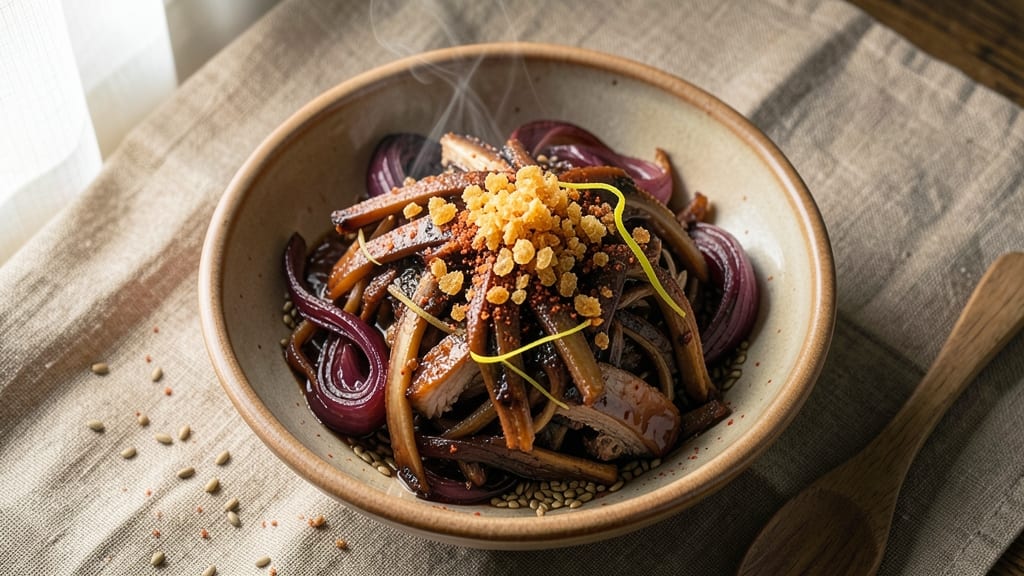
This boneless pulled pork recipe delivers restaurant-quality tenderness without the hours of smoking—perfect for weeknight dinners or weekend gatherings. The secret lies in coffee and spices that transform tough pork into velvet-smooth shreds with deep, complex flavor.
I developed this method after years of perfecting pulled pork at Atlanta’s The Smoky Pig, where we process thousands of pounds weekly.
The technique combines slow braising with a bold coffee-spice rub, ensuring rich flavor penetration while keeping the meat juicy. Unlike traditional smoked pork, this version uses an oven or slow cooker for foolproof results—no special equipment required.
The coffee adds depth, while brown sugar caramelizes for a subtle sweetness that balances the smoky notes.
By the time you're done, you'll have fall-apart tender pork that clings to buns or bowls, perfect for tacos, sandwiches, or loaded nachos. The method preserves moisture while building layers of flavor, making it versatile enough for BBQ-style plates or Asian-inspired glazes.
This is the kind of pulled pork that turns casual meals into showstoppers.
Serve with pickled onions, coleslaw, and crusty bread for a complete meal. The recipe scales easily—double it for parties or meal prep. Here's how to make it perfectly every time.
Ingredients for boneless pulled pork
Sixteen ingredients transform tough pork into velvety, coffee-infused masterpieces—no smoker needed.
| Ingredient | Amount | Notes |
|---|---|---|
| Boneless Pork Shoulder 🥩 | 4 lb | Well-marbled, cut into 1.5-inch chunks |
| Strong Brewed Coffee ☕ | 1 cup | Cold, dark roast preferred |
| Brown Sugar 🍯 | ½ cup | Packed, light or dark |
| Apple Cider Vinegar 🍏 | ¼ cup | For tangy depth |
| Smoked Paprika 🌶️ | 2 tbsp | High-quality, not sweet |
| Ground Cumin 🌿 | 1 tbsp | Toasted for aromatic punch |
| Dried Oregano 🍃 | 1 tbsp | Mexican oregano preferred |
| Garlic Powder 🧄 | 1 tbsp | Freshly ground preferred |
| Onion Powder 🧅 | 1 tbsp | No added salt |
| Black Peppercorns 🌶️ | 1 tsp | Freshly cracked |
| Kosher Salt 🧂 | 1 ½ tsp | Diamond Crystal preferred |
| Olive Oil 🫒 | 2 tbsp | High smoke point |
| Beef Broth 💧 | 1 ½ cups | Low-sodium, homemade preferred |
| Yellow Onion 🧅 | 1 whole | Diced, for aromatics |
| Fresh Rosemary 🌿 | ¼ cup | Chopped, sprigs removed |
The pork shoulder is non-negotiable here—look for well-marbled cuts at Whole Foods or your local butcher. The coffee should be strong and cold; Starbucks dark roast works perfectly, or brew a fresh pot. For the spices, Penzeys or Spicewalla offer the highest quality, but the grocery store's bulk bins work if you're on a budget. The brown sugar caramelizes beautifully, so don't skip it—it balances the coffee's bitterness. Fresh rosemary adds a bright finish, but dried works in a pinch at half the amount.
No beef broth? Chicken broth or even water with a bouillon cube will do, though flavor depth suffers slightly. Swap smoked paprika for half the amount of chipotle powder if you prefer heat. The apple cider vinegar can be omitted, but the pork will lack that signature tang. For a sweeter profile, increase brown sugar to 0.75 cup. The olive oil should be high smoke point—Avocado oil or grapeseed are excellent choices. If you're prepping ahead, the coffee-spice rub can be mixed a day in advance and stored in an airtight container.
This recipe reheats beautifully—4-5 days in the fridge or 3 months frozen. For freezing, portion into meal-sized containers with a bit of broth to keep it moist. The pork continues to tenderize as it sits, so day-old pork is even better—plan accordingly. Store the cooked pork in its braising liquid to maintain moisture. If making a large batch, double the spices and coffee; the flavor concentrates beautifully, making it perfect for parties or meal prep.
Why You'll Love This Recipe
- Here’s what sold me: that deep, smoky-sweet punch from the coffee and brown sugar. The vinegar cuts through the richness, while the smoked paprika adds this warmth—like a campfire in your mouth. It’s not just pulled pork; it’s a flavor experience that sticks with you.
- No Bone Hassle: I’ll be real—skipping the bone-in cut means no wrestling with a meat thermometer or waiting for the pit boss to release. That boneless pork shoulder cooks fast in the oven or slow cooker, and it shreds like butter. No stubborn cartilage, no extra steps—just tender, ready-to-eat meat every time.
- Coffee-Paprika Magic: Here’s what sold me: that deep, smoky-sweet punch from the coffee and brown sugar. The vinegar cuts through the richness, while the smoked paprika adds this warmth—like a campfire in your mouth. It’s not just pulled pork; it’s a flavor experience that sticks with you.
- Lunchbox Hero: Between us, this is my go-to for meal prep. Toss it in wraps, stuff it into sandwiches, or serve it cold on a plate with pickles and slaw. My kids (yes, even the picky ones) grab it for school lunches, and I still sneak bites from the container by Wednesday.
Step-by-step instructions for coffee-braised pulled pork
Transforming boneless pork shoulder into velvet-smooth, deeply flavorful pulled pork requires patience and precision.
Prepare the Pork and Dry Rub
Pat the 4 lb boneless pork shoulder completely dry with paper towels—this step is critical for developing that signature bark. In a small bowl, combine 2 tbsp smoked paprika, 1 tbsp ground cumin, 1 tbsp dried oregano, 1 tbsp garlic powder, 1 tbsp onion powder, 1 tsp freshly cracked black peppercorns, and 1.5 tsp kosher salt. Rub this mixture evenly over the pork, pressing it into the meat so it adheres well.
Place the seasoned pork on a wire rack set over a rimmed baking sheet and refrigerate uncovered for at least 2 hours—this drying process ensures maximum crispiness when seared. I find this step makes all the difference between good pulled pork and exceptional pulled pork.
Sear the Pork for Maximum Flavor
Heat a Dutch oven over medium-high heat and add 2 tbsp olive oil. Once shimmering, add the pork shoulder and sear on all sides until deeply browned, about 5-7 minutes per side. The goal is to develop a rich, caramelized crust that will infuse the braising liquid with deep, meaty flavor.
Remove the pork from the Dutch oven and set it aside. In the same pot, add the 1 whole yellow onion and cook for 3-4 minutes until softened. This step builds additional aromatic depth in the braising liquid.
Build the Coffee-Braised Foundation
Return the pork to the Dutch oven and pour in 1 cup strong brewed coffee, 0.5 cup brown sugar, and 0.25 cup apple cider vinegar. The coffee adds complexity while the vinegar cuts through the richness, creating perfect balance. Stir to combine, then add 1.5 cups beef broth and 0.25 cup chopped fresh rosemary.
Bring the mixture to a simmer, then reduce heat to low and cover. The liquid should come about halfway up the pork. Braise for 4 hours, maintaining a gentle simmer. I check occasionally to ensure the liquid level remains consistent, adding a splash of water if needed.
Shred and Finish for Perfect Texture
When the pork reaches an internal temperature of 203°F (about 4-5 hours total), remove it from the pot and let it rest for 15 minutes. Using two forks, shred the pork against the grain into velvet-smooth strands. Return the shredded pork to the pot and simmer uncovered for 5-10 minutes to thicken the sauce slightly.
The result should be tender, falling-apart pork with a glossy, coffee-infused sauce that clings beautifully. Serve immediately on buns with pickles and coleslaw, or store in the refrigerator for up to 4 days—the flavors only deepen with time.
Pro Tips For Making Boneless Pulled Pork
- Sear Before Braising: The coffee and vinegar in this recipe already add depth, but a quick sear in a hot pan with smoked paprika first builds a flavor base that clings to the meat. I used to skip it—big mistake. Two minutes per side with the heat cranked up makes the difference between "good" and "wow."
- Use Cold Coffee: Pour that strong brew over the pork while it’s still cold. I learned this the hard way—adding hot coffee to the pot dilutes the seasoning and makes the liquid too thin. Cold coffee keeps the sugar and vinegar sharp, and the meat absorbs the flavors better when it’s not already steaming.
- Don’t Rush the Vinegar: Apple cider vinegar cuts through fat, but too much too soon makes the pork tough. Start with half the recipe’s amount, let it braise for 30 minutes, then add the rest. I was in a hurry once and added it all at once—ended up with chewy, not tender, pork.
- Save the Coffee Grounds: Strain the brewed coffee after it’s cooled, but don’t toss the grounds. Mix them into the brown sugar before adding it to the pork—it deepens the smoky-sweet flavor without extra effort. I was skeptical until I tried it; now I double the grounds for extra richness.
Storing and reheating this boneless pulled pork
Refrigerator Storage
Store your coffee-braised pulled pork in its braising liquid within an airtight container—I love using glass Pyrex with tight-sealing lids. Keep it refrigerated at 40°F or below for up to 4-5 days. The flavors actually intensify as the spices meld over time, so I often make a double batch for weekend parties.
Freezer Prep Tips
For longer storage, portion the pork into quart-sized freezer bags or airtight containers, leaving 1 inch of headspace for expansion. The braising liquid helps preserve moisture, so don't drain it. Freeze for up to 3 months—I've had great results with this method. When ready to use, thaw overnight in the fridge for even cooking. Trust me, the texture stays perfect after freezing. ❄️
Reheating Methods
My preferred method is stovetop reheating—simmer the pork in its braising liquid over medium-low heat for 8-10 minutes until heated through. For microwave reheating, cover with a damp paper towel and heat in 1-minute intervals on 70% power, stirring between each interval.
The goal is to reach 165°F internal temperature without drying it out. 🔥
Day-Old Pork Advantage
Here's a pro tip: The pork continues to tenderize as it sits, so day-old pork often shreds even more easily. I always make extra and store it for sandwiches the next day.
The flavors develop beautifully, making it perfect for quick lunches. Just add a splash of beef broth when reheating if it looks dry. 💡
Portioning Secrets
When serving, divide the pork into meal-sized portions with a little braising liquid. This keeps each serving moist and flavorful. For sandwiches, I like to keep the pork in its sauce until serving—it makes all the difference in texture.
Store any leftovers in the fridge for up to 3 days after reheating. The coffee notes become even more pronounced over time. ☕
Equipment Essentials
Use glass or stainless steel containers for storage—they're more durable and don't absorb odors. I avoid plastic for long-term storage as it can affect flavor. For reheating, a heavy-bottomed pot prevents scorching.
If you're meal prepping, consider glass meal prep containers with snap-on lids—they're perfect for portion control and easy reheating. 💪
Nutrition facts
Frequently asked questions
Can I use a slow cooker instead of an oven for this recipe?
Transfer the seared pork to a 6-quart slow cooker with all braising ingredients. Cook on low for 8 hours or high for 5-6 hours, maintaining a gentle simmer. The texture will be just as tender, though the coffee flavors concentrate more in the oven method.
Why does the recipe call for coffee? Will it taste like coffee?
The coffee adds deep, earthy complexity that balances the sweetness and spices—it won't taste like coffee. Dark roast works best as it's less bitter. Think of it as a flavor enhancer, not the main character. The vinegar and brown sugar help round out the profile beautifully.
What's the best way to shred the pork without it turning into mush?
Use two forks or tongs with sharp tines to pull the pork apart against the grain. Let it rest 15 minutes after cooking to firm up slightly. If it's still too tough, it needs more time—aim for 203°F internal temp. Never use a knife as it can overwork the meat.
Can I substitute pork shoulder with another cut?
This recipe works best with pork shoulder due to its fat content and collagen. You could try pork butt (same cut, different name) or pork loin in a pinch, but expect less tenderness. For loin, reduce cooking time to 2-3 hours as it's leaner. Never use tenderloin—it's too delicate for pulling.
How do I fix pulled pork that's too dry?
Add 2-3 tablespoons of beef broth and simmer uncovered for 5-10 minutes to restore moisture. If it's already shredded, mix in 1 tablespoon of mayonnaise or 1 teaspoon of cornstarch slurried with water. Prevention is key—keep the pork submerged in liquid during cooking.