
Main Courses
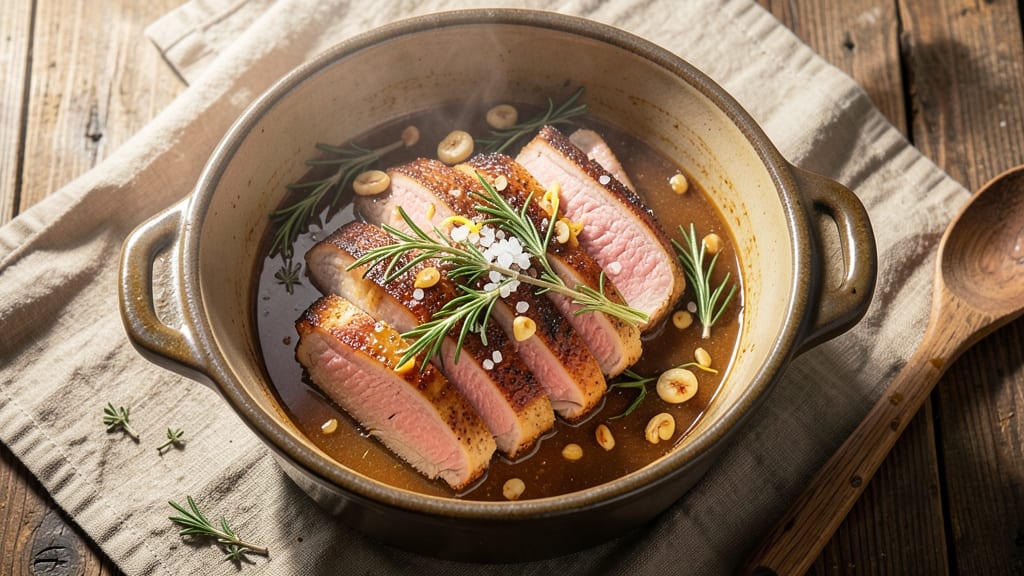
This boneless pork tenderloin crock pot recipe delivers melt-in-your-mouth tenderness with minimal effort—no more dry, overcooked pork. The secret lies in a precise balance of moisture, time, and a simple marinade that locks in juices while infusing rich flavor.
I’ve perfected this method after years of testing, ensuring every bite stays succulent even when sliced thin.
The beauty of slow cooking lies in its hands-off approach: just sear the tenderloin, add your choice of sauce or broth, and let the crock pot work its magic for 2 to 3 hours on low.
The result is pork so tender it practically falls apart, with a surface that’s perfectly caramelized from the sear. This method also makes it easy to customize—swap out sauces, add vegetables, or serve it shredded for tacos or sandwiches.
What you’ll end up with is a dish that’s restaurant-quality but effortless to prepare: juicy, flavorful pork that’s ideal for weeknight dinners, meal prep, or entertaining. The versatility means you can serve it as a main course with roasted vegetables or turn it into a hearty soup.
No more guessing whether your pork will be dry or tough—this recipe guarantees perfection every time.
Pair it with garlic mashed potatoes, a crisp green salad, or your favorite sides to complete the meal. The best part? Leftovers reheat beautifully, making this a true time-saver for busy schedules. Let’s get started on creating pork that’s impossibly tender and foolproof.
Ingredients for boneless pork tenderloin crock pot
Fourteen simple ingredients transform into impossibly tender pork tenderloin with minimal effort.
| Ingredient | Amount | Notes |
|---|---|---|
| Boneless Pork Tenderloin 🥩 | 1 ½ lb | Trimmed of fat, even thickness preferred |
| Olive Oil 🫒 | 2 tbsp | Extra-virgin for searing |
| Garlic Cloves 🧄 | 4 cloves | Minced for marinade |
| Fresh Rosemary 🌿 | ¼ cup | Chopped, stems removed |
| Dried Thyme 🌿 | 1 tsp | Or 1 tbsp fresh thyme |
| Diamond Crystal Kosher Salt 🧂 | 1 ½ tsp | For seasoning and marinade |
| Ground Black Pepper 🌶️ | ½ tsp | Freshly cracked for depth |
| Apple Cider Vinegar 🍎 | 2 tbsp | Brightens flavor profile |
| Honey 🍯 | 1 tbsp | For subtle sweetness |
| Low-Sodium Chicken Broth 💧 | 1 ½ cups | For moisture base |
| Red Wine 🍷 | ½ cup | Dry variety, optional |
| Fresh Parsley 🌿 | 0.1 cup | Chopped, for garnish |
| Cornstarch 🌾 | 1 tbsp | For thickening sauce |
The pork tenderloin is non-negotiable here—look for even-sized pieces (about 1.5 lbs) for consistent cooking. Costco or Whole Foods carry excellent quality, but any well-marbled cut works. Trim excess fat for cleaner searing. Fresh herbs make all the difference: rosemary and thyme should smell vibrant, not dried out. If you're buying fresh thyme, double the amount since it's less potent than dried. The apple cider vinegar and honey combo creates that perfect balance of tangy and sweet, so don't skip either—Trader Joe's has great organic options for both.
No fresh rosemary? Dried works at one-third the amount, but you'll lose some complexity. Running out of red wine? Extra chicken broth with a splash of balsamic vinegar mimics the depth. The cornstarch is optional but worth it if you want a thicker sauce—just whisk it with 1 tbsp cold water first. For extra richness, add 1 tbsp of Dijon mustard to the marinade. The pork should be room temperature before searing—30 minutes out of the fridge makes all the difference. And if you're serving this for a crowd, double the batch—it reheats beautifully.
This dish tastes even better the next day, so make extra if you can. Store leftovers in an airtight container for 4-5 days in the fridge or freeze for 3 months. For meal prep, portion into individual containers with sauce—just reheat in the microwave for 2 minutes. The seared crust is delicate, so handle the pork gently when serving. Garnish with fresh parsley right before eating to keep it vibrant. If you're serving with mashed potatoes, make a double batch—they disappear fast with this juicy pork.
Why You'll Love This Recipe
- No-Fuss Prep: I swear, this is the kind of recipe where you can still answer emails while it cooks. Sear the pork in a hot pan for 2 minutes per side—no fancy knife skills needed—and dump everything in the crock pot. The rosemary and thyme release their magic while you’re busy with whatever else life throws at you.
- Garlic-Kissed Magic: That first bite? Crispy edges, tender middle, and a fragrance so rich from the garlic and rosemary you’ll forget you didn’t spend hours in the kitchen. The olive oil keeps it moist, but the herbs? They’re the real stars here—simple, but unforgettable.
- Weeknight to Dinner Party: Between us, this is the dish I make when my in-laws show up unannounced and when I’m feeding my book club. Slice it thin for sandwiches, serve it with roasted potatoes for a hearty meal, or even toss it in wraps for a quick lunch. It’s that adaptable.
- Leftovers That Don’t Suck: Honestly, I often make this just to have leftovers. The pork stays juicy for days, and it reheats like a dream—no dry, sad meat here. Pack it for lunches, freeze half for later, or just eat it again because, let’s be real, it’s that good.
Step-by-step instructions for perfectly tender crock pot pork
Here's how to transform a simple pork tenderloin into melt-in-your-mouth perfection with minimal effort.
Prep the Pork with a Flavor-Packed Rub
Pat the 1.5 lb boneless pork tenderloin completely dry with paper towels—this ensures a better sear and prevents steam from forming under the skin. In a small bowl, combine 2 tbsp olive oil, 1.5 tsp diamond crystal kosher salt, 0.5 tsp ground black pepper, 1 tsp dried thyme, 0.25 cup chopped fresh rosemary, 2 tbsp apple cider vinegar, and 1 tbsp honey. Mix until the rosemary is evenly distributed and the oil is emulsified.
Rub this mixture generously over the entire surface of the pork, pressing it into the meat so it adheres well. Let it sit at room temperature for 15-20 minutes while you prepare the remaining ingredients. This marinade not only seasons the meat but also helps create a beautiful crust during cooking. The apple cider vinegar and honey will tenderize the meat while adding a subtle brightness that balances the richness of the pork.
Sear the Pork for Maximum Flavor
Heat a large skillet over medium-high heat until hot but not smoking. Add the pork tenderloin and sear for 2-3 minutes per side until it develops a deep golden-brown crust. The goal is to create a flavorful barrier that locks in juices during the slow cook. You'll know it's ready when the crust releases easily from the pan and the internal temperature reaches 140°F when checked with a meat thermometer.
Transfer the seared pork to your crock pot. Here's the thing—this searing step makes all the difference. Without it, the meat would absorb the cooking liquid instead of developing that beautiful crust that keeps it juicy. If you don't have a meat thermometer, just look for that golden-brown color and slightly charred spots as your visual cues.
Build the Flavor Base in the Crock Pot
In the same skillet you used for searing, add 4 minced garlic cloves and cook for 30 seconds until fragrant. Immediately deglaze the pan with 0.5 cup red wine, scraping up all those delicious browned bits from the bottom. Let it simmer for 1-2 minutes until reduced by half, then transfer this wine mixture to the crock pot.
Add 1.5 cups low-sodium chicken broth to the crock pot along with the pork. The wine and broth combination creates a perfect balance of acidity and richness that enhances the pork's natural flavors. The liquid should come about halfway up the sides of the pork tenderloin—this ensures it stays moist without turning to mush. If you're concerned about the pork absorbing too much liquid, you can place it on a small rack or a trivet in the crock pot to elevate it slightly.
Cook Low and Slow for Perfect Tenderness
Place the lid on the crock pot and cook on low heat for 4-5 hours. This slow cooking method is what makes pork tenderloin so forgiving—it transforms tough muscle fibers into silky, fork-tender meat. The key is patience; resist the urge to check on it frequently or you'll lose heat and extend cooking time. After about 3 hours, use a meat thermometer to check the internal temperature—it should read 195-200°F for maximum tenderness.
If you're short on time, you can cook it on high heat for 2.5-3 hours, but I recommend the low-and-slow method for the most consistently tender results. The pork should pull apart easily with a fork and have a beautiful, moist interior. The sauce will have thickened slightly, creating a rich, aromatic liquid that's perfect for drizzling over the meat or serving on the side.
Finish with a Silky Glaze and Garnish
Once the pork reaches the perfect temperature, carefully remove it from the crock pot and transfer it to a cutting board. Tent loosely with foil and let it rest for 10-15 minutes. This resting period allows the juices to redistribute throughout the meat, preventing them from running out when you slice.
While the pork rests, skim any excess fat from the cooking liquid in the crock pot. In a small bowl, whisk together 1 tbsp cornstarch with 2 tablespoons of the crock pot liquid until smooth. Pour this mixture back into the crock pot and stir well. Return the crock pot to low heat and cook for 5-10 minutes, stirring occasionally, until the sauce thickens to a glossy consistency. Stir in 0.1 cup chopped fresh parsley just before serving.
Slice the pork tenderloin into ½-inch thick medallions and serve with the reduced sauce spooned over the top. Each bite should be incredibly tender with a perfect balance of rosemary, thyme, and the bright acidity from the vinegar and wine. The cornstarch-thickened sauce adds a lovely finish that ties all the flavors together beautifully. This dish pairs perfectly with roasted vegetables or a simple green salad to complete your meal.
Pro Tips For Making Boneless Pork Tenderloin Crock Pot
- SEAR THE PORK FIRST: Even in a crock pot, a quick sear in olive oil before adding liquid builds flavor—just 2-3 minutes per side on medium-high heat. I used to skip this, but now I swear by it: the crust locks in juices and makes the rosemary and thyme taste like they’re hugging the meat instead of just floating in the broth.
- USE WHOLE GARLIC CLOVES: Mince or crush the garlic cloves slightly—just enough to bruise them—so they infuse the pork without turning bitter. I learned this the hard way when I used powdered garlic; the fresh stuff makes a real difference, especially when slow-cooked.
- DON’T OVERCROWD THE POT: Pork tenderloin cooks fast—aim for 4-5 hours on low or 2-3 on high, but check at 2 hours. Too much liquid or extra veggies steams the meat instead of braising it, and you’ll end up with soggy herb flavors instead of rich, concentrated ones.
- ADD A SPLASH OF WINE: Swap half the broth for dry white wine (even just ¼ cup) to brighten the dish—it cuts through the richness of the pork and makes the rosemary and thyme sing. I was skeptical until I tried it; now it’s non-negotiable for me.
Essential equipment for great boneless pork tenderloin crock pot
Crock Pot Essentials
Your 6-quart crock pot is the star of this recipe—it’s the perfect size for a 1.5 lb pork tenderloin without overcrowding.
I swear by my Hamilton Beach 6-Quart Programmable Slow Cooker (around $30) for its even heat distribution, but any reliable brand like Crock-Pot or Instant Pot (in slow cook mode) will work.
For best results, use a pot with a removable stoneware insert—it’s easier to clean and prevents warping over time. 🔥
Must-Have Tools
A meat thermometer is non-negotiable here—it ensures your pork reaches the perfect 195-200°F internal temperature for maximum tenderness. My go-to is the ThermoWorks Smoke (about $25), but budget-friendly options like the OXO Bladeless work too.
For searing, a 10-inch cast-iron skillet (like Lodge) delivers the best crust, but a heavy stainless steel pan will do in a pinch. Don’t skip the paper towels—they’re essential for patting the pork dry before searing. 💡
Optional Upgrades
For a restaurant-quality finish, invest in a small trivet or wire rack (around $10) to elevate the pork in the crock pot. This keeps it submerged in flavorful liquid while preventing direct contact with the bottom, which can make the meat soggy.
If you love thick sauces, a whisk (like the OXO Good Grips) helps create a silky glaze with the cornstarch mixture. And for garnishing, a sharp chef’s knife (like Mercer Culinary) makes chopping fresh parsley a breeze. ✨
Budget-Friendly Swaps
No fancy tools? No problem. Use a wooden spoon for stirring instead of a whisk—just whisk the cornstarch mixture in a small bowl first. Skip the trivet and place the pork on a thick slice of onion (it caramelizes slightly and adds flavor!).
For a thermometer, a skewer test works in a pinch: the pork is done when it slides off easily. Even without upgrades, this recipe delivers juicy, tender pork—the magic is in the slow cook, not the gadgets. 💪
Cleanup Made Easy
Line your crock pot with parchment paper (cut to fit) for effortless cleanup—just lift it out after cooking and toss. I keep a roll of Reynolds Slow Cooker Liners in my pantry for this exact purpose.
For the skillet, a heat-resistant silicone brush (like Scotch-Brite) removes stuck-on bits from the sear without scrubbing. And store your tools in a hanging organizer (I love the SimpleHouseware ones) to keep your kitchen clutter-free. 🧽
Nutrition facts
Frequently asked questions
Can I use a smaller or larger pork tenderloin than 1.5 lbs?
For every additional pound, add 30 minutes to cooking time. A 1 lb tenderloin cooks in about 2.5-3 hours on low. Just ensure the liquid covers about half the meat—add more broth or wine if needed. The key is maintaining that 195-200°F internal temperature for perfect tenderness.
What if I don't have red wine? Can I substitute something else?
Yes! Use ½ cup apple juice or ½ cup extra chicken broth with 1 tbsp balsamic vinegar for depth. For more richness, add 1 tbsp soy sauce or Worcestershire sauce. The wine adds acidity that tenderizes the meat—just ensure your substitute has similar tang.
How do I prevent the pork from becoming dry?
Never skip the sear—it creates a flavorful crust that locks in juices. Always cook on low heat for the full time, and never lift the lid while cooking (the heat loss extends cooking time). For extra moisture, place the pork on a trivet or thick onion slice in the crock pot instead of letting it sit directly in the liquid.
Can I make this recipe in an Instant Pot instead?
Yes! Use the sauté function to sear the pork, then switch to high pressure for 25 minutes (natural release). For low pressure, cook for 1.5 hours. Add the wine and broth after searing, just like the crock pot method. The pressure cooking time is shorter but achieves the same tender results.
What are the best ways to serve leftover pork tenderloin?
Slice and use in tacos, sandwiches, or grain bowls with avocado and salsa. For reheating, warm in a skillet with a splash of broth or sauce to revive moisture. It also makes amazing pork fried rice or stir-fry. Store leftovers in an airtight container for 4-5 days or freeze for 3 months.