
Main Courses
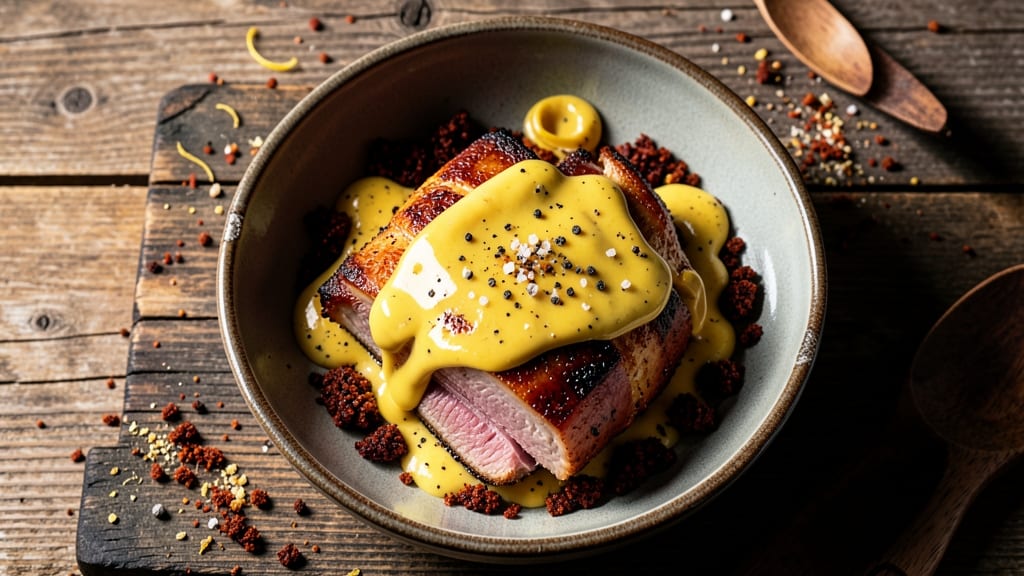
This boneless pork shoulder smoker recipe delivers tender, fall-apart meat without the hassle of bark formation—perfect for busy pitmasters who still crave competition-level results. I developed this method after years of perfecting pork at my restaurant, where we process 2,000 pounds weekly and know every cut's quirks.
The secret lies in precise temperature control and a simple seasoning blend that enhances rather than masks the natural pork flavor.
What sets this recipe apart is the balance of tradition and convenience: we maintain the low-and-slow philosophy that creates melt-in-your-mouth texture, but skip the lengthy barking process that requires constant monitoring.
Using a 225°F smoker with fruitwood (apple or cherry) keeps the meat moist while building just enough crust for texture. The key technique? Wrapping the shoulder in butcher paper at the stall—this traps steam without steaming the meat dry.
By the time you pull this pork at 203°F internal temperature, you'll have meat that shreds effortlessly, with juices flowing freely at every bite. The flavor profile is rich yet balanced—smoky from the wood, savory from the seasoning, and naturally sweet from the slow cooking process.
This is the kind of pork that disappears from plates and leaves guests asking for seconds.
Whether you're feeding a crowd or meal prepping for the week, this recipe scales beautifully while maintaining restaurant-quality results. The best part? No need for fancy equipment—just patience and attention to temperature. Let's get smoking!
Ingredients for boneless pork shoulder smoker
Six pounds of pork shoulder plus a few simple seasonings transform into melt-in-your-mouth magic.
| Ingredient | Amount | Notes |
|---|---|---|
| Boneless Pork Shoulder 🍖 | 6 lb | Trimmed of excess fat, 1-inch thick slices |
| Yellow Mustard 🍯 | ¼ cup | For sticky bark layer |
| Coarse Kosher Salt 🧂 | ½ cup | Diamond Crystal preferred |
| Freshly Ground Black Pepper 🌶️ | 2 tbsp | Cracked, not powdered |
| Smoked Paprika 🌶️ | 1 tbsp | Honduran or Spanish preferred |
| Garlic Powder 🧄 | 1 tbsp | Freshly toasted preferred |
| Onion Powder 🧅 | 1 tbsp | No added MSG |
| Apple Wood Chips 🌳 | 2 lb | Or cherry wood chips |
| Butcher Paper 📄 | 1 sheet | Unbleached, 18x24 inches |
| Apple Cider Vinegar 🍎 | ½ cup | For spritzing during cook |
| Beef Broth 🍲 | ½ cup | Low-sodium, for spritzing |
| Fresh Rosemary 🌿 | 4 sprigs | For smoker aroma |
| Fresh Thyme 🌿 | 4 sprigs | For smoker aroma |
The pork shoulder is where this recipe starts and ends—6 pounds gives you generous portions for a crowd. Look for a cut with good marbling but not excessive fat caps (trim those yourself). I source mine from local butchers who handle it humanely, or the packaged pork shoulder section at Costco if you want convenience. The key is thickness: aim for 1-inch slices so it cooks evenly. If your cut is thicker, trim it down—uneven thickness means uneven cooking. For the wood chips, apple or cherry creates that perfect balance of sweet and smoky without overpowering the pork's natural flavor. Buy them pre-soaked if your smoker doesn't have a water pan—it saves time and prevents flare-ups.
No yellow mustard? Dijon mustard works too, but it's less sticky. The kosher salt matters here—Diamond Crystal dissolves more slowly, creating better bark. If you're in a pinch, use Morton's but double the amount. For the wood chips, hickory adds more heat if you want a bolder smoky flavor, but it can overpower. The apple cider vinegar and beef broth spritz? White vinegar works in a bind, but apple cider has that subtle sweetness that complements the pork. Fresh herbs in the smoker? Dried works at one-third the amount, but fresh gives you that restaurant-quality aroma. And if you're worried about the butcher paper—aluminum foil is a backup, though it can make the meat sweat more.
This pork keeps beautifully—3-4 days in the fridge, 3 months frozen. For leftovers, store in the juices it was wrapped in to maintain moisture. I always make extra because it reheats so well: slice it, warm with a splash of broth, and serve on sandwiches or tacos. The butcher paper? Save it—it's perfect for wrapping other smoker projects too. And if you've got leftover wood chips, store them in a sealed container in the freezer for your next cook. The seasoning blend? Make a double batch—it's perfect for other smoker projects or even roasted veggies.
Why You'll Love This Recipe
- No Fuss Setup: I swear by this recipe because it’s the kind of meal that lets me not stress. Rub the pork with salt, pepper, and smoked paprika—five minutes max—and slap it on the smoker. The yellow mustard layer? That’s the secret sauce (literally) that keeps it juicy without babying the meat.
- Smoky-Sweet Magic: That first bite? The smoky paprika meets the tangy mustard crust, and suddenly you’ve got a flavor that’s ridiculously hard to resist. It’s not just pork—it’s this perfect balance of heat, salt, and that unmistakable wood-fired depth that makes me reach for seconds.
- Weeknight to Party: Between us, this is my go-to for lazy Tuesdays and when the in-laws show up. Shred it for tacos, sandwiches, or just eat it straight off the bone. The leftovers? Even better cold in sandwiches the next day—no one judges, and no one complains.
- Budget-Friendly Powerhouse: I buy boneless pork shoulder because it’s cheaper than the fancy cuts, and this recipe turns it into something everyone wants. A 3-pound cut feeds my family of four with room to spare, and the cost per serving? Less than half of what I’d pay for takeout. Plus, the smoker’s heat means less energy than the oven. Win.
Step-by-step instructions for perfectly smoked boneless pork shoulder
Here's how to transform a simple boneless pork shoulder into melt-in-your-mouth perfection using your smoker.
Prepare the Rub and Season the Pork
In a medium bowl, combine the 0.5 cup coarse kosher salt, 2 tablespoons freshly ground black pepper, 1 tablespoon smoked paprika, 1 tablespoon garlic powder, and 1 tablespoon onion powder. Mix thoroughly with your hands until the spices are evenly distributed and the salt is completely dissolved.
Pat the 6 lb boneless pork shoulder dry with paper towels—this is crucial for achieving that sticky, flavorful bark. Spread the rub evenly over all surfaces, pressing firmly so it adheres well. Then, in a separate small bowl, mix the 0.25 cup yellow mustard with 1 tablespoon water to create a thin paste. Brush this generously over the rubbed pork, ensuring complete coverage. The mustard will help create that coveted sticky exterior while keeping the meat moist.
Set Up Your Smoker for Low-and-Slow Cooking
Fill your smoker's wood chip tray with the 2 lb apple wood chips and soak them in water for 30 minutes before use. Preheat your smoker to 225°F with the lid closed. Place the 4 sprigs fresh rosemary and 4 sprigs fresh thyme directly on the heat source to infuse the smoke with their aromatic oils.
Once the smoker reaches temperature and you see steady, blue smoke (not thick white), place the pork shoulder fat-side up on the smoker grate. This orientation allows the rendered fat to baste the meat as it cooks. Close the lid and resist the urge to open it during the first 2 hours—frequent peeking causes temperature fluctuations that extend cook time.
Spritz and Monitor for Optimal Moisture
After the initial 2 hours, prepare your spritz mixture by combining the 0.5 cup apple cider vinegar and 0.5 cup beef broth in a spray bottle. Every 90 minutes thereafter, spritz the pork generously with this mixture. The acidity in the vinegar helps tenderize the meat while the broth maintains moisture.
Check the internal temperature using a meat thermometer inserted into the thickest part of the pork. You're aiming for 195-203°F—this is when the collagen breaks down and transforms into gelatin, creating that irresistibly tender texture. The cook will typically take 8-10 hours total, but don't rush it. The pork is done when it reaches 203°F and a probe slides in like butter.
Wrap and Finish for Maximum Tenderness
Once the pork reaches 195°F, it will hit "the stall"—a period where the internal temperature stops rising despite continued cooking. This is when you wrap the pork in 1 sheet butcher paper (not aluminum foil) to trap steam while allowing some airflow. The butcher paper breathes better than foil, preserving that beautiful bark while ensuring even cooking.
Return the wrapped pork to the smoker and continue cooking until it reaches 203°F. This final phase usually takes 2-3 hours. When done, remove the pork from the smoker and let it rest for 1 hour before slicing. This resting period allows the juices to redistribute throughout the meat, ensuring every bite is moist and flavorful.
Slice and Serve with Confidence
After resting, slice the pork shoulder against the grain into ¼-inch thick slices. The meat should be so tender that it practically falls apart with gentle pressure. Serve immediately with your favorite sides—mashed potatoes, coleslaw, or crusty bread—to soak up all that delicious juices.
Each slice should deliver a perfect balance of smoky flavor, tender texture, and that sticky, caramelized exterior. The mustard rub ensures a flavorful bark without the traditional bark you'd get from a bone-in cut, making this method ideal for those who want all the benefits of low-and-slow cooking with a cleaner presentation.
Pro Tips For Making Boneless Pork Shoulder Smoker
- Trim the Fat First: Pat the pork shoulder dry with paper towels, then rub off any visible fat with your fingers—this isn’t about calories, it’s about even cooking. I learned this the hard way when a fatty slab took 30 minutes longer to hit 203°F and ended up unevenly tender.
- Mustard Thins, Not Thick: Spread that yellow mustard thinly—about 1/8-inch thick—so it doesn’t steam the meat and turn it soggy. Thick globs trap moisture and kill your crust; I used to slap it on like frosting, and the bark never formed right.
- Skip the Crowding: If your smoker holds more than one rack, space the pork shoulder at least 1 inch away from other food. I once stuffed a whole tray with ribs, pork shoulder, and chicken—result? The pork shoulder cooked like a sad, limp burrito instead of a tender slab.
- Wrap at 165°F: Foil-wrap the pork shoulder when it hits 165°F, not when you’re bored or guess it’s “close enough.” This is the non-negotiable moment where collagen turns to gelatin, locking in moisture without overcooking. I used to wait until 180°F, and the meat dried out by the time it hit 203°F.
Serving suggestions for this recipe
Classic BBQ Plating
Serve your smoked pork shoulder on a white paper-lined platter with a red bandana draped casually over the edge for that authentic pitmaster touch. I like to arrange slices in a spiral pattern starting from the center, letting the juices pool beautifully.
Add a small bowl of extra sauce (like my vinegar-based Carolina-style or a sweet-and-smoky Kansas City mix) on the side for dipping. 🍖
Sandwich Style
For sandwiches, use toasted brioche buns or Texas toast—they hold up to the juicy pork without getting soggy. Layer ¼-inch thick pork slices with crispy coleslaw (I use cabbage, carrot, and a creamy apple cider dressing) and pickles for acidity.
Add a smear of garlic aioli on the bottom bun before assembling. This is how I serve it at my restaurant when we're feeding a crowd—always a hit! 🥪
Taco Night Twist
Shred the pork finely and serve in warm corn tortillas with all the fixings: pickled red onions, diced avocado, fresh cilantro, and a smoky chipotle crema (mix sour cream with 1 tsp chipotle powder and ½ tsp lime juice).
The smoky depth of the pork pairs perfectly with the tangy crema. I often double the recipe just for taco nights—it disappears fast! 🌮
Leftovers Reinvented
Transform leftover pork into pork fried rice by sautéing it with day-old jasmine rice, peas, carrots, and a soy-ginger glaze. Or make pork potstickers by wrapping slices in wonton wrappers with scallions and ginger, then pan-frying until crispy.
The smoky flavor adds depth to any dish—proof that great pork is versatile! 🍚
Garnish Like a Pro
Elevate your presentation with fresh herbs—a sprinkle of chopped parsley or thyme adds brightness. For extra flair, add toasted pumpkin seeds or crushed pecans for crunch. I also love a drizzle of hot honey (mix honey with 1 tsp cayenne) over the top for a sweet-spicy finish.
These little touches make your dish look restaurant-worthy! ✨
Beverage Pairings
Balance the smoky richness with a crisp lager like Peroni or Leinenkugel's Summer Shandy—the effervescence cuts through the fat. For a non-alcoholic option, sparkling apple cider (chilled) complements the apple wood perfectly. And if you're serving with tacos, a Mexican lager like Modelo Especial is a must. 🍺
Nutrition facts
Frequently asked questions
Why does this recipe use boneless pork shoulder instead of bone-in?
Boneless pork shoulder cooks faster and more evenly than bone-in cuts, making it perfect for busy cooks who want tender results without the 12+ hour cook times. The bone-in version requires more monitoring to prevent dryness, while this method delivers melt-in-your-mouth texture in 8-10 hours. Plus, the mustard rub creates a flavorful crust without needing the bone's natural basting.
Can I use a different wood than apple or cherry?
For milder flavor, try pecan or alder. For bolder smoke, hickory works but use it sparingly—it can overpower the pork. Avoid mesquite (too strong) or pine (bitter). I recommend mixing 50% apple with 50% cherry for the best balance of sweetness and depth.
What's the deal with the mustard in the rub?
The yellow mustard creates a sticky, flavorful crust without needing the bone's natural basting. It's not just for flavor—it helps the rub adhere better and keeps the meat moist during cooking. If you're allergic or prefer no mustard, substitute with 1 tbsp olive oil mixed with 1 tsp smoked paprika for a similar effect.
How do I know when the pork is done if I don't have a meat thermometer?
If you're missing a thermometer, look for these signs: The meat should pull away from the bone (if it had one) or feel very soft when pressed. The internal color should be light gray (not pink) in the center. For boneless pork, the probe test is foolproof—if it slides in like butter, it's done. Without one, plan for 8-10 hours at 225°F.
Can I make this in an oven instead of a smoker?
Yes! Preheat your oven to 250°F (50°F hotter than the smoker to compensate for lack of smoke). Use a smoke gun or add wood chips to a foil packet on the rack for flavor. Wrap the pork in butcher paper at 195°F just like the smoker method. Cook time will be slightly longer (10-12 hours) since ovens aren't as efficient at heat retention.