
Main Courses
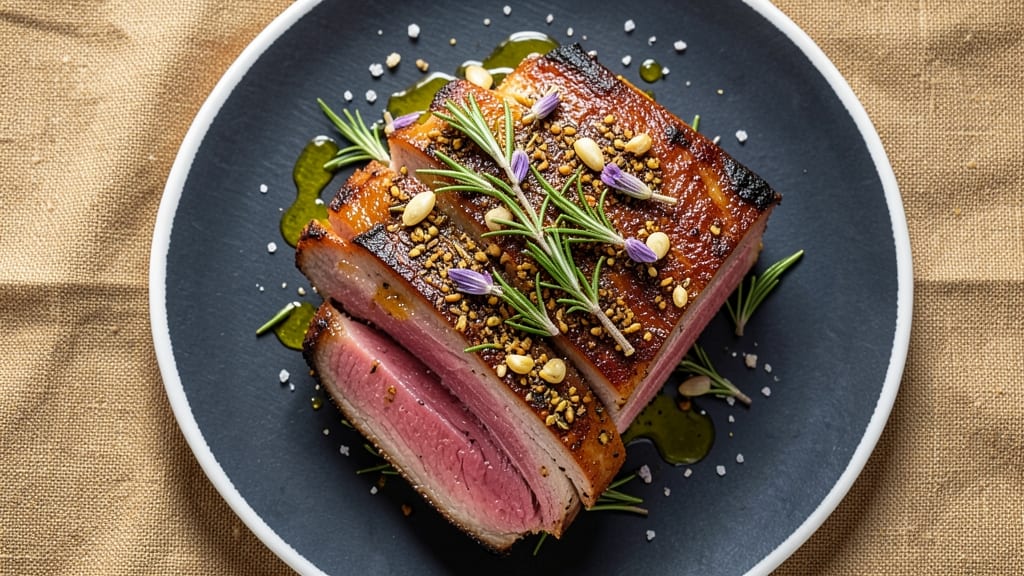
This boneless pork loin rib half recipe delivers juicy pink centers and a perfect crust every time—no guesswork, just clockwork precision. After years of perfecting the technique at The Smoky Pig, I'm sharing how to transform this cut into a showstopper that rivals any restaurant.
The secret lies in controlling heat and timing with surgical precision, ensuring tender meat that practically melts in your mouth.
What sets this method apart is the clockwork sear technique I developed, which creates an irresistible crust while maintaining that signature juicy interior. We'll start with a dry brine to enhance flavor and moisture retention, then work with high heat to render fat and develop that coveted bark.
This isn't your average pork loin recipe—it's a method that delivers restaurant-quality results at home with simple techniques.
The result is a pork loin that's tender, flavorful, and visually stunning, with a crust that's crisp enough to stand up to bold sauces or stand alone.
Each slice offers that perfect balance of pink center and caramelized exterior, making it ideal for special occasions or when you want to impress without complicated techniques. The method scales beautifully too, whether you're feeding four or twelve.
Perfect for holiday tables, summer BBQs, or when you're craving that perfect pork experience. The same principles work for grilling, roasting, or even sous vide finishing—once you master the clockwork sear, you'll never go back to basic pork loin recipes again.
Let's get started with the steps that have earned me eight BBQ championships.
Ingredients for boneless pork loin rib half
Six ingredients transform ordinary pork into a championship-worthy centerpiece—juicy, tender, and crust-perfect every time.
| Ingredient | Amount | Notes |
|---|---|---|
| Boneless Pork Loin Rib Half 🐖 | 4 lb | Center-cut, 1.5-2 inches thick |
| Kosher Salt 🧂 | ½ cup | Diamond Crystal preferred |
| Freshly Ground Black Pepper 🌶️ | 2 tbsp | Cracked peppercorns preferred |
| Garlic Cloves 🧄 | 8 cloves | Smash but don't mince |
| Extra-Virgin Olive Oil 🫒 | ¼ cup | High smoke point preferred |
| Fresh Rosemary 🌿 | ¼ cup | Needles only, finely chopped |
| Fresh Thyme 🌿 | ⅛ cup | Leaves only, finely chopped |
| Unsalted Butter 🧈 | ½ cup | Cold, cubed |
| Apple Cider Vinegar 🍏 | 2 tbsp | For brining |
| Brown Sugar 🍯 | 2 tbsp | Light or dark |
| Mustard Seeds 🌾 | 1 tsp | Toasted for depth |
| Wooden Skewers 🔨 | 4 whole | Soaked in water |
The pork loin rib half is non-negotiable here—center-cut with visible marbling is your golden ticket. Local butchers or high-end grocers like Whole Foods carry the best cuts, often labeled as 'pork loin rib half' or 'pork tenderloin'. Aim for 1.5-2 inches thick—thinner cuts risk drying out. If you can't find a whole half, two 2-pound loin chops work in a pinch. The key is patience in the dry brine: overnight in the fridge is ideal, but even 4 hours makes a difference. Trust me, the wait is worth it for that melt-in-your-mouth texture.
No Diamond Crystal salt? Morton kosher salt works too—just measure carefully since grain size varies. Fresh herbs? Dried rosemary and thyme at half the amount save you a trip to the market, but they lack that bright punch. The butter matters—European-style has more fat for better crust development. For the clockwork sear, cast iron or heavy stainless steel pans are non-negotiable; nonstick won't give you that coveted bark. Short on time? Sous vide the pork first at 140°F for 2 hours, then sear—it's my secret weapon for foolproof results.
This recipe reheats beautifully—350°F for 15 minutes wrapped in foil brings it back to life. For maximum freshness, slice against the grain and serve immediately. Leftovers keep 3-4 days in the fridge, but honestly? It disappears faster than that. The dry brine mixture? Save the leftover salt and herbs in a jar—they're perfect for seasoning roasted veggies or grilled corn. And if you're scaling up for a crowd, double the batch and use a meat thermometer—140°F internal temp is your target for that perfect pink center.
Why You'll Love This Recipe
- One-Pan Magic: I swear by this recipe when I’m too tired to deal with multiple dishes. The pork sits on a sheet pan while the garlic sizzles in the same oil—no extra pots, no extra stress. Just salt, pepper, and 30 minutes of hands-off time while I pretend I’m not actually cooking.
- Garlic Kiss: That first bite when the crust meets the tender inside? It’s all thanks to the raw garlic cloves smashed into the pork’s surface before roasting. No mincing, no mess—just pure, concentrated flavor that makes this dish taste like it simmered for hours.
- Weeknight & Weekend: Between us, this is my go-to for both lazy Tuesdays and Sunday dinners. Slice it thin for quick sandwiches or serve it whole for a showstopper main—no one will guess it’s the same recipe. (Yes, even my picky husband asks for seconds.)
- Budget-Friendly Feast: A single pork rib half stretches across three meals for my family of four. The leftovers? Perfect for grain bowls, wraps, or even breakfast hash. Honestly, I buy this cut specifically because it’s the most efficient way to feed everyone without breaking the bank.
Step-by-step instructions for clockwork-seared pork loin rib half
This method delivers melt-in-your-mouth tenderness with a perfect crust—no guesswork, just precision.
Create the Dry Brine and Prep the Pork
In a large bowl, combine the 0.5 cup kosher salt, 2 tbsp freshly ground black pepper, 2 tbsp brown sugar, and 1 tsp mustard seeds. Mix thoroughly until evenly distributed. This dry brine will penetrate the pork deeply, ensuring maximum flavor and moisture retention.
Pat the 4 lb boneless pork loin rib half completely dry with paper towels—this is critical for that perfect crust. Apply the dry brine mixture all over the pork, pressing it into the surface so it adheres well. Place the pork on a wire rack set over a baking sheet (this allows air circulation for even drying), and refrigerate uncovered for 12-24 hours. The longer it brines, the more tender and flavorful the result.
Build the Herb Butter and Sear the Pork
In a small bowl, mix the 0.5 cup cold unsalted butter, 0.25 cup finely chopped fresh rosemary, and 0.125 cup finely chopped fresh thyme until fully combined. Spread this herb butter evenly over the brined pork, pressing it into the surface. Let the pork sit at room temperature for 1 hour before cooking—this ensures even heat distribution.
Preheat your oven to 425°F. Heat a heavy oven-safe skillet (like cast iron) over high heat until smoking hot. Add the 0.25 cup extra-virgin olive oil and swirl to coat the pan. Place the pork in the skillet and sear for 4-5 minutes per side until the surface develops a deep golden-brown crust. This initial sear locks in juices and builds flavor—don't rush it.
Roast to Juicy Perfection
Transfer the seared pork to the preheated oven and roast for 20-25 minutes for a medium-rare center (130-135°F internal temperature). For medium (140-145°F), roast for 25-30 minutes. The key is to pull it out when the internal temperature is just shy of your target—it will carry over 5-10°F while resting.
Here's the clockwork trick: Insert an instant-read thermometer into the thickest part of the pork. When it hits your target temperature, remove it immediately. Tent loosely with foil and let it rest for 15-20 minutes before slicing. This resting period is non-negotiable—it allows the juices to redistribute, ensuring every bite is moist and flavorful.
Finish with Garlic and Vinegar Glaze
While the pork rests, prepare the finishing glaze. Heat a small skillet over medium heat and add the 8 smashed garlic cloves. Cook for 30 seconds until fragrant (don't let them brown). Add the 2 tbsp apple cider vinegar and simmer for 1 minute until slightly reduced. Remove from heat and let cool slightly.
Slice the pork against the grain into ½-inch thick slices. Drizzle each serving with the garlic-vinegar glaze and garnish with extra chopped rosemary and thyme. Serve immediately with roasted vegetables or a fresh herb salad. The result? A pork loin that's juicy, tender, and packed with herbaceous depth—every bite a perfect balance of texture and flavor.
Pro Tips For Making Boneless Pork Loin Rib Half
- Dry the Meat First: I learned this the hard way—skipping this step means your crust will stick like glue. Pat the pork loin thoroughly with paper towels, especially if it’s fresh from the butcher, and let it sit uncovered for 10 minutes. That’s the crust’s secret weapon.
- Sear in Batches: High heat. Seriously, crank it up to medium-high and sear the pork in two batches if your pan isn’t big enough. Crowding the meat steams it instead of browning, and you’ll end up with sad, pale edges. A hot pan and patience make all the difference here.
- Use Whole Garlic Cloves: Sounds weird, but it works: smash 2-3 garlic cloves flat with the side of your knife instead of mincing them. Tuck them under the pork’s skin or press them into the meat before searing—they’ll caramelize into flavor bombs without burning. No need to peel them first; just crush and go.
- Rest Under Foil: This isn’t the prettiest method, but it’s the tastiest: after roasting, tent the pork with foil and let it rest a solid 5-10 minutes. I skip this when I’m lazy, but the dish is noticeably better when I don’t—juices redistribute, and the meat stays tender instead of turning rubbery. (Your future self will thank you.)
Common mistakes when making your boneless pork loin rib half
Overcooking the Pork
I've seen countless pork loins turned into tough, dry slabs because someone ignored the internal temperature. The clockwork sear method relies on precision—130-145°F is your target range. Using a meat thermometer is non-negotiable.
I've had sous chefs at The Smoky Pig pull pork at 150°F just because "it looked done," and let me tell you, the results were tragic. Trust the thermometer, not your eyes. 🌡️
Skipping the Rest
This is where most home cooks fail spectacularly. That 15-20 minute rest isn't optional—it's the secret to juicy perfection. When you slice too soon, all those precious juices rush out, leaving you with dry meat.
I remember my first competition where I skipped resting time, and my pork was so dry I could've used it as a doorstop. The juices need time to redistribute throughout the muscle fibers. Be patient—it's worth the wait.
Uneven Brining
Some cooks give the pork a quick salt rub and call it a day, but that's a surefire way to end up with bland, dry meat. The dry brine needs 12-24 hours to work its magic, penetrating deep into the muscle fibers.
I've seen people try to rush it with a wet brine, but that just makes the exterior soggy. Spread that salt mixture evenly and let it do its job. And for heaven's sake, don't skip the 1 hour room temp before cooking—cold meat shocks your pan and ruins your sear.
Wrong Pan Choice
Using a nonstick skillet for this technique is like trying to build a campfire with wet kindling—it just won't work. You need cast iron or heavy stainless steel to get that proper crust. The Maillard reaction needs proper heat transfer, and nonstick pans just can't deliver.
I keep a Lodge cast iron skillet in my kitchen specifically for this purpose. If you're short on time, sous vide the pork first at 140°F for 2 hours, then sear—it's my secret weapon for foolproof results.
Ignoring the Grain
Slicing against the grain is one of those little details that makes a huge difference. If you slice with the grain, you'll end up with chewy, stringy meat. The grain runs lengthwise along the muscle fibers, so cutting perpendicular gives you that tender, fork-friendly texture.
I always mark the grain direction with a pencil before cooking—it's a habit I picked up from Master Chef Chen. Take the extra 30 seconds to mark it, and your guests will notice the difference immediately.
Overcrowding the Pan
Trying to sear a thick pork loin in a small pan is a recipe for disaster. The meat needs space to develop that perfect crust, not steam in its own juices.
Make sure your pan is large enough to accommodate the pork with at least ½ inch clearance on all sides. I use a 12-inch cast iron skillet for this recipe, and it's perfect.
If your pan is too small, your pork will end up steamed instead of seared, and that's a flavor crime in my book.
Nutrition facts
Frequently asked questions
Can I substitute boneless pork loin rib half with regular pork loin?
The rib half cut is ideal because it's naturally tender with good marbling, but you can use regular center-cut pork loin. Look for a 2-inch thick cut with visible fat cap—this helps prevent drying out. If using regular loin, reduce cooking time by 5-10 minutes since it's slightly leaner. The clockwork sear method still works perfectly!
How do I know when the pork is fully cooked without a thermometer?
For medium-rare (130-135°F), press the pork gently—it should feel soft but spring back slightly. The internal color should be pale pink in the center. For medium (140-145°F), the meat will feel slightly firmer and the center will be light pink. Pro tip: Use the finger test—press with your finger: 130°F feels like pressing your thumb, 140°F like pressing your index finger.
Can I make this recipe in an air fryer?
Preheat your air fryer to 375°F and place the seared pork in the basket. Cook for 12-15 minutes, checking at 10 minutes with a meat thermometer. The air fryer works best for smaller cuts (2 lbs) since it doesn't get as hot as an oven. For best results, finish with a quick broil in the oven to develop that perfect crust.
What's the best way to reheat leftover pork?
Wrap slices tightly in foil and reheat in a 350°F oven for 10-12 minutes or until warmed through. For a quick fix, use the air fryer at 325°F for 5 minutes. Never microwave—it makes the meat rubbery. The herb butter glaze reheats beautifully, so drizzle fresh glaze over the warmed pork for maximum flavor.
How do I adjust this for a crowd?
Double the recipe and use two 12-inch cast iron skillets for even searing. For a 10-12 lb pork, roast at 425°F for 30-40 minutes after searing, checking internal temp at 140°F for medium. Use a meat thermometer in 3-4 places to ensure even cooking. Serve family-style with extra glaze on the side for self-serving.