
Main Courses
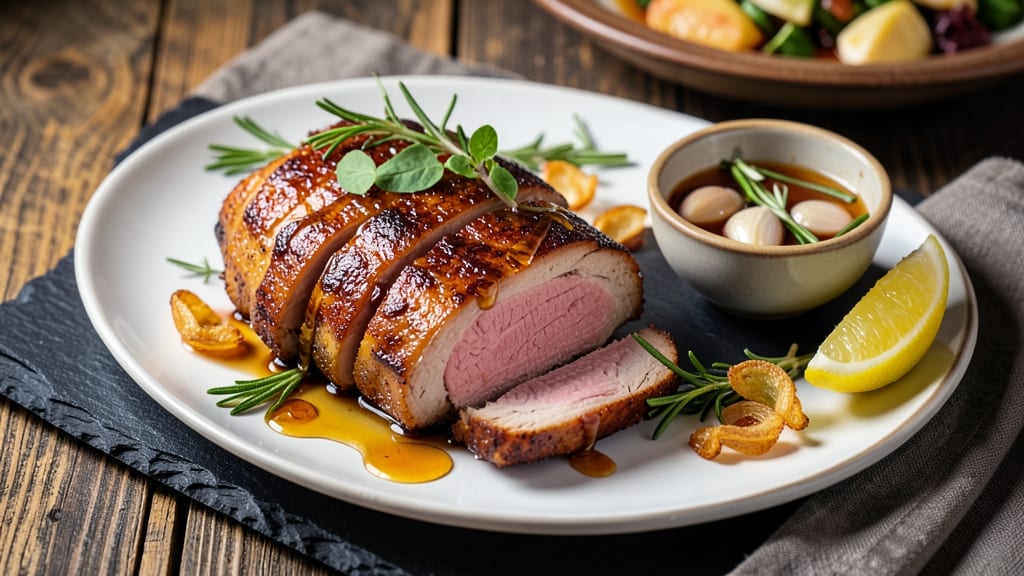
This boneless pork chop brine recipe transforms tough cuts into juicy pink hearts with restaurant-quality tenderness. 💛 After years of perfecting brining techniques for my restaurant, I've developed a foolproof method that guarantees melt-in-your-mouth results every time—no guesswork, no dry meat.
The secret lies in the precise balance of salt, sugar, and aromatics that work together to break down muscle fibers while infusing flavor deep into the pork.
What sets this recipe apart is the clockwork timing—a 12-hour brine that ensures maximum moisture retention without over-salting. We use a simple yet effective brine solution of water, kosher salt, brown sugar, and a blend of spices that create an irresistible crust when seared.
This isn't just about making pork chops; it's about creating an experience where each bite delivers that perfect combination of succulent texture and rich flavor.
The result is pork chops so tender they practically fall apart, with a pink center that's juicy and flavorful rather than dry. The crust formed during searing locks in all that moisture, creating a perfect contrast between the crispy exterior and the melt-in-your-mouth interior.
This technique works equally well for grilling, pan-searing, or roasting, making it versatile for any cooking method you prefer.
Whether you're cooking for a special dinner or simply treating yourself to a weeknight upgrade, this brined pork chop recipe delivers professional-quality results at home.
Pair it with a simple side of roasted vegetables or a fresh salad for a complete meal that will impress anyone who sits down to your table. Let's get started on creating pork chops that taste like they came straight from a high-end restaurant.
Ingredients for boneless pork chop brine
Four cups of magic liquid plus aromatic herbs transform ordinary pork into melt-in-your-mouth perfection.
| Ingredient | Amount | Notes |
|---|---|---|
| Boneless Pork Chops 🥩 | 1 ½ lb | Center-cut for even thickness |
| Cold Water 💧 | 4 cups | Filtered preferred for clarity |
| Diamond Crystal Kosher Salt 🧂 | ½ cup | Coarse grain preferred |
| Light Brown Sugar 🍯 | ¼ cup | Packed measurement |
| Fresh Garlic Cloves 🧄 | 6 cloves | Minced for even distribution |
| Fresh Rosemary 🌿 | ¼ cup | Chopped, stems removed |
| Fresh Thyme Sprigs 🌿 | 4 sprigs | Leaves only, stems removed |
| Black Peppercorns 🌶️ | 1 tbsp | Freshly cracked |
| Bay Leaves 🍃 | 2 whole | Lightly crushed |
| Extra-Virgin Olive Oil 🫒 | 2 tbsp | For post-brine searing |
| All-Purpose Flour 🌾 | ½ cup | For dredging (optional) |
The pork chops are the star, so center-cut is non-negotiable—it stays thickest during brining. Look for chops about 1-inch thick; if yours vary, pound the thicker ones gently with a meat mallet. Whole Foods and Costco carry excellent pre-trimmed cuts, but any butcher will have them too. The key is even thickness—uneven cooking ruins the clockwork timing. For the herbs, fresh is best, but if you're in a pinch, dried thyme at one-third the amount works. The rosemary? Buy a bunch and freeze half—it keeps beautifully for months.
No fresh rosemary? Dried works at one-third the amount, but you'll lose some of that piney aroma. Running low on bay leaves? Substitute 1 tsp ground allspice—it's close enough for brining. The olive oil is for searing, but if you prefer butter, use unsalted and melt it first. For the sugar, brown sugar adds depth, but white sugar works in a bind. Pro tip: if your brine looks cloudy after mixing, it's normal—just stir gently to dissolve the salt and sugar completely. The herbs should float, not sink, which means they're ready to infuse flavor.
This brine keeps in the fridge for up to 3 days, but it's best used fresh. The pork chops can soak for 12 hours max—any longer and they'll turn mushy. After brining, pat them dry thoroughly with paper towels before searing. Store any leftover brine in a sealed container for 1 week—it makes an amazing marinade for other proteins too. For extra crispiness, dredge in flour right before cooking. The magic happens in that 12-hour window—don't rush it!
Why You'll Love This Recipe
- I’ll be real: this brine takes zero effort. Toss the pork chops in a bag with salt, sugar, and garlic, then let the fridge do the work while you fold laundry or scroll through memes. No chopping, no searing—just hands-off magic.
- No-Fuss Prep: I’ll be real: this brine takes zero effort. Toss the pork chops in a bag with salt, sugar, and garlic, then let the fridge do the work while you fold laundry or scroll through memes. No chopping, no searing—just hands-off magic.
- Crispy-Creamy Magic: That brown sugar and garlic combo? It turns bland pork into something dangerously good—crispy edges, juicy inside, with a sweet-savory punch that’ll make you forget takeout exists. (Yes, even on a Tuesday night.)
- Weeknight Superstar: Need dinner in 20 minutes? Brine overnight, then pan-sear for 5. Feed the family, pack leftovers for lunch, or freeze portions for lazy days. It’s my go-to for busy nights when I still want flavor.
Step-by-step instructions for clockwork brine pork chops
This isn't your average brine—it's a flavor bomb that guarantees tender, juicy pork chops every time.
👨🍳 Step 1: Prep the Brine Ingredients
In a large non-reactive container (I use a food-safe plastic bin), combine the 4 cups cold water, 0.5 cup Diamond Crystal kosher salt, and 0.25 cup light brown sugar. Stir until the salt and sugar completely dissolve—you should see a clear brine solution with no graininess. This is your flavor foundation.
Add the 6 minced fresh garlic cloves, 0.25 cup chopped fresh rosemary, 4 sprigs fresh thyme leaves, 1 tbsp freshly cracked black peppercorns, and 2 lightly crushed bay leaves. Give it a gentle stir to distribute the aromatics. The herbs should float but not settle at the bottom. This aromatic blend will infuse the pork with layers of flavor during the brining process.
🥘 Step 2: Submerge the Pork Chops
Place the 1.5 lb boneless pork chops in the brine solution, making sure each piece is fully submerged. I use a small weight plate to keep them down if they float. Cover the container and refrigerate for 12-24 hours. This is where the magic happens—the salt breaks down muscle fibers while the sugar and aromatics penetrate deeply, ensuring maximum juiciness.
Here's the thing—don't skip the full time. If you're short on time, at least 8 hours will help, but 24 hours is ideal for restaurant-quality results. The longer they brine, the more tender and flavorful they become. Just don't exceed 24 hours or the pork may start to absorb too much liquid and become waterlogged.
🔥 Step 3: Sear the Brined Pork Chops
Remove the pork chops from the brine and pat them dry thoroughly with paper towels—this step is CRITICAL for achieving that perfect crust. Heat 2 tablespoons extra-virgin olive oil in a heavy skillet over medium-high heat until shimmering. Add the pork chops and cook for 3-4 minutes per side until they develop a deep golden-brown crust.
You'll know they're ready to flip when they release easily from the pan. The crust forms quickly, so don't walk away. This sear locks in all that juiciness we worked so hard to develop during brining. I like to press down gently on the fillet during the first minute—this prevents it from curling and ensures even contact with the pan.
🍳 Step 4: Finish with Optional Flour Dredge
For that extra restaurant-worthy texture, transfer the seared pork chops to a plate. Lightly dredge each side in 0.5 cup all-purpose flour, shaking off any excess. Return them to the skillet and cook for another 1-2 minutes per side until the flour forms a crispy golden coating. This step is optional but adds a delightful crunch that complements the tender interior.
If you skip the flour, you'll still get fantastic results—just focus on keeping the heat steady and developing that perfect crust. The flour dredge is more about texture than flavor, so it's purely optional. Either way, your pork chops will be incredibly juicy with a flavor profile that sings from the aromatic brine.
Pro Tips For Making Boneless Pork Chop Brine
- USE FULL GARLIC CLOVES: The skins on whole garlic cloves make the brine smell like a fancy restaurant, but they don’t actually infuse flavor. Crush them with the flat side of your knife first—just enough to expose the flesh without turning it into paste. This keeps the liquid clear while still packing serious garlic punch.
- BRINE AT 35°F MAX: Cold water is non-negotiable here, but don’t just eyeball it. Use ice water (or tap water with a few ice cubes) to keep the brine below 40°F. Warmer brine makes the pork chop absorb too much water unevenly, leaving it soggy in the middle. I learned this the hard way after a batch turned out like a wet sponge.
- SALT THE CHOPS FIRST: Pat the pork chops bone-dry before submerging them in the brine, then hit them with a light coat of kosher salt (about ½ teaspoon per chop) and let them sit for 10 minutes. This jumpstarts the seasoning and helps the brine work its magic faster. Skipping this step means the outer layer stays bland no matter how long you soak.
- DON’T SKIP THE SUGAR: Light brown sugar isn’t just for sweetness—it caramelizes during cooking, adding depth and a subtle crunch to the crust. Use 1 tablespoon per quart of brine, and don’t substitute white sugar. The molasses in brown sugar is what makes the pork chop taste like it was slow-cooked, not just brined. (Yes, even if you’re not a fan of sweet pork.)
Essential equipment for this recipe
Non-Reactive Containers
Start with a large, food-safe plastic bin or glass gallon jar—I swear by Cambro containers for brining because they're durable and easy to clean. Avoid metal containers, as they can react with the salt and affect flavor.
For individual chops, a quart-sized mason jar works perfectly, especially if you're brining just one or two at a time. The key is ensuring the pork stays fully submerged, so choose a container that accommodates your cut with at least 1 inch of headspace. 💧
Precision Scales
Measuring your brine ingredients precisely makes all the difference. A digital kitchen scale like the OXO Good Grips ensures accurate measurements for salt and sugar—critical for balancing flavor and texture. For the pork chops, weigh them before brining to track moisture absorption.
I always aim for 1.5 lbs of center-cut chops, but if yours vary, adjust the brine proportionally. A good rule of thumb: 1 cup of brine per pound of pork guarantees even flavor infusion.
Meat Thermometer
No guessing games here—use a high-quality instant-read thermometer like the ThermoWorks ThermoPop to monitor internal temperature. For perfectly cooked pork chops, aim for 145°F at the thickest part. The brine ensures juiciness, but the thermometer confirms doneness without overcooking.
Pro tip: Insert the probe at a 45-degree angle into the thickest part of the chop, avoiding bone or fat. This is non-negotiable for consistent results every time. 🌡️
Heavy Skillet
For that restaurant-quality crust, you need a cast-iron skillet—I use my Lodge 10.25-inch because it retains heat like a champ. If you don’t have cast iron, a stainless steel skillet like All-Clad works too. The key is medium-high heat and patience.
Let the skillet get screaming hot before adding oil, then sear the chops undisturbed for 3-4 minutes per side. A good skillet won’t just sear—it’ll create that Maillard reaction that locks in flavor and moisture.
Meat Mallet
If your pork chops vary in thickness, a meat mallet evens them out for consistent cooking. I use a Weston Products mallet to gently pound thicker chops to ¼-inch thickness—this ensures even doneness and a perfect sear. Just don’t overdo it; you’re not trying to flatten them into pancakes.
A few firm taps on a cutting board will do the trick. This step is especially helpful if you’re working with bone-in chops or thicker cuts from your local butcher. 💪
Paper Towels
This might seem basic, but high-quality paper towels are your secret weapon. Pat the brined chops thoroughly dry before searing—this step is CRITICAL for that golden crust. I use Bounty because they absorb moisture like crazy.
Skip the cheap towels, and you’ll end up with a sad, steamy sear instead of a crispy crust. Pro move: Double up on towels for extra absorption, especially if your kitchen is humid. The drier the surface, the better the crust. ✨
Nutrition facts
Frequently asked questions
Can I use this brine recipe for bone-in pork chops?
The same brine works beautifully for bone-in chops, but you'll need to adjust the brining time slightly. Bone-in cuts require 24 hours max to prevent over-salting around the bone. Use a meat thermometer to check for 145°F at the thickest part of the chop—bones conduct heat differently than boneless cuts. The crust will form differently due to the bone's heat retention, so sear for 4-5 minutes per side instead of 3-4.
What if I don't have fresh rosemary or thyme?
No problem! Use dried herbs at one-third the amount—so 1 teaspoon dried rosemary instead of ¼ cup fresh. For thyme, swap the 4 sprigs for 1 teaspoon dried leaves. If you're completely out of herbs, 1 teaspoon each of dried oregano and marjoram works as a Mediterranean-inspired alternative. The key is maintaining the same aromatic balance—just scale down the dried versions carefully.
Can I make this brine ahead of time?
Prepare the brine up to 3 days in advance and store it in a sealed container in the fridge. The salt and sugar will fully dissolve, and the aromatics will infuse even more flavor. When ready to use, simply add your pork chops and brine for the full 12-24 hours. You can also freeze the brine (without pork) for up to 3 months—just thaw it completely before adding the meat.
Why do my brined pork chops sometimes turn out dry?
Overcooking is the #1 culprit! Even brined pork needs careful temperature control. Use a meat thermometer and remove chops at 145°F—they'll rise to 150°F while resting. Other common mistakes: not patting dry before searing (steam = no crust) or overcrowding the pan (lowers heat). Let chops rest 5 minutes before slicing to redistribute juices.
How can I repurpose leftover brine?
Leftover brine is pure liquid gold! Use it as a marinade for chicken or fish (reduce cooking time by 25%), or dilute it 50/50 with water for a quick pickle brine (add vinegar and mustard seeds). For vegetables, use it as-is for roasting or grilling—the salt and sugar caramelize beautifully. Store used brine in the fridge for 1 week or freeze for 3 months. Never reuse brine that's had raw meat in it for cooking other raw proteins.