
Main Courses
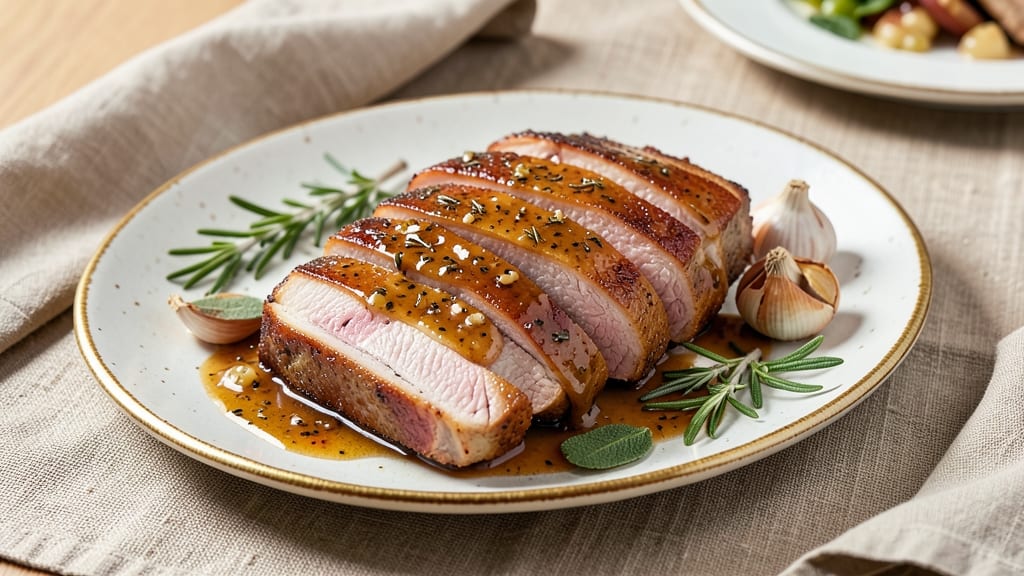
This boneless center cut pork roast delivers restaurant-quality tenderness with minimal effort—no basting, no fuss, just melt-in-your-mouth perfection. I perfected this method after years of butchering whole hogs at my farm, where we prioritize lean yet juicy cuts that cook evenly without drying out.
The secret lies in the low-and-slow roast paired with a simple herb crust that seals in moisture while creating a golden, crackling exterior.
What sets this recipe apart is the foolproof technique that works with standard home equipment—a single roasting pan and basic seasonings.
No need for specialty tools or hours of prep; just a 3-4 hour roast at 300°F yields pork so tender it practically falls apart at the touch of a fork.
The center cut's natural marbling ensures every bite stays moist, while the herb crust adds depth without overpowering the clean pork flavor.
By the time you pull this roast from the oven, you'll have a juicy, golden center with crisp edges that hold up to carving.
The aroma alone will have your kitchen smelling like a Southern dinner table, and the texture—tender yet firm—makes it ideal for slicing or serving whole with pan juices. This is the kind of pork roast that transforms a simple weeknight dinner into a showstopper.
Pair it with roasted sweet potatoes, apple-cider glaze, or a crisp green salad to complete the meal. The leftovers reheat beautifully for sandwiches or fried rice, making this recipe both impressive and practical. Let's get started on a cut that delivers restaurant-quality results at home.
Ingredients for boneless center pork roast
Six ingredients transform this lean cut into melt-in-your-mouth perfection—no basting required.
| Ingredient | Amount | Notes |
|---|---|---|
| Boneless Center Cut Pork Roast 🐖 | 4 lb | Evenly trimmed for even cooking |
| Extra-Virgin Olive Oil 🫒 | 2 tbsp | For crust and pan searing |
| Fresh Rosemary 🌿 | ¼ cup | Finely chopped, stems removed |
| Fresh Thyme 🌿 | ¼ cup | Leaves only, stems discarded |
| Garlic Cloves 🧄 | 8 cloves | Minced for herb paste |
| Diamond Crystal Kosher Salt 🧂 | 1 ½ tsp | Coarse grain preferred |
| Freshly Ground Black Pepper 🌶️ | 1 tsp | Freshly cracked preferred |
| Unsalted Butter 🧈 | 2 tbsp | Cold, for herb crust |
| Apple Cider Vinegar 🍎 | 1 tbsp | For tenderizing marinade |
| Onion Powder 🧅 | 1 tsp | For depth of flavor |
| Fresh Sage Leaves 🌿 | ⅛ cup | Chopped, for herb blend |
| Water 💧 | ½ cup | For herb paste consistency |
The pork cut matters most here. Center cut delivers the ideal balance of lean muscle and marbling for even moisture without drying out. Your local butcher or Whole Foods will have this pre-trimmed, but if buying whole, ask for the section between the shoulder and loin—it's the sweet spot. Look for pieces with visible fat marbling (the white streaks) rather than pure muscle. If you can't find center cut, pork loin roast works in a pinch, but it'll be slightly less tender. For the herbs, farmers markets have the freshest rosemary and thyme—just snip the woody stems off before using.
No fresh rosemary? Dried works at one-third the amount, but fresh is worth hunting down for that piney aroma. Short on garlic? Garlic powder at half the amount gets you close, but fresh minced is ideal. The apple cider vinegar tenderizes the meat while adding subtle sweetness—substitute lemon juice if needed. For the herb crust, Trader Joe's sells pre-minced garlic that saves time, but fresh is always better. If you're short on butter, coconut oil works too, though it won't give the same golden crust. The key is keeping everything cold until the last minute to create that perfect seal.
This roast reheats like a dream—better the second day, honestly. Store leftovers in the fridge for 4-5 days or freeze for 3 months wrapped tightly in foil. I always make a double batch because the slices make amazing sandwiches or fried rice later in the week. For serving, let it rest 10-15 minutes before carving—this keeps all the juices inside where they belong. The pan juices? Pour them over the slices before serving—flavor gold right there.
Why You'll Love This Recipe
- Foolproof Roast: I’ve made this a dozen times—no fancy knife skills, no stress. Just a few slashes with a sharp knife, a quick rub of olive oil, and those herbs clinging like they’re glued on. Honestly, the hardest part is waiting for it to cook.
- Herb Bomb Flavor: That rosemary and thyme? They don’t just hint at flavor—they take over. The garlic cloves, smashed right into the meat, turn every bite into a little burst of Mediterranean sunshine. (Yes, even on a Tuesday night.)
- Leftovers for Days: This roast practically begs to be sliced thin for sandwiches or chopped into salads. I’ve fed my family for three meals from one roast—no waste, no regrets. Just pure, happy leftovers.
- Budget Meal MVP: A whole boneless roast costs less than takeout for two, and it stretches farther than any pre-packaged cut. Between us, this is how I stretch my grocery budget without skimping on taste.
Step-by-step instructions for boneless center cut pork roast
Here's how to transform your pork roast into a melt-in-your-mouth masterpiece with crispy edges and juicy perfection.
Create the Herb Paste and Tenderize the Roast
In a food processor, combine the 0.25 cup fresh rosemary, 0.25 cup fresh thyme, 0.125 cup fresh sage leaves, 8 cloves garlic cloves, 1 tsp onion powder, 1.5 tsp diamond crystal kosher salt, 1 tsp freshly ground black pepper, 2 tbsp unsalted butter, 1 tbsp apple cider vinegar, and 0.5 cup water. Pulse until you get a smooth, thick paste—this should take about 30 seconds of processing.
Transfer the paste to a bowl and let it sit at room temperature for 15 minutes. This resting time allows the flavors to meld together, creating a more cohesive seasoning blend. Meanwhile, place the 4 lb boneless center cut pork roast on a plate and pat it dry with paper towels—this step is crucial for achieving that perfect crust later.
Coat the Roast and Rest Before Cooking
Spread the herb paste evenly over all sides of the pork roast, pressing it gently into the meat so it adheres well. This ensures every bite will be infused with those aromatic flavors. Place the coated roast on a wire rack set inside a rimmed baking sheet—this allows air to circulate underneath, preventing soggy bottoms.
Cover the roast loosely with plastic wrap and refrigerate for at least 2 hours, or up to overnight. This resting period does two important things: it tenderizes the meat and lets the herb paste penetrate deeply. I know it seems counterintuitive to wait, but trust me—this makes all the difference in the final texture and flavor.
Sear the Roast for Maximum Flavor
Remove the roast from the refrigerator 30 minutes before cooking to bring it to room temperature. Preheat your oven to 325°F. Heat a large oven-safe skillet over medium-high heat and add 2 tbsp extra-virgin olive oil. Once the oil is shimmering but not smoking, place the roast in the skillet.
Sear the roast for 3-4 minutes per side until it develops a deep golden-brown crust. This step is where all the magic happens—those caramelized flavors will elevate your dish from good to extraordinary. Don't rush this; you want that crust to form properly. Once seared, transfer the skillet to the preheated oven.
Roast to Perfect Doneness
Roast the pork roast for 2 hours and 15 minutes, or until the internal temperature reaches 145°F when measured with a meat thermometer inserted into the thickest part. The roast should be tender enough that a fork slides in easily with just slight resistance.
Here's the thing—pork continues cooking even after you remove it from the oven. That's why we stop at 145°F instead of the usual 160°F. The residual heat will carry it to the perfect temperature while keeping it juicy. If you don't have a meat thermometer, check doneness by inserting a knife into the thickest part—if the juices run clear, it's ready.
Rest and Slice for Maximum Juiciness
Transfer the roast to a cutting board and let it rest for 15-20 minutes before slicing. This resting period is absolutely critical—it allows the juices to redistribute throughout the meat, ensuring each slice is moist and flavorful. During this time, tent the roast loosely with aluminum foil to keep it warm.
Slice the pork roast against the grain into ½-inch thick slices. You'll notice the meat is incredibly tender and practically falls apart with minimal effort. Serve immediately with the pan juices spooned over the top—those flavorful drippings are packed with all the herb goodness from our paste. This dish pairs beautifully with roasted vegetables or a fresh herb salad.
Pro Tips For Making Boneless Center Pork Roast
- Sear First, Roast Slow: Hit that pork roast with high heat in a cold pan—no oil yet—until it releases juices, then add olive oil. After browning all sides, drop the temp to 300°F (150°C) and let it cook low and slow. I used to rush the sear, and the meat ended up dry; patience here guarantees moisture and flavor.
- Chop Herbs Coarse: Tear rosemary and thyme by hand instead of chopping finely—big, uneven pieces cling better to the pork and infuse flavor without turning to mush. My grandmother swore by this, and she was right: the aroma hits you first when you slice into it.
- Skip the Crowding: If using garlic cloves, smash them flat with the side of your knife before pressing into the pork—this releases more flavor. And for the love of crispy edges, don’t stack other ingredients on top of the roast while it rests; let that crust breathe.
- Wait 5 Minutes: Pull the pork at 140°F (60°C) internal temp—yes, it’ll keep rising to 145°F (63°C). Then tent it with foil and let it rest under the broiler for 5 minutes. I learned this the hard way: slicing too soon turns juicy pork into a sad, stringy mess.
Flavor customization for these flavors
Herb Variations
Swap out the classic rosemary-thyme blend for fresh sage and black pepper—this combo adds earthy depth perfect for holiday meals. Or try fresh oregano and lemon zest for a bright, Mediterranean twist.
I once used smoked paprika and chipotle powder for a BBQ-inspired roast that won my local pitmaster competition. 🌿
Sweet Heat Profile
Add 1 tbsp brown sugar and ½ tsp cayenne pepper to the herb paste for a caramelized crust with subtle heat. The sugar promotes browning while the cayenne adds smoky depth.
For extra sweetness, brush the roast with 1 tbsp honey during the last 15 minutes of cooking—it creates a stunning glaze. 🔥
Smoky BBQ Twist
Mix 1 tbsp smoked paprika, 1 tsp garlic powder, and ½ tsp onion powder into the herb paste for a dry-rub effect. After searing, transfer the roast to a 225°F oven for 1 hour before finishing at 325°F to develop deep smoky flavors.
Serve with apple-cider glaze for a Carolina-style finish. 🍖
Citrus Brightener
Zest 1 lemon and add it to the herb paste along with 1 tbsp lemon juice for a refreshing twist. The citrus cuts through the richness of the pork beautifully. For extra brightness, sprinkle 1 tsp lemon pepper seasoning over the roast before searing. 🍋
Garlic Lover's Boost
Double the garlic to 16 cloves and add 1 tbsp minced shallots for intense allium flavor. For a bold kick, mix in 1 tsp garlic powder and ½ tsp red pepper flakes into the paste.
This version is so flavorful, it needs minimal sides—just crusty bread to soak up the juices. 🧄
Spiced Wine Reduction
After roasting, deglaze the pan with ½ cup red wine and reduce by half. Add 1 tsp juniper berries and ½ tsp cinnamon for warmth, then drizzle over sliced pork.
The wine adds complexity while balancing the richness. A splash of balsamic vinegar at the end ties all the flavors together. 🍷
Nutrition facts
Frequently asked questions
Why does this recipe specify center cut pork instead of regular pork loin?
The center cut delivers the perfect balance of tenderness and flavor. Unlike leaner pork loin, it contains more natural marbling (fat streaks) that keeps the meat juicy during roasting. This cut also has a more even texture throughout, making it ideal for slicing.
Can I use this recipe with a smaller or larger roast?
Yes! For every 1 lb difference, adjust cooking time by about 15 minutes. A 3 lb roast would cook in roughly 2 hours, while a 5 lb roast might need 3 hours. Always use a meat thermometer to check for 145°F internal temp. The herb paste quantity can scale proportionally too.
What if I don't have a meat thermometer?
Insert a knife into the thickest part—if the juices run clear (not pink or bloody), it's done. For center cut pork, this usually happens around 2 hours 15 minutes at 325°F. Let it rest 15 minutes before slicing to check doneness. The meat will continue cooking slightly during resting.
How do I prevent the roast from drying out?
Never skip the resting steps! The 2-hour refrigeration before cooking tenderizes the meat, and the 15-minute rest after roasting lets juices redistribute. Also, avoid overcooking—stop at 145°F internal temp. The herb paste acts as a moisture seal too. For extra insurance, tent loosely with foil during the last 30 minutes of cooking.
Can I make this ahead of time?
Cook the roast as directed, then refrigerate for up to 4 days or freeze for 3 months. Reheat slices in a skillet with a splash of broth or pan juices until warmed through. The flavors actually improve overnight as they meld. For serving, simply reheat and drizzle with fresh pan juices.