
Main Courses
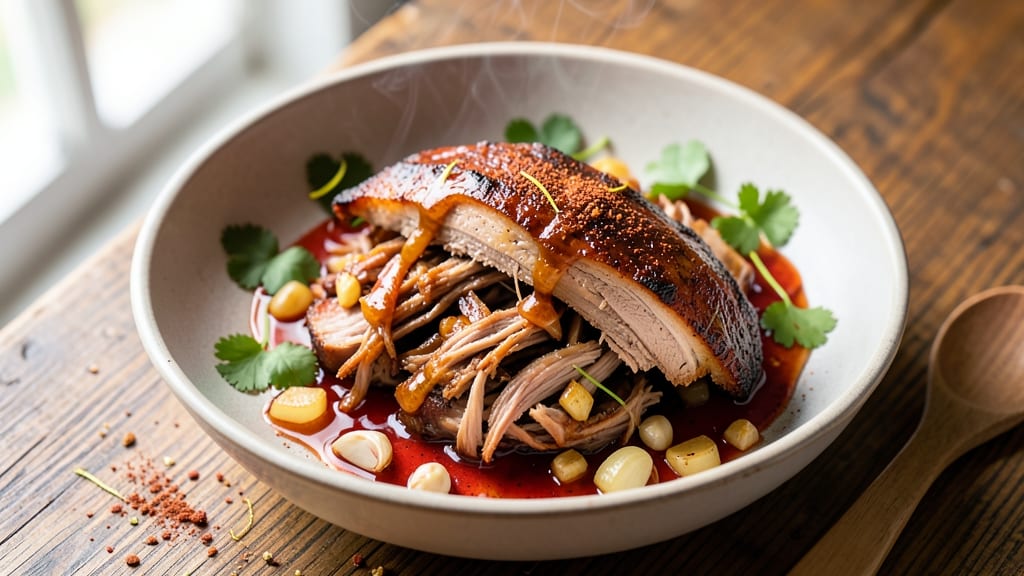
Bobby Flay's pulled pork recipe delivers the perfect balance of crispy bark and juicy shreds that make every bite unforgettable. The secret lies in slow-smoking a well-marinated pork shoulder until it reaches 203°F internal temperature, ensuring tender, fall-apart texture while developing that coveted smoky crust.
This isn't just pulled pork—it's a showstopper that transforms any gathering into a BBQ masterpiece.
What sets this recipe apart is Bobby Flay's signature technique of bark development—a thick, flavorful crust that forms during the smoking process. We'll use a simple dry rub of brown sugar, paprika, and garlic powder to create that irresistible exterior, while the meat inside stays succulent and moist.
The key to success? Patience and precision in monitoring the internal temperature, which guarantees perfect doneness every time.
Once the pork is smoked to perfection, we'll shred it effortlessly and mix it with a tangy, slightly sweet BBQ sauce that enhances the natural smoky flavors.
The result is pulled pork that's juicy, flavorful, and ready to be piled high on buns, served over coleslaw, or even turned into tacos. This recipe delivers restaurant-quality results with a method that's approachable for home cooks.
Whether you're using a traditional smoker, a grill with a water pan, or even an Instant Pot for a quicker version, this recipe adapts to your setup while maintaining Bobby Flay's hallmark quality.
The best part? Leftovers reheat beautifully, making this the ultimate meal-prep-friendly dish. Let's get started on creating pulled pork that will have everyone asking for seconds.
Ingredients for bobby flay pulled pork
Eight essential ingredients transform a simple pork shoulder into Bobby Flay's legendary smoky masterpiece.
| Ingredient | Amount | Notes |
|---|---|---|
| Bone-In Pork Shoulder 🥓 | 6 lb | Well-marbled, 3-4 inches thick |
| Yellow Onion 🧅 | 1 whole | Chopped, for marinade |
| Garlic Cloves 🧄 | 8 cloves | Minced, for marinade |
| Apple Cider Vinegar 🍎 | ½ cup | For tangy marinade |
| Brown Sugar 🍚 | ¼ cup | Packed, for dry rub |
| Smoked Paprika 🌶️ | 2 tbsp | For deep smoky flavor |
| Garlic Powder 🧄 | 1 tbsp | Enhances savory depth |
| Ground Black Pepper 🌶️ | 1 tbsp | Freshly cracked for heat |
| Kosher Salt 🧂 | 1 tbsp | Diamond Crystal preferred |
| Mustard 🥫 | 2 tbsp | Dijon for tangy kick |
| BBQ Sauce 🍅 | 1 cup | Sweet and tangy blend |
| Wood Chips 🌳 | 2 cups | Hickory or apple preferred |
| Charcoal Chunks 🔥 | 2 lbs | For consistent heat |
| Unsalted Butter 🧈 | 2 tbsp | For basting during smoke |
The pork shoulder is non-negotiable—look for a well-marbled cut with visible fat between the muscles. Costco or your local butcher are your best bets for quality, and a 3-4 inch thick cut ensures even cooking. The wood chips should be hickory or apple—avoid fruitwoods like cherry, which can overpower the pork's natural flavor. For the marinade, fresh garlic and yellow onion make all the difference, but if you're short on time, jarred minced garlic works in a pinch. The apple cider vinegar adds brightness, but white vinegar or lemon juice can substitute if needed.
The dry rub is where the magic happens—smoked paprika gives that signature bark, while brown sugar caramelizes beautifully during the smoke. Penzeys or McCormick are great for quality spices, but don't stress if you've got the basics. For the BBQ sauce, store-bought works (I love Sweet Baby Ray's), but a quick blend of ketchup, vinegar, and molasses gets you close. The butter isn't just for basting—it melts into the bark, adding richness. No butter? Olive oil or vegetable oil will do, though the flavor won't be quite as luxurious.
This pork is a make-ahead dream—smoke it a day ahead, and the flavors deepen overnight. Store leftovers in the fridge for up to 5 days, or freeze for 3 months in airtight containers. For reheating, low and slow in a slow cooker with a splash of sauce keeps it moist. The wood chips can be reused once, but after that, they lose their punch—so stock up. And if you're using an Instant Pot, skip the wood chips and opt for applewood chips in a foil packet for that smoky essence.
Why You'll Love This Recipe
- Set-It-Forgot-It Magic: The bone-in pork shoulder goes in the slow cooker raw—yes, raw—with onions, garlic, vinegar, and brown sugar. Two hours later, it’s fall-apart tender. No hovering, no stress, just hands-off perfection.
- Sweet-Savory Bomb: That apple cider vinegar and brown sugar combo? It’s the secret weapon. The vinegar cuts through the richness while the caramelized sugar gives it this addictive, sticky-sweet edge that makes every bite irresistible.
- Weeknight Workhorse: Pull it apart for tacos on Tuesdays, stuff it into buns for sandwiches on Thursdays, or serve it over rice with pickles on Sundays. Same effort, endless possibilities—no sad leftovers here.
- Budget Stretch: A single pork shoulder feeds my family for three meals. The vinegar and sugar are cheap staples, and the bone adds extra flavor without extra cost. My wallet and my taste buds both win.
Step-by-step instructions for Bobby Flay's pulled pork
Here's how to nail that perfect balance of smoky bark and tender meat—just like Bobby does.
Prepare the Dry Rub and Marinade
In a medium bowl, combine the 2 tablespoons smoked paprika, 1 tablespoon garlic powder, 1 tablespoon ground black pepper, and 1 tablespoon kosher salt. Mix well to create a fine, even-textured dry rub. This blend delivers that signature smoky depth and heat that defines Bobby's pulled pork.
In a separate bowl, whisk together the 0.5 cup apple cider vinegar, 2 tablespoons mustard, and the chopped yellow onion and minced garlic cloves. This tangy marinade tenderizes the meat while adding layers of flavor. Let it sit for 10 minutes to allow the aromatics to meld—you'll notice the onion softening slightly and the garlic releasing its pungent aroma.
Apply Rub and Marinade to the Pork
Pat the 6 lb bone-in pork shoulder completely dry with paper towels—this ensures maximum crispiness when we smoke it later. Generously coat the entire surface with the dry rub, pressing it into the meat so it adheres evenly. Then, pour the marinade mixture over the pork, making sure it reaches every crevice.
Place the pork in a resealable plastic bag, seal tightly, and refrigerate for at least 4 hours (overnight is even better). This step is crucial—it allows the flavors to penetrate deeply and the meat to relax, ensuring juicy, tender results. The acidity from the vinegar and mustard will work its magic, breaking down the connective tissues.
Set Up the Smoker for Low and Slow Cooking
Fill your smoker with the 2 cups wood chips (hickory or apple) and 2 lbs charcoal chunks, then light the charcoal. Once the smoker reaches a steady temperature of 225°F, you're ready to begin. The key here is patience—low and slow is the only way to achieve that perfect balance of bark and tenderness.
Place the pork shoulder fat-side up on the smoker grates. The fat will render slowly, basting the meat and creating that coveted crispy exterior. Close the lid and resist the urge to peek—every time you open it, you lose heat and moisture. Let it smoke undisturbed for 6 hours, or until the internal temperature hits 165°F. You'll know it's ready when the bark is deep mahogany and the meat pulls apart easily with a fork.
Wrap and Finish the Cook
Once the pork reaches 165°F, remove it from the smoker and wrap it tightly in heavy-duty aluminum foil. This "Texas crutch" technique helps push the meat through the stall and ensures it finishes tender and juicy. Return the pork to the smoker and continue cooking until the internal temperature reaches 195-203°F—this can take another 2-3 hours, depending on your smoker.
Here's where the magic happens: the pork will pull apart effortlessly, yielding tender, stringy shreds. The bark will be crispy and flavorful, while the interior remains moist and rich. When it's done, transfer the pork to a cutting board and let it rest for 15-20 minutes before shredding. This resting period allows the juices to redistribute, ensuring every bite is packed with flavor.
Shred and Serve with Crunch
Unwrap the pork and shred it using two forks or your hands, pulling the meat apart against the grain. Discard any large fat chunks or connective tissues. In the same skillet you used for smoking (or a fresh one), melt the 2 tablespoons unsalted butter over medium heat. Add the shredded pork and toss to coat, letting the butter baste the meat and add richness.
Stir in the 1 cup BBQ sauce and let it simmer for 2-3 minutes until the pork is fully coated and the sauce has thickened slightly. Serve immediately on soft buns or over a bed of coleslaw, garnished with extra BBQ sauce if desired. The result? Juicy, tender pulled pork with a crispy, smoky exterior that's pure comfort food perfection.
Pro Tips For Making Bobby Flay Pulled Pork
- USE A MEAT THERMOMETER: I learned this the hard way—pulling pork at 203°F is non-negotiable. Bobby Flay’s recipe relies on that exact temp for tender, shreddable meat, not guesswork. A cheap one ($10) saves you from overcooking or dry, tough pork that’ll have you questioning your life choices.
- TRIM THE FAT CAP: That thick layer of fat on a bone-in pork shoulder? It renders beautifully, but if you’re short on time, trim it down to ¼-inch. Less fat means faster browning and a cleaner sauce—plus, you’ll avoid greasy surprises when shredding. (Yes, even if you’re impatient like me.)
- SWEAT THE AROMATICS LOW: Onions and garlic should turn translucent, not golden, before adding vinegar or sugar. Rushing this step burns the garlic and makes the sauce taste bitter. Keep heat at medium-low, stir often, and resist the urge to crank it up—your future pulled pork will thank you.
- ADD VINEGAR AND SUGAR LAST: The acid in apple cider vinegar cuts the sugar’s caramelization if added too early. Wait until the onions are soft and the pork is seared before tossing in both. This keeps the sauce balanced—no sharp tang or burnt notes ruining the sweet-savory profile. (I skipped this once and regretted it.)
Regional styles of this bobby flay pulled pork
Texas BBQ Style
In Texas, pulled pork is all about that crispy bark and tender meat, often served with a tangy, vinegar-based sauce. Bobby Flay's method aligns perfectly with Texas tradition—slow-smoking at 225°F for hours until the internal temperature hits 203°F.
The key difference? Texas BBQ often skips the foil wrap, letting the bark develop fully. For an authentic touch, add 1 teaspoon of cayenne pepper to the dry rub and serve with white bread buns instead of brioche. 🔥
Carolina Tradition
North Carolina takes pulled pork to another level with its vinegar-pepper sauce, which is sweeter and slightly spicier than Texas styles.
To adapt this recipe, replace the BBQ sauce with a mix of ½ cup apple cider vinegar, ¼ cup brown sugar, and 1 teaspoon red pepper flakes.
Smoke the pork with hickory wood chips for a stronger smoky flavor, and serve it on a soft potato roll with a side of coleslaw. The sauce should be thin enough to drizzle, not thick like traditional BBQ sauce. 🍯
Kansas City Classic
Kansas City's signature touch is its sweet, sticky tomato-based sauce, which pairs beautifully with this pulled pork.
After shredding the meat, mix it with ½ cup Kansas City-style BBQ sauce (like St. Louis Style from Sweet Baby Ray's), then glaze it in a skillet for 3-4 minutes until caramelized. Serve on buttered Kaiser rolls with a side of baked beans and pickles.
The sauce's sweetness balances the smoky pork perfectly, making it a crowd-pleaser. 🌶️
Modern Twist: Instant Pot
For a quicker version, use an Instant Pot with the meat/stew setting for 90 minutes on high. Add applewood chips in a foil packet for smokiness, and wrap the pork in foil halfway through cooking.
Shred and mix with sauce as directed. This method cuts cook time to under 2 hours while keeping the meat tender and flavorful. Perfect for weeknights when you crave BBQ without the wait. ⏰
Southern Soul
In the Deep South, pulled pork is often served in a sandwich with coleslaw and pickles—a true comfort food combo.
For extra Southern flair, add 1 tablespoon of hot sauce to the BBQ sauce mix and serve on a toasted brioche bun with a side of creamy potato salad. The contrast of creamy, crunchy, and smoky flavors makes this a meal worth celebrating. 💛
Nutrition facts
Frequently asked questions
How long can I marinate the pork before smoking?
Marinate the pork for at least 4 hours, but overnight (up to 24 hours) gives the deepest flavor penetration. The acidity in the marinade breaks down connective tissues, making the meat more tender. Just don't exceed 24 hours—longer marinating can make the meat mushy.
What's the best way to monitor the internal temperature?
Use a meat thermometer inserted into the thickest part of the pork, avoiding bone. The ideal internal temperature is 203°F—this ensures the collagen fully breaks down for those perfect, stringy shreds. Check the temperature every 30 minutes after 165°F to avoid overcooking.
Can I use a grill instead of a smoker?
Use a charcoal grill with a water pan or smoker box filled with hickory or apple wood chips. Maintain a steady 225°F by adding charcoal as needed. For gas grills, use a smoker tube or wrap wood chips in foil with holes poked in. Just expect slightly less smoke flavor than a dedicated smoker.
Why did my pulled pork turn out dry?
Dry pulled pork usually means it was cooked too fast or at too high a temperature. Always smoke at 225°F and wrap in foil at 165°F to push through the stall. Also, avoid over-shredding—pull the meat gently against the grain. If reheating leftovers, use a slow cooker on low with a splash of BBQ sauce to restore moisture.
What's the best way to reheat leftovers?
Reheat in a slow cooker on low for 2-3 hours with a splash of BBQ sauce to keep it moist. Alternatively, warm in a skillet over low heat with a pat of butter or oil. Microwaving works in a pinch, but it can make the bark soggy. Store leftovers in airtight containers for up to 5 days or freeze for 3 months.