
Main Courses
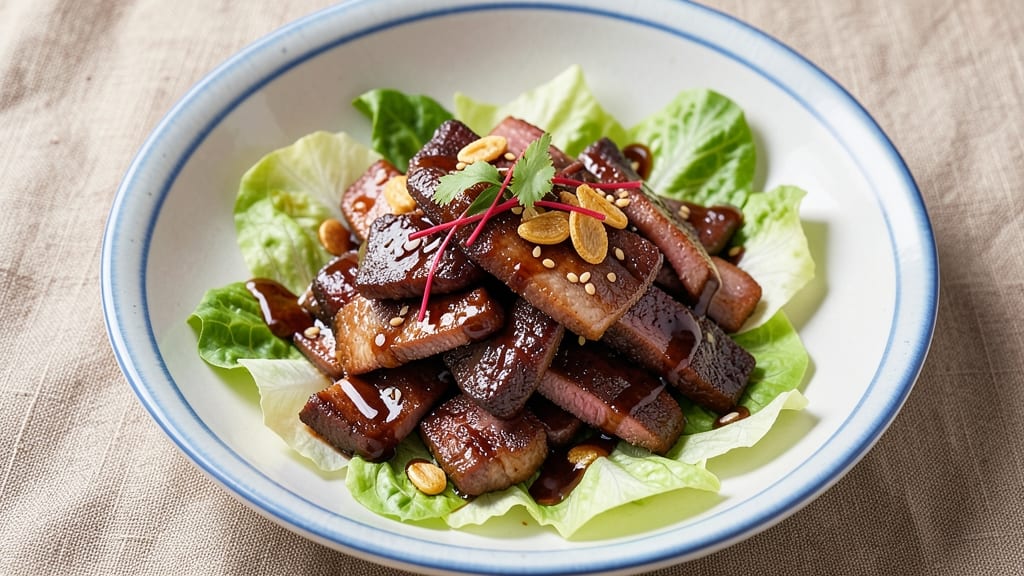
This Bo ssam pork recipe brings the vibrant flavors of Korean cuisine to your table with tender, marinated pork and crisp lettuce cups wrapped in sweet-spicy sauce.
Growing up in small-town Georgia, I fell in love with pork's versatility—this recipe bridges my Southern roots with global techniques, proving how a simple wrap can become a showstopper. The key lies in the marinade: a balance of soy, sugar, and sesame that transforms ordinary pork into something unforgettable.
The beauty of bo ssam is its adaptability—whether you grill the pork for smoky depth or pan-fry for quick weeknight meals, the technique remains the same. I've perfected this method over years of cooking for crowds, ensuring the pork stays juicy while developing that signature caramelized crust.
The lettuce cups add a refreshing crunch, while the dipping sauce ties everything together with its perfect sweet-spicy kick.
What you'll end up with is a dish that's as elegant as it is satisfying: tender pork wrapped in crisp lettuce, drizzled with vibrant sauce, and garnished with sesame seeds.
It's the kind of meal that feels special yet comes together in under 30 minutes—ideal for dinner parties or a simple weeknight treat. The best part? Every bite delivers layers of flavor without the fuss.
Pair with steamed rice and kimchi for an authentic Korean experience, or keep it simple with a side of pickled vegetables. This recipe respects tradition while making it accessible for modern kitchens. Let's get cooking!
Ingredients for bo ssam pork
Pork's versatility meets Korean flavors in this vibrant wrap recipe. Sweet-spicy sauce and crisp lettuce make it unforgettable.
| Ingredient | Amount | Notes |
|---|---|---|
| Pork Shoulder 🥓 | 1 ½ lb | Boneless, cut into thin strips |
| Soy Sauce 🥢 | ½ cup | Korean or Japanese preferred |
| Brown Sugar 🍯 | ¼ cup | Packed firmly |
| Sesame Oil 🫒 | 2 tbsp | Toasted sesame oil preferred |
| Garlic Cloves 🧄 | 4 cloves | Minced finely |
| Fresh Ginger 🌿 | 1 tbsp | Grated finely |
| Rice Vinegar 🍶 | 1 tbsp | White vinegar works too |
| Butter Lettuce 🥬 | 1 head | Or romaine for sturdier leaves |
| Green Onions 🧅 | 4 whole | Sliced thin for garnish |
| Sesame Seeds 🥜 | 1 tbsp | Toasted lightly |
| Vegetable Oil 🫒 | 2 tbsp | For cooking pork |
| Salt 🧂 | 1 tsp | Kosher or sea salt |
| Black Pepper 🌶️ | ½ tsp | Freshly ground |
| Kimchi 🥬 | ½ cup | Chopped, optional for sauce |
| Sesame Paste 🥜 | 1 tbsp | For dipping sauce |
The pork shoulder is key—it stays juicy when cooked thin. Ask your butcher for pre-cut strips if you're short on time, but cutting it yourself ensures even cooking. For the marinade, Korean soy sauce (like Gochujang) adds depth, but regular soy works too. I grab mine from Asian markets where they have fresh ginger and garlic too. The brown sugar should be packed—not scooped lightly. If you're in a pinch, coconut sugar works just as well. Toast your sesame oil in a dry pan for 30 seconds first—it deepens the nutty flavor instantly.
No sesame paste? Mix tahini with a splash of water for a quick swap. Fresh ginger losing its zing? Substitute 1/2 tsp ground ginger, but you'll miss that fresh bite. The butter lettuce needs to be crisp—skip the wilted stuff from the back of the fridge. For extra crunch, blanch romaine leaves in ice water for 10 seconds before using. The dipping sauce is where the magic happens: if you want it spicier, add a dash of gochugaru (Korean red pepper flakes). No kimchi? Pickled jalapeños add tang without the fermented funk.
Marinated pork keeps for 3 days in the fridge, but it tastes best fresh. The sauce thickens when chilled—stir in a splash of water if it gets too stiff. For make-ahead prep, freeze the cooked pork in single-serving portions. Thaw overnight in the fridge, then reheat gently. Lettuce stays crisp for 2 days if wrapped in damp paper towels and stored in a sealed container. The sesame seeds? Toast them fresh before serving—they add that crunchy finish that makes it feel special.
Why You'll Love This Recipe
- Pork Shoulder Magic: I swear by that pork shoulder—it stays juicy while the edges caramelize from the soy and brown sugar. The slow cook or stovetop method means I’m not stuck babysitting it, and the result? Tender enough to fall apart, but with just enough bite.
- Garlic-Sesame Punch: That first whiff of sesame oil hitting the pan? Instant mood booster. The garlic cloves get crushed right into the sauce, so every bite has this warm, nutty depth that makes it taste like you actually put in work (but you didn’t).
- Leftover Reinvention: Here’s what sold me—this pork begs to be repurposed. Cold slices in lettuce wraps? Yes. Tossed with rice and fried egg? Absolutely. Even my picky teen will eat it twice because the flavor’s that reliable.
- Budget Weeknight Win: Pork shoulder’s the secret weapon—cheaper than tenderloin, but just as satisfying. A handful of pantry staples (soy, sugar, oil) stretch this into multiple meals without breaking the bank. Honestly, it’s my go-to when I’m too tired to order takeout.
Step-by-step instructions for Korean-inspired bo ssam pork
Here's how to make tender, caramelized pork strips that pair perfectly with fresh lettuce wraps.
Marinate and Cook the Pork Shoulder
In a large bowl, combine the 1.5 lb pork shoulder cut into thin strips, 0.5 cup soy sauce, 0.25 cup brown sugar, 2 tbsp sesame oil, 4 cloves minced garlic, 1 tbsp grated fresh ginger, and 1 tbsp rice vinegar. Mix thoroughly until the pork is fully coated in the marinade. Let it sit for at least 30 minutes (or up to 4 hours in the refrigerator) to develop deep flavor.
Heat 2 tbsp vegetable oil in a large skillet over medium-high heat. Add the marinated pork in a single layer, being careful not to overcrowd the pan. Cook for 4-5 minutes per side until the pork is deep golden brown and cooked through. The sugar in the marinade will caramelize, creating a sticky glaze. Transfer the pork to a plate and set aside.
Prepare the Dipping Sauce
In a small bowl, mix together 1 tbsp sesame paste, 0.5 cup chopped kimchi (if using), 1 tbsp sesame seeds, and 1 tsp salt. The kimchi adds a tangy, spicy kick that balances the sweetness of the pork. If you prefer a smoother sauce, blend the ingredients until fully combined. Taste and adjust the seasoning with additional salt or a splash of rice vinegar if needed.
This sauce should be thick enough to coat the back of a spoon but still pourable. If it's too thick, thin it with a teaspoon of water. The sauce is best served at room temperature, so let it sit for 5-10 minutes while you prepare the lettuce wraps.
Assemble the Bo Ssam Wraps
Carefully separate the leaves from 1 head butter lettuce, making sure to keep the stems intact for easy handling. Each leaf should be large enough to wrap around the pork strips without tearing. If the leaves are too small, you can use 2-3 leaves per wrap to accommodate the filling.
Place 2-3 pork strips in the center of a lettuce leaf. Drizzle lightly with the remaining marinade from the skillet (if any) or a small amount of the dipping sauce. Fold the sides of the lettuce leaf inward, then roll it up tightly, tucking in the ends like a burrito. Repeat with the remaining pork and lettuce leaves.
Serve with Fresh Garnishes
Arrange the assembled wraps on a serving platter. Garnish each wrap with thinly sliced green onions and an extra sprinkle of sesame seeds for added texture and flavor. Serve immediately with the dipping sauce on the side for dipping or drizzling over the wraps.
For the best experience, serve the bo ssam pork while the pork is still warm and the lettuce leaves are crisp. The contrast of the cool, fresh lettuce with the warm, caramelized pork creates a perfect bite every time. Enjoy with extra kimchi or a side of steamed rice to soak up any remaining sauce!
Pro Tips For Making Bo Ssam Pork
- CUT PORK INTO EVEN STRIPS: The difference between chewy and tender bo ssam pork starts here—slice the shoulder against the grain into ½-inch strips, not thick slabs. I used to eyeball it, but measuring with a ruler guarantees each bite melts instead of fights you.
- USE THICK SOY SAUCE: Thin soy sauce burns fast and makes the pork soggy. Swap regular for dark or thickened soy sauce—it caramelizes better and coats the meat without turning the pan into a sticky mess. (Yes, it’s pricier, but your pork won’t taste like it’s swimming in water.)
- DON’T SKIP THE GARLIC TOAST: Minced garlic burns in seconds. Instead, smash 3-4 whole cloves with the flat side of your knife, then fry them in the pan until golden-brown (about 2 minutes). This adds depth without bitterness—trust me, your pork will taste like it came from a Korean BBQ joint, not a rushed weeknight.
- FINISH WITH COLD SESAME OIL: Add sesame oil at the very end when the pork is off the heat—it burns instantly if you mix it in early. A splash (1 tsp) right before serving also cools the dish slightly, making it less greasy. (Pro move: Drizzle it over the pork after it’s on the plate for maximum aroma.)
Dietary considerations for this recipe
Gluten-Free Adaptations
Traditional bo ssam pork uses soy sauce, which contains gluten—no problem! Swap the regular soy sauce for tamari or gluten-free soy sauce like San-J Tamari or Kikkoman Gluten-Free Soy Sauce. These alternatives deliver the same umami depth without the gluten.
I’ve tested both in my kitchen, and they work beautifully with the marinade. Just ensure all other ingredients are certified gluten-free—double-check your sesame paste and kimchi labels, as cross-contamination can happen. 🌱
Low-Carb Options
If you’re watching carbs, skip the rice vinegar in the marinade (it adds minimal carbs) and use apple cider vinegar instead. For the dipping sauce, replace the sesame paste with 1 tbsp tahini mixed with 1 tsp rice vinegar to keep it low-carb while maintaining creaminess.
The butter lettuce is naturally low-carb, but if you want extra crunch, add shredded purple cabbage—it’s sturdy enough to hold the pork and adds a satisfying bite. 🥬
Dairy-Free Considerations
This recipe is naturally dairy-free, but always check your kimchi for added whey or milk solids—some brands include them. If you’re avoiding all dairy, ensure your sesame paste is made in a facility free from dairy cross-contamination.
For extra richness in the dipping sauce, stir in 1 tsp coconut aminos instead of sesame paste—it adds a subtle sweetness that complements the pork perfectly. 🥜
Allergen-Friendly Swaps
For sesame allergies, replace sesame oil with avocado oil and omit sesame seeds (or use toasted pumpkin seeds for crunch). If you’re allergic to garlic, substitute with 1 tbsp garlic-infused olive oil—it mimics the flavor without the risk.
For ginger allergies, use 1 tsp ground coriander or ½ tsp ground turmeric to add warmth. Always test small amounts first, as spices can vary in potency. ✨
Nut-Free Version
Sesame seeds are the only nut-based ingredient here, so simply omit them from the dipping sauce and garnish. Instead, sprinkle crushed potato chips (like Kettle Brand Sea Salt) for a salty crunch or toasted coconut flakes for a sweet contrast.
The pork’s caramelized glaze will still shine, and the lettuce’s freshness keeps the dish light. This version works great for nut-free schools or gatherings. 🥔
Nutrition facts
Frequently asked questions
Can I use chicken instead of pork for bo ssam?
Chicken breast or thigh works beautifully—just marinate it for 15-20 minutes (pork needs longer). Use the same marinade ratio but reduce cooking time to 3-4 minutes per side to avoid drying it out. Chicken bo ssam is especially popular in Korean cuisine—it stays juicy when cooked quickly over high heat.
How do I make the lettuce wraps more sturdy?
Butter lettuce can be delicate—try using romaine or napa cabbage leaves instead for extra strength. For butter lettuce, blanch the leaves in ice water for 10 seconds before assembling to keep them crisp. Another trick: lightly toast the lettuce leaves in a dry pan for 5 seconds per side to add subtle texture without wilting.
What's the best way to reheat leftover bo ssam pork?
Reheat pork gently in a skillet over low heat with 1 tsp sesame oil for 2-3 minutes—just enough to warm through. Avoid microwaving as it makes the lettuce soggy. For wraps, assemble fresh lettuce leaves and add the reheated pork with a drizzle of fresh dipping sauce. Leftover pork keeps 3 days refrigerated or 1 month frozen.
Can I make the dipping sauce ahead of time?
Yes, but store it separately from the pork marinade. The sauce thickens when refrigerated—stir in 1 tsp water before serving if needed. For best flavor, let it sit at room temperature for 10 minutes before using. If making ahead, store components separately: blend sesame paste with salt first, then add kimchi and sesame seeds just before serving to preserve freshness.
What's the secret to perfect caramelization?
The key is medium-high heat and not overcrowding the pan. Cook in batches if needed, and let the pork sear undisturbed for 2 minutes per side before flipping. The brown sugar in the marinade needs time to caramelize—resist the urge to stir constantly. For extra depth, finish with a quick broil for 1 minute under the oven's heat lamp.