
Main Courses
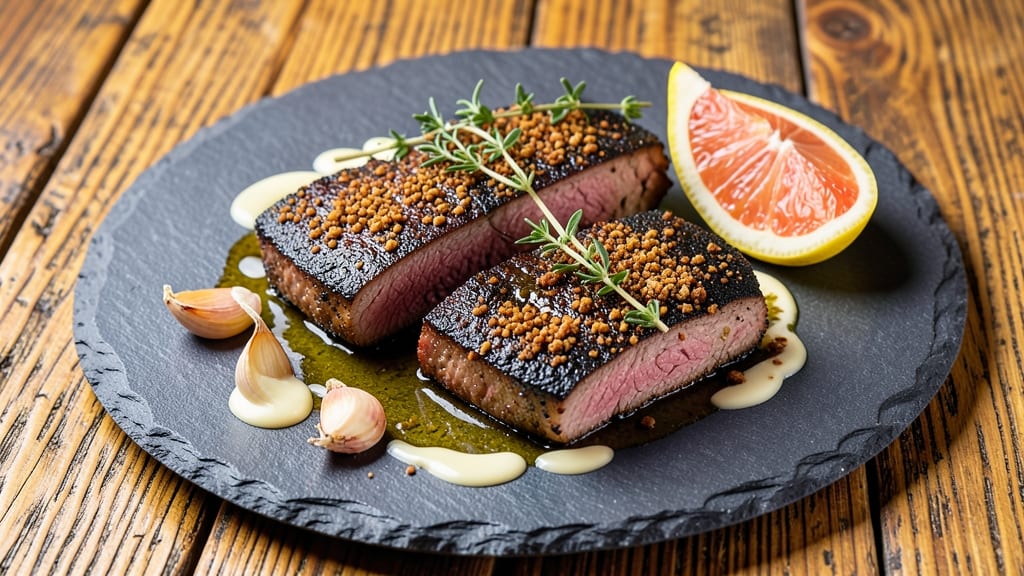
This blackened pork recipe delivers the perfect balance of smoky, spice-crusted exterior and tender, juicy pink centers—just like my first time mastering this technique in Charleston. The secret lies in a high-heat cast-iron sear and a bold Cajun-inspired spice blend that creates that signature char without drying out the meat.
I developed this recipe after years of perfecting pork techniques at my restaurant, where we cook 2,000 pounds weekly. The key is marinating the pork for just 30 minutes—long enough for the spices to penetrate but short enough to keep the meat tender.
Using a cast-iron skillet on high heat creates that coveted blackened crust while sealing in juices for maximum flavor.
What you'll end up with is restaurant-quality pork that's crispy on the outside, moist and tender inside, and packed with smoky, spicy depth. Each bite delivers that perfect contrast of textures and flavors that makes this dish unforgettable.
The technique is straightforward but requires attention to heat control—trust me, it's worth the effort.
Serve with roasted sweet potatoes, a bright citrus salad, or crusty bread to soak up the juices. This recipe is perfect for weeknight dinners or special occasions when you want to impress without spending hours in the kitchen. Let's get cooking!
Ingredients for blackened pork
Restaurant-quality blackened pork starts with these bold, juicy ingredients that deliver smoky depth and tender perfection.
| Ingredient | Amount | Notes |
|---|---|---|
| Boneless Pork Loin Chops 🐖 | 1 ½ lb | 1-inch thick, cut even |
| Cajun Spice Blend 🌶️ | ½ cup | Homemade or store-bought |
| Extra-Virgin Olive Oil 🫒 | ¼ cup | High smoke point preferred |
| Garlic Cloves 🧄 | 6 cloves | Minced, fresh preferred |
| Lemon Juice 🍋 | ¼ cup | Freshly squeezed |
| Fresh Thyme Leaves 🌿 | ¼ cup | Chopped, stems removed |
| Salt 🧂 | 1 ½ tsp | Diamond Crystal kosher |
| Black Peppercorns 🌶️ | 1 tsp | Freshly cracked |
| Smoked Paprika 🌶️ | 1 tbsp | For extra depth |
| Onion Powder 🧅 | 1 tsp | For balanced flavor |
| Cast-Iron Skillet 🔥 | 1 whole | 10-inch, seasoned well |
| Butter 🧈 | ¼ cup | Unsalted, cubed |
The pork chops are non-negotiable—look for bone-in, 1-inch thick cuts from the butcher section at Whole Foods or your local market. Thicker chops stay juicier, and bone-in adds flavor. If you can't find them pre-cut, ask the butcher to slice them evenly. The Cajun spice blend is where the magic happens—Penzeys has a great pre-mixed version, but I always tweak it with extra smoked paprika for depth. That high-heat sear? You'll need a well-seasoned cast-iron skillet—no nonstick pans here. Preheat it over medium-high for 5 minutes before adding oil.
No Cajun seasoning? Mix smoked paprika, garlic powder, onion powder, cayenne, and thyme in a 3:2:1:1:1 ratio. Fresh thyme is ideal, but dried works at half the amount. Running out of butter? Olive oil or ghee keeps the crust crispy. The lemon juice brightens everything—Meyer lemons add a floral note, but regular lemons work too. For extra smokiness, add a pinch of liquid smoke to the marinade. And trust me, don't skip the butter at the end—it bastes the chops and adds richness that takes this dish from good to unforgettable.
Marinate the chops for 30 minutes max—longer and they'll turn tough. Keep them in the fridge, not the freezer, and pat them dry before cooking. These reheat beautifully—425°F oven for 10-12 minutes restores that crispy crust. Store leftovers in an airtight container for 3 days, or freeze for 2 months. Pro tip: Double the batch—the second night tastes even better as the flavors meld. Serve with a squeeze of lemon and extra herbs to keep it vibrant.
Why You'll Love This Recipe
- One-Pan Magic: I swear by this recipe when I’m too tired to scrub pots—just slather those chops in Cajun spice, hit the skillet with olive oil, and let the garlic sizzle. No extra dishes, no fuss, just that smoky, charred goodness staring back at you.
- Smoky Zing: Between us, the Cajun blend and lemon juice hit different—like a bold, spicy hug for your taste buds. That crispy blackened crust? Pure satisfaction, especially when the inside stays juicy and tender.
- Weeknight Flex: Honestly, this feeds a crowd or just me with leftovers that taste better the next day. Grill it for summer BBQs, pan-sear it for a quick Tuesday dinner, or even toss it in sandwiches. It’s my go-to for any occasion.
- Budget Win: Pork loin chops stretch further than you’d think, and a little spice blend goes a long way. I buy them in bulk, freeze extras, and still save money compared to fancy restaurant cuts. Plus, the flavor? Ridiculously good for the price.
Step-by-step instructions for blackened pork with smoky spice crust
Here's how to create perfectly blackened pork with a crispy spice crust and juicy pink centers every time.
Prepare the Pork and Spice Rub
Pat the 1.5 lb boneless pork loin chops completely dry with paper towels—this is crucial for that perfect crust. I press down firmly on each chop to remove all moisture, even in the crevices. The drier the surface, the better the spice blend will adhere and develop that signature blackened crust.
In a small bowl, combine the 0.5 cup Cajun spice blend, 1.5 tsp salt, 1 tbsp smoked paprika, 1 tsp onion powder, and 1 tsp freshly cracked black peppercorns. Mix well to distribute the spices evenly. This blend delivers that perfect balance of heat, smokiness, and depth. Generously coat both sides of each pork chop with the spice mixture, pressing it into the meat so it sticks. Let the seasoned chops sit at room temperature for 20-30 minutes while you prepare the rest of your ingredients.
Sear the Pork in the Cast-Iron Skillet
Place the 1 whole cast-iron skillet over medium-high heat until it's screaming hot—you should see a shimmer of heat waves when you hold your hand about 2 inches above it. Add 0.25 cup extra-virgin olive oil and let it heat for 1 minute until it's shimmering but not smoking. This high heat is essential for creating that beautiful crust.
Working in batches if needed (to avoid overcrowding), carefully place the seasoned pork chops in the skillet. Press down gently on each chop during the first 1-2 minutes of cooking—this prevents curling and ensures even contact with the pan. Cook until the underside develops a deep, dark crust and the internal temperature reaches 130°F on an instant-read thermometer, about 3-4 minutes per side. The crust should be almost black in spots, but the center should still be pink and slightly springy to the touch.
Finish with Garlic, Thyme, and Butter
Remove the pork chops from the skillet and set them aside on a warm plate to rest. Reduce the heat to medium and add the 6 cloves minced garlic to the skillet, cooking for 30 seconds until fragrant but not browned. Immediately add the 0.25 cup chopped fresh thyme leaves and 0.25 cup cubed butter, stirring constantly for 1 minute until the butter melts and the thyme releases its aromatic oils. Pour in the 0.25 cup freshly squeezed lemon juice and scrape up any browned bits from the bottom of the pan—this creates a flavorful sauce.
Return the pork chops to the skillet, spooning the garlic-thyme butter sauce over the top. Let them cook for another 1 minute to absorb the flavors. The chops are done when they reach an internal temperature of 140°F—this ensures they're cooked through but still juicy and tender. The crust should be crispy and dark, with a beautiful contrast to the pink, juicy interior.
Rest and Serve
Transfer the pork chops to a cutting board and let them rest for 5-10 minutes before serving. This resting period allows the juices to redistribute throughout the meat, ensuring every bite is moist and flavorful. During this time, you can tent the chops loosely with foil to keep them warm.
Slice the chops against the grain into ½-inch thick medallions for the most tender texture. Serve immediately with the garlic-thyme butter sauce drizzled over the top. The contrast of the smoky, blackened crust with the juicy pink centers is what makes this dish truly special. Pair with your favorite sides like roasted vegetables or a fresh salad to complete the meal.
Pro Tips For Making Blackened Pork
- Crush the Garlic First: I learned this the hard way—raw garlic cloves in the pan just won’t release their flavor like crushed ones. Use the flat side of your knife to smash 4-5 cloves into a paste before adding them to the oil. The blackened crust needs that deep, aromatic punch, and this is how you get it.
- Pat Dry, Then Salt: Wet pork sticks to the pan and steams instead of searing. After trimming excess fat, hit the chops with paper towels until they’re bone-dry. Then season generously—about 1 teaspoon of salt per side—before the Cajun blend. The crust forms faster, and the seasoning sticks.
- Work in Batches: Overcrowding the pan drops the temperature and turns your blackened pork into sad, greasy cutlets. Cook 2 chops at a time max, resisting the urge to shuffle them around. Let the first side get a deep crust before flipping—yes, even if it looks uneven.
- Finish with Lemon Zest: A squeeze of fresh lemon juice brightens the dish, but the zest is where it’s at. After resting the pork, sprinkle the grated peel over the top while it’s still warm. The citrus oils melt into the crust, cutting through the richness without overpowering the Cajun heat. (Skip the juice—it’ll make the crust soggy.)
Best sauces and condiments for blackened pork
Garlic-Thyme Butter Sauce
The star of this dish is the garlic-thyme butter sauce that bastes the pork during the final minute of cooking. I use 0.25 cup unsalted butter (cubed, not melted) because it creates a luxurious sauce that clings beautifully to the blackened crust.
Add 6 cloves minced garlic and 0.25 cup fresh thyme leaves to the skillet after removing the pork, cooking for just 30 seconds before adding the butter. This quick cook prevents the garlic from burning while allowing it to infuse the butter with its aromatic oils.
The 0.25 cup lemon juice at the end brightens the sauce and cuts through the richness—Meyer lemons add a subtle floral note, but regular lemons work perfectly. 🍋
Spicy Creole Aioli
For a bold, tangy dip that complements the blackened pork, whip up a spicy Creole aioli using 0.5 cup mayonnaise, 1 tbsp hot sauce (like Crystal or Tabasco), 1 tsp Dijon mustard, 1 tsp lemon juice, and ½ tsp Cajun seasoning.
Mix until smooth and adjust the heat to taste. Serve this alongside the pork for dipping or drizzle it over the top for an extra layer of flavor. The acidity in the aioli helps balance the smokiness of the pork, while the Cajun seasoning echoes the spice crust.
I love this as a condiment for game day or when serving with crusty bread. 🌶️
Smoky Chipotle Glaze
For a sweet-and-smoky contrast, prepare a chipotle glaze by simmering 0.25 cup honey, 2 tbsp apple cider vinegar, 1 tbsp adobo sauce (from canned chipotles), and 1 tsp smoked paprika in a small saucepan over medium heat for 5 minutes.
Brush this glaze over the blackened pork during the last 2 minutes of cooking or drizzle it on top after serving. The glaze caramelizes slightly, adding a glossy finish and deepening the smoky flavor profile. This works especially well with thicker pork chops that can handle the extra moisture. 🔥
Herbed White Wine Sauce
Elevate the dish with a herbed white wine sauce that adds elegance and acidity. In a saucepan, melt 0.25 cup butter over medium heat, then add 2 tbsp flour to make a roux.
Deglaze with 0.5 cup dry white wine (like Sauvignon Blanc) and 0.5 cup chicken stock, stirring until smooth. Add 1 tsp fresh thyme, 1 tsp fresh parsley, and ½ tsp black pepper, then simmer for 3-4 minutes until thickened.
This sauce pairs beautifully with the blackened pork, offering a sophisticated contrast to the bold spices. It’s also great for reheating leftovers—just add a splash of water or stock. ✨
Citrus-Maple Reduction
Brighten the plate with a citrus-maple reduction that cuts through the richness of the blackened pork.
In a small saucepan, combine 0.25 cup maple syrup, 0.25 cup orange juice, and 1 tbsp lemon juice, then simmer over medium-high heat until reduced by half (about 5 minutes). Finish with a pinch of salt and black pepper.
Drizzle this reduction over the pork just before serving—it adds a sweet-tart balance that enhances the smoky, spicy flavors. This is my go-to for a lighter, more refreshing take on the dish. 🍊
Nutrition facts
Frequently asked questions
Can I use pork shoulder instead of pork loin chops for this recipe?
Pork shoulder works beautifully for blackened pork, but you'll need to adjust the cooking time. Cut the meat into 1-inch thick portions and marinate for 1-2 hours instead of 30 minutes. Sear until deeply blackened (4-5 minutes per side), then finish in a 275°F oven for 10-15 minutes to render fat and tenderize. The result is juicy, fall-apart meat with that signature crust.
Why does my blackened pork turn out dry instead of juicy?
Overcooking is the #1 cause of dry blackened pork. Use a meat thermometer—pork should reach 140°F for medium doneness, not 160°F. Also, never skip the 5-10 minute rest—this lets juices redistribute. Another tip: Pat chops dry before seasoning, but don't over-marinate (30 minutes max). The high heat sear seals in moisture when done right.
What's the best way to reheat blackened pork without drying it out?
Reheat in a 425°F oven for 10-12 minutes on a wire rack over a baking sheet. Add 1 tbsp butter and 1 tsp lemon juice to the pan first to baste the pork. For stovetop, use low heat in a skillet with 0.25 cup broth for 2-3 minutes per side. Microwaving is a no-go—it always turns out rubbery.
Can I make this recipe ahead of time?
Yes! Cook the pork completely (to 145°F internal temp) and store in an airtight container for 3 days in the fridge. To refresh the crust, sear again in a hot skillet for 1-2 minutes per side before serving. For freezing, wrap individual portions tightly in plastic wrap and freeze for up to 2 months. Thaw overnight in the fridge before reheating.
What's the secret to getting that perfect blackened crust?
The crust comes from three key elements: dry meat (pat thoroughly!), high heat (cast-iron screaming hot), and even pressure (press chops down for 1-2 minutes). Use a mix of smoked paprika and Cajun seasoning for depth, and don't overcrowd the pan—cook in batches if needed. The crust should be dark but not burnt, with juices still flowing.