
Main Courses
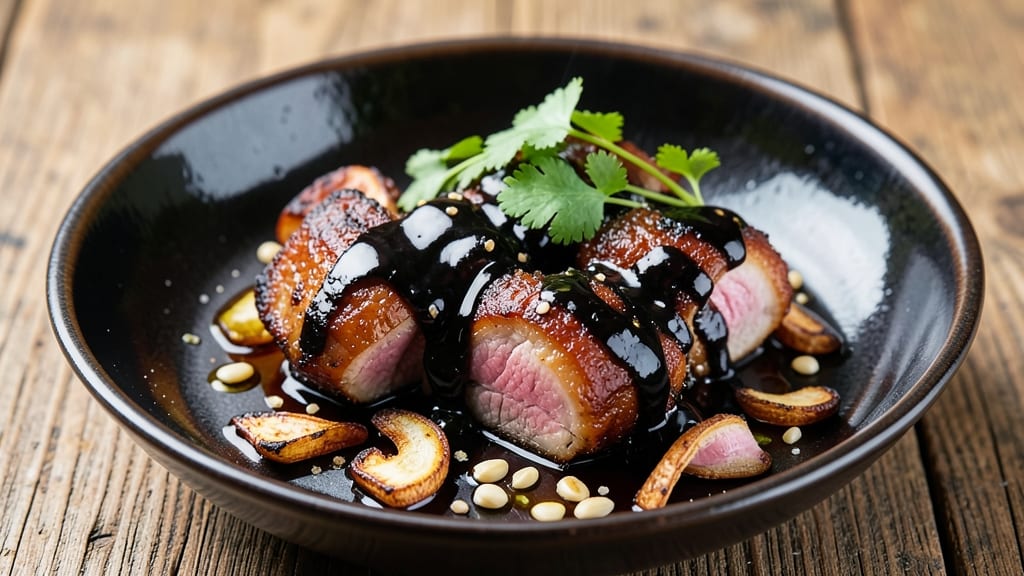
Black vinegar pork trotters transform tough cuts into silky shreds with a crunchy, umami-rich exterior—the kind of dish that turns weeknight dinners into showstopping feasts. I first discovered this technique while working with heritage pigs in Georgia, where slow-cooked pork has been a cornerstone of Southern tables for generations.
The black vinegar's deep tang cuts through the richness, creating a perfect balance that's both comforting and sophisticated.
This recipe focuses on low-and-slow braising—no fancy equipment needed, just time and patience. You'll start with a savory marinade of black vinegar, soy sauce, and aromatic spices, then simmer the trotters until they're fork-tender. The result?
A dish that's restaurant-quality at home, with meat that practically melts when you pull it apart. I've perfected this method over years of cooking for crowds, ensuring every bite delivers that perfect contrast of textures.
The magic happens in the caramelized exterior—where the vinegar creates a glossy, slightly sticky crust that gives way to tender, falling-apart meat. This is the kind of dish that tastes even better the next day, making it ideal for meal prep or holiday gatherings.
Serve with steamed greens or buttery cornbread to soak up the rich, tangy juices. It's a recipe that proves good food doesn't require shortcuts—just the right technique.
What makes this recipe stand out is its versatility—use it as a main course for a special dinner or as a centerpiece for family gatherings. The trotters can be prepped ahead, making this a foolproof option for busy cooks.
Once you try this method, you'll never buy store-bought pork again. Let's get started on creating something truly memorable.
Ingredients for black vinegar pork trotter
Sixteen ingredients transform tough trotters into restaurant-quality silk with umami crunch.
| Ingredient | Amount | Notes |
|---|---|---|
| Pork Trotters 🐖 | 3 lb | Cleaned, jointed, skin scored |
| Black Vinegar 🍶 | 1 cup | High-quality, Asian variety preferred |
| Soy Sauce 🥢 | ½ cup | Dark or light, no sugar added |
| Brown Sugar 🍯 | ½ cup | Packed, light or dark |
| Garlic Cloves 🧄 | 8 cloves | Smashed, skin-on for flavor |
| Fresh Ginger 🌿 | 2 tbsp | Grated, peeled, aromatic |
| Star Anise 🌟 | 2 whole | Lightly crushed for aroma |
| Cinnamon Sticks 🌿 | 2 whole | 2-inch pieces for depth |
| Bay Leaves 🌿 | 4 whole | Dried, standard size |
| Olive Oil 🫒 | ¼ cup | Extra-virgin for richness |
| Water 💧 | 4 cups | Filtered or spring water |
| Salt 🧂 | 1 ½ tbsp | Diamond Crystal kosher preferred |
| Black Peppercorns 🌶️ | 1 tsp | Freshly cracked, coarse |
| Sesame Oil 🫒 | 1 tbsp | Toasted, for finishing |
| Green Onions 🧅 | ¼ cup | Thinly sliced, for garnish |
The trotters are the star—look for heritage pork with good marbling at specialty butchers like D'Artagnan or Whole Foods. If using supermarket trotters, pat dry thoroughly before marinating to ensure proper caramelization. The black vinegar should be deep, aged, and slightly syrupy—avoid the thin, diluted versions. For the best results, source from Asian markets where they stock authentic varieties like Chinkiang or Zhenjiang. The garlic and ginger should be freshly grated or smashed—pre-minced loses its aromatic punch quickly. Store these aromatics in the freezer if you're prepping ahead.
No black vinegar? Substitute with a mix of balsamic vinegar and a dash of molasses (1:1 ratio), though the flavor won't be identical. Running short on soy sauce? Coconut aminos work in a pinch, but reduce other salty elements. The brown sugar can be swapped for muscovado or turbinado for deeper caramel notes. If you can't find star anise, 1 tsp ground anise suffices, but the whole pods add complexity. For a quicker prep, use pre-smashed garlic from the refrigerated section at Trader Joe's—just avoid the jarred minced kind. The sesame oil is non-negotiable for finishing; toasted sesame oil from La Tourangelle elevates the dish.
Marinate the trotters for at least 4 hours, but overnight yields superior tenderness. The braising liquid can be reduced and saved—freeze in ice cube trays for future use in stir-fries or sauces. Trotters reheat beautifully; simmer gently in their juices for 10-15 minutes. Store cooked trotters in airtight containers with their braising liquid for up to 5 days in the fridge or 3 months frozen. For serving, reheat slowly to maintain texture—microwaving ruins the silky quality. Garnish with fresh green onions and a drizzle of sesame oil just before serving.
Why You'll Love This Recipe
- One-Pot Magic: I swear by this recipe because it’s all in one pot—no chopping boards to clear, no extra pans to scrub. Just toss the trotters in, add the black vinegar and soy sauce, and let the garlic and brown sugar do their thing while you sip your coffee.
- Umami Bomb: That tangy black vinegar cuts through the richness of the pork trotters like a knife through butter, while the soy sauce and brown sugar create this perfect balance—sweet, salty, and funky all at once. Honestly, the first bite makes me close my eyes.
- Leftovers That Don’t Suck: Between us, most braised dishes turn into sad, dry leftovers by day three. Not this one. The trotters stay tender, and the sauce only gets deeper in flavor—ideal for quick lunches or late-night snacks. (Yes, even on a Tuesday night.)
- Budget Feast: Pork trotters are cheaper than steak, and this recipe stretches them into a meal that feels fancy without the price tag. Plus, the black vinegar and brown sugar are pantry staples that make it taste like you spent hours cooking. Spoiler: You didn’t.
Step-by-step instructions for black vinegar pork trotters
This method transforms tough pork trotters into tender, umami-rich bites with a signature crunch.
Parboil the Trotters for Initial Tenderization
Place the 3 lb pork trotters in a large stockpot and cover with the 4 cups water. Bring to a boil over high heat, then immediately reduce to a gentle simmer. Cook uncovered for 30 minutes—you'll see foam rise to the surface and the meat begin to relax. This initial boiling breaks down collagen and removes impurities, setting the foundation for tender results.
After 30 minutes, drain the water completely and return the trotters to the pot. Add the 1 cup black vinegar, 0.5 cup soy sauce, and 0.5 cup packed brown sugar. Stir to combine, ensuring the marinade coats all surfaces. Cover and simmer gently for another 20 minutes, turning occasionally, until the liquid reduces by half and clings to the meat. The vinegar's acidity will begin tenderizing the connective tissue while building complex flavors.
Build the Aromatic Marinade and Braise
In a separate saucepan, heat the 0.25 cup olive oil over medium-low heat. Add the 8 smashed garlic cloves, 2 tbsp grated fresh ginger, 2 lightly crushed star anise, 2 cinnamon sticks, and 4 bay leaves. Sauté gently for 2-3 minutes until fragrant but not browned—you should smell the warm spices and garlic permeating the kitchen. This aromatic base forms the flavor backbone of your trotters.
Transfer the fragrant oil and spices to the pot with the trotters. Add the remaining 1.5 tbsp salt and 1 tsp cracked black peppercorns. Cover tightly and transfer to a preheated 300°F oven. Braise for 2 hours, turning occasionally, until the meat is fork-tender and easily pulls apart at the joints. The low temperature ensures even cooking without toughening the connective tissue.
Finish with Crispy Texture and Umami Depth
Remove the trotters from the oven and increase the heat to 425°F. Drain the trotters, reserving the braising liquid, and place them on a baking sheet. Brush generously with the 1 tbsp toasted sesame oil, then broil for 5-7 minutes until the skin develops deep golden-brown spots and crispy edges. The high heat creates that signature crunch while maintaining the silky interior.
While the trotters crisp, reduce the reserved braising liquid over medium-high heat until it thickens to a glossy glaze (about 10 minutes). Return the trotters to the sauce, spooning the glaze generously over the top. Garnish with the 0.25 cup thinly sliced green onions and serve immediately, ensuring each bite delivers both the crispy exterior and tender interior.
Pro Tips For Making Black Vinegar Pork Trotter
- BLANCH TROTTERS FIRST: Skip the raw-to-braise jump—blanch your trotters in boiling water for 10 minutes to loosen the skin and remove impurities. I learned this the hard way when my first batch turned out tough; the blanching step makes all the difference for tender, glossy skin.
- USE THICK BLACK VINEGAR: Thin vinegar won’t cut through the fat like you need. Reach for the syrupy, aged black vinegar (like Chinkiang)—it’s pricier but adds depth and helps tenderize the collagen. My grandmother swore by it, and she was right: the flavor sticks better.
- CRACK THE SKIN MID-COOK: Around the 1.5-hour mark, pierce the skin in a few spots with a sharp knife to let steam escape. This prevents a rubbery texture and ensures the vinegar-soy glaze soaks in evenly. Sounds weird, but it works—your trotters will be fall-off-the-bone tender.
- BROWN THE SUGAR FIRST: Caramelize the brown sugar in the pot before adding liquids—it deepens the sauce’s richness and balances the vinegar’s sharpness. I was skeptical until I tried it; now I never skip this step, even if it adds 5 minutes. The payoff is a glossier, more complex finish.
Make-ahead tips for this black vinegar pork trotter
Prep Ahead for Perfection
Start by marinating the trotters overnight in the black vinegar mixture—this is where the real flavor magic happens. I like to use a large Ziploc bag or glass baking dish for easy storage. Place the trotters in the marinade, seal tightly, and refrigerate.
The acidity works its tenderizing magic while you sleep, making the final cooking time shorter. Trust me, this step alone transforms tough trotters into something extraordinary. 🌟
Braising Liquid Prep
After parboiling, reduce the braising liquid to a glossy glaze—this takes about 10 minutes on the stovetop. Transfer the liquid to a small saucepan and simmer until it thickens slightly.
Store this glaze in an airtight container in the fridge for up to 5 days or freeze in ice cube trays for future use. It’s perfect for drizzling over rice or noodles later. I always keep a batch on hand for quick weeknight meals.
Slow Cooker Shortcut
For a hands-off approach, transfer the parboiled trotters and marinade to a 6-quart slow cooker. Add the aromatic spices and cook on LOW for 6-8 hours or HIGH for 4-5 hours.
This method is ideal if you’re prepping for a gathering—just add the sesame oil and broil at the end. I’ve used my Hamilton Beach slow cooker for years, and it never fails to deliver tender, flavorful results. ✨
Freezing for Future Feasts
Cooked trotters freeze beautifully—just let them cool completely, then store in airtight containers with their braising liquid. They’ll keep for 3 months in the freezer. When ready to serve, thaw overnight in the fridge and reheat gently in the braising liquid over low heat for 10-15 minutes.
The texture stays perfect, and the flavors only deepen. I always prep a double batch for holiday meals—it’s a crowd-pleaser that reheats like a dream.
Make-Ahead Serving Suggestions
Plan to serve these trotters with steamed greens or buttery cornbread—both soak up the rich, tangy juices beautifully.
For a complete meal, prep a simple side salad with a sesame-ginger dressing (mix 2 tbsp soy sauce, 1 tbsp rice vinegar, 1 tsp sesame oil, and 1 tsp grated ginger). Assemble everything the night before and store separately; just reheat and plate when ready.
This keeps your dinner stress-free and delicious. 💪
Nutrition facts
Frequently asked questions
Why does black vinegar make the trotters so tender?
The acidity in black vinegar breaks down collagen in the connective tissue, transforming tough trotters into silky shreds. It also creates a tenderizing effect during the marinating stage, while the prolonged braising at 300°F completes the process. This two-step method is key to achieving that perfect texture.
Can I substitute regular vinegar for black vinegar?
Not recommended—black vinegar has a deeper, more complex flavor profile with subtle sweetness and umami notes. If you must substitute, use a mix of balsamic vinegar and 1 tsp molasses per ½ cup to mimic the depth, but the results won't be identical. For authentic flavor, seek out Chinkiang or Zhenjiang varieties at Asian markets.
How do I know when the trotters are fully cooked?
They're done when they're fork-tender and easily pull apart at the joints after 2 hours of braising. The internal temperature should reach 195°F—this is the "danger zone" for collagen breakdown, so don't rush it. The meat should have a glossy sheen and be falling apart when tested with a fork.
What's the best way to serve these trotters?
Pair them with steamed greens like collards or bok choy to balance the richness, or serve with buttery cornbread to soak up the tangy juices. For a complete meal, add a simple sesame-ginger salad (mix 2 tbsp soy sauce, 1 tbsp rice vinegar, 1 tsp sesame oil, and 1 tsp grated ginger). The contrast of textures makes every bite unforgettable.
Can I make this recipe in a Dutch oven?
A 5-6 quart Dutch oven works perfectly for both the parboiling and braising stages. The deep sides contain the liquid while the heavy base distributes heat evenly. Just ensure it's large enough to accommodate the trotters without crowding—this prevents uneven cooking. My Lodge Dutch oven has been my go-to for years.