
Main Courses
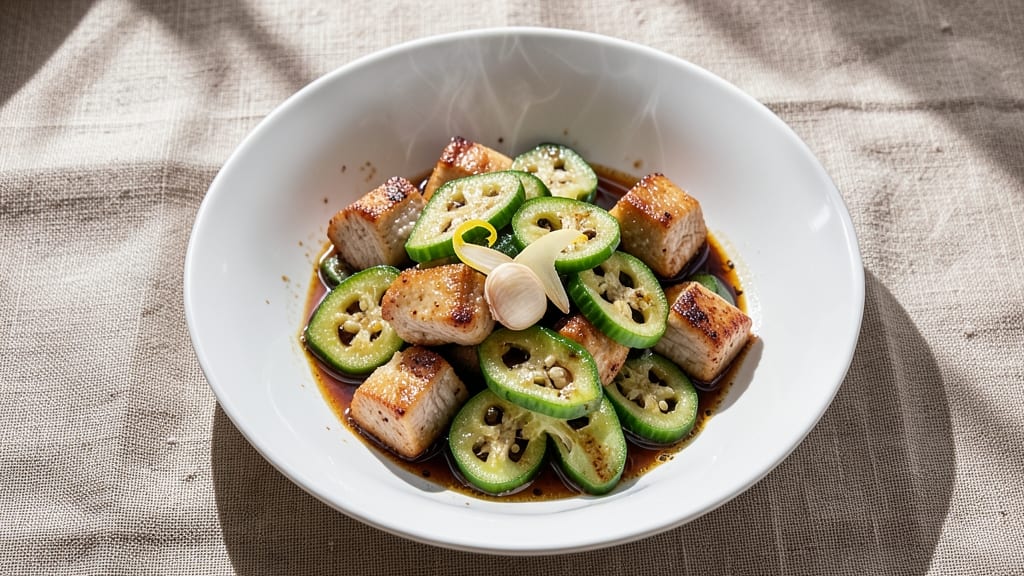
This bitter melon and pork recipe transforms a polarizing ingredient into a restaurant-worthy dish that balances crisp-tender pork with the earthy sweetness of bitter melon.
After years of perfecting the balance between umami and bitterness, I've developed a method that ensures the melon's natural astringency becomes a highlight rather than a challenge. The key lies in proper preparation—quick searing and precise seasoning—that turns bitter melon into a star player.
The secret to this dish's success is a two-step cooking process: first, stir-frying the pork until it achieves that crisp-tender texture, then gently wok-frying the bitter melon to preserve its natural crunch while mellowing its bitterness.
Traditional Chinese techniques like high-heat searing and aromatic wok hei (breath of the wok) elevate the dish without overwhelming the delicate flavors. This method ensures every bite delivers a perfect harmony of textures and tastes.
What you'll end up with is a dish that's rich in umami from the pork and balanced by the melon's subtle bitterness, creating a complex flavor profile that's both comforting and exciting.
The pork remains juicy and tender, while the bitter melon adds a satisfying crunch and a touch of sweetness that rounds out the dish. This is the kind of recipe that transforms a challenging ingredient into something truly special.
Perfect for serving with steamed jasmine rice or noodles, this dish makes an impressive centerpiece for any meal. The technique is straightforward, but the results are anything but ordinary—this is home cooking that feels like a restaurant experience.
Let's get started on creating this balanced, flavorful dish that showcases the best of both ingredients.
Ingredients for bitter melon and pork
Transform polarizing bitter melon into a restaurant-worthy dish with these carefully balanced ingredients.
| Ingredient | Amount | Notes |
|---|---|---|
| Bitter Melon 🍆 | 2 cups | Sliced into 1/2-inch thick pieces |
| Pork Shoulder 🥩 | 1 ½ lb | Cut into 1-inch cubes |
| Garlic Cloves 🧄 | 6 cloves | Minced for aromatic base |
| Fresh Ginger 🌿 | 2 tbsp | Finely grated, skin removed |
| Soy Sauce 🍶 | ½ cup | Dark soy for color and depth |
| Oyster Sauce 🍲 | 2 tbsp | For umami richness |
| Sesame Oil 🫒 | 1 tbsp | Toasted for nutty aroma |
| Rice Vinegar 🍶 | 1 tbsp | For brightness and balance |
| Cornstarch 🌾 | 2 tbsp | For crisp-tender pork |
| Vegetable Oil 🫒 | ½ cup | High smoke point for searing |
| Green Onions 🧅 | 4 whole | Sliced for garnish |
| Red Chili Flakes 🌶️ | 1 tsp | Adjust for heat preference |
| Salt 🧂 | 1 ½ tsp | Kosher salt for seasoning |
| White Pepper 🌶️ | ½ tsp | Freshly ground for finish |
The bitter melon is the star—look for firm, green, and free of soft spots at Asian markets or well-stocked grocery stores. Trader Joe's often carries it, but if you can't find it, substitute with zucchini or eggplant—though the flavor will differ. Pork shoulder is ideal for its fat content, which renders beautifully during searing. Costco sells it pre-cut, saving you time. Fresh ginger should smell zesty and bright; if it's musty, skip it. For the soy sauce, Lee Kum Kee dark soy is my go-to for that signature deep color.
No bitter melon? Zucchini or eggplant works in a pinch, but you'll lose that signature bitterness. Swap oyster sauce for hoisin or coconut aminos if needed—just add a splash of fish sauce for umami depth. The cornstarch is non-negotiable for that crisp-tender texture; don't substitute with flour. For extra heat, add more chili flakes or a dash of sriracha. The green onions should be fresh—wilting ones will turn bitter. If you're short on time, prep all ingredients before cooking—this dish moves fast once you start searing.
Pork cubes keep best in the fridge for 2 days before browning, while bitter melon stays fresh for 3-4 days if stored in a sealed container. The cooked pork reheats beautifully—just toss with a splash of water and steam for 2 minutes. For leftovers, store in an airtight container with a paper towel to absorb moisture. Freezes well for up to 3 months, though texture may soften slightly. Garnish with extra chili flakes or sesame seeds before serving for that restaurant touch.
Why You'll Love This Recipe
- One-Pan Magic: I swear by this recipe when I’m too tired to scrub pots—just slice the bitter melon, dice the pork, and toss it all in one pan. The garlic and ginger caramelize right alongside the pork, so you’re left with minimal cleanup and maximum flavor.
- Umami Bomb: That first bite? The pork shoulder gets tender enough to melt in your mouth, while the bitter melon adds a fresh, slightly tangy kick that balances the richness. Honestly, the soy sauce and ginger turn this into a savory punch—no bland moments here.
- Leftover Hero: This dish actually improves the next day. The flavors meld even better, and I often reheat it for lunch or pack it for work. (Yes, even my picky-eating coworkers ask for seconds.) It’s the kind of meal that rewards you for making it ahead.
- Budget Stretch: Pork shoulder is cheap but packs serious protein, and bitter melon lasts longer than you’d think if stored right. I make this when I’m trying to feed the family without breaking the bank—plus, the ginger and garlic bulk it up so it feels like a restaurant dish.
Step-by-step instructions for crisp-tender bitter melon and pork
Here's how to balance bold flavors and perfect textures in this Asian-inspired dish.
Prepare the Pork for Crisp-Tender Perfection
Cut the 1.5 lb pork shoulder into 1-inch cubes—uniform size ensures even cooking. In a bowl, toss the pork with 2 tbsp cornstarch, 1.5 tsp salt, and 0.5 tsp white pepper until evenly coated. Let it sit for 10 minutes while you prep the bitter melon. This coating creates a crisp exterior while keeping the interior juicy.
Heat 0.5 cup vegetable oil in a large skillet over medium-high heat until shimmering. Add the pork in a single layer—don't overcrowd—and sear for 3-4 minutes until golden brown on all sides. The cornstarch will form a light crust, but the pork must still feel slightly firm to the touch when pressed. Remove and set aside on a plate.
Build the Flavor-Packed Sauce Base
In the same skillet (no need to wipe it clean—those browned bits are flavor gold), reduce heat to medium and add 6 cloves minced garlic and 2 tbsp finely grated fresh ginger. Sauté for 1 minute until fragrant—you should smell that aromatic punch. Be careful not to burn the garlic; it should just sizzle, not darken.
Pour in 0.5 cup soy sauce and 2 tbsp oyster sauce, scraping up any stuck bits from the bottom. Let it simmer for 2 minutes until slightly reduced. Then add 1 tbsp rice vinegar and 1 tsp red chili flakes, stirring to combine. The sauce should coat the back of a spoon with a glossy sheen. Remove from heat and stir in 1 tbsp sesame oil—this adds nutty depth and balances the acidity.
Cook the Bitter Melon to Ideal Texture
Slice the 2 cups bitter melon into ½-inch thick pieces—this thickness ensures they cook through without turning mushy. Heat a clean skillet over medium heat and add just enough oil to lightly coat the pan. Add the bitter melon in a single layer and cook for 2-3 minutes per side until tender but still slightly crisp—they should yield slightly when pressed with a spatula but not collapse.
Transfer the cooked bitter melon to the sauce skillet and gently toss everything together. Simmer for 1-2 minutes until the bitter melon absorbs some of the sauce's flavor. The goal is to marry the melon's unique bitterness with the pork's richness without overcooking either component.
Finish and Garnish for Restaurant-Quality Presentation
Return the seared pork to the skillet and toss everything together for 30 seconds to coat the pork evenly in the sauce. The pork should be fully heated through but still maintain its crisp-tender texture. Taste and adjust seasoning—you might want to add a splash more soy sauce if it needs more saltiness.
Divide the dish among 4 plates, garnishing each serving with sliced green onions for freshness and visual appeal. Serve immediately while the pork is still crisp and the bitter melon retains its slight crunch. The contrast of textures and flavors—crisp pork, tender melon, and umami-rich sauce—makes this dish unforgettable.
Pro Tips For Making Bitter Melon And Pork
- Blister the Melon First: Slice the bitter melon lengthwise, then sear the cut side directly over a gas flame (or under a broiler) for 30 seconds per side until it starts to blister. This softens the texture and cuts the bitterness—no more rubbery, unyielding chunks ruining your dish.
- Salt the Pork Twice: Generously salt the pork shoulder before cooking, then add another layer of salt after the initial sear. The first salt helps tenderize; the second locks in flavor as it braises. (Yes, even if it looks like you’re overdoing it.)
- Don’t Crowd the Pan: When stir-frying the pork, work in batches if needed—overcrowding steams instead of sears. You want those edges caramelized, not soggy. A hot wok or skillet with just enough oil to coat is your friend here.
- Slice Ginger Paper-Thin: Use a mandoline or the thinnest knife you own to shave ginger into near-transparent slices. Thick chunks won’t infuse as well, and you’ll taste the raw bite instead of the warm, aromatic depth you’re after. (Save the thick pieces for tea.)
Wine and beer pairings for this recipe
Asian-Inspired White Wines
A crisp Riesling from Germany or China's Dry Riesling cuts through the bitterness beautifully. I love a Finger Lakes Riesling—its bright acidity and citrus notes complement the dish's umami without overpowering.
The slight sweetness in off-dry Rieslings also balances the bitter melon's astringency. Serve slightly chilled (45-50°F) to enhance its refreshing qualities. 🍷
Light-Bodied Reds
For those who prefer red, a Pinot Noir from Oregon or New Zealand offers the perfect balance. Its delicate tannins and red fruit flavors won't clash with the pork's richness.
Look for a Willamette Valley Pinot Noir—it's light enough to let the dish shine while providing enough body to stand up to the sauce. Serve at 55-60°F to maintain its vibrant acidity. 🍇
Craft Beer Pairings
A Japanese Junmai Ginjo with its clean, crisp profile works surprisingly well. The subtle rice notes enhance the dish's umami without competing. For something more local, try a American pale ale with 10-15 IBUs—just enough hop bitterness to echo the melon's character.
Avoid heavy IPAs or stouts that would overpower the delicate flavors. 🍺
Unexpected Sweet Pairings
If you're feeling adventurous, pair with a Moscato d'Asti—its light effervescence and subtle sweetness create an interesting contrast. The bubbles help cleanse your palate between bites.
For a non-alcoholic option, try sparkling yuzu soda—the citrus notes complement the dish's bright flavors beautifully. Serve both chilled (40-45°F) for optimal enjoyment. 🍹
Sake for Traditionalists
For an authentic Asian touch, serve dry junmai sake—its clean, crisp profile enhances the dish's natural flavors. Look for a Japanese sake with 16-18% alcohol—it's dry enough to stand up to the rich pork but light enough to complement the melon.
Serve slightly chilled (45-50°F) in small ceramic cups for the full experience. 🍶
Final Serving Tips
No matter what you choose, serve drinks alongside steamed jasmine rice—it helps absorb any lingering bitterness. I like to offer a small flight of 2-3 options so guests can find their perfect match. Remember, the best pairing enhances the dish without overpowering it—let the flavors shine through. 💫
Nutrition facts
Frequently asked questions
Why does bitter melon taste so bitter, and how can I reduce its bitterness?
Bitter melon's intense flavor comes from compounds called cucurbitacins. To mellow it, slice the melon thinly (½-inch thick) and sear it quickly over medium heat for just 2-3 minutes per side. This process reduces bitterness while preserving texture. Avoid overcooking—it turns mushy and more bitter. The sauce (soy, oyster, and vinegar) also helps balance the flavor.
Can I substitute bitter melon with another vegetable?
Yes! For a similar texture, use zucchini or eggplant, but expect less bitterness. Slice them ½-inch thick and cook for 1-2 minutes per side until tender. If you want to mimic the bitterness, add ½ tsp dried dandelion greens (powdered) to the sauce. For a sweeter alternative, try green bell peppers, but they lack the melon's unique crunch.
How do I get the pork crispy without drying it out?
The secret is the cornstarch coating and proper heat control. Toss pork cubes in 2 tbsp cornstarch + 1.5 tsp salt before searing. Use medium-high heat and cook in a single layer for 3-4 minutes until golden brown. The cornstarch creates a crisp shell while keeping the inside juicy. Never overcrowd the pan—this steams the pork instead of browning it.
Can I make this recipe ahead of time?
Yes, but with a few adjustments. Cook the pork and melon separately, then store them in airtight containers in the fridge for up to 2 days. Reheat pork in a skillet with 1 tsp oil for 2 minutes until crisp again. For the melon, warm it in the sauce for 1-2 minutes just before serving. The texture won’t be as crisp, but the flavors stay vibrant. Avoid freezing—it ruins the pork’s texture.
What’s the best way to serve this dish?
Pair it with steamed jasmine rice to soak up the umami-rich sauce. For extra flair, serve with quick-pickled cucumbers (slice cucumbers, toss with rice vinegar, sugar, and salt) to cut through the richness. Garnish with toasted sesame seeds and extra green onions. This dish also works well as a filling for steamed buns or over rice noodles for a lighter option.