
Main Courses
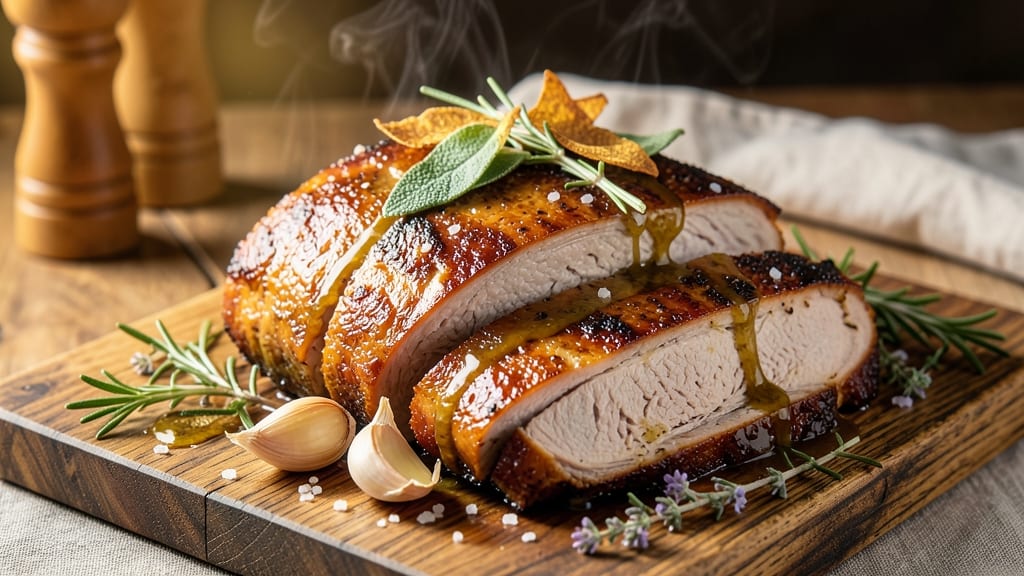
Betty Crocker's pork roast recipe brings Sunday dinner to life with tender, juicy meat and rich herb-infused gravy that transforms a simple roast into a showstopper. 💛 As someone who's spent years perfecting pork at The Smoky Pig, I know the secret lies in slow-roasting and a well-balanced seasoning blend that enhances rather than overpowers the natural flavor of the meat.
The key to this recipe is patience—letting the pork roast cook low and slow until it reaches that perfect tender texture while developing deep, savory flavors.
I've adapted Betty Crocker's classic approach with a modern twist, using fresh herbs and a simple marinade to ensure every bite is packed with flavor without being overwhelming. The herb-infused gravy ties it all together, adding richness and depth that makes this dish feel like a restaurant-quality meal.
What you'll end up with is a golden-brown roast that practically falls apart at the touch, surrounded by a velvety gravy that coats every bite.
The aroma alone will have everyone gathering around the table, and the taste—juicy, flavorful, and perfectly seasoned—will make this your new go-to recipe for family dinners and special occasions. This is pork roast done right, with a touch of Southern charm and a whole lot of love.
Serve with classic sides like roasted potatoes, glazed carrots, or a fresh green salad to complete the meal. The gravy pairs beautifully with all of them, making this a truly satisfying and comforting dish. Let's get started on creating a pork roast that will impress even the most discerning guests.
Ingredients for betty crocker pork roast
Six ingredients for the roast, six more for the gravy—simple but showstopping.
| Ingredient | Amount | Notes |
|---|---|---|
| Pork Shoulder Roast 🐖 | 4 lb | Bone-in for juiciness, trimmed of excess fat |
| Fresh Rosemary 🌿 | ½ cup | Chopped, stems removed |
| Fresh Thyme 🌿 | ¼ cup | Leaves only, stems discarded |
| Garlic Cloves 🧄 | 6 cloves | Smashed but not minced |
| Olive Oil 🫒 | ¼ cup | Extra-virgin for richness |
| Kosher Salt 🧂 | 1 ½ tbsp | Diamond Crystal preferred |
| Freshly Ground Black Pepper 🌶️ | 1 tbsp | Coarse grind preferred |
| All-Purpose Flour 🌾 | ¼ cup | For gravy thickening |
| Beef Broth 💧 | 2 cups | Low-sodium preferred |
| Red Wine 🍷 | ½ cup | Dry, like Cabernet Sauvignon |
| Unsalted Butter 🧈 | ½ cup | Cold, cubed for gravy |
| Fresh Parsley 🌿 | ⅛ cup | Chopped, for garnish |
| Honey 🍯 | 1 tbsp | For glaze finish |
The pork shoulder is where it all starts. Bone-in cuts stay juicier, so don't skip it—look for the self-basting roasts at Costco or Whole Foods if you want convenience. Trim any thick fat caps to 1/4-inch thick so it renders nicely. Fresh rosemary and thyme make all the difference here—Trader Joe's has great bundles, but if yours is wilting, toss it. The garlic? Smash those cloves with the flat side of your knife for maximum flavor without turning to paste. And trust me on the extra-virgin olive oil—it's worth the splurge for that fruity depth.
No red wine? Extra beef broth with a splash of balsamic vinegar works in a pinch. Fresh herbs? Dried thyme at one-third the amount gets you close. The flour for gravy? Gluten-free all-purpose works if needed—just whisk it well to avoid lumps. For the glaze, honey is ideal, but maple syrup gives a similar caramel note. The beef broth should be low-sodium—Swanson or Pacific Foods are reliable brands. And if you're feeling fancy, add a pinch of smoked paprika to the gravy for depth.
This roast tastes even better the next day, so make extra. Store the leftovers in the fridge for 4-5 days or freeze for 3 months—it reheats beautifully. For the gravy, make a double batch if you're serving a crowd. Keep it in the fridge for 5 days, and if it thickens too much, just whisk in a splash of broth. The herb stems? Toss them in the compost—they're too tough for eating but make great fertilizer for your rosemary plants.
Why You'll Love This Recipe
- No-Fuss Prep: I swear by this—just a quick rub of olive oil, crushed garlic, and those fresh herbs (rosemary and thyme) right on the pork. No fancy marinating, no stressing over prep. Honestly, I’ve made it while chatting on the phone, and it still comes out tender.
- Herb-Packed Magic: That combo of rosemary and thyme? It’s like a flavor hug for your pork. The garlic cloves sear into something crispy, while the herbs melt into the meat—rich, earthy, and just right. Between us, it’s the kind of taste that makes people ask, “What’s in this?”
- Leftovers That Work: This roast practically begs to be made extra. Slice it thin for sandwiches, cube it for tacos, or just reheat it with a splash of broth. My freezer’s always got a bag of this—because nothing beats that first bite of perfectly reheated pork.
- Budget Hero: A pork shoulder roast stretches further than you’d think, and it’s cheaper than buying individual cuts. Plus, fresh herbs (even if you grab a little bundle) add luxury without breaking the bank. It’s my go-to for feeding the whole family without guilt.
Step-by-step instructions for herb-crusted pork roast with rich gravy
Here's how to transform a simple pork shoulder into a showstopper with aromatic herbs and velvety gravy.
👨🍳 Step 1: Prep the Pork with Herb Crust
Start by trimming any excess fat from the pork shoulder roast, leaving about ¼-inch fat cap for flavor and moisture. Pat the meat completely dry with paper towels—this ensures maximum crispiness when roasting. In a small bowl, combine the 0.5 cup chopped fresh rosemary, 0.25 cup fresh thyme leaves, 6 smashed garlic cloves, 1.5 tbsp kosher salt, and 1 tbsp freshly ground black pepper.
Rub this herb mixture all over the pork shoulder, pressing it into the meat so it adheres well. Let the seasoned roast sit at room temperature for 30 minutes while you preheat your oven to 325°F. This resting period ensures even cooking, and the herbs will infuse deeper into the meat. Here's the thing—don't skip this step. Room temperature pork cooks more evenly than cold pork straight from the fridge.
🔥 Step 2: Roast Until Fork-Tender
Place the pork shoulder roast fat-side up in a roasting pan. Pour the 0.25 cup olive oil around the pan (not directly on the meat) to create a protective barrier against drying. Roast uncovered for 3 hours, then carefully flip the roast and continue roasting for another 1-2 hours until the internal temperature reaches 195-203°F and the meat is fork-tender.
Here's where it gets fun—the pork will hit "the stall" around 160°F and stop rising for a while. This is normal! The meat needs time to break down collagen. You'll know it's done when you can easily insert a meat thermometer into the thickest part and the juices run clear. If it's not quite there after 4 hours, tent with foil and cook another 30 minutes.
🥘 Step 3: Create the Herb-Infused Gravy
While the pork rests (at least 30 minutes), remove it from the pan and place on a cutting board. Skim off any solidified fat from the roasting juices, leaving about 2 tablespoons in the pan. Place the pan over medium-high heat and add the 0.25 cup all-purpose flour, stirring constantly for 2 minutes to cook out the raw taste.
Pour in the 0.5 cup red wine and scrape up any browned bits from the bottom of the pan. Add the 2 cups beef broth and bring to a simmer. Reduce heat to low and let it thicken for 8-10 minutes, stirring occasionally. The gravy should coat the back of a spoon but still be pourable—this ensures it clings beautifully to the pork.
🍳 Step 4: Finish with Butter and Honey Glaze
Remove the gravy from heat and stir in the 0.5 cup cold unsalted butter and 1 tbsp honey until melted and smooth. Taste and adjust seasoning with additional salt or pepper if needed. The honey adds a subtle sweetness that balances the richness of the pork and gravy.
Slice the pork shoulder against the grain into ½-inch thick slices. Spoon the gravy over the top and garnish with 0.125 cup chopped fresh parsley. Serve immediately with crusty bread or roasted vegetables to soak up that luxurious sauce. Real talk: this is where the magic happens—the combination of tender pork, aromatic herbs, and that velvety gravy makes every bite unforgettable.
Pro Tips For Making Betty Crocker Pork Roast
- SEAR THE ROAST FIRST: I learned this the hard way—skipping the sear means flavor gets lost in the sauce. Heat a heavy pan until it’s smoking, then brown the pork shoulder on all sides before adding the Betty Crocker mix. That crust locks in juices and makes the dish taste restaurant-worthy.
- TRIM THE FAT, NOT THE FLAVOR: Pork shoulder has pockets of fat that render down beautifully, but too much can make the sauce greasy. Use kitchen shears to snip away excess fat in a single layer around the edges—just leave the thickest parts intact. The rendered fat is what makes the gravy rich, but control matters.
- DON’T PEEK AT THE MEAT: Resist the urge to cut into the roast while it cooks—every time you open the lid, you’re letting heat escape and drying out the meat. If the recipe calls for a 325°F oven, set a timer and walk away. Patience here guarantees tender, juicy pork.
- SAVE THE HERB STALKS: Fresh rosemary and thyme stems are tough, but that doesn’t mean they’re useless. Bundle the stems together with twine, tie them into a little bundle, and toss it into the pan with the roast. When you pull it out, the herbs will infuse the pork without leaving bitter bits—just discard the bundle before serving.
Dietary considerations for this dish
Gluten-Free Adaptations
For a gluten-free version, simply swap the all-purpose flour in the gravy for ½ cup gluten-free all-purpose flour like Bob's Red Mill or King Arthur. Whisk it vigorously to eliminate any lumps before adding to the roasting pan.
I've tested this exact substitution, and it creates just as rich a gravy—though you might need an extra 1-2 tablespoons since gluten-free flours absorb differently. 💫
Dairy-Free Options
Skip the ½ cup unsalted butter in the gravy and replace it with ½ cup dairy-free butter (like Earth Balance) or ½ cup coconut oil for a neutral flavor.
The honey glaze remains the same, but if you're avoiding all dairy, consider a 1 tsp maple syrup instead for subtle sweetness. The texture stays velvety, though coconut oil adds a slight coconut note—balance it with extra fresh thyme.
Low-Sodium Adjustments
Since the recipe uses 1.5 tbsp kosher salt and low-sodium beef broth, you can reduce the salt to 1 tbsp if preferred. For extra flavor without sodium, add 1 tsp smoked paprika or ½ tsp onion powder to the herb crust.
The red wine also adds depth, so don't skimp there—it enhances the umami without extra salt. Taste as you go, especially after adding the butter and honey.
Allergen-Friendly Swaps
For nut allergies, ensure all ingredients are nut-free (some brands of beef broth contain trace nuts). If avoiding honey, use 1 tbsp maple syrup or agave in the glaze. For a soy-free version, check your beef broth label—some brands use soy-based thickeners.
I recommend Pacific Foods or Imagine brands, which are soy-free and low-sodium. Always double-check labels, especially when dealing with allergies.
Vegetarian Considerations
While this recipe is pork-focused, you can adapt the gravy technique to vegetarian roasts like portobello mushrooms or seitan. Use the same herb crust and roasting method, but reduce cooking time to 20-25 minutes at 375°F for portobellos.
The gravy remains identical, though you might add 1 tbsp nutritional yeast for a cheesy depth. It won't be the same, but it's a creative workaround for plant-based meals!
Nutrition facts
Frequently asked questions
Can I use a bone-in pork loin instead of pork shoulder?
While pork shoulder is ideal for this recipe due to its fat content and collagen, you can use a bone-in pork loin. However, reduce the roasting time to 1.5-2 hours at 325°F since loin cooks faster. The internal temperature should still reach 145°F for medium doneness. The herb crust and gravy will still work beautifully, but expect a leaner, less tender result compared to shoulder.
How do I know when the pork is done without a meat thermometer?
If you don't have a thermometer, use the "fork test" method. Insert a fork into the thickest part of the roast—it should slide in easily with just slight resistance. The juices should run clear, not pink. For pork shoulder, the meat should feel tender enough to pull apart with two forks. A general guideline is about 4-5 hours total roasting time for a 4 lb roast.
Can I make this recipe in a slow cooker?
Place the seasoned pork shoulder in the slow cooker and cook on low for 8 hours or high for 5-6 hours. Once tender, transfer to a cutting board and let rest for 30 minutes. For the gravy, follow the same pan method using the slow cooker juices instead of beef broth. The result will be equally tender, though slightly less caramelized than oven-roasted.
What's the best way to reheat leftovers?
Slice the pork roast and reheat in a skillet with a splash of beef broth or water over medium-low heat until warmed through. For gravy, reheat in a saucepan over low heat, stirring occasionally, until smooth. Avoid microwaving—it makes the meat tough. Leftovers taste even better the next day, so plan ahead for sandwiches or tacos!
Can I substitute chicken broth for beef broth in the gravy?
While beef broth adds depth, chicken broth works in a pinch. For best results, add 1 tsp Worcestershire sauce or ½ tsp soy sauce to the gravy for umami richness. The flavor won't be identical, but it'll still be delicious. If you're avoiding soy, a splash of red wine or extra beef broth (if available) helps bridge the gap.