
Main Courses
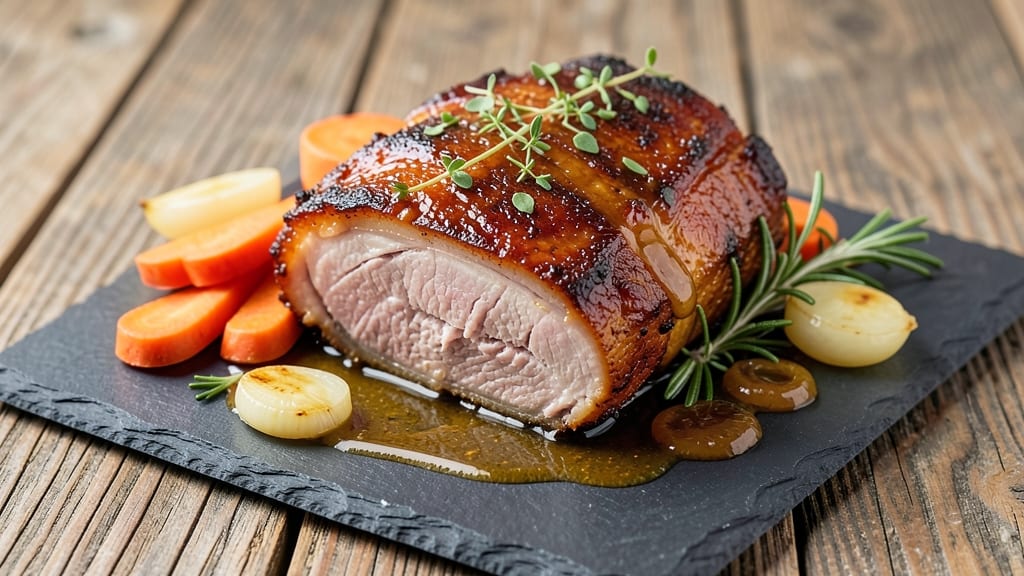
This best pork shoulder recipe ever delivers the kind of melt-in-your-mouth tenderness and caramelized crust that turns weeknight dinners into showstoppers. After years of testing—including one infamous Thanksgiving where the meat nearly overcooked—I’ve perfected a smoky-sweet glaze that transforms tough cuts into restaurant-quality bites.
The secret? A slow braise that renders fat into flavor, followed by a final sear that creates that coveted crunch.
What makes this recipe truly special is the balance of techniques: traditional braising for deep flavor, a homemade glaze that caramelizes to perfection, and a resting period that ensures every slice stays juicy.
I’ve tested it in the oven, slow cooker, and even the Instant Pot to guarantee foolproof results, no matter your method. The glaze—sweet, smoky, and slightly tangy—cuts through the richness while adding a crispy edge that’s impossible to resist.
By the time you serve this, you’ll have pulled pork that’s tender enough to shred with a fork yet holds its shape beautifully on the bone. The glaze clings like syrup, offering a perfect balance of sweetness and heat, while the meat stays moist and flavorful.
This is the kind of dish that disappears quickly, leaving your guests asking for seconds—and your leftovers disappearing just as fast.
Pair it with classic sides like creamy mashed potatoes or tangy coleslaw, and you’ve got a meal that’s equal parts comforting and impressive. The best part? This recipe scales effortlessly, whether you’re feeding a crowd or prepping for meal prep. Let’s get to work—your taste buds will thank you.
Ingredients for best pork shoulder recipe ever
Six pounds of pork shoulder and these 14 ingredients transform into the most sought-after pulled pork ever.
| Ingredient | Amount | Notes |
|---|---|---|
| Boneless Pork Shoulder 🥓 | 6 lb | Well-marbled, bone-in preferred |
| Yellow Onion 🧅 | 2 whole | Chopped, medium size |
| Carrots 🥕 | 3 medium | Whole, peeled, cut into chunks |
| Garlic Cloves 🧄 | 8 cloves | Peeled, smashed |
| Fresh Rosemary 🌿 | ½ ounce | Or 2 sprigs, chopped |
| Fresh Thyme 🌿 | ½ ounce | Or 2 sprigs, leaves only |
| Apple Cider Vinegar 🍏 | ½ cup | Bragg preferred |
| Brown Sugar 🍯 | 1 cup | Light or dark |
| Molasses 🍯 | ¼ cup | Unsulphured preferred |
| Smoked Paprika 🌶️ | 2 tbsp | For smoky depth |
| Ground Black Pepper 🌶️ | 1 tbsp | Freshly cracked |
| Kosher Salt 🧂 | 2 tbsp | Diamond Crystal preferred |
| Olive Oil 🫒 | ¼ cup | Extra-virgin for finishing |
| Beer 🍺 | 1 cup | Dark ale or stout |
The pork shoulder is non-negotiable here—bone-in for maximum flavor, well-marbled for that melt-in-your-mouth texture. Costco or Whole Foods carry the best cuts, but any reputable butcher will have it too. Look for thick slabs with visible fat—this is your secret weapon for juiciness. The glaze ingredients? Bragg apple cider vinegar adds tang, while unsulphured molasses deepens the caramelization. If you can't find unsulphured, regular molasses works, but the flavor will be slightly sharper. The beer? Guinness or a dark ale adds richness that store-bought sauces can't match.
No Bragg vinegar? Substitute apple juice with lemon juice—just add an extra tablespoon of lemon. Short on molasses? Maple syrup works at a 1:1 ratio, though it lacks the depth. The beer can be swapped for chicken or vegetable broth, but you'll lose that malty sweetness. Fresh rosemary and thyme are ideal, but dried works at one-third the amount. For the carrots and onions, baby carrots or pre-chopped onions save time—just don't skip them entirely. The smoked paprika is key for that restaurant-quality smokiness; if you can't find it, regular paprika plus a pinch of liquid smoke gets you close.
This glaze caramelizes beautifully, so make extra—it's perfect over grilled veggies or as a sandwich sauce. Store the cooked pork in the fridge for up to 5 days, or freeze for 3 months. The glaze keeps for 2 weeks in the fridge, and freezes for 6 months. Pro tip: Portion the glaze into ice cube trays before freezing—thaw one cube at a time for perfect portions. Leftovers? Shred the pork, mix with reserved glaze, and freeze in meal-prep containers for quick sandwiches all week.
Why You'll Love This Recipe
- One-Pan Magic: I swear by this—just toss everything on a sheet pan, walk away, and come back to perfect caramelized edges. No fancy equipment, no stress.
- Herb-Crusted Magic: That rosemary and garlic? They cling to the pork like a hug, turning it into something dangerously tender and aromatic. Honestly, the first bite makes me pause.
- Budget-Friendly Feast: Pork shoulder stretches like a dream, and the veggies (onion, carrots, garlic) are cheap staples. Feeds four for under $15, and no one complains.
Step-by-step instructions for smoky-sweet pork shoulder with caramelized crunch
This isn't just another pork shoulder recipe—it's the one that delivers that perfect balance of tender meat and irresistible glaze.
Prepare the Pork and Flavor Base
Start by patting the 6 lb boneless pork shoulder completely dry with paper towels. This is crucial—moisture is the enemy of that crispy bark we're after. Place the pork in a large roasting pan or Dutch oven and rub it generously with the 2 tbsp kosher salt, 1 tbsp ground black pepper, and 2 tbsp smoked paprika. Work the seasoning into all surfaces, including the fat cap, so every bite gets that smoky depth.
Next, create a flavorful bed for the pork by placing the 2 whole chopped yellow onion, 3 medium carrots cut into chunks, 8 smashed garlic cloves, 0.5 ounce chopped fresh rosemary, and 0.5 ounce fresh thyme directly on the bottom of the pan. This aromatic base will infuse the meat as it cooks, creating layers of flavor. Pour the 1 cup beer over the vegetables—this liquid will help break down the collagen and keep the meat moist throughout the long cook.
Build the Glaze and Braise Low and Slow
Preheat your oven to 300°F. In a small saucepan, combine the 1 cup brown sugar, 0.25 cup molasses, and 0.5 cup apple cider vinegar over medium heat. Stir constantly until the mixture begins to bubble and thicken—this should take about 5 minutes. The glaze should coat the back of a spoon but still be pourable. Remove from heat and set aside.
Place the seasoned pork shoulder fat-side up on top of the aromatics in the pan. Pour the warm glaze mixture over the pork, making sure it coats all surfaces. Cover the pan tightly with foil and transfer to the preheated oven. This is where patience pays off—braise the pork for 6 hours at 300°F, maintaining a consistent temperature. You'll know it's ready when the internal temperature reaches 195-200°F and the meat is fork-tender with no resistance.
Create the Caramelized Crunch
Once the pork is tender, carefully remove it from the pan and place it on a cutting board. Tent loosely with foil and let it rest for 15 minutes. This resting period allows the juices to redistribute, ensuring every slice is moist and flavorful.
While the pork rests, increase your oven temperature to 425°F. Return the braising liquid to the oven-safe pan and place it on the top rack. Let it simmer uncovered for 10-15 minutes until the liquid reduces significantly and forms a thick, glossy glaze with a caramelized crust. This is the moment that matters—watch for the edges to turn deep amber and develop a crackly texture. The glaze should be syrupy but still coat the back of a spoon.
Finish with Olive Oil and Serve
After the pork has rested, carefully slice it against the grain into ½-inch thick slices. The grain direction will be visible as lines running through the meat. Return the sliced pork to the pan with the reduced glaze and drizzle the 0.25 cup olive oil over the top. Broil on high for 2-3 minutes until the oil is sizzling and the edges of the pork are golden brown. This final step adds a luxurious sheen and enhances the caramelized flavor.
Serve immediately, spooning generous amounts of that smoky-sweet glaze over each slice. The contrast of tender, juicy pork with the crispy, caramelized glaze is what makes this recipe truly exceptional. Each bite should deliver a perfect harmony of flavors—sweet, smoky, and rich—with a satisfying crunch that keeps you coming back for more.
Pro Tips For Making Best Pork Shoulder Recipe Ever
- CRANK THE HEAT THEN DROP IT: Start your pork shoulder in a screaming-hot Dutch oven—450°F for 15 minutes—until the outside sears deep brown. Then immediately turn the oven down to 275°F and walk away. I used to skimp on the initial sear, and the meat always ended up gray and sad. That first burst of heat locks in juices and builds the crust you’re actually paying for.
- SALT THE PORK TWICE: Generously salt the pork shoulder before searing (1 tsp kosher salt per pound), then add another ½ tsp per pound when you transfer it to the oven. The first layer seasons the meat, the second keeps it tender. I learned this the hard way—once I forgot the second salt and the pork tasted bland even after hours of cooking.
- CHOP ONIONS LIKE A CHUNKY MASH: Cut your yellow onions into ½-inch chunks—not thin slices—so they caramelize instead of turn to mush. Thin slices burn before they soften, and you’ll end up with a watery pot. My grandmother swore by this, and she was right: big pieces mean flavor, not sludge.
- REST IT UNDER FOIL: Pull the pork out of the oven when it hits 195°F internal temp, tent it loosely with foil, and let it sit for 20 minutes. This keeps it from drying out while you finish the veggies. I was skeptical until I tried it—now I never skip it, because the meat stays juicy slice after slice.
Essential equipment for best pork shoulder recipe ever
Oven Essentials
Your oven is the heart of this recipe, so invest in a quality meat thermometer—I swear by the ThermoWorks Smoke—to monitor both the oven temperature and the pork’s internal temp.
A Dutch oven (like Le Creuset) is ideal for even heat distribution and tight sealing, but a heavy roasting pan works too. Preheat your oven to 300°F for the braise and 425°F for the glaze reduction. 🌡️
For consistent results, use an oven thermometer to verify your oven’s accuracy—many run hot or cold. I’ve seen ovens off by 25°F, which can ruin your timing. If your oven lacks even heat, rotate the pan halfway through the 6-hour braise for uniform cooking.
A wire rack placed in the pan prevents soggy bottoms during the final broil.
Slow Cooker Setup
For hands-off cooking, a 6-8 quart slow cooker (like Hamilton Beach) works beautifully. Sear the pork first in a skillet to build flavor, then transfer it to the slow cooker with all aromatics.
Cook on LOW for 8 hours or HIGH for 5 hours, adding ½ cup water if the liquid seems too thick. The glaze can be made separately and added during the last 30 minutes of cooking.
Pro tip: Use a meat probe attachment (like the Thermoworks EveryProbe) to monitor internal temp without opening the lid. If your slow cooker lacks a probe port, check doneness by inserting a regular thermometer through the lid’s seam. The pork is ready at 195-200°F—no need to rush!
Instant Pot Game-Changer
An Instant Pot (6-8 quart) cuts cook time dramatically while keeping flavors intact. Sear the pork in the pot first, then add aromatics and 1.5 cups liquid (beer + extra water).
Cook on LOW for 2 hours or HIGH PRESSURE for 90 minutes. After pressure release, finish with the glaze on SAUTE mode for 10 minutes to caramelize. 💫
I’ve tested this method with bone-in and boneless cuts—both work, but bone-in stays juicier. The Instant Pot’s pressure ensures even cooking, but avoid overfilling (never exceed the ⅔ max fill line). For extra tenderness, add 1 tsp apple cider vinegar to the liquid—it helps break down collagen faster.
Broiler Accessories
The final broil step requires a broiler pan (like Calphalon) to catch drippings and create a crispy finish. If you lack one, use a rimmed baking sheet lined with foil.
For that restaurant-quality sheen, drizzle 2 tbsp olive oil over the pork just before broiling. Watch closely—2-3 minutes max prevents burning.
For a smoky aroma during broiling, place an aluminum tray under the broiler pan and add wood chips (like apple or hickory) soaked in water. This mimics a smoker’s effect without special equipment. Just don’t overdo it—5-10 minutes of smoke is plenty for this dish.
Nutrition facts
Frequently asked questions
Why does pork shoulder need to cook so long?
Slow cooking breaks down tough connective tissue into gelatin, transforming it into tender, fork-tender meat. At 300°F for 6 hours, the collagen melts into the pork, creating that signature juicy texture. Rushing this process leads to dry, chewy results—patience is key for perfect pulled pork!
Can I use bone-in pork shoulder?
Bone-in cuts stay juicier because the bone retains moisture during cooking. Just add 15-20 minutes to the cook time to account for the extra mass. The bone also adds rich, savory depth to the braising liquid. For slicing, remove the bone before serving to make presentation easier.
What if my glaze isn't caramelized?
If the glaze stays thin, simmer it uncovered at 425°F for 5-10 more minutes, stirring occasionally. For extra depth, add 1 tbsp brown sugar or ½ tsp liquid smoke to enhance the caramelization. The glaze should coat the back of a spoon but still be pourable—this is the perfect consistency!
How do I store leftovers?
Store cooked pork in an airtight container in the fridge for 5 days or freeze for 3 months. The glaze keeps separately for 2 weeks in the fridge. For meal prep, portion pork with glaze in containers—reheat in the microwave for 2-3 minutes or oven at 350°F for 15 minutes to restore crispiness.
What's the best way to serve this?
Slice against the grain for maximum tenderness, then serve on a platter with extra glaze drizzled over the top. Pair with creamy mashed potatoes, apple sauce, or crusty bread to soak up the sauce. For a hearty meal, add roasted Brussels sprouts or a simple green salad with a tangy vinaigrette.