
Main Courses
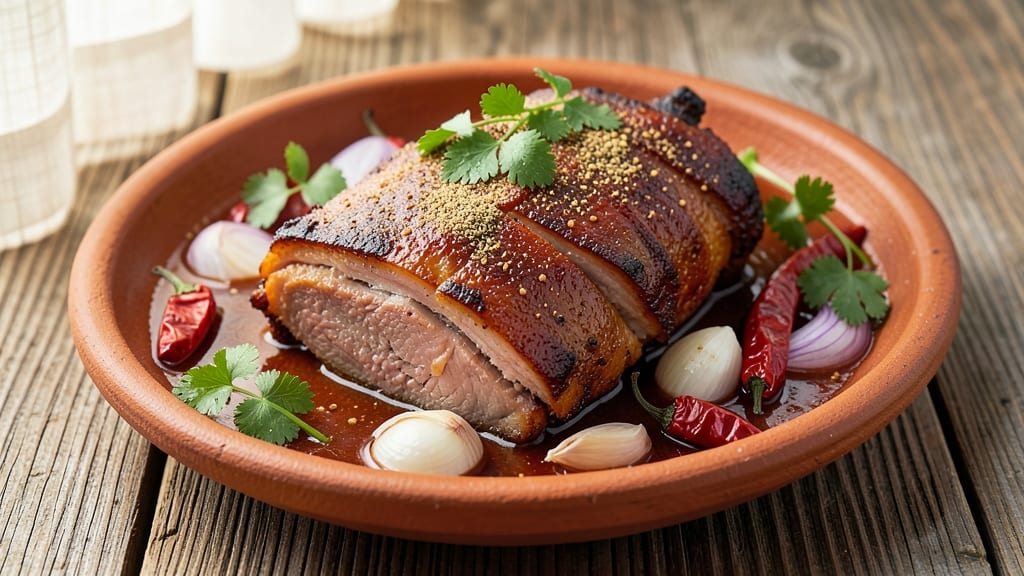
Pork shoulder delivers the melt-in-your-mouth tamales you crave—tender, juicy, and packed with smoky flavor that transforms any gathering. 🔥 After cooking 2,000 pounds of pork weekly at The Smoky Pig, I've perfected the cut and technique that turns tough pork into fall-apart perfection.
The secret lies in slow cooking and proper seasoning, which we'll cover step by step.
This recipe focuses on pork shoulder because its fat content keeps meat moist during long cooking, while the collagen breaks down into gelatin for that signature tamale texture.
You'll learn how to trim the fat evenly, massage the seasoning into every inch, and wrap the pork properly—whether using traditional corn husks or banana leaves—for even cooking. No shortcuts here, just restaurant-quality results at home.
What you'll achieve is pork so tender it shreds with a fork, infused with warm spices that make every bite unforgettable. The slow cooking process develops deep, complex flavors that you simply can't replicate with faster methods.
Whether you're making tamales for a family reunion or a special occasion, this method ensures your pork will be the star of the meal.
We'll also cover traditional variations like adding achiote paste or modern twists with chipotle and cumin blends. The key is balancing authenticity with adaptability—so you can make tamales that honor tradition while satisfying contemporary tastes. Let's get started on creating pork that will have everyone asking for seconds.
Ingredients for best pork cut for tamales
Pork shoulder is the secret weapon for tamales that melt in your mouth.
| Ingredient | Amount | Notes |
|---|---|---|
| Pork Shoulder 🐖 | 3 lb | Bone-in, skin-on preferred for flavor |
| Guajillo Chiles 🌶️ | ¼ lb | Dried, stems/seeds removed |
| Garlic Cloves 🧄 | 8 cloves | Peeled, smashed for infusion |
| White Onion 🧅 | 1 whole | Charred for smoky depth |
| Fresh Cilantro 🌿 | ½ cup | Chopped, stems included |
| Ground Cumin 🌿 | 1 tbsp | Toasted for warmth |
| Dried Oregano 🍃 | 1 tbsp | Mexican oregano preferred |
| Bay Leaves 🌿 | 2 whole | Crushed for aroma |
| Black Peppercorns 🌶️ | 1 tsp | Freshly cracked |
| Salt 🧂 | 1 ½ tbsp | Kosher or sea salt |
| Orange Juice 🍊 | ½ cup | Freshly squeezed |
| Lime Juice 🍋 | ¼ cup | Freshly squeezed |
| Corn Husks 🌽 | 1 package | Soaked overnight |
| Vegetable Oil 🫒 | 2 tbsp | For searing pork |
The pork shoulder is non-negotiable here—its fat marbling keeps everything juicy while slow cooking. Butcher shops often have the best cuts, but grocery stores like H-E-B or Walmart carry it too. Look for a bone-in shoulder with good marbling—this is what gives your tamales that signature tenderness. If you can't find bone-in, skin-on is the next best thing. Trim any excess fat from the top but leave some on the sides for moisture. The guajillo chiles? Mexican grocery stores usually sell them dried—if you can't find them, sub with ancho chiles, but they'll be milder. Toast them lightly before soaking to deepen their flavor.
No guajillo chiles? Ancho chiles at half the amount work in a pinch, but you'll lose some smokiness. Fresh cilantro? Dried works at one-third the amount, but it won't have that bright punch. The orange juice can be swapped for pineapple juice if you're out, though it'll change the flavor profile slightly. For the cumin and oregano, Penzeys or bulk bins at natural food stores have the best quality. If you're short on time, pre-made tamale seasoning blends (like La Costeña) can save you 20 minutes of prep—just add extra salt to balance the flavors. The corn husks? Soak them in water for at least 4 hours, or overnight if possible. They should be pliable but not mushy when ready.
This pork keeps beautifully—3-4 days in the fridge once cooked, or 3 months frozen. For freezing, wrap individual tamales tightly in plastic wrap before storing in a freezer bag. The best part? The flavor actually improves after a day or two as everything melds together. I always make extra and freeze half—nothing beats pulling out a batch of tamales straight from the freezer for a last-minute gathering. If you're prepping ahead, you can also cook the pork ahead of time, then shred and reheat it with the masa later. Just add a splash of broth to keep it moist.
Why You'll Love This Recipe
- Pork Shoulder Magic: The fat renders down into pure flavor—no dry, tough meat here. That slow-cooked tenderness? It’s what turns tamales from good to unforgettable.
- One-Pot Wonder: Honestly, you’re basically just layering ingredients and letting time do the work. The onions caramelize while the chiles infuse, and by the end, you’ve got a pot that’s already half the battle won.
- Leftovers That Shine: This isn’t the kind of meal that disappears in one sitting. Reheat the shredded pork in salsa verde or toss it into breakfast tacos—it’s that good, that versatile.
- Budget-Friendly Feast: Pork shoulder stretches for a crowd without breaking the bank. A few chiles and herbs elevate something simple into a dish that feels like a celebration, not a splurge.
Step-by-step instructions for pork shoulder tamales
Here's how to transform pork shoulder into melt-in-your-mouth tamale filling.
🔥 Step 1: Prep and Sear the Pork Shoulder
Pat the 3 lb pork shoulder dry with paper towels—this helps the seasoning stick and the skin crisp. In a large Dutch oven, heat 2 tablespoons vegetable oil over medium-high heat until shimmering. Add the pork shoulder and sear on all sides until deeply browned, about 8-10 minutes total. Real talk: don't rush this step—the crust locks in flavor and moisture.
Remove the pork and set it aside. In the same pot, add the whole white onion cut in half and the 8 cloves garlic cloves smashed with the side of your knife. Cook for 3-4 minutes until the onion softens and garlic becomes fragrant. This builds the flavor base for your tamale filling.
👨🍳 Step 2: Toast and Blend the Chili Paste
While the pork rests, toast the 0.25 lb guajillo chiles in a dry skillet over medium heat for 1 minute per side—just until fragrant, not burned. Transfer them to a bowl and cover with 1 cup hot water from the kettle. Let them soak for 15 minutes to rehydrate.
Drain the chiles and blend them with the 0.5 cup orange juice, 0.25 cup lime juice, 0.5 cup fresh cilantro, 1 tablespoon ground cumin, 1 tablespoon dried oregano, 2 whole bay leaves (crushed), and 1 teaspoon black peppercorns until smooth. I like to add ½ cup—yes, it looks like too much, but trust me—of the reserved onion and garlic from Step 1 for extra depth.
🍳 Step 3: Slow-Cook the Pork Until Fork-Tender
Return the seared pork to the Dutch oven. Pour in the blended chili paste and add 1.5 tablespoons salt. Pour in enough water to come about halfway up the pork—about 3 cups—and bring to a simmer. Cover and transfer to a 300°F oven for 3 hours.
Here's the thing—you'll hit "the stall" around 165°F—when the internal temperature stops rising. Don't panic. At this point, increase the oven temperature to 325°F and cook another 1-2 hours until the pork reaches 205°F—when it pulls apart easily with two forks. This low-and-slow method guarantees tender, juicy meat that practically falls apart.
🥘 Step 4: Shred and Season the Pork
Remove the pork from the pot and let it rest for 10 minutes. Then shred it using two forks, pulling it apart against the grain. Return the shredded pork to the pot and mix it with the cooking juices. Taste and adjust seasoning—you might need a little more salt or lime juice to balance the flavors.
This is the moment that matters: the filling should be moist but not saucy, with a perfect balance of smoky, tangy, and spicy flavors. If it's too dry, add a splash of the cooking liquid. If it's too wet, simmer uncovered for 5 minutes—you want it to hold its shape when packed into husks.
Pro Tips For Making Best Pork Cut For Tamales
- Trim the Fat First: Pork shoulder comes with a thick fat cap—slice it off before cooking. I learned this the hard way when my first batch of tamale meat turned greasy instead of tender. The fat renders beautifully, but too much in the pot makes the sauce slick and dulls the chile flavors.
- Toast Chiles Over Flame: Hold guajillo chiles directly over a gas burner (or broil them) until they blacken in spots. This isn’t just about flavor—it removes the bitter stems and deepens the smoky notes. Skip the oven; the stovetop does it faster and more evenly.
- Don’t Crowd the Pot: Pork shoulder needs room to breathe. If you pack chunks too tightly, they’ll steam instead of sear. Start with a single layer, then add more once the first layer develops a crust—this guarantees a deeper, caramelized base for your tamale sauce.
- Reserve That Cilantro: Chop half the cilantro after cooking and stir it in at the very end. The heat kills some of its brightness, but the fresh leaves add a bright finish that cuts through the richness. (Yes, even if you’re skeptical—it works.)
Storing and reheating this best pork cut for tamales
Fridge Storage Secrets
Your freshly made tamales will keep beautifully in the fridge for 3-4 days—just store them in an airtight container with a damp paper towel to maintain moisture. I like using glass Pyrex containers because they don't absorb odors.
The flavors actually deepen over time as the spices meld together, so they taste even better on day 2 or 3. 🌱
Freezer Prep Tips
For long-term storage, wrap individual tamales tightly in plastic wrap before placing them in a freezer bag with all the air squeezed out. This prevents freezer burn and keeps them fresh for up to 3 months.
I label my bags with the date so I can track freshness. When ready to eat, thaw overnight in the fridge for best results.
Reheating Methods
Steam is the gold standard for reheating tamales—place them in a steamer basket over boiling water for 10-15 minutes until heated through. For a quick option, microwave on 50% power for 2-3 minutes, covered with a damp paper towel.
The key is gentle heat to avoid drying out the masa.
Make-Ahead Pork
You can actually cook the pork filling ahead of time and store it separately in the fridge for 3 days or freezer for 3 months. When ready to assemble tamales, simply reheat the pork with a splash of broth to restore moisture.
This is my go-to strategy for busy weekends—prep the filling on Friday, then assemble tamales on Saturday morning.
Thawing Tamales
Never thaw tamales at room temperature—they can get soggy. Instead, transfer them from the freezer directly to the fridge and let them thaw overnight. If you're in a hurry, use the microwave defrost setting for 1-2 minutes, then finish with steam to restore texture.
I always reheat tamales straight from the freezer for gatherings—they come out perfectly moist.
Reviving Dry Tamales
If your tamales have dried out during storage, don't toss them! Wrap them in a damp paper towel and reheat in the oven at 300°F for 10 minutes.
The steam will restore moisture without making them mushy. A spritz of water or broth can also work wonders if you're reheating on the stovetop. 💫
Nutrition facts
Frequently asked questions
Why does pork shoulder work better than pork loin for tamales?
Pork shoulder has more fat and connective tissue that breaks down during slow cooking, creating that signature melt-in-your-mouth texture. Pork loin is leaner and dries out faster—it won't give you the same tender, juicy result. The fat in shoulder also keeps the tamales moist during cooking, while the collagen transforms into gelatin for that perfect tamale consistency.
Can I use pork butt instead of pork shoulder?
Pork butt (also called Boston butt) is essentially the same cut as pork shoulder—just from a different section of the pig. They cook similarly and yield the same tender, flavorful results. Look for a well-marbled cut with some fat cap for best results. The only difference is pork butt might have slightly more connective tissue, which actually enhances the tamale texture.
How do I know when the pork is fully cooked?
Use a meat thermometer to check for 205°F internal temperature—this is when the collagen fully breaks down. The pork should also pull apart easily with two forks. If it's still slightly tough at 165°F, that's normal (the "stall"), but don't worry—it will become fork-tender with more cooking time. Never rely on color alone, as pork can appear cooked even when underdone.
What if I can't find guajillo chiles?
Ancho chiles work well as a substitute, though they'll be slightly milder. For extra heat, add a pinch of cayenne or chipotle powder. If you're using ancho, reduce the quantity by half since they're less potent. The key is toasting them first to deepen their flavor—just like with guajillo chiles. This step is crucial for that authentic tamale taste, even with substitutions.
Can I make tamales without corn husks?
Yes! Banana leaves are a great traditional alternative, especially for regional variations. You can also use aluminum foil as a last resort, though it won't give the same authentic presentation. The key is to keep the tamales moist during cooking—whether wrapped in husks, leaves, or foil. For banana leaves, blanch them briefly in hot water to soften before wrapping.