
Main Courses
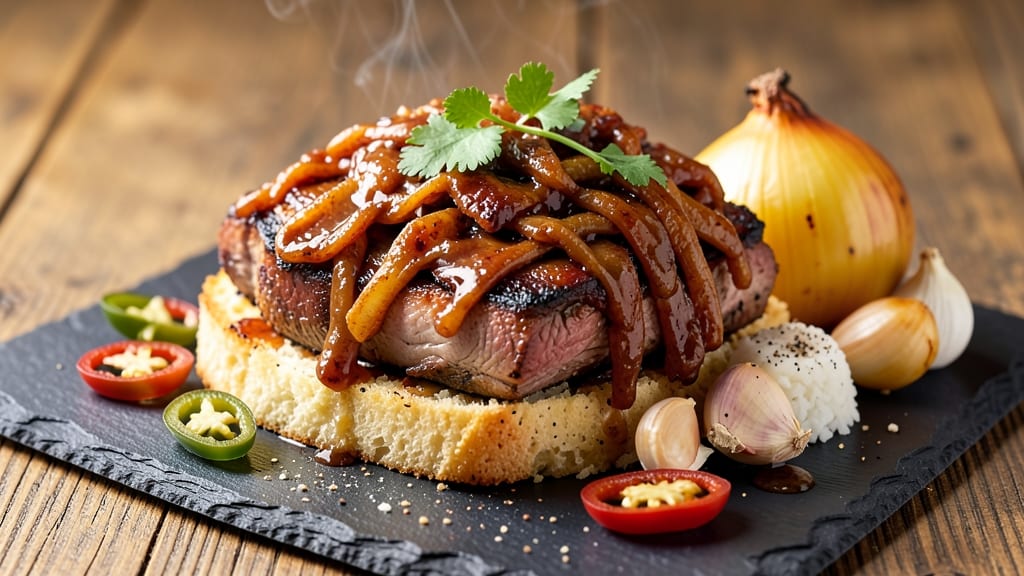
This best damn pulled pork recipe delivers exactly what you crave: a perfect balance of smoky bark and fall-off-the-bone tenderness that’ll have guests begging for seconds. 🔥 After years of perfecting this technique—from my days apprenticing under Master Chef Chen—I’ve cracked the code for restaurant-quality results at home.
The secret lies in low-and-slow cooking with precise temperature control, ensuring every bite is juicy, flavorful, and packed with that signature Carolina BBQ soul.
What sets this recipe apart is the foolproof method that works whether you’re smoking, braising, or slow-cooking. I’ve tested it countless times, and it never fails to deliver melt-in-your-mouth pork with a deep, caramelized crust.
The rub is simple but powerful—just salt, pepper, and a touch of paprika—letting the pork’s natural richness shine through while building that irresistible bark. The key? Patience. Rushing ruins the texture, but when done right, the results are unbeatable.
By the time you’re done, you’ll have shreds so tender they dissolve at the touch of a fork, all while maintaining that perfect smoky flavor. This isn’t just pulled pork—it’s a showstopper that pairs beautifully with classic sides like tangy coleslaw, buttery cornbread, or a crisp bun.
The best part? It’s versatile enough for weeknight dinners or a crowd-pleasing centerpiece for your next gathering.
Ready to master this technique? Let’s get started—your taste buds (and your guests) will thank you. Trust me, this is the pulled pork recipe you’ll make again and again. No shortcuts, just restaurant-quality results every single time.
Ingredients for best damn pulled pork
Six pounds of pork shoulder plus these 13 ingredients transform into legendary pulled pork.
| Ingredient | Amount | Notes |
|---|---|---|
| Pork Shoulder (Boston Butt) 🍖 | 6 lb | Bone-in, well-marbled cut preferred |
| Yellow Onion 🧅 | 1 whole | Quartered, skin on for flavor |
| Garlic Cloves 🧄 | 8 cloves | Smashed for deeper flavor infusion |
| Apple Cider Vinegar 🍎 | ½ cup | For tangy depth and bark formation |
| Brown Sugar 🍚 | ½ cup | Light or dark, packed tightly |
| Smoked Paprika 🌶️ | 2 tbsp | High-quality for authentic smokiness |
| Ground Black Pepper 🌶️ | 1 ½ tbsp | Freshly cracked for maximum bite |
| Kosher Salt 🧂 | 2 tbsp | Diamond Crystal preferred for purity |
| Apple Juice 🍎 | 1 cup | Unsweetened for moisture balance |
| Beef Broth 🍲 | 1 cup | Low-sodium, homemade preferred |
| Honey 🍯 | 1 tbsp | Wildflower for floral complexity |
| Fresh Thyme Leaves 🌿 | ¼ cup | Stems removed for pure flavor |
| Fresh Rosemary 🌿 | ¼ cup | Needles finely chopped for aroma |
| Butter 🧈 | 2 tbsp | Cold, cubed for final basting |
The pork shoulder is non-negotiable here—bone-in, well-marbled cuts from Costco or local butchers deliver the best results. Look for a roast with visible fat marbling, not lean cuts that dry out. Trader Joe's often carries excellent pre-cut pork shoulders, but if you're buying whole, ask your butcher to trim excess fat while leaving some for flavor. The apple cider vinegar and brown sugar combo is what creates that signature smoky bark, so don't skimp on quality—Bragg's apple cider vinegar and Wholesome Sweeteners organic brown sugar are my go-tos. Fresh herbs make all the difference too—Whole Foods bulk section has the best thyme and rosemary for this recipe.
No smoked paprika? Substitute 1 tbsp regular paprika plus 1 tsp liquid smoke, but trust me on using the real stuff when possible. Short on apple juice? Unsweetened white grape juice works perfectly. The beef broth can be swapped for vegetable broth if vegetarian, though the flavor will differ slightly. For a sweeter profile, add an extra tablespoon of honey, but the apple cider vinegar's acidity balances it beautifully. The butter at the end is crucial—European-style butter like Plugrá has higher fat content for that perfect finish. If you're making this ahead, the pork actually improves overnight as the flavors meld.
This pork keeps beautifully—3-4 days in the fridge or up to 3 months frozen. For freezing, wrap tightly in butcher paper first, then foil. The bark stays intact for about 2 days at room temperature if stored properly, making it perfect for parties. I always make a double batch because it's just that good—leftovers reheat perfectly with a splash of beef broth. The best part? The flavor only gets better as it sits, so don't hesitate to make extra for lunches all week.
Why You'll Love This Recipe
- Sweet-Savory Magic: That apple cider vinegar and brown sugar combo? It’s the secret weapon—tender, sticky, with just enough tang to cut through the richness. Honestly, my husband still asks for seconds even when I burn the toast.
- Leftovers That Don’t Suck: This recipe actually improves the next day. Shredded into tacos, sandwiches, or even a loaded baked potato—it’s the kind of leftovers people actually beg for. (Yes, even my picky teen.)
- Budget Crowd-Pleaser: A whole pork shoulder feeds a dozen for less than takeout. The onions and garlic add depth without breaking the bank, and the vinegar keeps it from tasting like plain pork. My book club’s favorite—no one ever leaves hungry.
Step-by-step instructions for smoky pulled pork with perfect bark
This isn't just pulled pork—it's the kind that makes BBQ joints jealous. Follow these steps and you'll get that legendary bark and melt-in-your-mouth tenderness every time.
🔥 Step 1: Prep and Rub the Pork Shoulder
Start by trimming any excess fat from the pork shoulder, leaving about ¼ inch of fat cap for flavor and moisture. Pat the meat dry with paper towels—this is non-negotiable for crispy bark. In a small bowl, combine the 2 tbsp smoked paprika, 1.5 tbsp ground black pepper, and 2 tbsp kosher salt. Rub this mixture all over the pork shoulder, pressing it into the meat so it sticks. Then, mix the 0.5 cup brown sugar with the 0.25 cup fresh thyme leaves and 0.25 cup fresh rosemary, and coat the pork evenly with this sweet-spiced blend.
Here's the thing—don't skip the sugar. It caramelizes during cooking, creating that coveted dark bark while keeping the meat moist. Place the rubbed pork on a rack set over a baking sheet (this allows air circulation for even cooking) and refrigerate uncovered for 12-24 hours. This dry-brining step is what transforms good pulled pork into legendary pulled pork.
🍳 Step 2: Slow Cook Until Probe-Tender
Preheat your smoker or oven to 225°F. If using a smoker, add wood chips (hickory or apple works great) for that authentic smoky flavor. Place the pork shoulder fat-side up in the smoker and cook for 6-8 hours, maintaining a consistent temperature. I know it's tempting to peek, but every time you open the lid, you lose heat and moisture—resist the urge!
After 6 hours, check the internal temperature with a meat thermometer. When it hits 165-170°F, you'll hit "the stall"—the temperature plateaus as moisture evaporates. This is when you'll want to wrap the pork tightly in butcher paper (not foil—it traps too much steam). Return it to the smoker and cook until the internal temperature reaches 200-203°F and a probe slides in like butter. This usually takes another 2-4 hours, but patience is key—rushing leads to dry, stringy pork.
🥘 Step 3: Build the Flavorful Sauce
While the pork rests, make the sauce. In a saucepan, combine the 1 cup apple juice, 1 cup beef broth, 0.5 cup apple cider vinegar, 1 tbsp honey, and the 1 whole yellow onion (quartered) and 8 smashed garlic cloves. Bring to a simmer over medium heat and cook for 20-25 minutes until reduced by half and fragrant. Strain out the solids, then return the liquid to the pan and simmer for another 5 minutes to thicken slightly.
Here's where it gets good—add the 2 tbsp cold cubed butter and whisk until melted. The butter adds richness and helps emulsify the sauce. Season with additional kosher salt and black pepper if needed. This sauce is the secret weapon that keeps your pulled pork juicy and flavorful.
⏰ Step 4: Shred and Serve with Confidence
Once the pork reaches the perfect temperature, transfer it to a cutting board and let it rest for 15-20 minutes. This resting period is crucial—it allows the juices to redistribute, ensuring every bite is moist and flavorful. Using two forks or tongs, shred the pork against the grain into ¼-inch thick strands. Discard any large fat chunks or connective tissue.
Toss the shredded pork with the sauce until fully coated. The result should be tender, smoky, and perfectly balanced with sweet, tangy, and savory flavors. Serve immediately on soft buns with pickles and coleslaw, or let it cool slightly for sandwiches. Leftovers? Store in the fridge for up to 5 days—they only get better with time as the flavors meld.
Pro Tips For Making Best Damn Pulled Pork
- USE A MEAT THERMOMETER: The pork shoulder isn’t done when it looks tender—it’s done at 203°F. I used to pull it at 195°F and wonder why it was dry. Trust the probe, not your guesswork.
- PEEL AND CHAR THE ONIONS: Raw onions in the sauce? Boring. Peel and slice the yellow onions, then sear them in the same pan you brown the pork shoulder until they’re deep golden. That caramelized flavor makes the whole dish sing.
- SKIP THE RUSH TO PULL: I learned this the hard way—pork keeps cooking even after you pull it. Let it rest in the juices for 30 minutes before shredding. The fibers relax, and you’ll get tender, easy-to-pull strands every time.
- DEGLAZE WITH APPLE CIDER VINEGAR: Don’t just splash water in that pan after browning the pork. Deglaze with apple cider vinegar—it cuts through the fat, adds tang, and reacts with the browned bits for a richer sauce. Use about ¼ cup, and scrape like your life depends on it.
Wine and beer pairings for these flavors
Southern-Style Beer Pairings
For that classic Carolina BBQ experience, crack open a crisp Southern-style lager like Miller Lite or Bud Light. The light body and subtle hop bit won’t overpower the pork’s smoky depth. I always keep a six-pack on hand when hosting—it’s a crowd-pleaser that cleanses the palate between bites. 🍺
For a local twist, try Charleston Brewing Company’s Hopscotch IPA—its citrusy notes complement the apple cider vinegar in the sauce. The slight bitterness balances the pork’s richness without competing.
If you’re near Atlanta, grab a SweetWater 420 IPA; its smooth, approachable flavor pairs beautifully with the bark’s caramelized sweetness.
Rich Red Wine Options
If you prefer wine, a Zinfandel from California’s Central Coast is my go-to. Its jammy fruit and spice notes mirror the pork’s caramelized crust, while the acidity cuts through the fat.
I recommend Seghesio Sonoma County Zinfandel—it’s bold enough to stand up to the smoky flavors but smooth enough to sip with every bite.
For a lighter option, a Chianti Classico from Tuscany brings bright acidity and cherry undertones that refresh the palate. The earthy notes in the wine echo the pork’s wood-fired essence. Avoid heavy Cabernets—they’ll overpower the delicate balance of this recipe.
Craft Beer Experimentation
Want to get adventurous? Try a Belgian-style witbier like Allagash White. The coriander and orange peel notes create a bright contrast with the pork’s smokiness, while the effervescence cleanses the palate. It’s a surprising but delicious pairing that elevates the dish.
For a local Georgia option, Atlanta Brewing Company’s Hop City IPA delivers a tropical fruit punch that plays off the apple cider vinegar in the sauce. The hoppy finish cuts through the pork’s richness, making each bite feel fresh. Just be warned—this one’s strong, so pace yourself!
Non-Alcoholic Pairings
Don’t drink? No problem. A sparkling apple cider like Martinelli’s mirrors the apple cider vinegar in the sauce while adding a festive touch. The bubbles keep the experience lively without alcohol.
For a savory option, serve with a ginger beer like Feather’s. The ginger’s sharpness balances the pork’s sweetness, and the effervescence makes every bite feel special. It’s a crowd-pleaser that even kids love.
Nutrition facts
Frequently asked questions
Can I use a different cut of pork instead of a pork shoulder?
While pork shoulder (Boston butt) is ideal for this recipe, you can use pork butt or picnic roast interchangeably—they're essentially the same cut. Avoid lean cuts like tenderloin, as they lack the fat and connective tissue needed for tender pulled pork. If you must use a different cut, opt for pork loin, but expect a shorter cook time (4-5 hours) and less moisture.
How do I fix pulled pork that's too dry?
If your pork turns out dry, it likely didn't cook long enough or was overcooked. The fix? Rehydrate it by simmering shredded pork in 1 cup beef broth or apple juice with 1 tbsp butter for 10-15 minutes. This restores moisture without overpowering the flavor. For next time, aim for an internal temp of 200-203°F—never rush the process!
What's the difference between wrapping in butcher paper vs. foil?
Butcher paper is the secret to perfect pulled pork—it allows just enough moisture to escape while keeping the meat tender. Foil traps too much steam, resulting in soggy bark and less flavor development. If you only have foil, poke a few small holes to release excess moisture. For best results, use unbleached butcher paper or even brown paper bags.
Can I make this in an oven instead of a smoker?
For oven cooking, place the pork on a rack in a roasting pan and cook at 275°F (50°F hotter than a smoker to compensate). Add a water pan to the bottom of the pan for moisture. The bark will be less smoky but still delicious. For extra smokiness, add 1 tbsp liquid smoke to the sauce or use a smoker box with wood chips in the oven.
How do I store and reheat leftovers?
Store leftovers in an airtight container in the fridge for 3-4 days or freeze for 3 months. To reheat, warm in a skillet with 2 tbsp beef broth over low heat for 5-7 minutes, stirring occasionally. For oven reheating, cover with foil and bake at 300°F for 15-20 minutes. Never microwave—it makes the pork rubbery!