
Main Courses
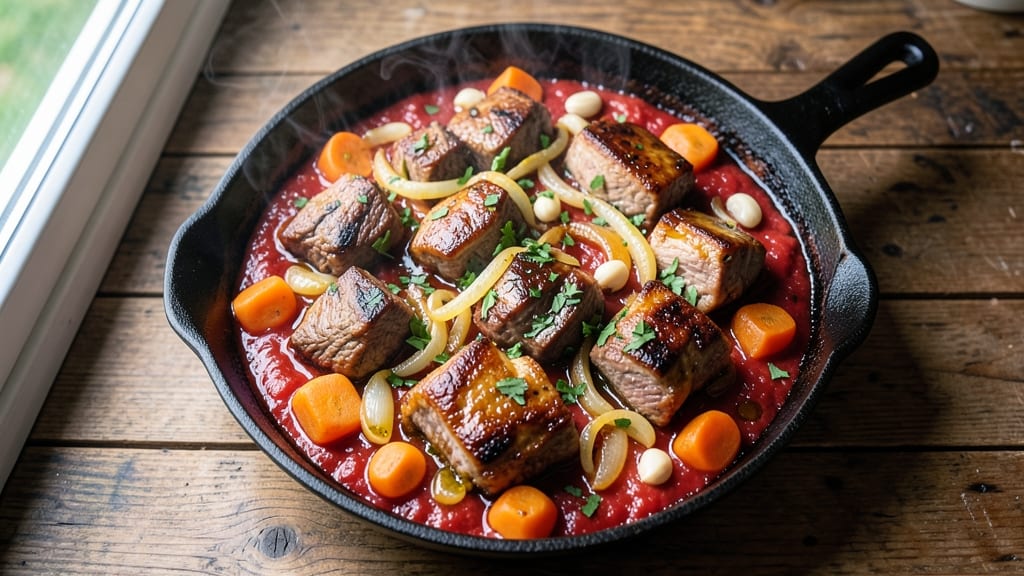
Beef and pork casserole transforms weeknight dinners into restaurant-quality meals with minimal effort—just one pot, 45 minutes, and ingredients you already have. This recipe combines tender beef and juicy pork in a rich, savory sauce that simmers until perfectly tender, creating a dish that feels indulgent yet effortless. I developed it during a particularly busy season at The Smoky Pig, when I needed a hearty main that could feed a crowd without sacrificing flavor or requiring hours in the kitchen.
The secret lies in the balance of proteins and the slow braising technique, which breaks down tough cuts into melt-in-your-mouth bites while developing deep, caramelized flavors. Unlike traditional casseroles that require layering or multiple dishes, this version cooks entirely in one pot—no fuss, no cleanup, and no compromise on taste.
The beef and pork work together to create a dish that’s both comforting and sophisticated, perfect for family dinners or gatherings where you want to impress without stress.
What you’ll end up with is a hearty, one-pot dinner with tender beef and pork swimming in a rich, savory sauce that’s ideal for serving over crusty bread or with a side of roasted vegetables.
The dish delivers restaurant-quality results at home, with layers of flavor that come from slow cooking and simple pantry staples. It’s the kind of meal that tastes even better the next day, making it perfect for leftovers or meal prep.
This recipe is especially satisfying during cooler months, when hearty, warming dishes are a must. The combination of beef and pork adds depth to the flavor profile, while the one-pot method ensures you spend less time cooking and more time enjoying the meal with your guests.
Let’s get started—your dinner table is about to get an upgrade.
Ingredients for beef and pork casserole
One-pot magic starts with these hearty ingredients—beef and pork that melt in your mouth.
| Ingredient | Amount | Notes |
|---|---|---|
| Chuck Roast 🥩 | 1 ½ lb | Cut into 1.5-inch cubes |
| Pork Shoulder 🐖 | 1 ½ lb | Cut into 1.5-inch cubes |
| Yellow Onion 🧅 | 2 whole | Chopped into wedges |
| Carrots 🥕 | 4 medium | Peeled and cut into chunks |
| Garlic Cloves 🧄 | 6 cloves | Minced |
| Tomato Paste 🍅 | ½ cup | Smooth, not chunky |
| Beef Broth 💧 | 2 cups | Low-sodium preferred |
| Red Wine 🍷 | 1 cup | Dry, like Cabernet |
| All-Purpose Flour 🌾 | 2 tbsp | For thickening |
| Dried Thyme 🌿 | 1 tsp | Or 1 tbsp fresh |
| Dried Rosemary 🌿 | 1 tsp | Chopped finely |
| Ground Black Pepper 🌶️ | 1 tsp | Freshly cracked |
| Salt 🧂 | 1 ½ tsp | Kosher or sea salt |
| Olive Oil 🫒 | 2 tbsp | For searing |
The beef and pork cuts make all the difference. Chuck roast and pork shoulder are perfect—they stay tender while developing deep flavor. Grab these from the meat counter at Whole Foods or your local butcher if you can, but the regular supermarket cuts work too. Look for good marbling in the beef and pork—it's what makes the meat juicy. If you're prepping ahead, cube the meat and store it in the fridge for up to 2 days before cooking. The onions and carrots should be firm, not soft or shriveled—they'll sweeten as they cook, adding natural sweetness to the dish.
No red wine? Beef broth with a splash of balsamic vinegar works just as well. Fresh thyme is ideal, but dried thyme at one-third the amount gets you close. The tomato paste can be from a tube or a can—just make sure it's smooth, not chunky. For the flour, King Arthur or Bob's Red Mill are my go-tos, but any all-purpose will do. If you're short on time, swap the pork shoulder for chicken thighs—they hold up well and add a different but delicious flavor profile. The garlic? Fresh is best, but if you're in a pinch, jarred minced garlic works in a bind.
This casserole tastes even better the next day—honestly, it's one of those dishes that improves with time. Store leftovers in an airtight container in the fridge for up to 5 days, or freeze portions for 3 months. I like to double the recipe and freeze half for busy nights. The flavors meld beautifully overnight, so don't skip the leftovers—it's worth the wait. If you're meal prepping, portion it into individual containers so you can just reheat and serve.
Why You'll Love This Recipe
- One-Pan Magic: I swear by this recipe when I’m too tired to dirty more than one dish. Chuck roast and pork shoulder practically cook themselves in the oven, while the onions and carrots soften into sweet, caramelized perfection—no extra pots needed.
- Deep, Savory Richness: That combo of beef and pork? It’s like a hug in a dish. The chuck stays tender while the pork adds juicy depth, and the garlic cloves? They infuse every bite with warm, aromatic goodness—no blandness here.
- Meal Prep MVP: Between us, this is my go-to for busy weeks. I make a big batch on Sunday, and it reheats beautifully for lunches all week. Honestly, the leftovers taste even better the second day—if that’s possible.
- Budget-Friendly Feast: Chuck roast and pork shoulder are affordable cuts that stretch across multiple meals. I’ve fed six people for under $15 with this, and everyone leaves happy. (Yes, even my picky eaters.)
Step-by-step instructions for beef and pork casserole
This hearty one-pot dinner comes together faster than you'd expect—just follow these simple steps.
Sear the Meats for Maximum Flavor
Heat a large Dutch oven over medium-high heat and add the 2 tablespoons olive oil. Working in batches (you'll need to do this twice), add half of the 1.5 lb chuck roast and 1.5 lb pork shoulder cubes. Sear for 3-4 minutes per side until deeply browned—this builds layers of flavor that simmer into the sauce.
I press down gently on the meat with a spoon during the first minute to prevent it from curling and ensure even contact with the pan. Once browned, transfer the meat to a plate. Repeat with the remaining meat, adding more oil if needed. Don't rush this step—those caramelized edges are what make this dish taste restaurant-quality.
Sauté the Vegetables and Aromatics
In the same Dutch oven, add the 2 whole yellow onions and 4 medium carrots in chunks. Cook for 5-6 minutes until the onions soften and the carrots begin to caramelize slightly. You'll see the onions release moisture and then start to brown at the edges—that's when you know they're ready.
Add the 6 cloves minced garlic and cook for another 30 seconds until fragrant. Be careful not to burn the garlic—it should smell sweet and nutty, not bitter. Stir in the 1 tsp dried thyme, 1 tsp dried rosemary, 1 tsp ground black pepper, and 1.5 tsp salt, letting the spices toast for 10 seconds to release their aromas.
Build the Sauce Base
Reduce the heat to medium and stir in the 0.5 cup tomato paste and 2 tablespoons all-purpose flour, cooking for 1 minute to cook off the raw flour taste. Pour in the 1 cup red wine and scrape up any browned bits from the bottom of the pot—this is where all the flavor lives.
Let the wine simmer for 2-3 minutes until reduced by half. The alcohol will cook off, leaving behind a deeper, richer flavor. Then add the 2 cups beef broth and bring everything to a gentle simmer. Here's the thing—this sauce needs time to develop, so don't walk away just yet.
Simmer Until Tender and Flavorful
Return all the meat to the pot and stir to coat everything in the sauce. Bring to a gentle boil, then reduce heat to low, cover, and let it simmer for 30-35 minutes until the meat is fork-tender. You'll know it's ready when the meat easily pulls apart with minimal resistance and the vegetables are tender but not mushy.
I like to check the sauce consistency after 20 minutes—if it's too thin, uncover and simmer for another 5 minutes to thicken it slightly. The meat should be falling off the bone, and the carrots should be soft enough to pierce with a fork but still hold their shape.
Rest and Serve with Confidence
Remove the casserole from heat and let it rest for 5 minutes before serving. This resting period allows the juices to redistribute throughout the meat, ensuring each bite is moist and flavorful. Taste and adjust seasoning if needed—sometimes the wine makes the dish need a little more salt.
Serve directly from the Dutch oven, letting everyone scoop their portion with a ladle. The meat should be tender, the vegetables perfectly cooked, and the sauce rich and savory. This one-pot wonder is perfect for feeding a crowd or prepping ahead—just reheat gently on the stove when ready to serve.
Pro Tips For Making Beef And Pork Casserole
- Sear the Meats First: Chuck roast and pork shoulder taste better when they hit the pan first—no need for fancy cuts. Brown both sides in batches over medium-high heat with a little oil, then pull them out and set aside. The crust locks in flavor, and you won’t end up with bland, mushy meat that just dissolves into the sauce.
- Cut Carrots in Even Sticks: I used to eyeball it, but now I measure: ¼-inch thick, 2-inch long sticks. They cook uniformly and don’t turn to mush in the slow simmer. If you’re lazy, a mandoline makes this stupidly fast—but even a sharp knife works if you’re patient.
- Don’t Overcrowd the Pot: Throwing everything in at once? Bad idea. Layer the meat first, then onions and carrots in a single layer. If you pile it high, the bottom will steam instead of brown, and the flavors stay separate. I learned this after one soggy, flavorless disaster.
- Deglaze with Beer or Wine: After browning the meat, splash in ½ cup of beer or dry white wine—whatever you have. Let it bubble for 2 minutes to lift all those stuck-on bits. It’s the easiest way to add depth without extra effort, and it cuts through the richness of the pork and beef. (Yes, even the cheap stuff works.)
Flavor customization for beef and pork casserole
Spicy Kick
For those who love heat, add 1 tbsp smoked paprika and ½ tsp cayenne pepper when sautéing the vegetables. I also toss in 4-5 sliced jalapeños during the final 10 minutes of simmering for a smoky, spicy depth.
If you prefer milder heat, swap the cayenne for 1 tsp chipotle powder—it adds smokiness without overwhelming spice. 🌶️
Umami Boost
Elevate the dish with 2 tbsp soy sauce or 1 tbsp fish sauce when building the sauce base. These add a deep, savory dimension that complements the beef and pork beautifully.
For extra richness, stir in 1 tbsp Worcestershire sauce along with the red wine. I often use Lee Kum Kee soy sauce for its balanced flavor.
Herb Variations
Swap the thyme and rosemary for 1 tbsp dried oregano and 1 tsp dried marjoram for a Mediterranean twist. Fresh sage works too—add 4 leaves during the last 5 minutes of cooking for an aromatic finish.
If you love fresh herbs, garnish with chopped parsley or cilantro before serving for a bright contrast.
Sweet & Tangy
Balance the richness with 2 tbsp brown sugar and 1 tbsp balsamic vinegar when building the sauce. This caramelizes beautifully during simmering, adding a subtle sweetness that cuts through the meaty flavors.
For a fruity note, add ½ cup cranberry sauce during the final 10 minutes—it pairs surprisingly well with the savory beef and pork.
Creamy Finish
Stir in ½ cup heavy cream or ½ cup coconut milk during the last 5 minutes of cooking for a velvety texture. This works especially well if your sauce is on the thinner side.
For a lighter option, use ½ cup Greek yogurt mixed with 1 tbsp Dijon mustard—it adds tang and creaminess without heaviness.
Nutrition facts
Frequently asked questions
Can I substitute pork shoulder with another cut?
For a leaner option, try pork tenderloin cut into chunks, but it'll cook faster so reduce simmering time to 20-25 minutes. For more flavor, use pork ribs (meaty and tender) or pork butt—both work beautifully. Just remember, fattier cuts add richness to the sauce.
How do I make this casserole ahead of time?
This dish actually tastes better the next day! Cook it completely, then let it cool before refrigerating in an airtight container for up to 5 days. For freezing, portion into individual containers and freeze for 3 months. Thaw overnight in the fridge—never microwave directly from frozen. Reheat gently on the stove with a splash of broth if needed.
What's the best way to reheat leftovers?
Transfer portions to a skillet with a splash of beef broth and warm over medium-low heat for 8-10 minutes, stirring occasionally. Avoid microwaving—it makes the sauce watery. For extra flavor, add 1 tsp Worcestershire sauce when reheating. The slow method keeps everything tender and the sauce rich.
Can I make this dish in a slow cooker?
Yes! Brown the meats first, then transfer everything to a slow cooker with 1 cup broth (instead of 2). Cook on low for 6-7 hours or high for 3-4 hours. The slow cooker method is perfect for busy days—just add a splash of red wine at the end for depth of flavor. The meat will be even more tender from the extended cooking time.
Why did my meat turn out dry?
This usually happens from overcooking or skipping the resting step. The meat should be fork-tender but still juicy—if it's falling apart completely, you went too far. Always let it rest 5 minutes before serving, and check doneness at 30 minutes rather than waiting the full time. A splash of broth at the end can also revive dryness.