
Soups & Stews
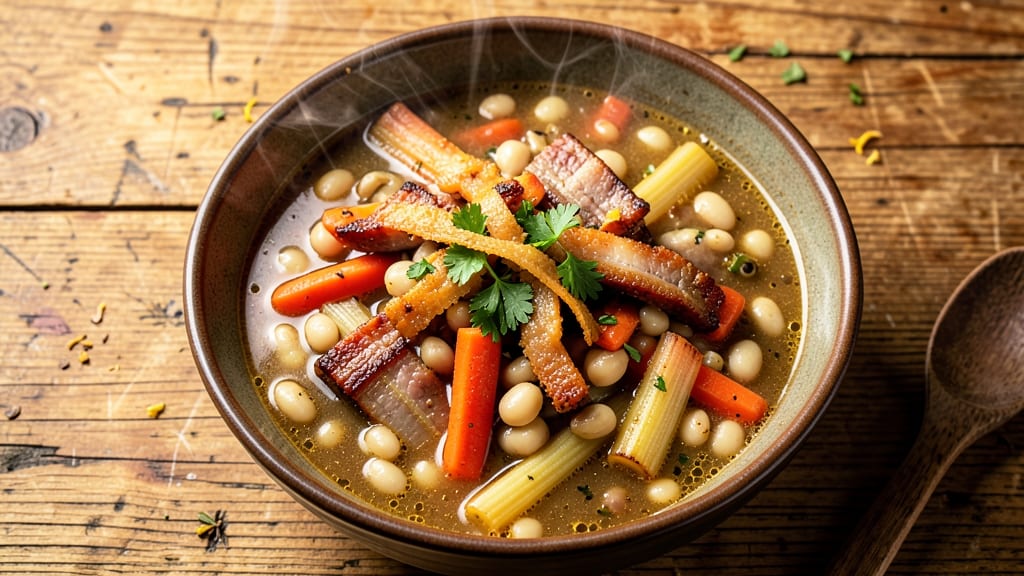
This bean soup with salt pork recipe delivers the kind of soul-warming comfort that turns a simple meal into a family tradition. The smoky-sweet flavor from slow-cooked salt pork transforms humble beans into a hearty, satisfying dish that's been a staple in Southern kitchens for generations.
I perfected this version after years of testing—balancing the saltiness of the pork with the earthy sweetness of beans is an art, but one that yields incredibly rich, flavorful results.
The beauty of this recipe lies in its simplicity and depth. You'll start with dried beans that soak up the pork's savory essence as they simmer, creating a broth so flavorful it needs no embellishment.
The salt pork adds a satisfying fat content that rounds out the dish, while traditional seasonings like bay leaves and thyme ensure layers of aromatic complexity. What you end up with is a soup that's both rustic and refined—perfect for chilly evenings or as a centerpiece for gatherings.
What makes this recipe truly special is the balance of textures and flavors: tender beans, crisp salt pork bits, and a broth that's rich yet light enough to let the ingredients shine. The slow cooking process develops deep umami notes that transform this into something restaurant-quality without requiring fancy techniques.
Serve it with crusty bread to soak up every last drop of that smoky-sweet broth, or pair it with a simple green salad for a complete meal.
This is the kind of dish that gets better with each bite—and even better when shared. The technique is straightforward, but the results are anything but ordinary. Whether you're feeding a crowd or just treating yourself, this bean soup with salt pork delivers comfort in every spoonful. Let's get cooking!
Ingredients for bean soup with salt pork
Six hearty ingredients transform into a soul-warming bean soup with salt pork.
| Ingredient | Amount | Notes |
|---|---|---|
| Dried Navy Beans 🍲 | 2 cups | Uncooked, rinsed well |
| Salt Pork 🥓 | 8 oz | Diced, skin removed |
| Yellow Onion 🧅 | 1 whole | Chopped, medium size |
| Carrots 🥕 | 3 medium | Chopped, peeled |
| Celery Stalks 🌿 | 3 whole | Chopped, leafy parts removed |
| Garlic Cloves 🧄 | 4 cloves | Minced, fresh preferred |
| Bay Leaves 🍃 | 2 whole | Dried, standard size |
| Fresh Thyme 🌿 | 1 tbsp | Leaves only, chopped |
| Black Peppercorns 🌶️ | 1 tsp | Crushed, freshly ground |
| Water 💧 | 8 cups | Or vegetable broth |
| Olive Oil 🫒 | 2 tbsp | For sautéing |
| Salt 🧂 | 1 ½ tsp | Adjust to taste |
| Crusty Bread 🍞 | 1 loaf | For serving (optional) |
The salt pork is the star here—look for thick-cut, cured pork with good marbling at your local butcher or Costco. Pre-sliced deli salt pork works in a pinch, but it lacks that deep, smoky flavor. If you can't find salt pork, smoked bacon is the next best thing (just double the amount). The beans? Dried navy beans are traditional, but great northern or pinto work too. Soak them overnight for best texture—30 minutes minimum if you're in a hurry, but don't skip this step. For the vegetables, Trader Joe's has pre-chopped mirepoix (onion, carrot, celery) that saves time, but fresh is always better if you've got it.
No salt pork? Smoked paprika plus extra bacon mimics that smoky depth. Fresh thyme hard to find? Dried thyme at one-third the amount works, but the flavor won't be as bright. The carrots and celery can be swapped for turnips or parsnips if that's what's in your fridge. For the broth, low-sodium vegetable broth is ideal—Swanson or Pacific Foods are solid brands. If using water, add 1 tsp bouillon powder for extra umami. The olive oil matters here—use extra-virgin for sautéing, but any neutral oil works for the actual cooking. And yes, you can make this vegetarian by omitting the pork and using extra mushrooms or smoked tofu for depth.
This soup tastes even better the next day—plan ahead. Store in the fridge for up to 5 days or freeze for 3 months. The salt pork bits keep well, so you can even freeze the whole soup in portions. For serving, crusty bread is traditional, but cornbread or dinner rolls work too. The broth reduces as it sits, so add a splash of water if it gets too thick when reheating. Leftovers reheat beautifully—just warm on the stove with a splash of water or broth to loosen everything up.
Why You'll Love This Recipe
- No-Soaking Needed: I’ll admit, I used to dread the overnight soak for beans—until I realized these navy beans soften beautifully with just a quick overnight or even a 2-hour simmer in water. That salt pork? It melts into the broth while you chop, so no extra steps.
- Salt Pork Magic: Honestly, that’s the secret weapon. The salt pork renders down into crispy bits that dissolve into the broth, leaving this deep, smoky richness that turns simple beans into something ridiculously good. No fancy seasoning needed—just the onion, celery, and carrots sweating into it.
- Weeknight to Potluck: Between us, this is my go-to when I’m swamped but still want to impress. It’s hearty enough for a family dinner but scales perfectly for a crowd—double the batch, and you’ve got leftovers for days. (Yes, even on a Tuesday night.)
- Budget-Friendly Feast: A pound of dried beans and a slab of salt pork stretch into eight servings, and the veggies? You’re using scraps no one else wants. It’s the kind of meal that makes grocery budgets breathe easier—without sacrificing taste. My daughter picks out the carrots, but still asks for seconds.
Step-by-step instructions for smoky-sweet pork and navy bean soup
This traditional recipe transforms humble ingredients into a rich, comforting soup with deep smoky-sweet flavors.
Soak the Dried Navy Beans
Place the 2 cups dried navy beans in a large bowl and cover them with cold water by about 2 inches. Let them soak overnight in the refrigerator—this ensures even cooking and prevents tough texture. The next day, drain and rinse the beans thoroughly under cold water before using.
I always soak beans overnight because it dramatically reduces cooking time and improves digestibility. If you're short on time, you can use the quick-soak method: cover the beans with boiling water, bring to a boil for 2 minutes, then let them sit off the heat for 1 hour before draining. Just don't skip soaking entirely—it makes all the difference in texture.
Render the Salt Pork and Sauté Vegetables
Heat the 2 tablespoons olive oil in a large Dutch oven over medium heat. Add the 8 oz diced salt pork and cook for 8-10 minutes, stirring occasionally, until the fat renders out and the pork becomes golden brown. Use a slotted spoon to remove the pork and set it aside, leaving the rendered fat in the pot.
In the same pot, add the chopped yellow onion, chopped carrots, and chopped celery stalks. Cook for 8-10 minutes until the vegetables soften and the onion becomes translucent. This step builds the flavor foundation—don't rush it. The vegetables should release their natural juices and create a fragrant base for the soup.
Build the Flavor Base
Add the minced garlic cloves, crushed black peppercorns, and chopped fresh thyme to the pot. Stir for 30 seconds until fragrant—you should smell the garlic blooming and the thyme releasing its earthy aroma. Be careful not to burn the garlic; it should just perfume the vegetables.
Pour in the 8 cups water and bring to a boil. Add the 2 whole bay leaves and the 1.5 teaspoons salt. Once boiling, reduce heat to medium-low and add the soaked navy beans along with the reserved salt pork. The liquid should just cover the beans by about 1 inch—if not, add a little more water.
Simmer Until Tender
Partially cover the Dutch oven and simmer for 1.5 to 2 hours until the beans are fork-tender. You'll know they're ready when they're soft but still hold their shape—they should be easy to crush between your fingers but not mushy. Stir occasionally to prevent the beans from sticking to the bottom.
I check for doneness by tasting a bean—it should be tender with just a hint of resistance. If the soup reduces too much before the beans are tender, add a little more water or broth. The longer it simmers, the more flavorful the broth becomes. This is where patience pays off—don't rush this step.
Finish and Serve
Remove the 2 whole bay leaves from the soup. Taste and adjust the seasoning with more salt if needed. The soup should be rich and flavorful with a perfect balance of smoky salt pork and sweet beans.
Ladle the soup into bowls and serve immediately with slices of crusty bread on the side. The bread soaks up the delicious broth, making every spoonful even more satisfying. This soup tastes even better the next day as the flavors continue to meld, so leftovers make great lunches.
Pro Tips For Making Bean Soup With Salt Pork
- SOAK BEANS OVERNIGHT: I learned this the hard way—rushing the soak leads to tough beans. Use 6 cups water per cup dried navy beans, soak 12+ hours (or quick-soak 2 hours in boiling water). Drain and rinse before cooking to cut down on foam and cooking time.
- CRISP THE SALT PORK: Don’t skip browning the pork—it’s the flavor anchor. Cut into ½-inch cubes, then sear in a cold skillet over medium heat until the fat renders and edges crisp (about 5 minutes). Resist the urge to stir constantly; let it get golden.
- CHOP VEGETABLES UNIFORM: Carrots and celery should be cut into ¼-inch pieces, onions into ⅛-inch dice—this ensures even cooking. I used to eyeball it, but consistent sizes mean no mushy bits or undercooked chunks. A sharp knife makes this faster, too.
- SIMMER LOW AND COVERED: After the initial boil, drop heat to a bare simmer (tiny bubbles at the edges) and keep the pot covered. Navy beans need 1.5–2 hours, but checking every 30 minutes prevents scorching. Sounds tedious, but it’s the only way to avoid gummy texture.
Make-ahead tips for bean soup with salt pork
Overnight Prep Advantage
Start your beans soaking the night before—this isn't just about convenience, it's about flavor. I've found that beans soaked overnight develop a creamier texture and absorb more of the pork's smoky essence during cooking.
Use a large bowl and cover with 2 inches of water to prevent skins from floating to the surface. The next morning, drain and rinse them thoroughly under cold water to remove any residual starch that could make your soup gummy. 💫
Salt Pork Prep Shortcut
Save time by prepping your salt pork while the beans soak. Dice the 8 oz salt pork into ½-inch cubes and store in an airtight container in the fridge until ready to use.
If you're really pressed for time, you can even buy pre-diced salt pork from specialty stores like Charleston Markets—just check for thick, cured pieces with good marbling. The key is to render all that fat before adding vegetables, so don't skip this step even if you're short on time.
Broth Boost Techniques
For maximum depth of flavor, use vegetable broth instead of water—brands like Pacific Foods or Swanson work perfectly. If you're using water, add 1 tsp bouillon powder to mimic the umami.
I like to add a splash of apple cider vinegar (1 tsp) when building the flavor base—it brightens the vegetables and balances the saltiness of the pork. This small addition makes a surprising difference in the final product.
Freezer-Friendly Strategy
This soup freezes beautifully for up to 3 months, making it perfect for meal prep. Let it cool completely before transferring to quart-sized freezer bags or airtight containers. Leave 1 inch of headspace for expansion and label with the date.
When reheating, thaw overnight in the fridge, then warm on the stove with a splash of water or broth to restore the perfect consistency. The flavors actually improve after freezing—it's like time in a flavor vault. ❄️
Day-After Perfection
The best part? This soup tastes even better the next day as the flavors meld together. If it gets too thick after refrigeration, simply add ¼ cup water or broth and warm through. For serving, I like to toast crusty bread with garlic butter and serve it on the side.
The bread soaks up all that rich broth, making every bite even more satisfying. Pro tip: Store any extra broth in ice cube trays for future soups or sauces.
Batch Cooking Tips
Double the recipe and freeze half for future meals—it's perfect for busy weeknights. I often make two large batches on weekends and freeze one portion immediately. When reheating, start with medium-low heat and stir occasionally to prevent scorching.
The slow reheating process helps restore the soup's natural texture without making it watery. This makes it my go-to meal prep dish for the entire month. 💡
Nutrition facts
Frequently asked questions
Can I substitute salt pork with bacon?
Yes, but you'll need to adjust the amount. Use 12 oz smoked bacon instead of 8 oz salt pork—bacon has less fat content, so you need more to match the flavor. The key is rendering enough fat to create that rich, smoky base. If using regular bacon, add ½ teaspoon smoked paprika to the vegetables for extra depth.
How do I make this soup vegetarian?
Swap the salt pork for 12 oz smoked tofu or mushrooms (like cremini or shiitake) for umami. Add 1 teaspoon liquid smoke and ½ teaspoon smoked paprika to mimic the smoky flavor. For extra richness, stir in 1 tablespoon soy sauce at the end. The beans will still be hearty, but the broth will need more seasoning to compensate for the missing pork fat.
Why does my soup taste too salty?
The salt pork itself is heavily cured, so you may not need extra salt. Taste the pork before adding beans—if it's already salty, reduce the added salt to ½ teaspoon or skip it entirely. For balance, add a splash of apple cider vinegar (1 teaspoon) or a pinch of sugar to cut the saltiness. The beans will also dilute the flavor as they cook, so don't over-salt early.
Can I use canned beans instead of dried?
Yes, but the texture and flavor won't be the same. Use 3 (15 oz) cans navy beans, drained and rinsed. Since canned beans are pre-cooked, reduce the simmering time to 30-45 minutes—just enough to heat through and meld flavors. The soup will be creamier but less robust. For best results, still soak the beans overnight (drained from cans) to improve texture.
What's the best way to reheat leftovers?
Gently reheat on the stove over medium-low heat, stirring occasionally to prevent scorching. Add ¼ cup water or broth if the soup thickens too much. Never microwave directly from the fridge—it creates a skin and uneven heating. For extra richness, stir in 1 tablespoon of the reserved pork fat before serving. Leftovers actually taste better the next day as flavors deepen!