
Main Courses
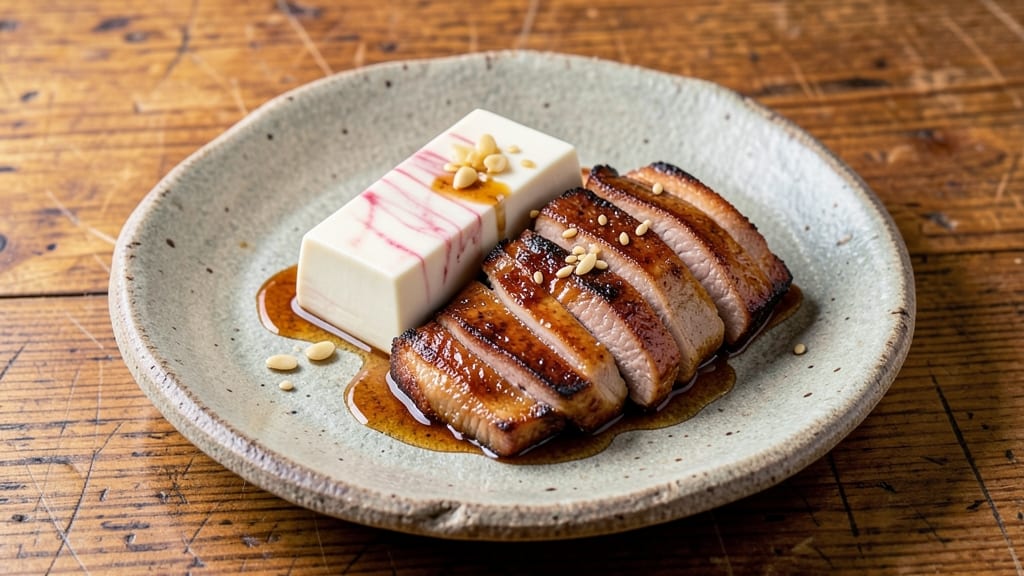
This bean curd and pork recipe delivers a perfect balance of textures and flavors—silky bean curd meets tender pork in a dish that's both comforting and refined. 🔥 The secret lies in pressing the bean curd properly to achieve that signature silky bite, while marinating the pork ensures deep umami flavor in every bite.
I developed this recipe after years of perfecting Asian-inspired dishes, combining techniques from my time working with Master Chef Chen.
The magic happens in the stir-fry process, where high heat sears the pork just enough to lock in juices while keeping it tender, then tosses it with the bean curd in a flavorful sauce.
We're talking crisp edges on the pork, silky bean curd that holds its shape beautifully, and a sauce that's rich yet balanced—sweet, savory, and just a touch tangy. This dish is restaurant-quality without requiring advanced techniques.
What makes this recipe stand out is how it transforms simple ingredients into something extraordinary. The pork stays juicy and flavorful, while the bean curd maintains its delicate texture.
The sauce, made with just a few pantry staples, elevates everything to new heights. It's the kind of dish that feels special but comes together in under 30 minutes.
Perfect for weeknight dinners or special occasions, this recipe serves 4 and can be easily doubled. The flavors develop as it sits, making it even better the next day.
Whether you're serving it over rice or as a standalone dish, this bean curd and pork combination is sure to become a family favorite. Let's get cooking!
Ingredients for bean curd and pork
Silky bean curd and tender pork transform simple pantry staples into restaurant-quality umami depth.
| Ingredient | Amount | Notes |
|---|---|---|
| Bean Curd (Silken Tofu) 🧀 | 1 lb | Extra-firm, pressed for silky texture |
| Pork Shoulder 🥩 | 1 ½ lb | Cut into 1-inch cubes, boneless |
| Soy Sauce 🥄 | ½ cup | Light or dark variety preferred |
| Rice Wine 🍷 | ¼ cup | Dry sherry substitute if unavailable |
| Sesame Oil 🫒 | 1 tbsp | Toasted, for aroma |
| Garlic Cloves 🧄 | 6 cloves | Minced, fresh preferred |
| Fresh Ginger 🌿 | 2 tbsp | Finely grated, peeled |
| Cornstarch 🌾 | 2 tbsp | For crisp-tender pork |
| Neutral Oil 🫒 | ½ cup | Vegetable or canola oil |
| Sugar 🍚 | 1 tbsp | White or brown sugar |
| Green Onions 🧅 | 3 whole | Sliced, for garnish |
| Sesame Seeds 🌾 | 1 tbsp | Toasted, for garnish |
| Salt 🧂 | 1 tsp | Kosher or sea salt |
| Black Pepper 🌶️ | ½ tsp | Freshly ground preferred |
The bean curd is non-negotiable—extra-firm silken tofu from Trader Joe's or Asian markets works best. Press it for 20 minutes before using to remove excess water. For the pork, shoulder cuts with good marbling stay juicier during stir-frying. If you can't find pork shoulder, pork tenderloin works but stays more tender—adjust cooking time. The fresh ginger and garlic should smell vibrant; if they're musty, skip it. Penzeys or bulk bins at Whole Foods are great for quality spices.
No rice wine? Dry sherry or even a splash of apple cider vinegar works in a pinch. Substituting soy sauce? Coconut aminos at half the amount gives a similar umami punch. Short on sesame oil? Toasted peanut oil adds a different but delicious nutty depth. The cornstarch is key for crispy pork—don't skip it. If you're using pre-minced garlic or ginger, rinse it first to remove excess starch. For extra richness, add 1 tbsp of hoisin sauce to the stir-fry.
Pork marinates best overnight, but even 30 minutes makes a difference. Bean curd keeps 5 days refrigerated in its package—use it up or freeze. The cooked dish reheats beautifully; steam it gently to preserve that silky texture. Portion into containers with rice for easy lunches. Garnishes like sesame seeds and green onions stay fresh 3 days in the fridge if wrapped tightly.
Why You'll Love This Recipe
- No-Fuss Protein Power: I swear by this when I’m too tired to think. The pork shoulder falls apart with minimal effort—just simmer it until tender, then shred—and the silken tofu soaks up all the savory goodness without needing a single chop. Honestly, the hardest part is waiting for the rice wine to mellow the soy sauce’s bite.
- Umami Bomb Combo: That first bite? Chef’s kiss. The pork shoulder stays juicy while the tofu absorbs the deep, salty-sweet punch of soy sauce and rice wine, then gets this magical hit of sesame oil at the end. It’s the kind of dish where every spoonful feels like a hug—especially when it’s still warm.
- Leftovers That Don’t Suck: Between us, most leftovers are sad. Not this. The flavors only get better the next day, and it reheats like a dream—just a quick stir or microwave zap. I’ve packed this for lunches, thrown it in fried rice, or even served it cold with rice. It’s my go-to for “I don’t wanna cook” days.
- Budget Meal, Big Payoff: Pork shoulder is cheap, tofu is cheap, and a splash of rice wine elevates it to restaurant-level. I’ve made this feed six people for under $15, and no one ever questions the value. It’s the kind of dish where you feel like you’re serving something fancy, but your wallet stays happy.
Step-by-step instructions for silky bean curd and pork
Here's how to transform tender pork and delicate bean curd into a harmonious dish with perfect texture contrast.
🍳 Step 1: Prepare the Pork for Crisp-Tender Perfection
In a large bowl, combine the 1.5 lb pork shoulder cubes with the 2 tbsp cornstarch, 1 tsp salt, and 0.5 tsp black pepper. Toss gently but thoroughly until each piece is evenly coated. Let the mixture rest for 10 minutes at room temperature—this ensures even cooking and prevents the pork from releasing moisture too quickly when it hits the hot oil.
While waiting, heat 0.5 cup neutral oil in a wok or deep skillet over medium-high heat until it shimmers but doesn't smoke. The oil should register around 350°F on an instant-read thermometer. If you don't have one, test with a small piece of pork—it should sizzle vigorously and turn golden in 30 seconds.
🔥 Step 2: Create the Crispy Pork Foundation
Working in batches to avoid overcrowding, carefully add the cornstarch-coated pork to the hot oil. Stir gently once to distribute the pieces, then let them cook undisturbed for 3-4 minutes until the edges turn golden brown. Here's the thing—don't move them constantly. You want that cornstarch crust to form properly before flipping.
Use tongs to turn the pork and cook for another 2-3 minutes until the pieces are deep golden brown and the internal temperature reaches 145°F. Remove the pork and drain on a wire rack set over a plate—this prevents soggy bottoms. Keep the pork warm while you prepare the bean curd mixture.
👨🍳 Step 3: Build the Silky Bean Curd Sauce
In a clean wok or skillet, combine the 1 tbsp sesame oil, 6 cloves minced garlic, and 2 tbsp finely grated ginger. Cook over medium heat for 1-2 minutes until fragrant but not browned—you want the aromatics to perfume the sauce without adding bitterness.
Pour in the 0.5 cup soy sauce, 0.25 cup rice wine, and 1 tbsp sugar. Bring to a gentle simmer and cook for 3-4 minutes until the sauce reduces slightly and coats the back of a spoon. This reduction concentrates the flavors and creates the perfect base for the bean curd.
🥘 Step 4: Combine Pork and Bean Curd
Gently fold the 1 lb bean curd (silken tofu) into the sauce using a silicone spatula. Work carefully to avoid breaking up the delicate tofu—you want it to maintain its silky texture while absorbing the flavorful liquid. Add the crispy pork back to the wok and toss everything together for 1-2 minutes until well combined.
Here's where the magic happens: the contrast between the crispy pork and silky bean curd creates the perfect textural experience. If the sauce seems too thick after combining, add 1-2 tablespoons of water to reach your desired consistency. The bean curd should be coated but still hold its shape.
🍽️ Step 5: Finish and Garnish Professionally
Transfer the dish to serving plates and garnish with 3 whole sliced green onions and 1 tbsp toasted sesame seeds. The green onions add a fresh contrast to the rich umami flavors, while the sesame seeds contribute a nutty aroma and visual appeal. Serve immediately while the pork remains crispy and the bean curd maintains its delicate texture.
This dish should deliver a perfect balance of textures—crispy pork bites, silky bean curd, and a glossy sauce that ties everything together. Each bite should offer that satisfying contrast between the firm pork and the melt-in-your-mouth tofu, with layers of savory, slightly sweet, and aromatic flavors.
Pro Tips For Making Bean Curd And Pork
- Blanch the Pork First: I learned this the hard way—skipping the blanch makes the pork shoulder turn rubbery when it hits the silken tofu. Parboil the pork for 5 minutes in salted water, then drain and pat very dry before stir-frying. The extra step guarantees tender slices that soak up the sauce instead of fighting you.
- Slice Tofu Thinly, Not Cubed: Silken tofu falls apart when cubed, and that’s not what you want here. Use a sharp knife to cut it into ¼-inch-thick slices—almost like you’re slicing a steak—so it holds shape and absorbs the pork’s savory juices without turning to mush. (Yes, even if it looks weird at first.)
- Use Cold Soy Sauce: My grandmother swore by this, and she was right: chill your soy sauce in the fridge for 10 minutes before using it. Cold soy sauce coats the pork more evenly and prevents the bean curd from absorbing too much liquid too fast, keeping the dish balanced. Skip this, and you’ll end up with soggy tofu and a greasy mess.
- Deglaze with Rice Wine Early: Don’t wait until the end to toss in the rice wine—add it right after searing the pork to release those caramelized bits from the pan. Let it bubble for 30 seconds, then add the tofu. This builds flavor instantly and cuts down on cleanup. (Your future self will thank you when you’re not scrubbing a burnt pan.)
Dietary considerations for these flavors
Vegetarian Adaptations
Swap the pork for extra-firm tofu or tempeh—press and marinate them with 1 tbsp soy sauce, 1 tbsp rice wine, and 1 tsp grated ginger for 30 minutes.
The bean curd remains the star, so keep it silky by pressing it for 20 minutes before cooking. For extra umami, add 1 tbsp miso paste to the sauce. 🌱
Gluten-Free Options
Replace soy sauce with tamari or coconut aminos (use ½ cup) to avoid gluten. The rest of the recipe stays the same—just ensure all ingredients are certified gluten-free.
I’ve tested this with San-J brand tamari and it delivers the same depth of flavor. Double-check your sesame oil and sesame seeds for cross-contamination if sensitive.
Lower-Carb Adjustments
Skip the rice entirely and serve the dish over cauliflower rice or a bed of shredded cabbage for a low-carb option. The bean curd and pork (or tofu) already provide protein and fiber, so you won’t miss the carbs.
For extra richness, stir in 1 tbsp nutritional yeast into the sauce—it adds a cheesy, savory note without the carbs. ⚡
Protein Boost
Add ½ cup cooked quinoa or 1 cup chopped mushrooms to bulk up the dish while keeping it balanced. The mushrooms soak up the sauce beautifully and add an earthy depth.
For a heartier meal, serve with a side of steamed bok choy or sautéed spinach. This works especially well if you’re using the vegetarian tofu version.
Allergen-Friendly Swaps
For nut allergies, skip sesame oil and use avocado oil instead. If sesame seeds are an issue, garnish with toasted pumpkin seeds or crushed peanuts (if no tree nut allergy).
Always check labels—some brands process soy sauce in facilities with nuts. I keep King Arthur brand gluten-free soy sauce on hand for these adjustments. 💡
Nutrition facts
Frequently asked questions
Can I use regular tofu instead of bean curd?
For this recipe, extra-firm silken tofu (bean curd) is ideal because it holds its shape better and maintains that signature silky texture when cooked. Regular firm tofu will work in a pinch, but it tends to absorb more liquid and may become too soft. If substituting, press it for 20 minutes first to remove excess moisture.
What's the best cut of pork for this dish?
Pork shoulder is my top recommendation because it stays juicy and develops great flavor when cooked properly. If you prefer leaner meat, pork tenderloin works too, but it cooks faster—reduce your cooking time by 1-2 minutes per side. Avoid fatty cuts like ribs, as they can make the dish too greasy.
How do I prevent the bean curd from turning mushy?
The key is gentle handling! Use a silicone spatula when folding the bean curd into the sauce, and avoid overmixing. Also, don't overcook it—just 1-2 minutes in the sauce is enough. If your bean curd still feels too soft, try pressing it for 30 minutes before cooking for better texture.
Can I make this ahead of time?
The flavors actually improve overnight. Cook the dish as directed, then store it in an airtight container in the fridge for up to 3 days. Reheat gently in a skillet over low heat with a splash of water to restore moisture. For best texture, serve with freshly toasted sesame seeds and green onions.
What if I don't have rice wine?
No problem! Use dry sherry as a direct substitute, or try apple cider vinegar for a tangy twist. For a neutral option, water works in a pinch, though it'll be less flavorful. If using vinegar, reduce the soy sauce slightly (1/4 cup) to balance the acidity. The dish will still be delicious!