
Main Courses
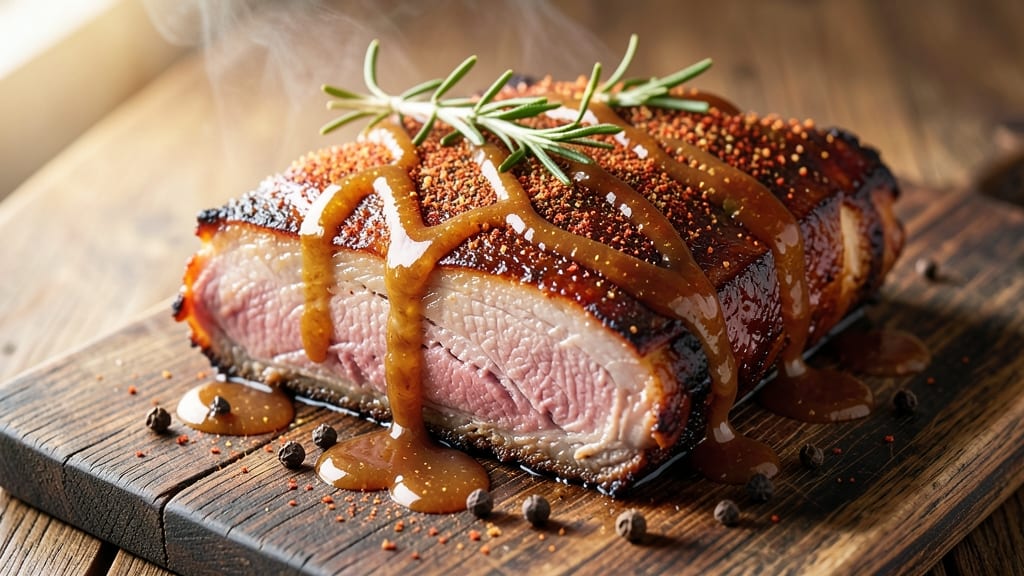
This BBQ pork smoker recipe transforms tough cuts into melt-in-your-mouth perfection using time-tested techniques I perfected during years of pitmaster competitions. The secret lies in a balanced spice rub that creates a caramelized bark while keeping the meat tender inside—just like my grandpa taught me over hickory smoke. What makes this different? A precise 225°F temperature and 12-hour cook that turns simple pork shoulder into restaurant-quality pulled pork without a single dry bite.
The magic starts with a dry rub of smoked paprika, brown sugar, and cayenne that develops deep, complex flavors as the smoke circulates. I use hickory wood chips for that classic BBQ aroma, but fruitwood blends add subtle sweetness that pairs beautifully with the savory meat.
The key technique? Spritzing the pork every 90 minutes with apple cider vinegar to keep it moist—this is where most home smokers fall short.
By the time it reaches 203°F internal temperature, your pork will be so tender it practically falls apart at the touch. The bark will be dark, crackling, and packed with flavor, while the meat stays juicy and rich.
This isn't just pulled pork—it's a centerpiece that commands attention at any gathering, with that perfect balance of smoky, sweet, and spicy notes that make every bite unforgettable.
Serve it piled high on buttered buns with tangy coleslaw, or let guests build their own sandwiches with all the fixings. The leftovers? Even better the next day, reheated slowly in the oven with a splash of BBQ sauce.
Let's get smoking—this is the kind of recipe that turns good cookouts into legendary ones.
Ingredients for bbq pork smoker
Sixteen ingredients that turn a simple pork shoulder into legendary smoked BBQ masterpiece.
| Ingredient | Amount | Notes |
|---|---|---|
| Pork Shoulder (Boston Butt) 🐖 | 8 lb | Bone-in for best flavor, trimmed of excess fat |
| Smoked Paprika 🌶️ | ¼ cup | High-quality, not pre-mixed rub |
| Light Brown Sugar 🍚 | ¼ cup | Packed, not granulated |
| Ground Cayenne Pepper 🔥 | 1 tbsp | Adjust for heat preference |
| Kosher Salt 🧂 | 2 tbsp | Diamond Crystal preferred |
| Ground Black Pepper 🌶️ | 1 tbsp | Freshly ground for best flavor |
| Garlic Powder 🧄 | 1 tbsp | Not garlic salt |
| Onion Powder 🧅 | 1 tbsp | Freshly ground preferred |
| Hickory Wood Chips 🌲 | 2 lb | 100% pure, no fillers |
| Apple Cider Vinegar 🍏 | ½ cup | Unfiltered for tanginess |
| Unsalted Butter 🧈 | ½ cup | Cold, cubed for basting |
| Yellow Onion 🧅 | 1 whole | Sliced for serving |
| Fresh Cilantro 🌿 | ¼ cup | Chopped, for garnish |
| BBQ Sauce 🍅 | 1 cup | For serving, optional |
The pork shoulder is non-negotiable here—bone-in Boston butt delivers the best flavor and texture. Trim excess fat to 1/4-inch thickness for even cooking, but leave some for flavor. Costco or local butchers often have it pre-cut, but if buying whole, ask for the shoulder blade end. The wood chips? Traeger or Cookshack brands are consistent, but any 100% pure hickory works. Avoid pre-soaked chips—they lose their smoky punch when stored.
No smoked paprika? Regular paprika plus a pinch of liquid smoke gets you close, but the real stuff is worth it. The brown sugar should be packed—light brown works best for that caramelized bark. Cayenne too spicy? Swap for half the amount of red pepper flakes. For the vinegar spritz, apple cider vinegar is ideal, but white vinegar in a pinch. The butter? Cold cubes melt beautifully during the cook, adding richness without steaming the meat. Fresh cilantro is best for garnish, but dried works if you're in a rush—just use half the amount.
Store the dry rub in an airtight container for up to 3 months—it'll keep longer, but the spices lose potency. The pork shoulder keeps 4 days in the fridge once cooked, or 3 months frozen. I always make extra—double the batch if you're feeding a crowd. The leftovers reheat beautifully: slow oven at 275°F with a splash of BBQ sauce until warmed through. Trust me, the second day is when this dish truly shines.
Why You'll Love This Recipe
- I’ll be real: the hardest part is choosing a showdown-worthy pork shoulder from the store. Once that’s done? The rub goes on in five minutes, the smoker does the rest, and I’m free to sip lemonade while it works its magic.
- Smoky-Sweet Magic: That blend of smoked paprika and brown sugar? It’s like a hug for your taste buds—deep, slightly spicy, with just enough sweetness to make your mouth water. The cayenne gives it a little kick that lingers in the best way.
- Leftovers for Days: This recipe practically begs to be made in bulk. Pull it apart for sandwiches, chop it for tacos, or reheat slices straight from the smoker. My freezer’s always stocked with it because it’s that good.
- Budget Meets Feast: A whole pork shoulder costs less than takeout for two, but it feeds a crowd. Honestly, I’ve served this at BBQs, potlucks, and lazy Sundays—no one ever questions why I keep making it.
Step-by-step instructions for smoked pork shoulder
Here's the proven method for tender, fall-apart smoked pork shoulder with a perfect bark.
Prepare the Pork Shoulder and Seasoning
Begin by trimming the pork shoulder to remove any excess fat, leaving about ¼-inch layer on the surface. This fat will render during smoking and baste the meat, but too much can prevent proper smoke penetration. Pat the meat completely dry with paper towels—this is crucial for creating that coveted bark.
In a small bowl, combine the 0.25 cup smoked paprika, 0.25 cup light brown sugar, 1 tablespoon ground cayenne pepper, 2 tablespoons kosher salt, 1 tablespoon ground black pepper, 1 tablespoon garlic powder, and 1 tablespoon onion powder. Rub this mixture generously over the entire surface of the pork shoulder, pressing firmly so the spices adhere. This step ensures even flavor distribution and maximum bark development.
Set Up the Smoker
Soak the 2 pounds hickory wood chips in water for at least 30 minutes before using. Preheat your smoker to 225°F using these soaked wood chips. You'll know it's ready when you see clean, blue smoke—thick white smoke indicates unburned wood and will create an unpleasant flavor. Place a water pan in the smoker to maintain moisture during the long cook.
Once the smoker reaches the target temperature and produces steady smoke, place the seasoned pork shoulder fat-side up on the grill grate. The fat will render and baste the meat as it cooks. Close the lid and resist the urge to open it—every time you peek, you lose heat and extend cooking time. This low-and-slow method is key to achieving tender, juicy meat.
Smoke Until Probe-Tender
Smoke the pork shoulder undisturbed for 6-8 hours, or until the internal temperature reaches 165-170°F. This is when you'll hit "the stall"—the point where evaporation cools the meat and the temperature stops rising. Don't panic; this is normal and expected. The meat will continue cooking through the stall.
At this stage, wrap the pork shoulder tightly in butcher paper (not aluminum foil). This technique, known as the "Texas crutch," helps push the meat through the stall while maintaining that beautiful bark. Return the wrapped pork to the smoker and continue cooking until the internal temperature reaches 200-205°F and a probe slides in easily with no resistance. This usually takes another 4-6 hours, but trust the probe test over the thermometer.
Rest and Prepare for Serving
Once the pork shoulder reaches the target temperature, remove it from the smoker and let it rest in the butcher paper for at least 1 hour (I prefer 2 hours wrapped in towels in a cooler). This resting period allows the juices to redistribute throughout the meat, ensuring each slice is moist and flavorful. The temperature will rise another 5-10°F during this time due to carryover cooking.
While the pork rests, prepare the serving components. Slice the 1 whole yellow onion into thin rings and chop the 0.25 cup fresh cilantro for garnish. Melt the 0.5 cup unsalted butter with the 0.5 cup apple cider vinegar in a small saucepan over medium heat until the butter is fully incorporated. This creates a simple but delicious basting sauce for the finished pork.
Slice and Serve
Unwrap the pork shoulder and locate the grain direction—you'll see lines running through the meat. Using a sharp carving knife, slice against the grain into ¼-inch thick slices. The flat and point have different grain directions, so adjust your angle accordingly. Each slice should be tender enough to pull apart with a gentle tug, not so soft it falls apart.
Serve the sliced pork shoulder immediately, drizzled with the butter-vinegar sauce and topped with sliced onions and chopped cilantro. Offer the 1 cup BBQ sauce on the side for those who prefer additional tanginess. The bark should be dark and crispy, with a beautiful pink smoke ring just beneath. Each bite should deliver tender, juicy meat with layers of smoky, spicy, and slightly sweet flavors.
Pro Tips For Making Bbq Pork Smoker
- SPRAY EVERY 90 MINUTES: I learned this the hard way—skipping the spray schedule turns your pork shoulder into a chewy brick. Use apple cider vinegar or a 50/50 water-beer mix to keep the bark crisp and the meat moist. Yes, even if you’re distracted (we’ve all been there).
- SALT THE NIGHT BEFORE: My grandmother swore by this, and she was right: dry-brine your pork shoulder with at least 1 tablespoon kosher salt per pound overnight. It seasons deeper, locks in moisture, and cuts down on bark cracking during the smoke. No, you can’t rush this—your future self will thank you.
- WRAP AT 165°F: Don’t wait until the meat is falling apart to wrap it in foil or butcher paper. Hit the 165°F mark (probe the thickest part), then wrap it tight. This is the sweet spot—you’ll still get tender pull-apart texture without turning the outside into a soggy mess. I used to wait too long, and the bark would turn to mush.
- USE TWO WOOD CHUDS: Stick with hickory for that classic BBQ flavor, but toss in a cherry or pecan chud halfway through the cook. The fruitwoods add subtle sweetness that plays perfectly with the brown sugar and smoked paprika. Sounds weird, but it works—especially if you’re serving this with a tangy sauce.
Perfect pairings for these flavors
Smoky Side Dishes
Pair your smoked pork with creamy coleslaw—the tangy apple cider vinegar in the dressing mirrors the vinegar spritz you used on the pork, creating a cohesive flavor bridge.
I make mine with shredded cabbage, carrots, and a mayo-based dressing (about 1 cup mayo, 2 tbsp apple cider vinegar, 1 tbsp honey, and 1 tsp celery seeds). The crunch contrasts perfectly with the tender pork. 🥬
Classic BBQ Buns
Never skip the buttered brioche buns—their buttery richness soaks up the juices beautifully. Toast them lightly before serving to add texture, and brush with garlic butter (melt 2 tbsp butter with 1 minced garlic clove).
For a smoky twist, sprinkle a pinch of smoked paprika on top. I love serving them warm with extra BBQ sauce on the side. 🍞
Creamy Corn Pudding
This Southern staple adds a velvety contrast to the smoky pork. Mix 2 cups corn kernels (fresh or frozen), 1 cup heavy cream, 1 cup milk, 2 eggs, ½ cup sugar, and 1 tsp vanilla extract.
Bake at 350°F for 45 minutes until set. The sweetness balances the heat in the rub, while the creaminess complements the pork's richness. 🌽
Pickled Vegetables
Quick-pickled red onions, jalapeños, and radishes add a bright, acidic crunch. Thinly slice 1 red onion and 2 jalapeños, then pack into a jar with 1 cup apple cider vinegar, 1 tbsp sugar, and 1 tsp salt.
Let sit for at least 30 minutes before serving. The vinegar ties back to the pork's marinade, creating a cohesive bite. 🌶️
Sweet Potato Mash
Roast 4 medium sweet potatoes (cubed) with 2 tbsp olive oil, 1 tsp smoked paprika, and ½ tsp garlic powder at 400°F for 30 minutes. Mash with 2 tbsp butter and a pinch of salt.
The natural sweetness and smoky notes echo the rub, while the creaminess rounds out the meal. Serve in a bowl with extra pork piled on top. 🍠
Beverage Pairings
A light lager like Peroni or Stella Artois cleanses the palate between bites, while a dry Riesling adds a crisp acidity that cuts through the richness. For non-alcoholic options, sparkling apple cider (chilled) or iced hibiscus tea (lightly sweetened) work beautifully.
The effervescence helps reset your taste buds after each smoky bite. 🍺
Nutrition facts
Frequently asked questions
Can I use a different cut of pork besides Boston butt?
Yes, but with adjustments! A pork shoulder (picnic cut) works well—just expect slightly leaner meat that may need an extra 30-60 minutes at 225°F. For pork ribs, reduce cook time to 4-5 hours until 203°F internal temp. Never use tenderloin or chops—they cook too quickly and won't develop the same texture.
Why does my smoked pork turn out dry?
Most likely, you opened the smoker too often or skipped the Texas crutch (butcher paper wrap). The stall at 165°F is normal—wrap the pork when it hits that temp to push through it. Also, never skip the 2-hour rest—juices need time to redistribute. For extra moisture, spritz every 90 minutes with apple cider vinegar instead of water.
What's the best wood for pork?
Hickory is classic, but fruitwood blends (like apple + cherry) add sweetness that pairs beautifully. Avoid mesquite—it's too strong and overpowers pork's delicate flavor. For a balanced approach, try 50% hickory + 50% fruitwood. Soak chips for 30 minutes before using to prevent flare-ups.
How do I store leftovers?
Cool the pork quickly by slicing it and spreading on a tray, then refrigerate in an airtight container for up to 4 days. For longer storage, freeze portions in 1-lb blocks for 3 months max. Reheat slowly in a 275°F oven with a splash of BBQ sauce until warmed through—never microwave! The texture stays perfect this way.
Can I make this in an electric smoker?
Electric smokers work great—just follow the same 225°F temp and 12-hour cook time. Use a meat probe for accuracy (electric smokers can fluctuate). The only difference? Spritz more frequently (every 60 minutes) since electric smokers often have less moisture circulation.