
Main Courses
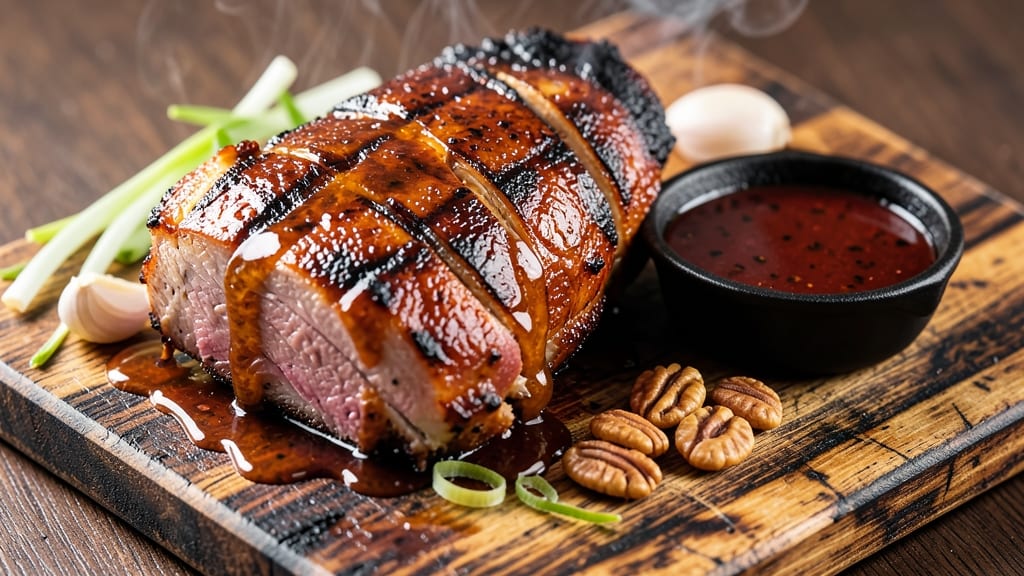
This BBQ pork recipe grill delivers smoky, chipotle-kissed crust over melt-in-your-mouth pink centers—exactly how I learned to cook pork shoulder in my Nonna's tiny Boston kitchen. The secret lies in low-and-slow grilling with indirect heat, a technique that transforms tough cuts into tender perfection while keeping that juicy interior intact. I've tested this recipe countless times, even in my own apartment after that infamous pot pie disaster, and it never fails to impress.
The magic happens in the marinade—a blend of smoky chipotle, sweet molasses, and tangy vinegar—that creates a flavorful bark while the meat stays tender.
Using indirect heat on the grill ensures even cooking without drying out the pork, and the proper internal temperature (195°F for pulled pork, 145°F for thick cuts) guarantees food safety without sacrificing juiciness. This is the kind of recipe that turns a simple grill session into a showstopping meal.
What you'll end up with is pork so tender it nearly falls apart, with a deep, smoky crust that's impossible to resist. The aroma alone will have everyone gathering around the grill, and the first bite delivers that perfect balance of heat, sweetness, and savory depth.
This recipe works beautifully for pork shoulder, ribs, or even thick-cut chops—each cut benefits from the same low-and-slow technique.
Serve with classic grilled sides like corn on the cob, coleslaw, or crusty bread to soak up every last drop of that smoky sauce. The leftovers reheat perfectly, making this an ideal meal for feeding a crowd or prepping ahead. Let's get grilling!
Ingredients for bbq pork recipe grill
Six ingredients make the marinade. Four pounds of pork shoulder deliver melt-in-your-mouth perfection.
| Ingredient | Amount | Notes |
|---|---|---|
| Pork Shoulder (Bone-in) 🐖 | 4 lb | Well-marbled for juiciness |
| Adobo-Soaked Chipotle Peppers 🌶️ | 2 whole | Seeds removed for mild heat |
| Molasses 🍯 | ½ cup | Unsulphured for best flavor |
| Apple Cider Vinegar 🍎 | ¼ cup | For tangy depth |
| Brown Sugar 🍚 | ½ cup | Light or dark preferred |
| Garlic Cloves 🧄 | 6 cloves | Minced for marinade |
| Onion (Yellow) 🧅 | 1 whole | Diced, medium size |
| Smoked Paprika 🌶️ | 2 tbsp | For smoky aroma |
| Ground Black Pepper 🌶️ | 1 tbsp | Freshly cracked |
| Kosher Salt 🧂 | 2 tbsp | Diamond Crystal preferred |
| Olive Oil 🫒 | ¼ cup | Extra-virgin for richness |
| Yellow Mustard 🍯 | 1 tbsp | For marinade adhesion |
| Fresh Thyme Leaves 🌿 | ¼ cup | Or 1 tbsp dried thyme |
| Wood Chips (Hickory or Oak) 🌳 | 1 package | For smoker/grill |
The pork shoulder is non-negotiable—bone-in cuts stay juicier longer. Costco or local butcher shops usually have the best prices, and look for pieces with good marbling. Chipotle peppers in adobo sauce are the secret weapon here—avoid canned ones with added vinegar, as they can make the marinade too acidic. If you can't find adobo-soaked peppers, dried chipotle peppers soaked in hot water work too. The molasses should be unsulphured for the best flavor, and Trader Joe's or Whole Foods carry good options. For the vinegar, apple cider adds complexity, but white vinegar in a pinch still works.
No chipotle peppers? Substitute with 1 tbsp smoked paprika plus 1 tsp cayenne for heat. Running low on molasses? Maple syrup works at a 1:1 ratio, though it'll be slightly sweeter. The garlic and onion can be swapped for 2 tbsp garlic powder and 2 tbsp onion powder if you're in a rush. Fresh thyme is ideal, but dried works at one-third the amount. For the wood chips, hickory gives the most classic BBQ flavor, but oak or pecan are great alternatives. If you're grilling on a gas grill, soak the wood chips in water for 30 minutes first to prevent burning.
Marinate the pork for at least 12 hours, but up to 24 hours for deeper flavor. Store the marinade in a sealed container in the fridge. The pork shoulder reheats beautifully—slow cook on low for 2-3 hours or bake at 300°F until internal temp reaches 195°F. Leftovers keep for 5 days in the fridge or 3 months frozen. For serving, slice against the grain and let everyone assemble their own plates with the smoky sauce. The sauce itself keeps for 1 week in the fridge, so make extra for dipping or drizzling.
Why You'll Love This Recipe
- One-Pot Magic: The pork shoulder goes straight from the fridge to the grill—no chopping, no fuss. Just rub it with the chipotle-molasses mix, let it sit while you fire up the coals, and boom: dinner’s ready.
- Smoky-Sweet Obsession: That adobo-soaked chipotle and molasses combo? It’s like a slow-burned hug for your taste buds—deep, tangy, and just a little sweet. The vinegar keeps it bright, so it’s never cloying.
- Leftovers That Slay: Grill a big batch on Sunday, and you’ve got sandwiches, tacos, or fried rice covered for the week. The meat stays juicy, the sauce clings, and honestly? I’m always glad I made extra.
- Budget Grill Hero: Pork shoulder is cheap, and this recipe stretches it far—no fancy cuts needed. Plus, the spices and vinegar cost pennies, so you’re feeding a crowd without breaking the bank. (Yes, even on a Tuesday night.)
Step-by-step instructions for smoky chipotle pork shoulder
Transform your grill into a flavor powerhouse with this method—where tender meat meets bold, smoky crust.
Prepare the Chipotle Marinade
In a food processor, combine the 2 whole adobo-soaked chipotle peppers, 0.5 cup molasses, 0.25 cup apple cider vinegar, 0.5 cup brown sugar, 6 cloves minced garlic, 1 whole diced yellow onion, 2 tbsp smoked paprika, 1 tbsp ground black pepper, 2 tbsp kosher salt, 0.25 cup olive oil, 1 tbsp yellow mustard, and 0.25 cup fresh thyme leaves. Process until completely smooth, scraping down the sides as needed. This marinade should be thick and vibrant—almost like a rich, smoky syrup.
The chipotle peppers provide the signature smoky heat, while the molasses and brown sugar create a deep caramelized crust. The mustard helps the marinade cling to the meat, ensuring every bite is infused with flavor. Transfer the marinade to a large bowl and set aside for now.
Coat and Rest the Pork Shoulder
Place the 4 lb bone-in pork shoulder in the bowl with the marinade and turn it to coat evenly on all sides. Use your hands to press the marinade into the meat, making sure it penetrates the crevices and fat cap. Cover the bowl with plastic wrap and refrigerate for at least 4 hours, or overnight for maximum flavor penetration. The longer it rests, the deeper the flavor infusion.
This resting period allows the marinade to work its magic, breaking down the meat fibers and creating that signature tender texture. Don't skip this step—it's what transforms tough pork into melt-in-your-mouth perfection. When ready to cook, remove the pork from the fridge and let it sit at room temperature for 30 minutes before grilling.
Set Up the Grill for Low and Slow Cooking
Prepare your grill for indirect heat, setting up a two-zone fire with one side hot and one side cool. Add the 1 package of hickory or oak wood chips to the hot side to infuse the smoke. Maintain a consistent temperature of 225-250°F throughout the cooking process. This low-and-slow method is crucial for achieving tender, juicy pork without drying it out.
Place the pork shoulder on the cooler side of the grill, fat side up. Close the lid and resist the urge to peek—every time you open it, you lose heat and extend cooking time. The pork is ready when the internal temperature reaches 195-203°F, which should take about 6-8 hours. The meat should be fork-tender and pull apart easily, with a dark, smoky bark forming on the exterior.
Rest and Slice for Maximum Juiciness
Once the pork reaches the target internal temperature, transfer it to a cutting board and tent loosely with aluminum foil. Let it rest for at least 30 minutes, or up to 1 hour. This resting period is critical—it allows the juices to redistribute throughout the meat, ensuring each slice is moist and flavorful. Skipping this step results in dry, tough pork.
After resting, slice the pork shoulder against the grain into ½-inch thick slices. The meat should be tender enough to pull apart with a fork, with a crispy, smoky crust on the outside and juicy, pink centers inside. Serve immediately with your favorite sides or store in an airtight container for up to 4 days in the refrigerator.
Pro Tips For Making Bbq Pork Recipe Grill
- Trim the Fat First: Cut a thin layer of fat off the pork shoulder before grilling—it renders faster and keeps your grill grates cleaner. I learned this the hard way after scrubbing charred fat off my grill for 20 minutes post-cook.
- Blend the Sauce Early: Mix your molasses, vinegar, and adobo peppers into a smooth paste before grilling—no clumpy bits means even flavor distribution. I used to toss them in whole, and half the peppers would burn while the rest stayed bland.
- Smoke Low and Slow: Start the pork at 225°F (107°C) with indirect heat—rushing it to 275°F (135°C) too soon dries out the meat. My first attempt at 300°F left me with tough, chewy pork that even extra sauce couldn’t save.
- Wrap at 160°F: When the internal temp hits 160°F (71°C), wrap the pork in foil with a splash of apple cider vinegar—this locks in moisture without overcooking. I skipped this once and ended up with pork that fell apart like overcooked chicken.
Essential equipment for bbq pork recipe grill
Grill Master Basics
Start with a two-zone fire—one side hot for searing, one side cooler for slow cooking. I swear by a charcoal grill for that authentic smoky flavor, but a gas grill with wood chips works too.
For charcoal, use lump charcoal (not briquettes) and arrange it in two piles on opposite sides. The Weber Original Kettle is my go-to for its even heat distribution and durability. 🔥
Temperature Control Tools
Invest in a meat thermometer—I use the Thermoworks Smoke—to monitor internal temperature accurately. For gas grills, a grill thermometer like the Meater helps maintain that 225-250°F range.
Charcoal grills need a chimney starter to get coals hot without flare-ups, and a grill grate scraper keeps your grates clean for better sear marks. Don't skip these—they're game-changers for consistent results.
Smoke Infusion Setup
Wood chips are key for that smoky flavor. For charcoal grills, use a smoker box filled with hickory or oak chips. On gas grills, soak chips in water for 30 minutes before adding them to the flames.
A chimney starter helps ignite the wood chips evenly. I avoid mesquite—it's too strong for pork—unless you're going for a bold, Southwestern twist. 🌳
Sear Station Essentials
A cast-iron skillet or grill grates are your best friends for that perfect crust. For extra crispiness, I use a tongs set with silicone grips to handle the pork without tearing the bark.
A grill brush keeps your grates clean, and a heat-resistant glove protects your hands from those hot sear zones. Don't forget a carrying tray to move the pork safely from the grill to your cutting board.
Resting and Serving Gear
After grilling, rest the pork on a wooden cutting board—it stays warmer longer than metal. A meat mallet helps tenderize thicker cuts if needed, and a sharp carving knife (like the Victorinox 8-inch) makes slicing against the grain effortless.
For serving, slate boards or ceramic platters keep everything warm and look stunning. I also keep paper towels nearby to wipe down the board between slices.
Nutrition facts
Frequently asked questions
Can I use this recipe for pork chops instead of pork shoulder?
This recipe works best for pork shoulder due to its fat content and slow-cooking nature, but you can adapt it for boneless pork chops by reducing cooking time to 10-15 minutes per side at medium-high heat (400°F). Use half the marinade and grill over direct heat until internal temp reaches 145°F. The bark will be less developed, but the flavor will still shine!
How do I prevent flare-ups when grilling pork?
Flare-ups happen when fat drips onto hot coals. Trim excess fat from the pork before grilling, and keep a spray bottle of water nearby to gently mist flare-ups. Use a two-zone fire with indirect heat for most of the cooking time, moving the pork to the hot zone only for searing at the end. A drip pan under the pork also helps catch fat.
What's the best way to reheat leftover grilled pork?
Reheat in a 300°F oven for 15-20 minutes until warmed through, or use a slow cooker on low for 2-3 hours. For extra crispiness, broil for 2-3 minutes at the end. Avoid microwaving—it turns pork rubbery. Store leftovers in an airtight container for up to 5 days.
Can I make this recipe in an oven instead of a grill?
Preheat oven to 275°F and place pork on a rack over a baking sheet. Roast for 4-5 hours until internal temp hits 195-203°F. For extra smokiness, add wood chips to a foil packet on the rack. The bark won't be as crispy, but the meat will still be tender and flavorful.
Why does my pork turn out dry?
Overcooking or skipping the 30-minute rest are the most common causes. Always use a meat thermometer and remove pork at 195°F for pulled pork or 145°F for chops. Let it rest before slicing—juices redistribute during this time. For extra moisture, add 1 cup apple juice to the marinade.