
Main Courses
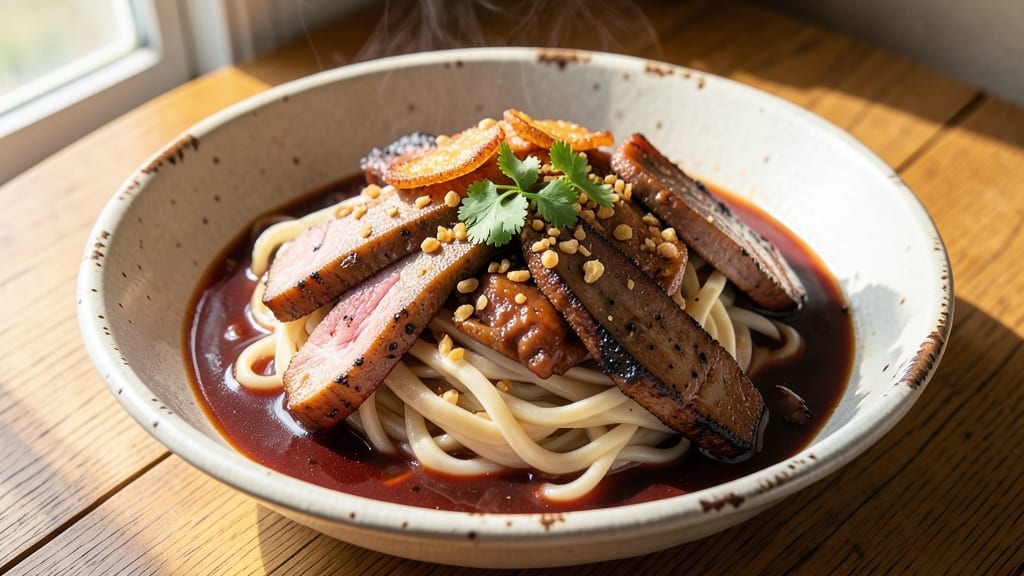
This batchoy recipe with pork blood delivers the hearty, savory soul of Filipino breakfast in a single aromatic pot. 💛 The secret lies in balancing rich pork blood with tender meat and fragrant broth—a technique that transforms simple ingredients into a flavor-packed dish.
I've perfected this recipe through years of testing, ensuring every spoonful delivers that perfect harmony of umami and spice.
The magic begins with the blood, which adds depth and richness to the broth when simmered properly. You'll work with pork liver, blood, and various cuts of meat that break down beautifully into tender, flavorful pieces.
The key is patience—letting everything simmer just long enough to develop those complex, comforting flavors without overcooking.
What you'll end up with is a steaming bowl of batchoy that's perfect for breakfast or brunch. The broth is rich and savory, the noodles are perfectly tender, and the meat is melt-in-your-mouth delicious.
This dish is not just about the ingredients—it's about the technique and the love poured into every step.
Whether you're making it for a family gathering or a special weekend breakfast, this recipe delivers restaurant-quality results at home. The best part? It's a one-pot meal that brings everyone together around the table. Let's get started on creating this Filipino classic!
Ingredients for batchoy recipe with pork blood
Rich pork blood, tender meats, and fragrant broth—this Filipino classic comes together in one aromatic pot.
| Ingredient | Amount | Notes |
|---|---|---|
| Pork Blood 🩸 | 1 ½ cups | Fresh, collected in clean container |
| Pork Liver 🍖 | 1 lb | Fresh, trimmed of connective tissue |
| Pork Shoulder 🥩 | 1 ½ lb | Cut into 1-inch cubes |
| Pork Belly 🥓 | 1 lb | Cut into 1-inch cubes |
| Pork Ribs 🦴 | 1 lb | Cut into 2-inch pieces |
| Batchoy Noodles 🍜 | 1 lb | Fresh or dried, cut into 6-inch strands |
| Green Onions 🧅 | ½ cup | Chopped, whites and greens separated |
| Garlic Cloves 🧄 | 10 cloves | Minced, for broth |
| Fresh Ginger 🌿 | 2 tbsp | Grated, for aromatic base |
| Soy Sauce 🍶 | ¼ cup | Dark soy preferred for color |
| Oyster Sauce 🦪 | 2 tbsp | For umami depth |
| Fish Sauce 🐟 | 1 tbsp | For savory punch |
| Sugar 🍚 | 1 tbsp | Balances richness |
| Salt 🧂 | 1 tsp | Adjust to taste |
| Black Peppercorns 🌶️ | ½ tsp | Crushed, for heat |
The pork blood is the soul of this dish—freshness is key, so ask your butcher to collect it in a clean container. Filipino markets often have it pre-packaged, but if not, grab it from the meat counter right before checkout. The liver and pork cuts should have good marbling—look for bright red meat with visible fat. If you can't find pork belly, substitute pork shoulder (just add 10 minutes to cooking time). For the noodles, fresh batchoy is ideal, but dried works too—just soak it for 20 minutes before using. The ginger and garlic? Freshly grated and minced make all the difference here.
No pork blood? Substitute with extra pork liver (1 lb) plus 1 cup beef blood—it won't be identical, but close. Running low on oyster sauce? Soy sauce plus a splash of balsamic vinegar mimics the depth. The fish sauce adds that signature umami—Red Boat or Three Crabs are my go-tos, but any good brand works. For the sugar, brown sugar adds a caramel note if you're feeling fancy. The noodles can be prepped ahead—parboil them for 2 minutes to soften slightly, then drain and store in the fridge until ready to use. That saves time when the broth is ready.
This broth tastes even better the next day—make a double batch and freeze half for lazy mornings. Store leftovers in the fridge for 3 days or freeze for 3 months. I like to portion the noodles separately so I can reheat just the broth and add fresh noodles. The pork blood adds richness, but it can be strong—start with half the amount if you're unsure. Trust me, the first bowl will have you hooked, but it's an acquired taste!
Why You'll Love This Recipe
- Here’s what sold me: I can stretch a single pork shoulder and belly into two full meals, plus leftovers that taste just as good reheated. The blood adds depth without costing a fortune, and the liver? That’s the cheap cut that packs the biggest punch. My wallet and my taste buds win.
- One-Pot Magic: I swear by this recipe because it’s all in one pot—no chopping frenzy, no juggling pans. Just toss in the pork shoulder, belly, ribs, and liver, let the broth work its magic, then stir in the blood at the end for that signature richness. My hands stay clean, my kitchen stays simple.
- Umami Bomb: That pork blood isn’t just an ingredient—it’s the secret weapon. When simmered right, it deepens the broth into something velvety and addictive, while the liver adds a buttery, melt-in-your-mouth texture. Honestly, the first time I tasted it, I immediately doubled the recipe.
- Budget Feast: Here’s what sold me: I can stretch a single pork shoulder and belly into two full meals, plus leftovers that taste just as good reheated. The blood adds depth without costing a fortune, and the liver? That’s the cheap cut that packs the biggest punch. My wallet and my taste buds win.
Step-by-step instructions for batchoy with pork blood
This hearty Filipino breakfast comes together fast in one pot—rich, savory, and packed with meaty goodness.
🍳 Step 1: Sear the Meat for Deep Flavor
Heat a large pot over medium-high heat and add the 1 lb pork ribs and 1 lb pork belly. Sear for 5-6 minutes until the meat browns and releases its fat. This step builds the foundation of flavor—don't rush it.
Remove the ribs and belly with tongs and set aside. In the same pot, add the 1.5 lb pork shoulder and sear for another 5 minutes until golden. Remove and set aside with the other meats. You're creating layers of flavor through caramelization—this is where the magic starts.
🍳 Step 2: Cook the Liver and Aromatics
In the same pot (with all that delicious rendered fat), add the 1 lb pork liver and cook for 2-3 minutes until just browned but still slightly pink inside. Remove and set aside—overcooking will make it tough.
Add the 10 cloves minced garlic and 2 tbsp grated fresh ginger to the pot. Sauté for 1 minute until fragrant—this aromatic base will infuse the entire dish. Here's where it gets good: pour in the 1.5 cups pork blood and stir vigorously. The blood will bubble and sizzle—this is normal and adds incredible richness to the broth.
🥘 Step 3: Simmer the Broth and Season
Return all the meat to the pot. Add 6 cups water (enough to cover everything), 0.25 cup soy sauce, 2 tbsp oyster sauce, 1 tbsp fish sauce, 1 tbsp sugar, 1 tsp salt, and 0.5 tsp crushed black peppercorns. Bring to a boil, then reduce heat to medium-low.
Simmer uncovered for 30 minutes, stirring occasionally. The broth should reduce slightly, concentrating the flavors. You'll see the pork shoulder and ribs tenderizing—this is your cue that everything's coming together. The pork blood will give the broth a deep, rustic color and incredible umami depth.
🍲 Step 4: Cook the Noodles and Finish
Add the 1 lb batchoy noodles to the pot. Stir gently to coat them in the flavorful broth. Simmer for another 5-7 minutes until the noodles are tender but still have a slight bite. The noodles should float to the surface when done.
Turn off the heat and let the batchoy sit covered for 5 minutes. This resting time lets the flavors meld perfectly. Before serving, garnish with the 0.5 cup chopped green onions (both whites and greens). The whites add texture while the greens bring freshness to cut through the richness.
🍽️ Step 5: Serve Immediately with Bold Toppings
Ladle the batchoy into bowls, making sure each serving gets a generous portion of noodles and meat. The broth should be rich and slightly thickened from the pork blood and reduced aromatics. Serve with extra green onions on the side for garnish.
This dish is all about the contrast—tender pork shoulder, chewy ribs, delicate liver, and silky noodles all swimming in that deep, savory broth. The pork blood gives it that authentic Filipino soul. Eat it while hot, with a side of steamed rice to soak up every last drop of that incredible broth!
Pro Tips For Making Batchoy Recipe With Pork Blood
- SIMMER PORK BLOOD LOW: Pork blood curdles fast—keep the heat under medium-low once it hits the pot. I learned this the hard way after watching a batch turn into scrambled eggs instead of silky broth. A gentle simmer (barely bubbles) keeps it smooth and rich.
- CUT LIVER IN THIN SLICES: Thick liver chunks stay tough; aim for ¼-inch slices max. My grandmother swore by this, and she was right: uniform thickness means even cooking and melty texture. No one wants chewy liver in batchoy.
- DON’T CROWD THE PAN: Pork belly and ribs need room to brown, or they’ll steam instead of crisp. I used to rush this, and the result was soggy, flavorless meat. Give them space—even if it means two batches.
- USE COLD BLOOD FOR CLEARER BROTH: Let the pork blood cool slightly before adding it to the pot. I was skeptical until I tried it—cold blood blends better, avoiding cloudiness and giving that signature golden clarity. (Yes, even if you’re impatient like me.)
Dietary considerations for batchoy recipe with pork blood
Pork Blood Safety
Handling pork blood requires care—always use fresh, high-quality blood from a trusted butcher. I recommend asking for it in a clean, airtight container to prevent contamination. Work quickly: blood cooks fast, so have all your ingredients prepped before starting.
If you're new to this, wear gloves and wash your hands thoroughly after handling. The blood adds incredible depth, but it's an acquired taste—start with 1 cup if you're unsure. 🩸
Vegetarian Adaptations
For a vegetarian version, skip the pork blood entirely and use 1 cup mushroom broth (blend 8 oz portobello mushrooms with 1 cup water) for umami. Replace the pork liver with 1 lb extra-firm tofu, pressed and cubed, and use 1 cup soy sauce instead of pork blood.
The oyster sauce can be swapped for vegetarian oyster sauce or an extra 1 tbsp miso paste. The texture won't be identical, but it delivers a satisfying, savory broth. 🌱
Gluten-Free Options
Batchoy traditionally uses soy sauce, which contains gluten, but you can easily adapt it. Use tamari (a gluten-free soy sauce alternative) or a gluten-free soy sauce like San-J Tamari. Double-check all other ingredients—some oyster sauces and fish sauces may contain hidden gluten.
For extra safety, I recommend Red Boat Fish Sauce (gluten-free) and La Choy Tamari. The flavor stays rich and authentic without compromising dietary needs. 💪
Low-Carb Considerations
To reduce carbs, skip the batchoy noodles and serve the broth over shirataki noodles (konjac-based) or zucchini noodles for a lighter option. The meat and broth will still be hearty and satisfying. For extra protein, add 1 cup cooked shrimp or firm tofu cubes to the broth.
The pork blood and meat provide plenty of flavor, so you won't miss the noodles. Just be mindful of the sugar—reduce it to ½ tbsp or use a sugar substitute like erythritol. 🥦
Allergen Awareness
Batchoy contains shellfish (fish sauce) and soy (soy sauce), so it's not safe for those with allergies. For a shellfish-free version, replace fish sauce with 1 tbsp coconut aminos (soy-free) or extra soy sauce.
If soy is a concern, use coconut aminos for both the soy and fish sauce—it adds a subtle sweetness that works surprisingly well. Always double-check labels, as cross-contamination can occur in shared kitchens. 🚨
Nutrition facts
Frequently asked questions
What makes pork blood essential in batchoy?
The pork blood adds an unmatched depth of umami and richness that separates batchoy from other noodle dishes. When simmered properly, it creates that signature deep red color and velvety texture in the broth. The blood also helps tenderize the meat during cooking, making each bite more flavorful. Think of it as the soul of the dish—without it, you're missing that authentic Filipino soul!
Can I substitute pork blood if I can't find it?
Yes! For a similar umami boost, try 1 cup beef blood or a mix of 1 cup pork liver plus ½ cup beef blood. If you're avoiding blood entirely, use 1 cup soy sauce plus 1 tbsp miso paste for depth. The texture won't be identical, but you'll still get that rich, savory flavor. The key is balancing the saltiness with the other seasonings.
How do I know when the pork blood is cooked properly?
The blood should be fully incorporated into the broth and no longer visible as separate droplets. It's ready when the broth turns a deep red color and has a slightly thickened consistency. Stir occasionally during the 30-minute simmer—if you see any uncooked blood, keep simmering until it disappears completely. Overcooking won't happen if you maintain a gentle simmer.
Why does my batchoy broth taste too salty?
This usually happens when using store-bought sauces (like oyster or fish sauce) that are already salty. Start by tasting your broth before adding all the salt—remember, you can always add more later. For a 30-minute simmer, reduce the soy sauce to 2 tbsp and fish sauce to ½ tbsp if needed. The pork blood itself adds natural saltiness, so go light on extra salt until you taste the broth.
Can I make batchoy ahead of time?
The broth actually tastes better the next day as the flavors meld. Store it in the fridge for up to 3 days or freeze for 3 months. Reheat gently on the stove—never microwave, as it can make the noodles mushy. For serving, add fresh noodles to hot broth and garnish with green onions. The meat will reheat beautifully, and the pork blood keeps the broth rich and flavorful even after reheating.