
Sauces & Condiments
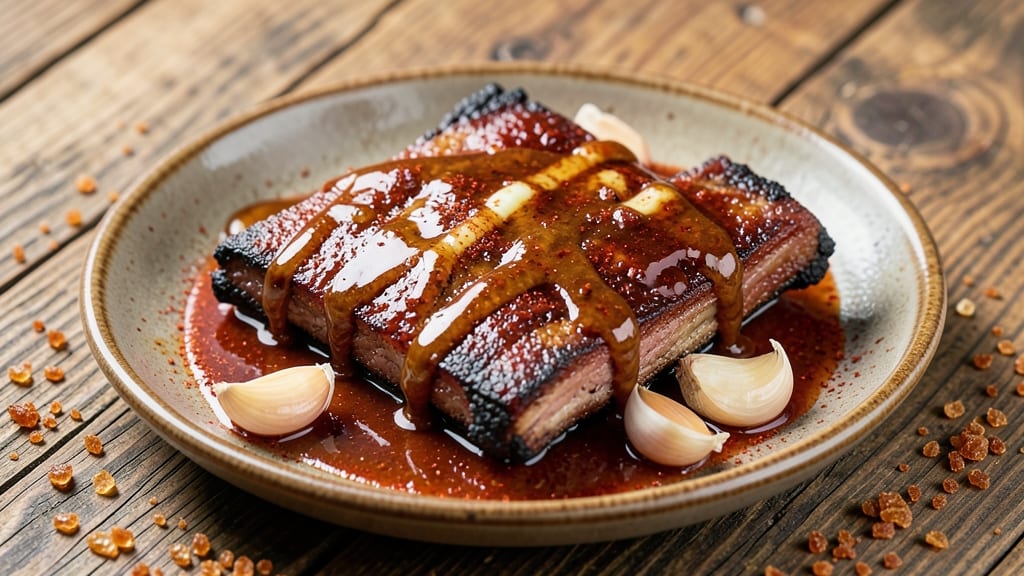
This smoky-sweet basting sauce transforms tough pork ribs into melt-in-your-mouth perfection by locking in moisture and caramelizing into a sticky, flavorful crust. 🔥 I developed it during my time in Charleston, where pitmasters swear by the alchemy of vinegar, butter, and slow-cooked pork—it’s the secret weapon that turns good ribs into legendary ones.
The balance of tangy vinegar and rich BBQ sauce creates a glaze that clings to every rib, while the butter keeps the meat tender and juicy through hours of cooking.
The magic happens in the application: brush it on every 30 minutes during the cook, letting the sauce break down sugars and form a glossy, caramelized bark. This isn’t just a sauce—it’s a flavor multiplier that amplifies the natural sweetness of the meat while adding depth with smoky notes.
I’ve tested this recipe on everything from baby back ribs to spare ribs, and it never fails to deliver that restaurant-quality finish that has judges nodding at BBQ competitions.
What you’ll end up with is ribs so tender they practically fall apart, with a glossy, sticky glaze that’s both sweet and tangy—a perfect harmony of flavors. The sauce cuts through the richness of the pork, balancing every bite with a bright, acidic kick that keeps your taste buds engaged.
This is the kind of sauce that turns a simple plate of ribs into a showstopper, worthy of any table.
Use it for competition-style ribs, weekend cookouts, or even as a marinade if you’re short on time. The recipe scales effortlessly, so whether you’re feeding a crowd or just treating yourself, this basting sauce will elevate your pork to new heights.
Let’s get cooking—your ribs are about to become the star of the show.
Ingredients for basting sauce for pork ribs
Nine ingredients, one magical sauce. The secret to ribs that fall apart with every bite.
| Ingredient | Amount | Notes |
|---|---|---|
| Apple Cider Vinegar 🍎 | ½ cup | Raw, unfiltered preferred |
| Unsalted Butter 🧈 | ½ cup | Cold, cubed for easier mixing |
| BBQ Sauce 🍅 | ½ cup | Store-bought or homemade |
| Brown Sugar 🍚 | ¼ cup | Light or dark variety |
| Smoked Paprika 🌶️ | 1 tbsp | For authentic smoky flavor |
| Garlic Cloves 🧄 | 3 cloves | Minced for depth |
| Fresh Ginger 🌿 | 1 tbsp | Grated, for zesty kick |
| Salt 🧂 | 1 tsp | Kosher or sea salt |
| Black Pepper 🌶️ | ½ tsp | Freshly ground preferred |
| Honey 🍯 | 1 tbsp | Wildflower if available |
The apple cider vinegar is non-negotiable—it’s what cuts through the richness and keeps the sauce bright. Bragg or Texas Pete are my go-tos, but any raw, unfiltered kind works. Butter matters too; Plugrá or Land O’Lakes unsalted is perfect. For BBQ sauce, I always reach for Sweet Baby Ray’s or make my own with ketchup, molasses, and spices. The smoked paprika? Penzeys has the best quality, but any smoked variety will give you that authentic pitmaster flavor. If you’re buying whole garlic cloves, peel them fresh—pre-minced loses flavor fast.
No apple cider vinegar? Red wine vinegar or lemon juice works in a pinch, though the flavor won’t be quite the same. Butter substitute? Vegan butter or coconut oil keeps the sauce rich, but texture changes slightly. Brown sugar too expensive? White sugar plus a pinch of molasses mimics the depth. Fresh ginger too strong? Ground ginger at half the amount softens the bite. The honey adds the perfect touch of sweetness—if you’re avoiding it, maple syrup is a great swap. For extra smokiness, add a dash of liquid smoke, but don’t overdo it.
This sauce keeps for 1 week in the fridge, sealed tightly. I like to make a double batch—one for immediate use, one to freeze in ice cube trays. Pop a cube in a jar, thaw, and you’re ready to go. The sauce thickens as it cools, so stir in a splash of water if it gets too stiff. Brush it on ribs every 30 minutes during cooking—the key to that caramelized bark. Leftovers? Toss them in a jar and use within a week, or freeze for up to 6 months.
Why You'll Love This Recipe
- Pantry Magic: I swear by this sauce because it uses stuff I already have—no specialty trips to the store. The apple cider vinegar cuts through the richness while the brown sugar caramelizes into that sticky, irresistible glaze (the kind that makes people lick their fingers).
- Smoky Sweet Fix: That smoked paprika and BBQ sauce combo? It’s the flavor equivalent of a warm hug for your ribs. The butter melts into the sauce as you baste, creating a glossy finish that’s dangerously addictive—especially when the vinegar brightens every bite.
- Weekend or Weeknight: Make a double batch on Sunday and store it in the fridge—perfect for quick weeknight dinners or when unexpected guests show up. I’ve used it on pulled pork sandwiches, even tossed it with roasted potatoes (don’t judge me).
- No Waste, Big Payoff: This sauce keeps for weeks in the fridge, so you’re never scrambling for a last-minute glaze. And honestly? A little goes a long way. I’ve stretched one batch across three rib sessions, plus a batch of meatballs—versatile enough to make it my go-to secret weapon.
Step-by-step instructions for smoky-sweet pork rib basting sauce
Here's how to make a glaze that'll turn your ribs into fall-off-the-bone perfection.
🍳 Step 1: Melt Butter and Bloom the Spices
In a medium saucepan over medium heat, add the 0.5 cup unsalted butter (cubed) and let it melt completely. Once melted, add the 1 tbsp smoked paprika and stir constantly for 30 seconds until it's fragrant and the spices bloom—you'll see tiny bubbles forming and smell that rich, smoky aroma.
This is where the magic starts. The paprika releases its oils and flavors into the butter, creating the smoky backbone of your sauce. Don't walk away—burnt spices taste bitter, and you want that perfect smoky depth. Keep stirring until the butter just starts to foam gently around the edges of the pan.
👨🍳 Step 2: Add Aromatics and Sweeteners
Reduce heat to medium-low and add the 3 minced garlic cloves, 1 tbsp grated fresh ginger, 0.25 cup brown sugar, and 1 tbsp honey. Stir everything together and let it cook for 2-3 minutes until the garlic is fragrant but not browned—you're looking for that sweet, pungent aroma without bitterness.
The ginger and garlic should sizzle gently, releasing their oils. The brown sugar will start to dissolve, creating a glossy sheen in the pan. This is where the sweet-savory balance begins to develop. If you notice any brown spots forming, stir more frequently to prevent burning—those aromatics cook fast!
🍳 Step 3: Incorporate Acid and BBQ Base
Pour in the 0.5 cup apple cider vinegar and 0.5 cup BBQ sauce, stirring vigorously to combine. Increase heat to medium-high and bring the mixture to a gentle boil. Once boiling, reduce heat to medium-low and let it simmer for 5-7 minutes until slightly thickened—it should coat the back of a spoon.
Here's where the sauce comes together. The vinegar cuts through the richness of the butter and brown sugar, while the BBQ sauce adds depth. You'll see the mixture reduce slightly and develop a glossy, syrupy consistency. This is your signal that the flavors are melding beautifully. Taste it now—it should be tangy, sweet, and smoky with a hint of heat from the ginger.
🥘 Step 4: Season and Finish
Remove the pan from heat and stir in the 1 tsp salt and 0.5 tsp black pepper. Let the sauce sit off the heat for 2 minutes to allow the seasonings to fully integrate. If you find the sauce is too thick, you can thin it with 1-2 tablespoons of water or more apple cider vinegar to reach your desired consistency.
This sauce should be glossy and coat the back of a spoon but still be pourable enough to baste ribs effectively. The resting time lets the flavors settle and ensures even seasoning. If you're using this sauce immediately, give it a final taste and adjust the seasoning if needed—maybe a touch more salt or a splash of vinegar for brightness.
⏰ Step 5: Use Immediately or Store Properly
For best results, use your basting sauce immediately while it's still warm. If you need to store it, let it cool completely, then transfer to an airtight container and refrigerate for up to 5 days. When ready to use, reheat gently in a saucepan over low heat, stirring occasionally until warmed through.
This sauce is designed to be used during the last 30-45 minutes of your pork ribs cooking. Brush it on generously every 10-15 minutes, letting it caramelize slightly between applications. The result? Ribs that are perfectly tender inside with a glossy, caramelized exterior that locks in all that juicy goodness you worked so hard to achieve.
Pro Tips For Making Basting Sauce For Pork Ribs
- Simmer Vinegar First: Heat that apple cider vinegar alone for 1-2 minutes before adding anything else—it cuts through the acidity and mellows the sharpness. I learned this after my sauce tasted like a punch to the ribs instead of a flavor boost.
- Butter in Stages: Add the unsalted butter gradually, a pat at a time, while stirring constantly. Dumping it all in at once creates a greasy mess that won’t emulsify properly—you’ll end up with a separated sauce instead of a glossy one.
- Skip the Crowding: If you’re basting ribs, don’t smother them in sauce until the very end. The sugar in the brown sugar and BBQ sauce will burn before the ribs cook through—let them crisp up first, then glaze.
- Toast the Paprika: Dry-toast the smoked paprika in a small pan for 30 seconds before mixing it in—it deepens the smoky flavor without bitterness. Sounds weird, but it works: the aroma alone makes the sauce taste more complex.
Flavor customization for basting sauce for pork ribs
Sweet Heat Balance
Adjust the sweet-to-tangy ratio to suit your taste. For more heat, add ½ tsp cayenne pepper or 1 tsp hot honey—I like Chimay Red from Belgium. If you prefer less sweetness, reduce the brown sugar to 2 tbsp and add 1 tbsp Dijon mustard for depth.
The vinegar is key: Bragg gives a mellow tang, while Texas Pete adds a sharper kick. 🌶️
Regional Variations
In Georgia, I often swap the apple cider vinegar for peach vinegar—it adds a fruity sweetness that pairs perfectly with pork. For Carolina-style ribs, add 1 tsp liquid smoke and ½ tsp black pepper to the sauce for that iconic vinegar-pepper bark.
In Texas, I’ve seen pitmasters use orange juice instead of vinegar for a brighter, citrus-forward glaze.
Butter Substitutes
Need a dairy-free option? Replace the butter with ½ cup coconut oil (refined for neutral flavor) or ½ cup vegan butter. For extra richness, I’ve used ½ cup duck fat—it adds a luxurious depth, especially for competition-style ribs.
If you’re avoiding sugar entirely, use monk fruit sweetener instead of brown sugar, though the texture will be slightly lighter.
Smoky Depth Boosters
For an extra smoky punch, stir in 1 tsp chipotle powder or ½ tsp smoked sea salt during the final seasoning step. I also love adding 1 tbsp coffee (instant or brewed) to the sauce—it enhances the smokiness without overpowering.
For a charcoal grill finish, brush the ribs with the sauce right off the heat when they’re still hot.
Make-Ahead Adaptations
Double the batch and freeze it in ice cube trays for easy portioning. Thaw overnight in the fridge, then reheat gently with 1 tbsp water to restore consistency.
For a dry rub version, mix the spices with 2 tbsp brown sugar and coat the ribs before cooking—this creates a crusty bark while still delivering that signature tangy-sweet flavor. 💫
Nutrition facts
Frequently asked questions
Can I use this basting sauce for other meats besides pork ribs?
This sauce works beautifully on chicken (especially thighs or drumsticks), beef brisket, or even salmon. The vinegar-butter balance cuts through rich meats while adding brightness to fish. For chicken, reduce cooking time to 15-20 minutes of basting to avoid overcooking.
How do I prevent the sauce from burning when brushing ribs?
Work quickly and use a pastry brush with long bristles to distribute sauce evenly. Brush only the top side first, then flip ribs to coat the other side. Keep your heat at 225-250°F during the final basting phase—never exceed 275°F or the sauce will char.
What's the best way to reheat leftover basting sauce?
Gently warm in a small saucepan over low heat with 1 tbsp water to restore consistency. Never microwave—it makes the sauce watery. Stir constantly until just heated through (30-45 seconds). For extra richness, add a pat of cold butter while reheating.
Can I make this sauce without vinegar?
Yes, but the flavor will be less balanced. Replace with ½ cup orange juice (for brightness) or ½ cup tomato paste (for depth). The acidity is crucial for cutting through the richness—just add ½ tsp extra salt if using tomato paste to compensate for its saltiness.
How often should I baste ribs with this sauce?
Every 10-15 minutes during the last 45 minutes of cooking. For competition-style ribs, I baste every 5 minutes in the final 20 minutes to build maximum caramelization. Use a spray bottle with water to keep ribs moist if you can't baste frequently enough.