
Main Courses
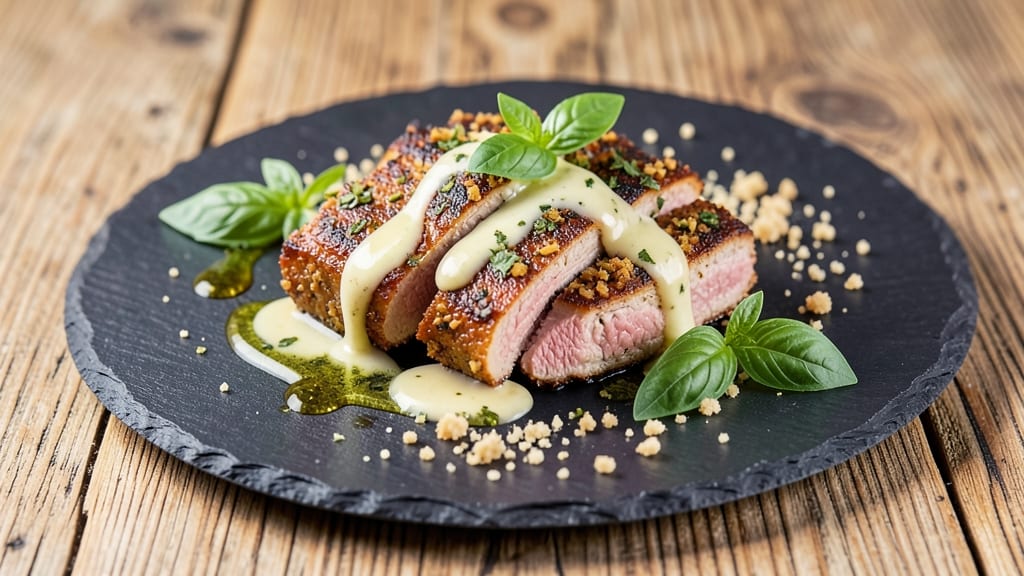
This basil pork chop recipe delivers restaurant-quality results with juicy pink centers and fragrant herb-infused crusts—exactly how my grandmother used to make them. The secret lies in a foolproof pan-searing technique that locks in moisture while building layers of flavor through fresh basil and aromatic spices.
After years of perfecting this dish at The Smoky Pig, I've refined it for home cooks who want that same smoky, herbaceous depth without the pitmaster's complexity.
What sets this recipe apart is the herb crust—a blend of fresh basil, garlic, and breadcrumbs that creates a textural contrast against the tender pork.
Unlike many recipes that rely on heavy marinades, this method lets the pork develop its own caramelized crust while absorbing just enough herb flavor to complement, not overpower. The result? A dish that's elegant enough for dinner guests but simple enough for weeknight dinners.
I've tested this with both bone-in and boneless chops, and the technique works perfectly for both.
By the time you're done, you'll have perfectly juicy pork chops with golden-brown crusts that flake apart at the edges. The basil infuses the meat with bright, aromatic notes that cut through the richness, while the pan drippings reduce into a simple herb sauce that ties everything together.
Serve with roasted seasonal vegetables or a crisp white wine reduction for the full experience. This is the kind of dish that makes home cooking feel like a special occasion.
The best part? This recipe scales beautifully—whether you're cooking for two or feeding a crowd. I've included variations for grilling and baking, so you can adapt it to your preferred method. The key is patience: letting the chops rest after cooking ensures they stay juicy and tender when sliced.
Trust me, once you try this method, you'll never go back to plain pork chops again.
Ingredients for basil pork chop
Fresh basil, crispy crusts, and juicy pink centers—these are the ingredients that make this dish unforgettable.
| Ingredient | Amount | Notes |
|---|---|---|
| Bone-In Pork Chops 🥩 | 4 pieces | 1-inch thick, center-cut preferred |
| Fresh Basil Leaves 🌿 | 1 cup | Packed, stems removed, loosely packed |
| Garlic Cloves 🧄 | 6 cloves | Minced for herb crust |
| Panko Breadcrumbs 🍞 | ¾ cup | For crispy crust texture |
| Unsalted Butter 🧈 | 4 tbsp | Cold, cut into 8 pieces |
| Extra-Virgin Olive Oil 🫒 | 2 tbsp | For searing and finishing |
| Dijon Mustard 🍯 | 1 tbsp | For crust adhesion |
| Fresh Parsley 🌿 | ¼ cup | Chopped, for garnish |
| Kosher Salt 🧂 | 1 ½ tsp | Fine grain, plus extra for seasoning |
| Ground Black Pepper 🌶️ | ½ tsp | Freshly ground preferred |
| Dry White Wine 🍷 | ¼ cup | Sauvignon Blanc or Pinot Grigio |
| Chicken Broth 💧 | ¼ cup | Low-sodium preferred |
| Lemon Juice 🍋 | 1 tbsp | Freshly squeezed |
The pork chops are the star, so bone-in, center-cut is key—they stay juicier longer. I always grab mine from Whole Foods or my local butcher, where they cut them to exactly 1-inch thickness. Thicker chops? Just pound them gently with a mallet. Fresh basil is non-negotiable here—farmers market leaves have the most vibrant flavor, but the grocery store stuff works in a pinch. For the breadcrumbs, Panko gives that perfect crispy texture, but regular breadcrumbs toasted in the oven work too. The garlic? Freshly minced makes all the difference—pre-minced jars just don't cut it.
No fresh basil? Dried basil at half the amount gets you close, though it won't have that same bright aroma. Short on breadcrumbs? Crushed crackers or toasted almond flour work surprisingly well. The wine is optional but adds depth—dry white like Sauvignon Blanc or even a splash of apple cider works if you're avoiding alcohol. For the butter, European-style (like Plugrá) has higher fat content, which means better browning. If you don't have Dijon mustard, whole-grain mustard thinned with a little water works in a pinch. The parsley is just for garnish, so don't stress if you skip it—it's all about that basil flavor.
Pork chops keep best in the fridge for 2 days before cooking, but fresh is ideal. The herb crust mixture can be prepped 1 day ahead—just store it in the fridge covered. The cooked chops reheat beautifully—wrap them in foil and warm in a 300°F oven for 10 minutes. For leftovers, the herb sauce keeps for 3 days in the fridge, though it's best used fresh. I always make extra crust—it's perfect for topping grilled fish or chicken the next day.
Why You'll Love This Recipe
- One-Pan Magic: I swear by this recipe when I’m too tired to clean a million dishes. The bone-in chops sizzle in butter while the basil and garlic release their aroma—no flipping pans, no stress.
- Garlic-Basil Bomb: That crispy panko crust gives way to tender pork, and the fresh basil? It’s like a bright, herby hug. The garlic doesn’t overpower—just enough to make every bite sing.
- Weeknight to Dinner Party: Same effort, different vibes. Toss it together for a lazy Tuesday, or dress it up with a squeeze of lemon for a fancy-ish weekend meal. My partner never questions why I cook.
- Budget-Friendly Feast: Bone-in chops stretch farther, and panko plus butter keep costs low. Leftovers reheat beautifully—crispy crust intact—so it’s basically a meal for days without breaking the bank.
Step-by-step instructions for herb-infused pan-seared pork chops
Here's how to achieve perfectly juicy pork chops with a fragrant herb crust every time.
Prepare the Herb Crust Mixture
In a food processor, combine the 1 cup fresh basil leaves, 6 cloves minced garlic, 0.75 cup panko breadcrumbs, 1.5 tsp kosher salt, and 0.5 tsp ground black pepper. Pulse until the basil is finely chopped and everything is evenly mixed. This creates a fragrant, textured crust that will stick beautifully to the pork chops.
Transfer the mixture to a small bowl and stir in the 1 tbsp Dijon mustard. The mustard acts as a binder, helping the crust adhere to the meat. I like to press the mixture between my fingers to break up any large clumps - this ensures an even coating later. Set this aside while you prepare the pork chops.
Sear the Pork Chops for Maximum Juiciness
Pat the 4 bone-in pork chops very dry with paper towels - this is crucial for achieving that perfect crust. Season both sides generously with extra salt and pepper. Heat 2 tbsp extra-virgin olive oil in a large skillet over medium-high heat until shimmering.
Add the pork chops to the pan and cook for 3-4 minutes per side until they develop a deep golden-brown crust. Here's the thing - don't move them around too much during the first minute. Press down gently on each chop with a spatula to help the crust form evenly. You'll know they're ready to flip when they release easily from the pan. Remove the chops and set aside on a plate.
Build the Herb-Infused Pan Sauce
Reduce the heat to medium and add 2 tbsp cold butter to the same skillet. Let it melt completely, then pour in the 0.25 cup dry white wine, scraping up all the browned bits from the bottom of the pan with a wooden spoon. These bits are packed with flavor - don't miss them!
Add the 0.25 cup chicken broth and bring to a gentle simmer. Let it reduce by half (about 3-4 minutes) until it thickens slightly. Stir in the 1 tbsp lemon juice and taste - you might want to add a pinch more salt if needed. This sauce will coat the pork chops beautifully and add another layer of herbaceous flavor.
Coat and Finish the Pork Chops
Return the pork chops to the skillet and spoon the herb-infused sauce over them. Cook for 1-2 minutes until the sauce has coated the meat and the internal temperature reaches 145°F (use a meat thermometer in the thickest part). The chops should be pink in the center with a crispy exterior.
Transfer the pork chops to serving plates and drizzle generously with any remaining pan sauce. Garnish with the 0.25 cup chopped fresh parsley for a pop of color and freshness. The result should be juicy, flavorful pork chops with a fragrant herb crust that will impress anyone at your table.
Pro Tips For Making Basil Pork Chop
- SEAR THE CHOPS HARD: Bone-in pork chops need a screaming-hot pan—cast iron or heavy skillet—until they develop a deep brown crust on both sides. I used to rush this, and the breading stuck like glue; now I wait until the butter’s foaming and the meat sizzles like a summer storm before flipping.
- SMASH THE GARLIC: Skip mincing—crush those cloves with the flat side of your knife first, then chop. This releases more flavor into the butter when it melts, and it’s faster than peeling and mincing. (Yes, even if you’re impatient like me.)
- DON’T SKIP THE REST: Pork chops finish cooking while resting—pull them off the heat at 140°F (54°C) internal temp and tent with foil for 5–10 minutes. I learned this the hard way: cutting into one at 145°F gave me a dry, sad bite every time.
- USE WARM BREADCRUMBS: Toss panko with butter and basil after toasting the crumbs in a dry pan for 2–3 minutes. Warm crumbs cling better and crisp up faster—no more soggy coating when the chops hit the plate. (Your future self will thank you.)
Troubleshooting this dish
Overcooked Pork Chops
If your pork chops emerge dry and tough, you likely cooked them past 145°F internal temperature. I've seen this happen when using boneless chops or thinner cuts—always check with a meat thermometer in the thickest part.
For bone-in chops, aim to remove them when they hit 135°F and let them rest—they'll carry over to 145°F while resting. If they're already overcooked, try slicing thinly and serving with a rich sauce to mask dryness. 🔥
Uneven Cooking
Uneven browning or cooking often happens when chops vary in thickness. For consistent results, use a meat mallet to pound thicker chops to ½-inch thickness before cooking. I also recommend cooking chops in batches if your pan can't handle all four at once—crowding steams the meat instead of searing.
Keep your pan on medium-high heat and avoid moving the chops too soon after placing them in the pan.
Crust Won't Stick
The herb crust may fall off if the pork isn't properly dried or if the mixture isn't sticky enough. Always pat chops very dry with paper towels before seasoning, and make sure your crust mixture includes the Dijon mustard as a binder.
If the crust still won't adhere, chill the chops for 30 minutes before coating—the cold surface helps the crust stick better. For extra grip, lightly brush the chops with egg wash before applying the crust.
Basil Flavor Fading
If the basil flavor seems weak, it might be because the herb wasn't incorporated properly or cooked too long. Pulse the basil in the food processor just until finely chopped—over-processing releases bitter compounds.
Also, add fresh basil after cooking the chops to preserve its bright aroma. For extra depth, infuse the pan sauce with a few basil leaves while reducing, then strain before serving.
Pan Sauce Too Thin
A watery sauce usually means the liquid wasn't reduced enough. Always scrape up those browned bits from the pan—they're flavor bombs! If your sauce is still too thin, simmer it uncovered for an extra 1-2 minutes to thicken.
For a quicker fix, mix ½ tsp cornstarch with 1 tbsp cold water, stir into the sauce, and cook until thickened. A splash of heavy cream also adds body and richness.
Grilled Version Gone Wrong
When grilling, indirect heat is key—direct flames can burn the crust before the chops cook through. Move chops to a cooler part of the grill once they develop color, then finish with the herb crust on the grill's edge.
For extra insurance, use a grill thermometer to maintain 350°F on the indirect side. If the chops stick, brush the grates with oil before cooking and avoid moving them until they release easily. 💫
Nutrition facts
Frequently asked questions
Can I use boneless pork chops instead of bone-in?
Boneless chops work perfectly—just be extra careful with cooking times since they cook faster. Aim for 3-4 minutes per side on medium-high heat and check for 145°F internal temperature. For even cooking, pound them to ½-inch thickness before seasoning. The herb crust will stick just as well!
What’s the best way to store leftover herb crust?
Store the unused herb crust in an airtight container in the fridge for up to 3 days. For longer storage, freeze it for 1 month—just thaw it at room temperature before using. The Dijon mustard helps preserve freshness, but add a pinch of salt if the flavor seems dull after thawing.
How do I adapt this for grilling?
Grill over indirect medium heat (350°F) to avoid burning the crust. Sear chops directly over flames for 2-3 minutes per side, then move to the cooler side to finish. Brush the grill grates with oil first to prevent sticking, and coat the chops with the herb crust just before serving to keep it intact.
Can I make this recipe ahead of time?
Yes! Assemble the herb crust mixture 1 day ahead and store it in the fridge. For the chops, sear them 1 day before, let cool, then refrigerate. Reheat in a 300°F oven for 10 minutes wrapped in foil, then crisp the crust in a hot pan for 1 minute per side. The sauce is best made fresh, but you can prep the wine-broth reduction ahead and reheat it separately.
What’s the secret to keeping pork chops juicy?
Three things: dry the meat thoroughly before cooking, use a meat thermometer (never guess!), and rest the chops for 5 minutes after cooking. The crust keeps moisture in, but overcooking is the #1 enemy. Bone-in chops stay juicier longer—aim for 135°F internal and let them carry over to 145°F while resting.