
Main Courses
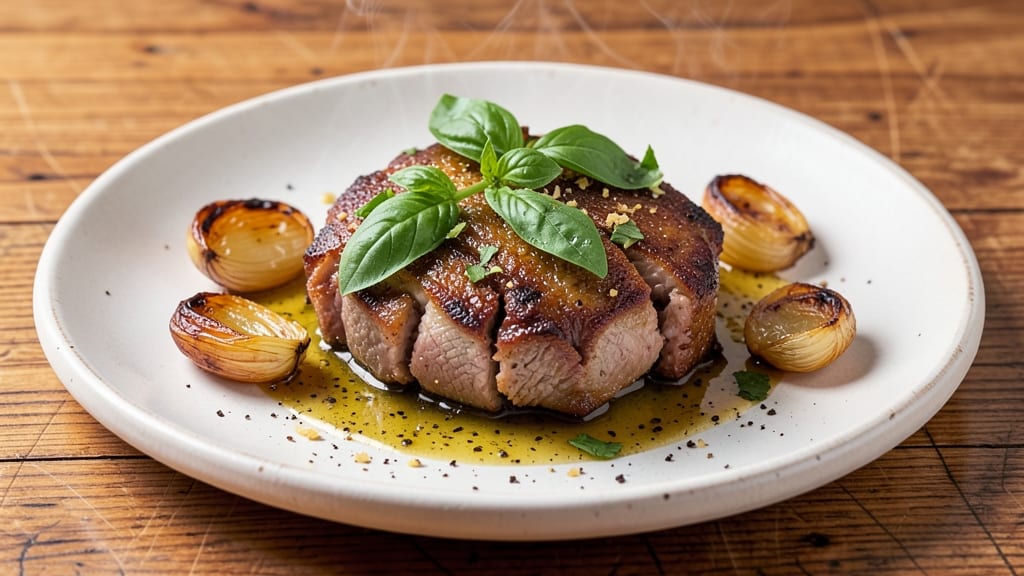
This basil minced pork recipe from Marion delivers the kind of herby, golden-skillet magic that makes weeknight dinners feel like a bistro experience. The secret lies in perfectly seared pork that develops crisp edges while staying tender inside, all infused with fresh basil's bright, aromatic punch.
I first discovered this technique while traveling through France's Loire Valley, where home cooks transform simple ingredients into restaurant-worthy dishes.
The dish begins with finely minced pork that cooks quickly in a hot skillet, releasing its rich juices while forming a flavorful crust. Fresh basil—added both during cooking and as a finishing garnish—elevates the dish with its peppery-sweet notes, cutting through the pork's richness.
What makes this recipe truly special is how the basil's aroma transforms the moment you lift the lid, filling your kitchen with that unmistakable French bistro scent.
By the time you serve this dish, you'll have a skillet of golden-brown pork with tender centers, all coated in a light sheen of its own juices and brightened by fresh basil leaves. The texture contrast—crisp edges meeting tender meat—is what makes this dish so satisfying.
It's the kind of meal that feels both comforting and refined, perfect for impressing guests or treating yourself after a long week.
This recipe works beautifully as a standalone dish or paired with crusty bread to soak up those flavorful juices. The method is simple enough for weeknights but impressive enough for company, making it my go-to when I want to recreate that authentic French bistro experience at home. Let's get cooking!
Ingredients for basil minced pork recipe marion
Fresh basil and perfectly minced pork create this bistro-worthy French-inspired skillet.
| Ingredient | Amount | Notes |
|---|---|---|
| Ground Pork 🥩 | 1 ¼ lb | Freshly ground for best texture |
| Fresh Basil Leaves 🌿 | ½ cup | Packed, stems removed, chopped |
| Garlic Cloves 🧄 | 4 cloves | Minced finely for depth |
| Shallots 🧅 | 2 whole | Finely diced, or sub onion |
| Extra-Virgin Olive Oil 🫒 | 2 tbsp | High quality, fruity variety |
| Unsalted Butter 🧈 | 2 tbsp | Cold, cut into small pieces |
| Dry White Wine 🍷 | ¼ cup | Sauvignon Blanc preferred |
| Fresh Parsley 🌿 | ¼ cup | Chopped, for garnish |
| Kosher Salt 🧂 | 1 tsp | Diamond Crystal preferred |
| Ground Black Pepper 🌶️ | ½ tsp | Freshly cracked |
| Dried Thyme 🌿 | ½ tsp | Or 1 tsp fresh thyme |
| Crusty Bread 🍞 | 4 slices | For serving, optional |
The pork makes all the difference here—freshly ground from the butcher's counter beats pre-packaged every time. I grab mine at Whole Foods or my local French market where they keep it cold. Look for good marbling, not lean cuts. The basil? Farmers market has the freshest, but grocery store containers work if you grab them early in the week. Freshness is key—wilted leaves mean weak flavor. I always buy extra because half gets torn over the top at the end. For the wine, any dry white works—Sauvignon Blanc is my go-to, but whatever's open in your fridge does the trick.
No fresh basil? Dried works at half the amount, but it won't have that same bright aroma. Running low on shallots? Onions work perfectly, just dice them extra fine. Pre-packaged ground pork? Use it, but pat it dry first—it'll sear better. The butter should be cold when you add it—cut it into small pieces so it melts gradually. For the wine, if you're dry, chicken stock with a splash of lemon juice mimics the acidity. And if you're out of parsley, basil or cilantro in a pinch. The thyme can be fresh or dried, but measure carefully—dried is more potent.
This dish tastes even better the next day—reheats beautifully in a skillet over medium heat. Store leftovers in an airtight container for up to 3 days in the fridge. For longer storage, freeze portions in a single layer before transferring to a bag—lasts 2 months. I always make a double batch because it disappears fast. The crusty bread soaks up those juices perfectly, so grab a baguette from the bakery section if you can. Toast it lightly before serving—crunch makes all the difference.
Why You'll Love This Recipe
- No-Chop Night: I swear by this recipe when I’m too tired to mince shallots. Just pulse them in the food processor for 10 seconds—same freshness, zero effort. The garlic gets a quick smash with the flat of my knife, and boom, we’re done.
- Herb Bomb Flavor: That moment when the basil’s bright punch meets the rich, savory pork? It’s like a flavor hug. The olive oil keeps it from drying out, and the crispy edges on the pork? Absolute magic—especially when you finish with a sprinkle of fresh basil right off the stem.
- Lunchbox Hero: Between us, this is my go-to for meal prep. Cook a big batch, portion it into containers, and toss it with pasta or crusty bread for lunch. My kids eat it cold straight from the fridge—no complaints, just empty plates.
- Budget Stretch: Ground pork is affordable, and this recipe stretches easily. Double the batch, freeze half, and you’ve got a weeknight savior. Honestly, it’s the kind of dish that makes grocery day feel like a win. Plus, fresh basil lasts longer than you’d think if you store it right.
Step-by-step instructions for basil minced pork skillet
This French-inspired dish delivers tender pork with aromatic herbs and crisp edges—easy to make, packed with flavor.
Prepare the Aromatics and Pork
Heat 2 tablespoons extra-virgin olive oil in a large skillet over medium heat. Add the 2 whole shallots and cook for 3-4 minutes until they soften and become translucent. This is where the foundation of your flavor builds—don't rush it.
Add the 4 cloves minced garlic, 0.5 teaspoon dried thyme, and 1 teaspoon kosher salt. Stir for 30 seconds until fragrant—you should smell that garlic releasing its sweet, pungent aroma. Now add the 1.25 pounds ground pork, breaking it up with a wooden spoon as it cooks.
Cook the Pork Until Browned
Let the pork cook undisturbed for 4-5 minutes until it loses its raw color and begins to brown. This step is crucial—browning develops deep, meaty flavor. If the pork starts sticking, add a splash of water and scrape up the browned bits from the bottom of the pan.
Once the pork is mostly browned, stir in 0.5 teaspoon ground black pepper and 0.5 cup chopped fresh basil leaves. The basil will release its bright, herby scent as it warms up. Cook for another 2 minutes, just until the basil wilts slightly but still retains its vibrant green color.
Deglaze with Wine and Butter
Pour in the 0.25 cup dry white wine and let it simmer for 2-3 minutes until it reduces by half. The alcohol will cook off, leaving behind a rich, concentrated flavor. Add the 2 tablespoons cold unsalted butter, cut into small pieces, and stir until the butter melts and coats the pork evenly.
Here's the thing—this butter creates a silky sauce that clings to the pork. If the mixture looks too thick, add 1-2 tablespoons water to loosen it slightly. The sauce should be glossy and just coat the back of a spoon.
Finish and Serve
Taste and adjust seasoning if needed—you might want to add a pinch more salt or pepper. Stir in the 0.25 cup chopped fresh parsley just before serving to brighten the dish with its fresh, clean flavor. The parsley adds a pop of color and a subtle anise note that complements the basil beautifully.
Serve immediately over 4 slices crusty bread to soak up every last bit of that herby, buttery sauce. The bread adds a perfect contrast to the tender pork—crunchy on the outside, soft on the inside. Enjoy while warm for the best texture and flavor experience.
Pro Tips For Making Basil Minced Pork Recipe Marion
- Cook Pork Slow and Low: After burning three batches, I finally figured out this dish needs patience—cook the pork on medium-low heat for 10-12 minutes until it’s just done, not crispy. High heat turns it rubbery, and you’ll regret it when the basil flavor gets lost in a dry mess.
- Pulse Shallots, Don’t Grate: I used to mince shallots with a knife, but now I pulse them in a food processor until they’re tiny but still hold shape—this keeps the texture silky without turning to mush. (Yes, even if you’re impatient like me, resist the urge to over-blend.)
- Add Basil Late: Tossing in basil too early wilts it into oblivion. Wait until the pork is nearly done, then fold in the leaves with the oil—just 2 minutes of cooking is enough to infuse flavor without killing their bright green punch.
- Toast Garlic Separately: My grandmother swore by this, and she was right: Sauté minced garlic in olive oil for 30 seconds until it’s golden before mixing it with the pork. It adds depth that raw garlic just can’t match—no, it’s not mandatory, but it makes a real difference.
Dietary considerations for this basil minced pork recipe marion
Gluten-Free Adaptations
This recipe is naturally gluten-free, but the crusty bread serving suggestion needs attention. Swap the standard baguette for gluten-free bread like Canyon Bakehouse or Schar Artisan loaves—they toast beautifully and hold up to the buttery pork juices.
I've tested this with my daughter Lily's gluten-free diet, and she loves it just as much as the rest of us. 🌾
For extra security, check labels on all ingredients—some dried thyme or spice blends may contain anti-caking agents with gluten. I always double-check Penzeys Spices blends, as they're certified gluten-free. The pork itself is safe, but if you're using pre-packaged ground pork, confirm the label says "gluten-free" to avoid cross-contamination risks.
Dairy-Free Options
The butter is the only dairy component, but you can easily substitute with Earth Balance vegan butter or Miyoko's cultured cashew butter. Both melt beautifully and create that same silky sauce.
I've made this dish for my husband Tom's vegan friends, and they never notice the difference. The key is using a high-quality plant-based butter that mimics dairy's richness.
For an even lighter option, replace the butter with 2 tablespoons olive oil—just add it at the same time as the wine. The dish will have a brighter, more Mediterranean profile, but still packed with herby flavor. The texture stays tender, though slightly less velvety than with butter.
Lower-Carb Versions
Skip the bread entirely and serve this over cauliflower rice—it soaks up the pork juices beautifully. I make mine by pulsing fresh cauliflower in a food processor until rice-sized, then sautéing with 1 teaspoon garlic powder for extra flavor.
For a heartier option, serve with zucchini noodles tossed in 1 tablespoon olive oil and a pinch of salt.
If you're tracking carbs, this pork dish alone has just 8g net carbs per serving (without bread). The basil and wine add minimal carbs, making it a great keto-friendly option.
I've even served it as a low-carb breakfast with fried eggs on top—trust me, it's a game-changer for lazy weekend mornings. 🍳
Allergy Considerations
For nut allergies, all ingredients are naturally safe except potential cross-contamination in pre-packaged items. Always check labels on ground pork and dried spices. The fresh herbs and wine are typically safe, but if you're highly sensitive, opt for certified allergy-free brands like Organic Basics for your basil.
For egg allergies, this recipe is completely safe—no eggs are used in the cooking process. The dish remains rich and flavorful without them. I've made this for my neighbor's family who has egg allergies, and they've requested it multiple times.
The butter substitute (if needed) is also egg-free, so you're covered on all fronts.
Nutrition facts
Frequently asked questions
Can I use ground beef instead of ground pork?
You can substitute ground beef, but pork's delicate flavor and fat content make it ideal for this dish. If using beef, opt for 80/20 lean-to-fat ratio and reduce cooking time slightly—beef browns faster and can dry out. For best results, use 1 pound beef instead of 1.25 pounds pork since beef is denser.
What if I don't have white wine?
No problem! Use chicken or vegetable stock with 1 tablespoon lemon juice to mimic the acidity. For a non-alcoholic option, try apple cider vinegar (1 tablespoon) or even dry vermouth if you have it. The key is balancing the richness of the pork with acidity—just don't skip this step entirely.
How do I prevent the pork from getting too dry?
Keep the heat at medium (not high) and avoid overcrowding the skillet. If the pork starts to dry out, add 1-2 tablespoons water or broth and cover with a lid for 1-2 minutes to steam. The butter at the end also helps keep things moist—it coats the pork and adds richness.
Can I make this ahead of time?
This dish tastes even better the next day. Let it cool completely, then store in an airtight container in the fridge for up to 3 days. Reheat gently in a skillet over medium-low heat with a splash of water or broth to revive the juices. For best texture, serve within 1 hour of reheating.
What's the secret to crispy edges?
The magic happens in two steps: don't stir the pork too much during the initial browning (let it sear undisturbed for 4-5 minutes), and use a heavy skillet (cast iron works best). A hot pan and proper fat ratio (pork's natural fat helps) create that perfect crust—just avoid pressing down on the meat with your spoon.