
Sauces & Condiments
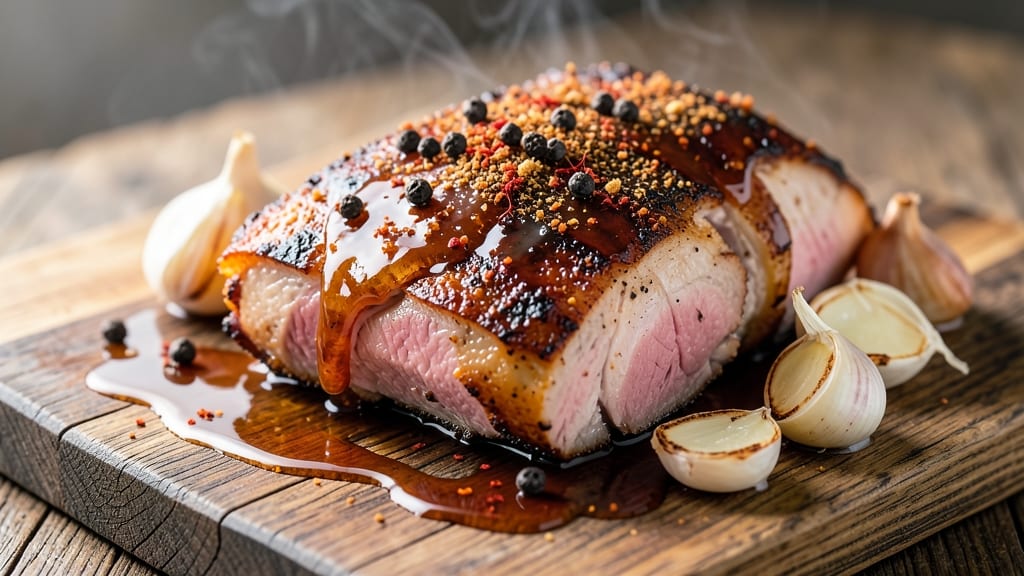
This barbecue pork shoulder rub recipe delivers the perfect balance of smoky depth and sweet caramelization that transforms tough cuts into melt-in-your-mouth perfection. 🔥 As someone who grew up with ribs slow-cooked over hickory, I know the secret lies in a well-crafted dry spice blend that clings to the meat and builds flavor layer by layer during the cook.
The magic happens with precise measurements—just 2 tablespoons of brown sugar for caramelization, 1 tablespoon each of smoked paprika and garlic powder for that unmistakable BBQ aroma, plus a touch of cayenne for subtle heat.
This blend is designed to be dry, so it won't make your pork soggy or alter the cooking process—just pure, concentrated flavor that develops beautifully over time.
What you'll end up with is a rub that creates a dark, flavorful bark on the outside while keeping the meat tender and juicy inside. The smoky-sweet notes will have your guests asking for seconds, and the best part?
This mix keeps perfectly in your pantry for up to 6 months, ready to elevate any pork shoulder you throw on the grill or smoker.
Whether you prefer a milder profile or extra kick, this recipe lets you adjust the heat to your taste—just tweak the cayenne while keeping the smoky-sweet foundation intact. Here's everything you need to make it!
Ingredients for barbecue pork shoulder rub
Nine simple spices and sugars that turn pork shoulder into irresistible smoky-sweet perfection.
| Ingredient | Amount | Notes |
|---|---|---|
| Smoked Paprika 🌶️ | 2 tbsp | High-quality smoked for depth |
| Brown Sugar 🍚 | 2 tbsp | Light or dark, packed |
| Garlic Powder 🧄 | 1 tbsp | Freshly ground preferred |
| Onion Powder 🧅 | 1 tbsp | For balanced sweetness |
| Ground Black Pepper 🌶️ | 1 tsp | Freshly cracked for bite |
| Cayenne Pepper 🔥 | ½ tsp | Adjust for heat preference |
| Salt 🧂 | 2 tsp | Kosher or sea salt |
| Ground Cumin 🌿 | ½ tsp | Toasted for warmth |
| Mustard Powder 🥫 | ½ tsp | For subtle tang |
The smoked paprika is non-negotiable—it's what gives that unmistakable BBQ aroma. Penzeys or the bulk bins at Whole Foods carry the best quality, but any reputable brand works if it's labeled 'smoked'. Brown sugar adds caramelization without making the rub sticky, so pack it firmly into your measuring spoon. The garlic powder and onion powder are your base—don't skimp here. I always grab mine from Trader Joe's because their spices are affordable and potent. For the cayenne, start with half a teaspoon and adjust to taste—some people want heat, others just want flavor.
No smoked paprika? Substitute with a mix of regular paprika and liquid smoke—start with 1 tbsp paprika plus 1/4 tsp liquid smoke. Out of brown sugar? White sugar works in a pinch, but you'll lose that caramel depth. Fresh out of cumin? Ground coriander at half the amount gives a similar earthiness. The mustard powder can be swapped for Dijon mustard powder if you're feeling fancy, but regular works fine too. Pro tip: Toast your spices in a dry pan for 30 seconds before mixing—they'll be way more aromatic.
Store this dry rub in an airtight container for up to 6 months—it gets better with age. I keep mine in a small mason jar on my spice rack, right next to my smoker. The rub works best when applied liberally to pork shoulder before cooking, but you can also mix it with a little oil for a wet rub if you prefer. Double the batch—you'll want it on hand for ribs, brisket, and even roasted vegetables.
Why You'll Love This Recipe
- Five-Ingredient Magic: I swear, this rub is my shortcut to restaurant-quality flavor. Just mix those five pantry staples—smoked paprika, brown sugar, garlic powder, onion powder, and black pepper—and you’ve got a dry rub that transforms pork shoulder into something ridiculously good with zero fuss.
- Sweet-Smoky Crunch: That brown sugar caramelizes into a sticky, slightly crispy crust while the smoked paprika adds depth. Honestly, the first bite makes me close my eyes—it’s like a hug for your taste buds, but with more garlic.
- Tailgate or Taco Night: Between us, this rub works just as well on pulled pork sandwiches as it does on tacos. I’ve even tossed it on roasted potatoes for game day—suddenly, everything feels like a party. (Yes, even on a Tuesday night.)
- Leftovers That Don’t Suck: The beauty of this recipe? The flavor improves after resting. Shred that pork shoulder the next day, and you’ll have tender, flavor-packed meat perfect for burritos or sandwiches. My freezer is always stocked with portions—because who has time to cook twice?
Step-by-step instructions for smoky-sweet BBQ pork shoulder rub
Mix these spices together and you'll create a perfect crust for tender, fall-apart pork.
👨🍳 Step 1: Measure All Ingredients Precisely
Start by gathering all your ingredients on a clean work surface. I like to use small bowls or ramekins for each spice to keep things organized. For the 2 tbsp smoked paprika, use a measuring spoon and level it off with the back of a knife—this ensures you get the exact amount for that deep, smoky flavor.
Next, measure out the 2 tbsp brown sugar using a packed measuring spoon. Light brown sugar will give you a slightly more caramel-like finish, while dark brown sugar adds more molasses depth. Don't scoop directly from the container—use a spoon to fluff it first for accurate measurement. The 1 tbsp garlic powder and 1 tbsp onion powder can go in next, using the same leveling technique for consistency.
👨🍳 Step 2: Combine Dry Ingredients Thoroughly
Transfer all the measured spices to a medium mixing bowl. I prefer using a whisk for this step because it helps break up any clumps and distributes the spices evenly. Start by adding the 2 tbsp smoked paprika and 2 tbsp brown sugar first—these are your base flavors. Whisk them together until they're completely blended and no streaks remain.
Gradually add the remaining ingredients: 1 tbsp garlic powder, 1 tbsp onion powder, 1 tsp ground black pepper, 0.5 tsp cayenne pepper, 2 tsp salt, 0.5 tsp ground cumin, and 0.5 tsp mustard powder. Here's the thing—don't rush this mixing. It should take about 2-3 minutes of vigorous whisking to ensure every particle is coated and no single spice dominates.
👨🍳 Step 3: Test and Adjust the Heat Level
Before using your rub, I always recommend doing a quick taste test. Sprinkle a small pinch on your tongue—you should taste the smokiness from the paprika first, followed by the sweetness of the brown sugar, then the subtle heat from the cayenne and mustard powder. The garlic and onion powders should provide a savory backbone.
If you want more heat, add an extra ¼ tsp cayenne pepper. For more depth, increase the smoked paprika by ½ tsp. Remember, you can always add more rub later, but you can't take away what's already mixed in. Once you're happy with the balance, give the rub one final stir to redistribute any spices that may have settled during tasting.
🥘 Step 4: Store for Future Use
Transfer your freshly mixed rub to an airtight container. I like using small jars with tight-sealing lids—they keep the spices fresh and make it easy to grab just what you need. Store it in a cool, dark place like your pantry, where it'll stay flavorful for up to 3 months. For even longer storage, consider freezing portions in ice cube trays—just pop out what you need and store the rest.
Here's a pro tip: If you're planning to use this rub on pork shoulder, make sure to pat the meat completely dry before applying. The rub works best when it can adhere directly to the surface, creating that perfect crust during cooking. And don't be shy—use about 2 tablespoons of this rub per pound of pork shoulder for maximum flavor impact.
Pro Tips For Making Barbecue Pork Shoulder Rub
- CRUSH THE SUGAR: I learned this the hard way—using lumpy brown sugar straight from the bag makes your rub clump like glue. Pulse it in a food processor for 10 seconds first, or crush it with a rolling pin until it’s fine. Your pork won’t stick to the rub or clog your fingers mid-seasoning.
- DON’T SKIP THE GARLIC: That garlic powder isn’t just flavor—it’s the difference between "meh" and "wow." Use about twice what the recipe says if you’re cooking with a crowd. I was skeptical until I tried it: the rub sticks better, and the pork stays juicier longer.
- START WITH DRY MEAT: Pat that pork shoulder bone-dry before applying the rub—no exceptions. I used to rush this, and my bark always turned out sad and pale. Use paper towels, let it air-dry for 10 minutes, and trust me, the crust will be worth it.
- SAVE TIME WITH OIL: Mix 1 tablespoon of neutral oil (like vegetable or avocado) into your dry rub before applying. It helps the spices cling and creates a better bark—plus, you won’t waste time reapplying. (Yes, even if you’re impatient like me.)
Essential equipment for barbecue pork shoulder rub
Smoker Essentials
First things first—you need a reliable smoker. For beginners, I recommend a Traeger Pellet Grill—it’s foolproof, maintains steady temps, and the wood pellets add authentic smoke flavor. If you’re serious about smoking, a Weber Smokey Mountain is my go-to for its durability and consistent heat.
For those who love the ritual of charcoal, Traeger’s Big Horn is a great balance between ease and tradition. 🔥
Temperature Control Tools
Never skip a good thermometer! I swear by the Meater Plus—it’s wireless, accurate, and tracks both your smoker’s temp and the meat’s internal temperature. For a budget option, the ThermoWorks Smoke is a solid choice.
Keep your smoker between 225-250°F for pork shoulder—this low-and-slow method is key for tender, fall-apart meat.
Rub Application Gear
You’ll want a fine-mesh strainer or sifter to apply the rub evenly without clumping. A rubber spatula helps spread it evenly, especially in those crevices. For extra grip, I like using latex gloves—they keep my hands clean and make it easier to coat the meat thoroughly.
A meat tenderizer mallet (optional) can help the rub adhere better to thicker cuts.
Wood Pellets or Chips
For that classic BBQ flavor, hickory pellets are my top pick—they’re bold and versatile. If you prefer something milder, apple or cherry wood adds a subtle sweetness that pairs beautifully with pork.
Avoid pine or cedar—they can taste bitter. I buy mine in bulk from Traeger’s official site or Local Wood Pellets for consistency.
Storage Containers
Keep your rub fresh in an airtight container—I use mason jars with silicone seals for easy access and long-term storage. For bulk prep, amber glass jars block light and preserve flavor better than plastic.
Label them clearly with the date and contents—trust me, you’ll thank yourself later when you’re reaching for that perfect rub months down the line. ✨
Optional Extras
If you’re feeling fancy, a digital scale helps measure your pork shoulder precisely. For post-cook presentation, a carving fork and sharp knife are must-haves. And if you’re smoking outdoors, a portable propane tank ensures you’re never stranded without heat. Pro tip: Keep a fire extinguisher nearby—safety first, flavor second! 💪
Nutrition facts
Frequently asked questions
Can I use this rub on other meats besides pork shoulder?
This smoky-sweet blend works beautifully on chicken thighs, ribs, brisket, and even roasted vegetables. For poultry, reduce the cayenne to ¼ tsp to avoid overpowering the delicate flavor. The key is applying it liberally to create that signature bark—just adjust the cooking time accordingly for different cuts.
How much rub should I use per pound of pork shoulder?
For maximum flavor development, use about 2 tablespoons of rub per pound of pork shoulder. This ensures complete coverage without making the meat soggy. Pat the meat completely dry first—moisture prevents the rub from sticking properly and forming that coveted crust.
Can I make this rub spicier?
Definitely! Start by adding an extra ¼ tsp cayenne pepper and taste test again. For serious heat lovers, swap the cayenne for ½ tsp crushed red pepper flakes or add ¼ tsp chipotle powder. Remember, you can always add more rub later, but you can't remove excess heat once it's mixed in.
How do I store leftover rub?
Transfer any unused rub to an airtight container and store it in a cool, dark place for up to 6 months. For longer storage, freeze portions in ice cube trays—just pop out what you need when ready to use. The spices will maintain their potency much better than if left exposed to air or light.
Why does my pork shoulder turn out dry even with the rub?
Dry pork shoulder usually means cooking it too fast or at too high a temperature. Keep your smoker between 225-250°F and use a meat thermometer—pull it when it reaches 195-203°F internal temperature. The rub won't prevent dryness, but proper low-and-slow cooking will ensure tender, juicy results every time.