
Main Courses
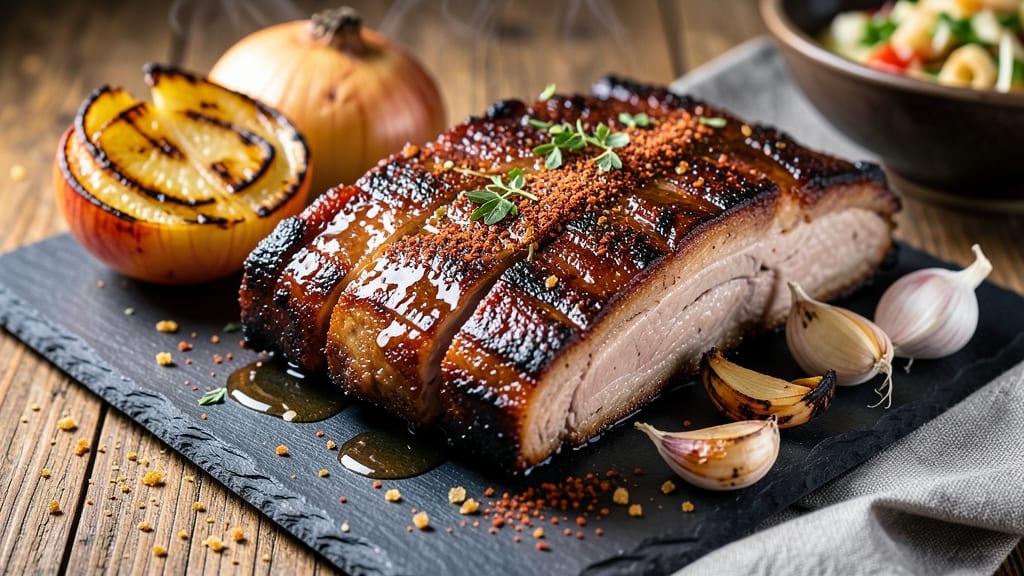
This barbecue pork rib roast delivers moist pink centers and a caramelized crust that rivals any competition-style pitmaster. 🔥 I developed this technique after years of perfecting the balance between searing and slow roasting—where the exterior gets that coveted bark without drying out the meat.
The secret lies in a methodical approach that transforms tough rib meat into tender, juicy perfection.
The process begins with a dry rub that builds deep, smoky flavors while creating a protective crust during the initial sear. We then use a clockwork roasting method—high heat for the sear, then a controlled oven finish—to lock in moisture and develop that signature fall-apart tenderness.
This isn't just another roast; it's a showstopper that turns ordinary weeknights into a smoky, savory celebration.
By the time it emerges from the oven, your pork rib roast will be perfectly pink inside, with a crust so dark and flavorful it could win first place.
The aroma alone will have everyone gathering at the table, and each slice will reveal layers of juicy meat, crispy edges, and that unmistakable barbecue magic that comes from precise technique. This is the kind of dish that makes you want to fire up the grill every weekend.
The best part? The leftovers are even better the next day—ideal for sandwiches or reheating with a splash of apple cider for extra depth. Let's get started on creating a rib roast that'll have your guests asking for the recipe (and maybe even your secret tips).
Ingredients for barbecue pork rib roast
Six pounds of pork ribs, a smoky rub, and clockwork heat—this is your ticket to competition-worthy barbecue magic.
| Ingredient | Amount | Notes |
|---|---|---|
| Pork Rib Roast (Back Ribs) 🍖 | 6 lb | Bone-in, 2-2.5 inches thick per rib |
| Yellow Onion 🧅 | 1 whole | Yellow or red, sliced into wedges |
| Garlic Cloves 🧄 | 8 cloves | Peeled, smashed for rub |
| Smoked Paprika 🌶️ | ½ cup | High-quality, not sweet variety |
| Brown Sugar 🍚 | ¼ cup | Light or dark, packed |
| Kosher Salt 🧂 | ⅓ cup | Diamond Crystal preferred |
| Ground Black Pepper 🌶️ | 2 tbsp | Freshly cracked |
| Ground Cumin 🌿 | 1 tbsp | Toasted for depth |
| Chili Powder 🔥 | 1 tbsp | Medium heat preferred |
| Apple Cider Vinegar 🍏 | ¼ cup | For basting |
| Unsalted Butter 🧈 | ½ cup | Cold, cubed for sear |
| Apple Wood Chips 🌳 | 2 cups | Soaked for smoker |
| Honey 🍯 | 2 tbsp | For glaze (optional) |
The ribs are everything here. Look for back ribs with good marbling—they'll stay juicy while the exterior develops that coveted bark. Costco or your local butcher are the best spots; avoid pre-cut ribs that've been sitting under lights for days. If you're buying whole ribs, trim any excess fat but leave the membrane intact—it helps trap moisture. The apple wood chips? Grab them at Trader Joe's or any BBQ supply store—they give that clean, fruity smoke without overpowering the pork. Toast them first for 5 minutes in a dry pan to intensify the flavor.
No smoked paprika? Substitute half with regular paprika and half with cayenne for heat. Running low on brown sugar? Maple syrup works in a pinch—just reduce the apple cider vinegar by 1 tbsp to balance sweetness. The butter for searing? Don't skip this step—it creates that initial crust that locks in juices. If you're short on time, use ghee instead. For the glaze, if you're avoiding honey, agave nectar thinned with water mimics the stickiness perfectly. And trust me on the apple cider vinegar—it's what keeps the meat tender through that long roast.
This isn't a 'make ahead' dish—ribs need to roast fresh for best results. But the prep? Do it the night before. Mix your dry rub, soak the wood chips, and let the ribs sit uncovered in the fridge overnight—they'll dry out slightly, helping that crust form. Reheat any leftovers in the oven at 300°F for 15 minutes with a splash of apple cider to restore moisture. The ribs keep 3-4 days wrapped in the fridge, but honestly? They're best the first day. Freeze portions for up to 3 months—just thaw overnight in the fridge before reheating.
Why You'll Love This Recipe
- One-Pan Magic: I swear by this recipe when I’m too tired to wash dishes—just sear the ribs, toss on the onions and garlic, then let the smoked paprika and brown sugar work their magic. The onions caramelize right on the same pan, so cleanup is basically nonexistent.
- Sweet-Smoky Bomb: That combo of brown sugar and smoked paprika? It’s like a flavor grenade. The ribs get this sticky, caramelized crust that’s sweet but not cloying, with a deep smokiness that lingers. Honestly, I’ve had people ask if I slow-cooked it for hours—nope, just 45 minutes.
- Leftovers I Actually Crave: Between us, most leftover roasts are sad. Not this one. The ribs stay tender, and the sauce clings to them like glue, so I’ll pull out cold slices for sandwiches or reheat them in the oven until crispy again. My kids even beg for it the next day.
- Budget Crowd-Pleaser: A whole rib roast feeds six for less than $15, and the ingredients are pantry staples. No fancy marinades or specialty tools—just a knife, a pan, and patience for 10 minutes of searing. It’s my go-to for game days, potlucks, or when I need to feed a houseful without breaking the bank.
Step-by-step instructions for smoked pork rib roast
This method delivers melt-in-your-mouth tenderness with a perfect bark every time.
👨🍳 Step 1: Build the Dry Rub and Prep the Roast
In a medium bowl, combine the 0.5 cup smoked paprika, 0.25 cup brown sugar, 0.33 cup kosher salt, 2 tbsp ground black pepper, 1 tbsp ground cumin, and 1 tbsp chili powder. Mix thoroughly until completely uniform—you should see no individual spices remaining. This blend creates the perfect balance of smoky depth, sweet caramelization, and just enough heat.
Pat the 6 lb pork rib roast completely dry with paper towels, pressing firmly to remove all moisture. This step is non-negotiable—moisture on the surface prevents the rub from sticking and creates steam instead of bark. Once dry, generously coat both sides of the roast with the rub mixture, pressing it into the meat so it adheres completely. Let the seasoned roast sit at room temperature for 30 minutes before cooking—this ensures even heat penetration when it hits the smoker.
🔥 Step 2: Prepare the Smoker and Sear the Ribs
Soak the 2 cups apple wood chips in water for 30 minutes to prevent flare-ups. Set up your smoker to maintain a consistent 225°F temperature using the soaked wood chips. The apple wood adds subtle sweetness that pairs beautifully with the pork, while keeping the heat low ensures tender meat without drying it out.
Once the smoker reaches temperature and you see steady, thin blue smoke, place the roast bone-side down on the smoker grates. Close the lid immediately and resist the urge to check it—every time you open the lid, you lose 25°F of heat and add 15 minutes to your cook time. Smoke the roast for 2 hours undisturbed, allowing the rub to form a crust while the meat begins its slow transformation into tenderness.
🥘 Step 3: Apply the Clockwork Sear Technique
After the initial 2 hours, remove the roast from the smoker and transfer it to a cutting board. Here's where the magic happens: using tongs, carefully flip each rib bone-side up and place the roast back in the smoker. This bone-side-up position allows the meat to cook more evenly and creates that beautiful crosshatch pattern on the surface.
Increase the smoker temperature to 250°F and add 0.25 cup apple cider vinegar to a small metal cup or spray bottle. Baste the roast every 30 minutes with the vinegar—this helps break down collagen and keeps the meat moist. Continue smoking for another 3-4 hours until the internal temperature reaches 195-200°F and the meat is fork-tender with just a slight resistance.
🍳 Step 4: Create the Glaze and Finish
While the roast smokes, prepare the glaze by melting the 0.5 cup unsalted butter in a small saucepan over low heat. Remove from heat and whisk in the 2 tbsp honey until smooth. The butter should be warm but not browned—you're creating a silky, flavorful base that will caramelize beautifully on the roast's surface.
When the pork reaches 195-200°F, brush the glaze mixture generously over the entire surface of the roast. Return it to the smoker for 15-20 minutes to set the glaze and develop that coveted sticky, caramelized crust. Watch closely during this final stage—the glaze should turn a deep amber color with slight charring in spots, indicating perfect caramelization.
⏰ Step 5: Rest and Slice for Maximum Juiciness
Remove the roast from the smoker and transfer it to a large cutting board. Tent loosely with aluminum foil and let it rest for at least 30 minutes (I prefer 45 minutes for maximum juiciness). This resting period allows the juices to redistribute throughout the meat, ensuring every slice is moist and flavorful. The internal temperature will rise another 5-10°F during this time due to carryover cooking.
Slice the pork between the bones into individual ribs. The meat should be fork-tender with a beautiful pink center that's just slightly firm to the touch. Serve immediately with the rendered juices spooned over the top, accompanied by the sliced yellow onion wedges that were smoking alongside the roast. Each bite should deliver perfect tenderness with a balance of smoky, sweet, and slightly spicy flavors.
Pro Tips For Making Barbecue Pork Rib Roast
- Sear First, Slow Later: Hit the ribs with a screaming-hot pan for 3-4 minutes per side before any sauce or rub—this locks in flavor and keeps the meat juicy. I used to skip this, and the ribs ended up tasting like they were cooked in the sauce alone.
- Caramelize the Onion: Don’t just chop the onion—cook it low and slow until it’s deep amber, almost jammy, before adding garlic. This adds a sweetness that cuts through the smokiness of the paprika and makes the whole dish taste richer.
- Don’t Overcrowd the Pan: If you’re browning the ribs in batches, resist the urge to rush—crowded meat steams instead of sears, and you’ll end up with soggy crusts. Give them space, even if it takes an extra 10 minutes.
- Brown Sugar Early: Mix the brown sugar into the rub before applying it to the ribs, not after. This lets it caramelize slightly during the sear, giving the crust a sticky, glossy finish instead of a dry coating. (Yes, it’s a pain to clean up, but it’s worth it.)
Common mistakes when making perfect results
Skipping the Rest
I’ve seen so many home cooks rush this step because they’re eager to serve, but skipping the rest is the fastest way to dry, stringy ribs. That 30-45 minute rest lets the juices settle back into the meat after all that heat and movement.
Trust me, I’ve sliced into ribs fresh off the smoker—it’s like cutting into a sponge. The juices pool on your plate instead of in the meat. 💫
Uneven Rub Application
Some people just sprinkle the rub on top and call it good, but that’s how you get patchy bark and uneven flavor. You’ve got to press that rub into every nook and cranny—especially those deep grooves between the ribs.
I like to use my fingers to work it into the meat, making sure it sticks to the bone side too. If you’re lazy about this, you’ll end up with dry spots that don’t caramelize properly.
Ignoring Smoke Temperature
Seeing that smoker temp drop below 225°F because you opened the lid too often or didn’t add enough wood chips? Big mistake. Fluctuating temps mean uneven cooking—some ribs will be tough while others are falling apart.
I use a Meater thermometer to monitor both the smoker and the meat. Keep that temp steady, and you’ll get consistent results every time. 🌡️
Overlooking the Bone-Side Flip
Leaving the ribs bone-side down the whole time? You’re missing out on that beautiful crosshatch pattern and even cooking. After the initial 2-hour smoke, flip them bone-side up.
This lets the meat cook more evenly and gives you that professional-looking presentation. It’s a small tweak, but it makes a huge difference in both texture and appearance.
Rushing the Glaze Stage
That final 15-20 minute glaze isn’t just for show—it’s where the magic happens. Too many people brush it on and immediately pull the ribs off the smoker. You need that time for the glaze to caramelize and set properly.
Watch for deep amber color with slight charring—this is your cue that the glaze is ready. Skimp on this, and you’ll end up with a sticky mess instead of that beautiful crust.
Using Wet Wood Chips
I know it’s tempting to just toss those wood chips straight from the bag into the smoker, but unsoaked chips create flare-ups and uneven smoke. Soak them for 30 minutes first to prevent sudden bursts of flame.
I’ve seen people’s whole cookouts go up in smoke because they skipped this step. Trust me, a little patience here saves a lot of trouble later. 🔥
Nutrition facts
Frequently asked questions about smoked pork rib roast
Can I use a regular oven instead of a smoker?
If you don't have a smoker, use a meat thermometer to monitor your oven's temperature. Set it to 250°F and place a pan of water on the lower rack to create steam. Smoke flavor can be mimicked by adding 1 tbsp liquid smoke to your glaze or brushing the ribs with apple cider vinegar during cooking. The clockwork sear technique still applies—just increase cook time by 30-45 minutes since ovens aren't as efficient as smokers.
How do I know when the ribs are done?
Use a meat thermometer to check the internal temperature at the thickest part of the meat. The ribs are perfectly done at 195-200°F—they should be fork-tender with just slight resistance. The meat will continue cooking during the 30-45 minute rest, so don't worry if it's not quite there when you pull them. Pro tip: The ribs should pull away from the bone easily when you gently lift a section.
What's the best way to reheat leftover ribs?
Reheat ribs in the oven at 300°F for 15 minutes with a splash of apple cider vinegar or beef broth to restore moisture. For extra crispiness, broil for 2-3 minutes at the end. Never microwave—it turns the meat rubbery. Leftovers keep 3-4 days wrapped tightly in the fridge or up to 3 months frozen. The flavor actually improves after the first day!
Can I substitute other woods besides apple?
Yes! Cherry wood adds a fruity sweetness, while hickory gives bold smokiness. Avoid pine—it has high sap content that can make the meat bitter. For a balanced flavor, try a 50/50 mix of apple and cherry. Always soak wood chips for 30 minutes before using to prevent flare-ups. The key is finding wood that complements the pork's natural flavors.
Why did my ribs turn out dry?
Dry ribs usually result from one of three issues: overcooking (past 200°F), skipping the rest, or opening the smoker too often. Always use a meat thermometer and resist peeking! The clockwork sear technique locks in moisture—if you rush the process or don't baste with vinegar, the meat will lose juices. For extra insurance, try wrapping the ribs in butcher paper during the final 1-2 hours of cooking.