
Main Courses
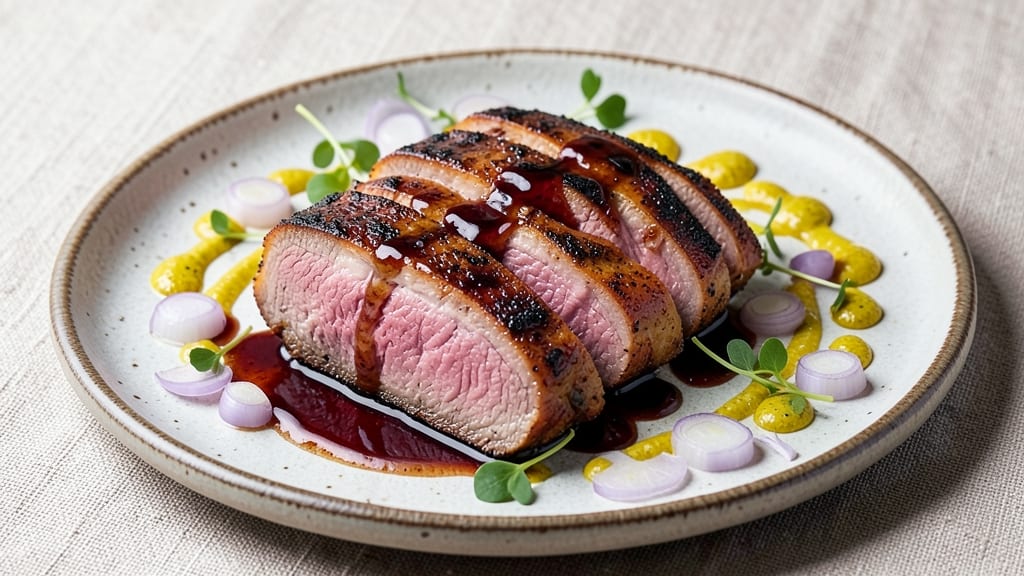
This balsamic roast pork tenderloin recipe delivers restaurant-quality results with minimal effort—juicy pink centers and a glossy, caramelized crust that'll have your guests begging for seconds. 🔥 As someone who's roasted thousands of pounds of pork, I know the secret lies in precise timing and a bold balsamic glaze that transforms simple pork into something extraordinary.
The magic happens when you sear the tenderloin first to lock in juices, then roast it until the internal temperature hits 145°F—just enough to ensure tender, pink perfection without drying it out.
A homemade balsamic reduction, simmered with Dijon mustard and honey, adds depth and a sticky-sweet finish that makes every bite irresistible.
What you'll end up with is a tender, juicy pork tenderloin that slices effortlessly, its surface glistening with that signature balsamic glaze.
The contrast between the crispy exterior and melt-in-your-mouth interior is what makes this dish truly special—it's the kind of meal that elevates a weeknight dinner into something memorable.
Pair it with roasted root vegetables or a crisp green salad for a complete meal that feels both comforting and refined. This recipe is built for confidence, so even if you're new to roasting pork, you'll achieve professional results every time. Let's get started!
Ingredients for balsamic roast pork tenderloin
Here's the secret to restaurant-quality pork tenderloin with tender pink centers and glossy balsamic glaze.
| Ingredient | Amount | Notes |
|---|---|---|
| Pork Tenderloin 🥩 | 1 ½ lb | Center-cut, trimmed of silver skin |
| Balsamic Vinegar 🍷 | ½ cup | High-quality aged balsamic |
| Dijon Mustard 🍯 | 1 tbsp | Mild or hot variety preferred |
| Honey 🍯 | 2 tbsp | Wildflower or clover preferred |
| Olive Oil 🫒 | 2 tbsp | Extra-virgin for searing |
| Garlic Cloves 🧄 | 4 cloves | Minced for glaze |
| Shallots 🧅 | 2 whole | Minced or finely chopped |
| Diamond Crystal Kosher Salt 🧂 | 1 ½ tsp | For seasoning and glaze |
| Freshly Ground Black Pepper 🌶️ | ½ tsp | Freshly cracked preferred |
| Thyme Leaves 🌿 | ½ tsp | Fresh or dried (1/4 tsp) |
| Rosemary Sprigs 🌿 | 2 whole | Fresh, for aromatics |
| Unsalted Butter 🧈 | 1 tbsp | For basting |
The pork tenderloin is the star—center-cut and trimmed to ensure even cooking. Look for uniform thickness at your butcher or grocery store's meat counter, as even size means consistent doneness. Whole Foods or Costco often carry high-quality pork tenderloins, but any reputable meat department will do. If you can, ask for it to be cut the same day you purchase it for maximum freshness. The balsamic vinegar should be aged—look for 'aceto balsamico di Modena' on the label for that deep, complex flavor. Fresh herbs like thyme and rosemary should have vibrant color and a strong aroma; if they smell faint, they're past their prime.
No aged balsamic? Substitute with 3 tbsp regular balsamic vinegar plus 1 tbsp brown sugar—it won't be identical, but it'll still deliver great flavor. Short on Dijon? Yellow mustard works in a pinch, though it lacks the depth. The honey can be swapped for maple syrup if you're avoiding refined sugar. For the shallots, if you've only got onion, use half the amount—they're milder. Fresh herbs? Dried works at one-third the amount, but fresh is always better if you've got it. The butter for basting can be swapped for olive oil if you're dairy-free, though it won't be quite the same.
This pork reheats beautifully—keep it wrapped in foil and reheat in a 300°F oven for 15-20 minutes. The glaze thickens as it cools, so if it's too thin after roasting, simmer it uncovered for 3-4 minutes to reduce. Store leftovers in the fridge for 3-4 days or freeze for up to 3 months. For a make-ahead meal, prep the glaze a day ahead and store it in the fridge. The pork itself can be prepped and refrigerated overnight, but bring it to room temp before roasting for even cooking.
Why You'll Love This Recipe
- One-Pan Magic: I swear by this for nights when I don’t want to scrub a million dishes—just toss the pork, drizzle that sticky-sweet balsamic-honey glaze, and let the oven do the work. The mustard clings like glue, so no sauce drips everywhere.
- Sweet-Savory Balance: That glaze? It’s the star. The balsamic cuts through the richness of the pork while the honey keeps it from feeling heavy, and the Dijon adds just enough kick to wake up your taste buds. (Yes, even on a Tuesday night.)
- Leftovers That Don’t Suck: Roast a big tenderloin once, and you’ve got lunch for days. Slice it thin for sandwiches, toss it into salads, or reheat it with a splash of broth—it’s forgiving, flavorful, and way better than takeout.
- Budget-Friendly Protein: Pork tenderloin is lean, affordable, and cooks faster than a steak. This recipe stretches every dollar without sacrificing taste, and the glaze ingredients are pantry staples. Honestly, it’s my go-to for feeding the whole family without breaking the bank.
Step-by-step instructions for balsamic roast pork tenderloin
Here's how to achieve perfectly tender pork with a glossy balsamic glaze that caramelizes to a sticky finish.
🔥 Step 1: Sear the Pork Tenderloin for Maximum Flavor
Preheat your oven to 425°F and heat a large oven-safe skillet over medium-high heat. Add the 2 tablespoons olive oil and swirl to coat the pan. Place the 1.5 lb pork tenderloin in the skillet, turning to coat it completely with oil.
Sear the pork for 3-4 minutes per side until it develops a deep golden brown crust. This step is crucial—it locks in juices and creates that beautiful caramelized exterior. Press down gently on the tenderloin during the first minute to prevent curling. Once browned, transfer the skillet to the preheated oven.
👨🍳 Step 2: Prepare the Balsamic Glaze Components
While the pork roasts, finely chop the 2 whole shallots and mince the 4 cloves garlic. In a small bowl, whisk together the 0.5 cup balsamic vinegar, 2 tablespoons honey, 1 tablespoon Dijon mustard, 0.5 teaspoon thyme leaves, 0.5 teaspoon freshly ground black pepper, and 1.5 teaspoons Diamond Crystal kosher salt. This mixture will form the base of your glaze.
I like to add the 2 whole rosemary sprigs directly to the glaze mixture—they'll infuse the liquid with their piney aroma while the pork roasts. The honey and mustard create a perfect balance of sweet and tangy flavors that complement the rich pork beautifully.
🥘 Step 3: Roast and Glaze the Pork to Juicy Perfection
Roast the pork for 15-20 minutes until the internal temperature reaches 145°F on a meat thermometer. This is the magic sweet spot for pork tenderloin—juicy pink centers with a firm exterior. About 5 minutes before the pork is done, remove it from the oven and pour the balsamic mixture over it, basting the top generously.
Return the pork to the oven for the final 5 minutes to allow the glaze to caramelize. Watch closely—the glaze should thicken and darken to a rich amber color. If it reduces too quickly, add a splash of water to loosen it. The pork is ready when the glaze is glossy and sticky.
⏰ Step 4: Rest and Finish with Butter
Transfer the pork to a cutting board and let it rest for 10 minutes before slicing. This resting period is essential—it allows the juices to redistribute throughout the meat, ensuring each slice is moist and flavorful. While it rests, melt the 1 tablespoon unsalted butter in the same skillet over low heat until it's just beginning to foam.
Pour the melted butter over the sliced pork just before serving. The butter adds a luxurious richness that perfectly complements the tangy-sweet glaze. Serve the pork with the pan juices spooned over the top for an extra burst of flavor. Each slice should be tender enough to pull apart with a gentle fork, with a glossy glaze that clings beautifully to the meat.
Pro Tips For Making Balsamic Roast Pork Tenderloin
- Trim the Fat First: Pork tenderloin’s lean, but cutting a thin slice off the fat cap (if present) keeps it from drying out during roasting. Trust me, that extra step makes the difference when you’re basting with balsamic—no one wants a tough cut.
- Salt the Meat Early: Season the tenderloin at least 30 minutes before cooking—salt penetrates better when it’s cold. I used to skip this, and the crust never formed right; now I swear by it, even if I’m impatient.
- Baste with Purpose: Don’t just drizzle the balsamic-honey mix once—brush it on halfway through cooking, then again at the end. The first coat caramelizes the crust, and the second locks in flavor. (Yes, it’s messy, but so is eating with your hands.)
- Use a Meat Thermometer: Pork’s done at 145°F, but guessing leads to dryness or undercooked meat. I burned my first batch by eyeballing it—now I pull it out at 140°F and let it rest. That 5-minute rest is non-negotiable.
Common mistakes when making this recipe
Skipping the Sear
This is the biggest mistake I see home cooks make—skipping the sear entirely. That golden crust isn't just for looks; it's what locks in juices and builds flavor through the Maillard reaction.
I've seen pork tenderloin turn out dry and bland when people just pop it straight into the oven. Always take those 3-4 minutes per side to develop that crust, even if you're in a hurry. 🔥
Overcooking the Pork
Pork tenderloin is lean and cooks fast—once it hits 145°F internal temperature, it's done. I've ruined more pork than I care to admit by letting it linger in the oven past that point.
Use a meat thermometer (I swear by Thermoworks Smoke) and pull it out immediately when it reaches temp. Overcooked pork gets tough and dry, and no amount of glaze will save it.
Not Resting the Meat
This is where even experienced cooks sometimes fail. That 10-minute rest isn't optional—it's when the juices redistribute from the center to the edges. I've seen people slice pork immediately after roasting, and it's always sad—all the flavor runs out onto the plate.
Trust me, those extra minutes pay off with juicy, perfect slices every time.
Thin Glaze Application
Some people pour their balsamic mixture over the pork and think they're done. But for that beautiful caramelized finish, you need to baste generously—about 3-4 tablespoons of the glaze per pound of pork.
I like to use a pastry brush to spread it evenly over the surface before the final 5 minutes of roasting. The thicker the glaze, the better the flavor payoff.
Using Low-Quality Balsamic
Not all balsamic vinegar is created equal. The cheap stuff from the grocery store's bargain bin won't give you that deep, complex flavor. I always reach for aged aceto balsamico di Modena—it's worth the splurge.
The difference between regular balsamic and aged is like night and day. If you must substitute, use 3 tbsp regular balsamic plus 1 tbsp brown sugar, but you'll miss that authentic depth.
Ignoring the Butter Finish
That final butter basting isn't just for show—it adds richness and helps the glaze cling to the meat. I've served this dish without it, and while it's still good, it's missing that luxurious finish.
Melt 1 tbsp unsalted butter in the same skillet and pour it over the sliced pork just before serving. It's a simple step that makes a world of difference in texture and flavor. 💫
Nutrition facts
Frequently asked questions
Can I use this recipe with a larger or smaller pork tenderloin?
The recipe works best with a 1.5 lb tenderloin, but you can adjust for different sizes. For every ½ lb larger, add 5 minutes to roasting time. For smaller cuts (1 lb), reduce time by 5-7 minutes. Always use a meat thermometer to check for 145°F internal temp—never rely solely on time. The glaze quantity can stay the same, but baste more frequently for smaller cuts.
What sides pair best with balsamic roast pork?
For a complete meal, try roasted root vegetables like carrots and parsnips with thyme, or a crisp green salad with a citrus vinaigrette. The tangy-sweet glaze also complements mashed potatoes or wild rice pilaf beautifully. For a lighter option, grilled asparagus or sautéed green beans work perfectly—they balance the richness of the pork without overpowering it.
Can I make this recipe ahead of time?
Prep the balsamic glaze 1-2 days ahead and store it in the fridge. For the pork, you can trim and season it up to 12 hours ahead, then refrigerate uncovered on a plate. Bring it to room temperature before roasting. Leftovers keep well for 3-4 days in the fridge—reheat slices in a 300°F oven for 10-15 minutes with a splash of water to revive the glaze.
Why did my pork turn out dry?
Most likely, it was overcooked or didn't rest long enough. Pork tenderloin is lean and cooks quickly—pull it at 145°F internal temp, never higher. Always let it rest for 10 minutes before slicing. If you're nervous about timing, start checking at 12 minutes for a 1.5 lb cut. The glaze won't compensate for dryness, so focus on perfect cooking first.
Can I substitute balsamic vinegar with something else?
For a similar flavor, use 3 tbsp regular balsamic vinegar plus 1 tbsp brown sugar—it won't be identical but works in a pinch. For a tangy alternative, try red wine reduction (simmer ½ cup red wine until syrupy) or apple cider vinegar with honey. The key is balancing sweetness and acidity—adjust to taste. The Dijon mustard and honey in the recipe help bridge any flavor gaps.