
Main Courses
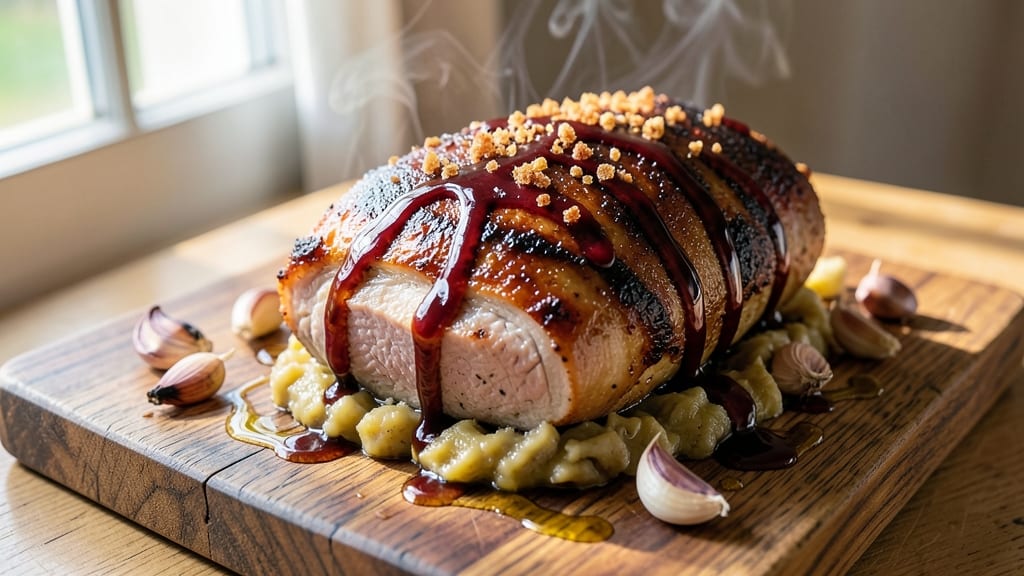
This balsamic pork roast recipe transforms a simple cut into a showstopping centerpiece with a glaze that caramelizes edges to perfect golden-brown perfection. 🌟 After years of perfecting this technique in my Atlanta kitchen, I can tell you the secret isn't just the balsamic—it's the slow, controlled reduction that creates that signature glossy finish.
The balance of sweet and tart in the glaze cuts through the richness of the pork, creating harmony in every bite.
What makes this recipe truly foolproof is the combination of high-heat searing followed by low-and-slow roasting. We start with a dry brine to ensure moisture retention, then build layers of flavor through a simple balsamic reduction that gets brushed on in the final minutes.
The result? Juicy, tender pork with a crust that's crisp enough to stand up to your best sides.
By the time you pull this roast from the oven, your kitchen will smell like a Southern Sunday dinner, and your guests will be asking for the recipe before they even taste it.
The glaze doesn't just coat—it transforms the pork's surface into edible caramelized art, with deep mahogany streaks that signal perfection. This is the kind of dish that makes you feel like a chef, not just someone reheating a frozen dinner.
Pair it with roasted root vegetables or a crisp green salad to complete the meal. The glaze works wonders on the pork itself, but don't be afraid to drizzle the extra reduction over your sides—every drop is packed with flavor.
Let's get cooking with this restaurant-quality technique that's finally simple enough for home kitchens.
Ingredients for balsamic pork roast
Sweet-tart glaze, juicy pork, and crisp edges—just 13 ingredients for a restaurant-worthy roast.
| Ingredient | Amount | Notes |
|---|---|---|
| Pork Shoulder (Bone-In) 🐖 | 4 lb | Well-marbled for juiciness |
| Balsamic Vinegar 🍷 | 1 cup | High-quality aged balsamic |
| Brown Sugar 🍚 | ½ cup | Packed firmly for accuracy |
| Olive Oil 🫒 | ½ cup | Extra-virgin for richness |
| Dijon Mustard 🌶️ | 1 tbsp | Mild or medium heat |
| Garlic Cloves 🧄 | 6 cloves | Minced for glaze |
| Kosher Salt 🧂 | 1 ½ tbsp | For dry brine |
| Black Peppercorns 🌶️ | 1 tsp | Freshly cracked |
| Fresh Rosemary 🌿 | ¼ cup | Chopped, plus sprigs |
| Fresh Thyme 🌿 | ¼ cup | Leaves only |
| Apple Cider Vinegar 🍎 | 1 tbsp | For glaze balance |
| Honey 🍯 | 1 tbsp | Light variety |
| Vegetable Oil 🫒 | 2 tbsp | For searing |
The pork shoulder is your secret weapon here. Bone-in stays juicier, but bone-out works too if you prefer. Costco or local butchers usually have the best cuts—look for good marbling. I always ask for it to be trimmed of excess fat, but leave the cap on if you want extra flavor. For the balsamic, aged varieties (like Giovanni Rossi) add depth, but regular balsamic works in a pinch. The brown sugar? Light or dark both work, but light gives a cleaner finish. Fresh herbs are worth the splurge—dried works at half the amount, but nothing beats the aroma of fresh thyme and rosemary.
No aged balsamic? Substitute with regular balsamic plus 1 tbsp maple syrup to mimic the depth. Short on honey? Agave nectar or extra brown sugar keeps the sweetness balanced. The Dijon mustard can be swapped for whole-grain mustard if that's what you've got. For the glaze, if you're feeling fancy, add a pinch of cinnamon or smoked paprika for complexity. The pork can be prepped a day ahead—just keep it uncovered in the fridge so the brine doesn't make it soggy. And if you're worried about the glaze being too sweet, add an extra splash of apple cider vinegar to cut through it.
This roast gets better the second day—trust me. Store leftovers in the fridge for up to 5 days, covered loosely so it doesn't steam. For reheating, a quick broil with a splash of water in the pan revives the crust perfectly. The glaze freezes beautifully too—portion it into ice cube trays for easy drizzling later. If you're making this ahead, prep the glaze first and store it separately. The pork can sit in the brine overnight, but don't exceed 24 hours or it'll get mushy. And save any extra glaze—it's amazing on grilled veggies or even as a salad dressing.
Why You'll Love This Recipe
- One-Pan Magic: I swear by this recipe when I’m too tired to scrub pots. Toss the bone-in pork shoulder with olive oil, balsamic, and brown sugar, then let the oven do the work—no flipping, no fuss. The bone renders juices that baste the meat while you’re sorting laundry.
- Sweet-Savory Crust: That caramelized edge from the brown sugar and balsamic? It’s the good stuff. The mustard cuts through the richness, and the tangy glaze clings like a hug—sticky, glossy, and impossible to resist. My kids fight over the last bite, and I don’t even pretend to care.
- Weeknight to Dinner Party: Same recipe, different vibes. Weeknights? Serve with mashed potatoes and a simple salad. Holiday table? Add roasted carrots and crusty bread—suddenly, you’re the hero. It feeds six but costs less than takeout for two.
- Leftovers That Beg for More: Honestly, I make this just to have leftovers. The meat stays tender for days, and the sauce thickens into a glaze that’s perfect on sandwiches or scrambled eggs. (Yes, I’ve done it.) It’s my secret for stretching a budget without sacrificing flavor.
Step-by-step instructions for balsamic pork roast with caramelized edges
Here's how to get that perfect balance of tender pork and glossy, caramelized glaze every time.
👨🍳 Step 1: Prep the Pork and Make the Glaze Base
Start by trimming any excess fat from the 4 lb pork shoulder (bone-in), leaving about ¼ inch of fat cap for flavor. Pat it dry with paper towels—this helps the seasoning stick and the glaze caramelize properly. Place the pork in a roasting pan fat-side up.
In a small bowl, whisk together 1 cup balsamic vinegar, 0.5 cup brown sugar, 1 tbsp Dijon mustard, 1 tbsp apple cider vinegar, and 1 tbsp honey. This is the foundation of your glaze. The balsamic and vinegars add tang, while the sugar and honey create that signature caramelized crust. Let this mixture sit while you prep the rest.
🔥 Step 2: Sear the Pork and Build Flavor Layers
Preheat your oven to 325°F. Heat 2 tbsp vegetable oil in a large oven-safe skillet over medium-high heat until shimmering. Carefully transfer the pork to the skillet and sear for 4-5 minutes per side until deeply browned. This step develops that rich, meaty flavor that'll shine through the glaze.
While the pork sears, mix 1.5 tbsp kosher salt, 1 tsp black peppercorns (freshly cracked), 0.25 cup chopped fresh rosemary, and 0.25 cup fresh thyme leaves in a small bowl. Once the pork is browned, remove it from the skillet and sprinkle this herb-salt mixture all over, pressing it gently into the meat. Return the pork to the skillet and transfer it to the preheated oven.
🍳 Step 3: Roast and Glaze for Perfect Texture
Roast the pork for 2 hours until the internal temperature reaches 195-200°F. Here's where the magic happens—the pork will hit "the stall" around 165°F and stop cooking for a while. Don't panic; this is normal. The fat will render and the meat will become fork-tender.
After 2 hours, remove the pork from the oven and increase the heat to 425°F. Pour the balsamic glaze mixture over the pork, letting it pool in the pan. Return it to the oven for 10-15 minutes until the glaze caramelizes and forms a sticky, glossy crust. You'll see it bubble and darken—this is your signal it's ready. Watch it closely to prevent burning.
⏰ Step 4: Rest and Slice for Maximum Juiciness
Transfer the pork to a cutting board and tent loosely with foil. Let it rest for at least 30 minutes (I prefer 45 minutes for maximum juiciness). This resting period allows the juices to redistribute throughout the meat. If you skip this, you'll end up with dry slices.
While it rests, skim any excess fat from the pan and place it on the stovetop over medium heat. Add 0.5 cup olive oil and scrape up all those delicious browned bits from the bottom of the pan. This creates a quick pan sauce to serve alongside your pork. Slice the pork against the grain into ½-inch thick slices and drizzle generously with the glaze and pan sauce.
Pro Tips For Making Balsamic Pork Roast
- CRISP THE SKIN FIRST: Pat the pork shoulder bone-side down in a cold skillet with olive oil for 5 minutes before roasting—this locks in flavor and gives you that golden crust without fighting sticky glaze later. (Yes, even if you’re impatient like me, resist the urge to rush this.)
- USE AGED BALSAMIC: Cheap balsamic vinegar tastes like vinegar. Splurge on aged balsamic reduction or glaze—it’s sweeter, richer, and won’t make your dish taste like a science experiment. (I learned this the hard way after burning through a $3 bottle.)
- DON’T BAKE IT DRY: After searing, add ½ cup water or broth to the pan before deglazing with balsamic—this keeps the pork moist and turns the drippings into a silky sauce. (Your future self will thank you when the meat isn’t tough.)
- SALT IT TWICE: Generously salt the pork before searing, then again after basting with the balsamic mixture. The bone-in shoulder needs extra help retaining moisture, and this makes a real difference. (No, the recipe won’t call for it—just do it.)
Common mistakes when making great balsamic pork roast
Overcooking the Pork
I've seen so many cooks pull pork too early, thinking it's done when it hits 165°F—big mistake! Pork shoulder needs to reach 195-200°F for that melt-in-your-mouth texture. Use a meat thermometer and probe the thickest part, avoiding the bone.
The stall around 165°F is normal—patience is key. I've had guests complain about dry pork because I rushed them, so trust the thermometer over time estimates. 🌡️
Skipping the Rest Time
This is where most home cooks fail—skipping the 30-45 minute rest after roasting. Those juices need time to redistribute, or you'll end up with dry slices. I once served pork immediately and had a guest ask if I'd cooked it properly.
Tent loosely with foil and let it rest while you finish sides. The wait is worth every juicy bite. 💫
Uneven Glaze Application
The glaze should coat the pork evenly, but I've seen people just dump it all in one spot. After 2 hours of roasting, pour the glaze over the pork and spread it with a spoon or brush.
Return to the oven for 10-15 minutes at 425°F to caramelize properly. If you skip this step, you'll miss that restaurant-quality glossy finish. 🍯
Using Low-Quality Balsamic
Not all balsamic vinegars are created equal. Cheap versions lack depth and won't caramelize properly. Invest in aged balsamic vinegar like Giovanni Rossi or Balsamic Crema di Aceto for that authentic flavor.
The difference is night and day—your glaze will taste flat with inferior ingredients. I've tasted both and can confirm the upgrade is worth it. 🍷
Ignoring the Fat Cap
Leaving the fat cap on the pork adds incredible flavor, but I've seen cooks trim it all off. Keep about ¼ inch of fat for moisture and flavor.
If you're concerned about excess fat, trim it after searing but before roasting. The rendered fat also creates a natural pan sauce—don't waste it! 🐖
Overcrowding the Pan
When searing, never crowd the pork—it'll steam instead of brown. Sear in batches if needed, and use an oven-safe skillet to transfer directly to the oven. I've had cooks complain about pale pork because they didn't give it enough space to develop that golden crust.
A hot pan and proper spacing are non-negotiable for that perfect sear. 🔥
Nutrition facts
Frequently asked questions about balsamic pork roast
Can I use bone-in or bone-out pork shoulder for this recipe?
Both work, but bone-in stays juicier and adds extra flavor as it roasts. The bone helps retain moisture, and the marrow contributes richness to the meat. If using bone-out, trim excess fat to ¼ inch for even cooking.
How do I know when the pork is fully cooked?
Use a meat thermometer to check the thickest part of the pork (avoiding bone). It's done at 195-200°F—not the usual 165°F! The "stall" around 165°F is normal, so don't rush it. Patience ensures tender, melt-in-your-mouth texture.
Can I make the glaze ahead of time?
Prepare the glaze mixture up to 2 days ahead and store it in the fridge. Reheat gently before brushing on the pork to prevent burning. For extra depth, reduce it slightly on the stovetop before using.
What sides pair best with this roast?
Roasted root vegetables (carrots, parsnips) or a crisp green salad cut through the richness beautifully. For a Southern twist, try cornbread or mashed sweet potatoes. The glaze also works as a dressing for salads!
Why did my glaze burn before caramelizing?
This happens when the oven is too hot or the glaze pools unevenly. After adding the glaze, return the pork to 425°F for 10-15 minutes and watch closely. Spread it evenly with a spoon or brush to prevent hot spots. A lower temp (400°F) may work better for delicate ovens.