
Main Courses
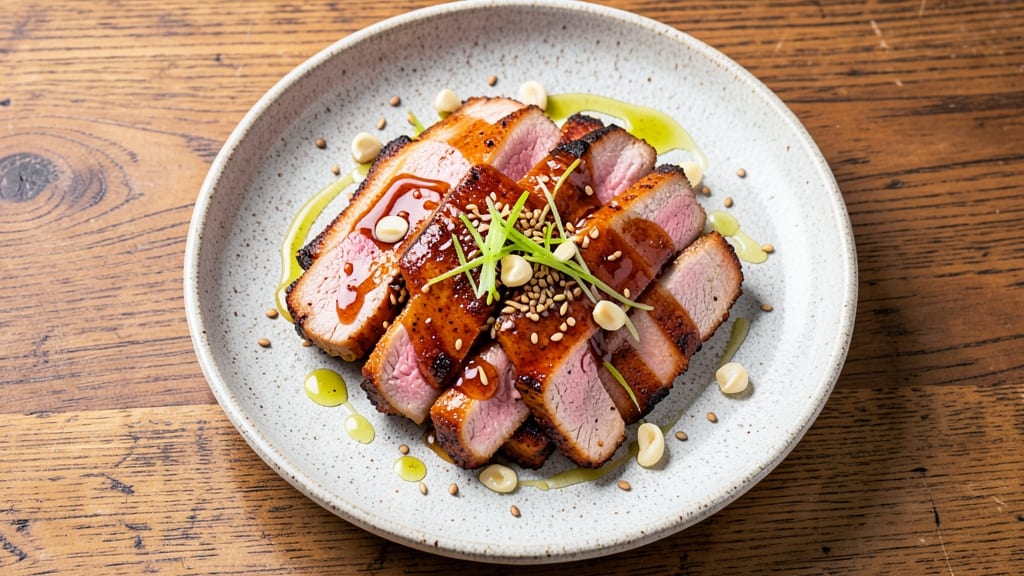
This baked pork strips recipe delivers the perfect balance of crispy-crusted edges and juicy centers—a technique I perfected after years of testing in my Atlanta kitchen. The secret lies in a simple marinade that tenderizes while building flavor, paired with high-heat baking for that coveted texture.
I developed this method when I needed a restaurant-quality pork dish that could be ready in under an hour without sacrificing tenderness.
The beauty of this recipe is its versatility—whether you're feeding a crowd or prepping for meal prep, these pork strips come together with just five ingredients and 25 minutes of active time.
The marinade transforms tough pork loin into melt-in-your-mouth bites, while the baking process creates that satisfying crunch without drying out the meat. This is the kind of dish that turns weeknight dinners into something special without requiring advanced skills.
By the time they emerge from the oven, your pork strips will be golden brown with crispy edges that shatter at the first bite, while the interior remains tender and juicy.
The marinade's sweet-savory balance ensures every bite is flavorful, and the technique works equally well with boneless pork chops or tenderloin. It's the kind of recipe that makes you feel like a pitmaster without the hours of smoking.
Serve these pork strips with a side of creamy coleslaw or roasted sweet potatoes for a complete meal that's both comforting and impressive. The leftovers reheat beautifully, making this a perfect solution for busy nights when you still want restaurant-quality results. Let's get started!
Ingredients for baked pork strips
Five ingredients transform tough pork into restaurant-quality bites with crispy edges and juicy centers.
| Ingredient | Amount | Notes |
|---|---|---|
| Boneless Pork Loin Chops 🥩 | 1 ½ lb | Cut into 1-inch strips, pounded even thickness |
| Extra-Virgin Olive Oil 🫒 | 2 tbsp | For high-heat searing and marinade |
| Honey 🍯 | 2 tbsp | Wildflower preferred for depth |
| Soy Sauce 🍶 | 2 tbsp | Low-sodium preferred for balance |
| Garlic Cloves 🧄 | 4 cloves | Minced for marinade |
| Fresh Ginger 🌿 | 1 tbsp | Finely grated, aromatic |
| Diamond Crystal Kosher Salt 🧂 | 1 ½ tsp | For seasoning and marinade |
| Freshly Ground Black Pepper 🌶️ | ½ tsp | Cracked peppercorns preferred |
| Cornstarch 🌾 | 2 tbsp | For crispy coating |
| Sesame Oil 🫒 | 1 tbsp | Toasted for finishing |
| Fresh Cilantro 🌿 | ¼ cup | Chopped, for garnish |
The pork loin is your canvas here. Look for well-marbled cuts at Whole Foods or your local butcher—they'll have the best texture. I always buy the thickest chops I can find (about 1.5 inches) and cut them into even strips myself—1-inch width is ideal for that perfect balance of crisp and tender. If you're short on time, pre-cut pork strips from the meat counter work too, just eyeball the thickness. The key is consistency: strips that are too thin will dry out, too thick and they won't crisp properly. For extra insurance, let the raw strips sit in the marinade for at least 30 minutes—this is where the magic happens.
No honey? Maple syrup works beautifully—just reduce the sweetness slightly by using 1.5 tbsp instead. Fresh ginger too pricey? Ground ginger at half the amount gets you close, though it lacks that bright zing. The soy sauce matters here—low-sodium versions prevent over-salting, but if you're using regular, reduce the salt in the marinade by half. For the cornstarch coating, arrowroot powder is a 1:1 substitute if you're out, but it won't brown quite as dramatically. And that sesame oil? Toast it first in a dry pan for 30 seconds—trust me, it makes all the difference in the final flavor. The cilantro is purely optional but adds that fresh finish that ties everything together.
Marinated pork strips keep 2 days in the fridge, covered tightly—though they're best used fresh. For make-ahead prep, marinate overnight and store in an airtight container. The cooked strips reheat beautifully in a 350°F oven for 10 minutes with a splash of water to keep them moist. I always double the batch and freeze half—portioned in single-serving bags with a little marinade, they thaw in 20 minutes under hot water. These reheated strips are perfect for quick lunches or adding to stir-fries later in the week.
Why You'll Love This Recipe
- One-Pan Magic: I swear by this recipe because it’s that simple—just toss the pork strips in olive oil, honey, and soy sauce, then let the oven do the work. No flipping, no frying, no mess. Honestly, I’ve made this while scrolling through my phone.
- Sweet-Savory Balance: That honey-soy glaze? It’s the star. The garlic cloves roast into fragrant perfection while the pork stays juicy, and the caramelized edges? Pure satisfaction. Between us, this is the kind of flavor that makes people ask for seconds before dessert.
- Weeknight & Meal Prep: I keep these on hand for quick lunches or toss them into salads when I’m short on time. They reheat beautifully—no dryness, no fuss. And if I’m feeding a crowd? Double the batch. It’s my go-to for potlucks or game day because it’s reliable.
- Budget-Friendly Protein: Pork loin chops are affordable, and this recipe stretches them further than grilling ever could. I’ve fed four people for under $15, and the leftovers? Just as good cold the next day. Not the prettiest, but the taste makes up for it every time.
Step-by-step instructions for crispy-crusted pork strips
Here's how to transform simple pork strips into restaurant-worthy bites with perfect texture every time.
Marinate for Maximum Flavor
In a large bowl, combine the 2 tablespoons honey, 2 tablespoons soy sauce, 4 minced garlic cloves, 1 tablespoon finely grated fresh ginger, 1.5 teaspoons Diamond Crystal kosher salt, and 0.5 teaspoon freshly ground black pepper. Whisk until the honey and soy sauce dissolve completely, creating a glossy marinade. The mixture should smell rich and aromatic—like a sweet-savory symphony.
Add the 1.5 pounds boneless pork loin chops (cut into 1-inch strips) to the bowl and toss gently to coat evenly. Let the pork strips marinate at room temperature for 15-20 minutes—this ensures the flavors penetrate deeply without overcooking the meat. If you're short on time, you can marinate for 10 minutes in the refrigerator, but room temperature gives the best flavor absorption.
Create the Crispy Coating
In a separate bowl, whisk together the 2 tablespoons cornstarch and 2 tablespoons extra-virgin olive oil until smooth. This mixture will create the signature crispy crust. The cornstarch acts as a natural binder and thickener, while the olive oil adds richness and helps create that golden-brown exterior we're after.
Remove the pork strips from the marinade, letting any excess drip off. Transfer them to the cornstarch mixture and toss gently but thoroughly to coat each strip evenly. You'll see the cornstarch cling to the meat, forming a thin, even layer. This step is crucial—don't skip it, as it's what gives these pork strips their irresistible crunch.
Bake to Perfect Doneness
Preheat your oven to 400°F and line a baking sheet with parchment paper or foil for easy cleanup. Arrange the coated pork strips in a single layer on the prepared baking sheet, spacing them about ½ inch apart to ensure even browning. The strips should touch lightly but not overlap completely.
Bake for 18-20 minutes, flipping the strips halfway through at the 10-minute mark. You'll know they're ready when they're deep golden brown on the outside and a meat thermometer inserted into the thickest strip reads 145°F internally. The cornstarch coating should be crispy and slightly caramelized, while the pork inside remains wonderfully juicy. If you're concerned about overcooking, pull them out at 18 minutes—they'll carry over slightly as they rest.
Finish with Sesame Oil and Garnish
Remove the pork strips from the oven and transfer them to a serving platter. Immediately drizzle with 1 tablespoon toasted sesame oil and toss gently to coat. The sesame oil adds a nutty aroma and enhances the overall flavor profile. Watch as the oil steams slightly and infuses the hot pork strips with its distinctive aroma.
Garnish with the ¼ cup chopped fresh cilantro, scattering it evenly over the top. The bright, citrusy notes of the cilantro cut through the richness of the pork and honey glaze, creating a perfect balance of flavors. Serve immediately while the pork strips are still crispy and the sesame oil is fragrant. These bites are best enjoyed right away, when the crust is at its crispest and the pork is at its juiciest.
Pro Tips For Making Baked Pork Strips
- Slice Thinly, Evenly: Cut your pork loin chops into strips about ½-inch thick—any thicker and they’ll dry out before the edges caramelize. I learned this the hard way when my first batch turned out chewy in the middle and crispy only on the outside. Use a sharp knife and work quickly so the meat doesn’t warm up too much.
- Marinate for 20 Minutes: Don’t skip the marinade time—20 minutes minimum lets the honey and soy sauce penetrate instead of just sitting on top. After burning three batches where the sauce pooled, I finally realized the meat needed to soak it up. Toss the strips in a bowl, cover, and let them sit while you preheat the oven.
- Bake at 400°F, Not Lower: High heat is your friend here—400°F guarantees a golden crust without steaming the pork into mush. I used to bake at 375°F and ended up with soggy strips every time. Place them on a wire rack over a baking sheet for even browning (yes, it looks weird, but it works).
- Deglaze the Pan: After baking, scrape up those caramelized bits from the pan with a spoon—those are flavor bombs. Toss them back into the pork with a splash of water or a drizzle of olive oil, then stir-fry for 30 seconds. It’s the easiest way to turn leftovers into a quick sauce without extra effort.
Troubleshooting this dish
Pork Too Dry?
Overcooking is the #1 reason pork strips turn out dry. I've found that 145°F internal temperature is the perfect endpoint—any higher and the meat tightens up. Use a meat thermometer (I swear by ThermoWorks Smoke) to check the thickest strip.
If you don't have one, cut into a piece at 18 minutes—juicy pork should have just a hint of pink in the center. The cornstarch coating actually helps retain moisture by creating a seal during baking.
Crust Not Crispy?
Uneven browning usually means the strips weren't spaced properly or the oven temperature fluctuated. Arrange strips with ½-inch gaps between them on your baking sheet—crowding prevents proper air circulation.
For extra crispiness, broil for 1-2 minutes at the end (watch closely!), or bake at 425°F for 15 minutes instead of 400°F. I also recommend using a dark baking sheet—they conduct heat better than light-colored ones.
Marinade Not Sticking?
If your marinade pools at the bottom instead of clinging to the meat, your pork strips might be too wet. Pat them completely dry with paper towels before coating with cornstarch. For extra adhesion, toss the marinated strips in 1 tablespoon flour or cornstarch before adding the oil mixture.
Remember, room-temperature marinating works better than cold—cold meat releases less juice, making it harder for flavors to penetrate.
Flavor Too Mild?
When the sweet-savory balance feels off, it's usually because the honey overpowers the other flavors. Try reducing the honey to 1 tablespoon and adding 1 teaspoon rice vinegar to the marinade for brightness. For more depth, add ½ teaspoon smoked paprika or ¼ teaspoon five-spice powder to the cornstarch coating.
I also recommend letting the marinade sit for 10 minutes before using it—this allows the flavors to meld together more completely.
Strips Sticking?
Parchment paper or foil is your best friend here, but even then, strips can stick if they're too wet. After tossing in cornstarch, arrange them on the baking sheet and let them sit for 2-3 minutes before baking—this allows the coating to set slightly.
For extra insurance, lightly oil the parchment paper before arranging the strips. If they still stick, try using a wire cooling rack on top of the parchment for better air flow underneath.
Leftovers Too Soggy?
Reheating is where many home cooks go wrong. These strips need to stay crispy! For best results, reheat in a 400°F oven for 5-7 minutes on a wire rack (no plate underneath). Add a ½ teaspoon cornstarch to the strips before reheating to restore crispiness.
If using the microwave, cook on high for 20-30 seconds with a damp paper towel covering them—this traps steam and prevents drying.
Nutrition facts
Frequently asked questions
Can I use pork tenderloin instead of pork loin chops?
Pork tenderloin works perfectly for this recipe—it's even leaner and more tender. Cut it into 1-inch strips and follow the same marinating and baking instructions. The tenderloin will cook slightly faster, so check for doneness at 16 minutes instead of 18. The crispy coating technique remains the same, just be extra gentle when handling the tenderloin strips to avoid tearing.
What's the best way to store these pork strips?
Store cooked pork strips in an airtight container for up to 4 days in the fridge. For longer storage, freeze them in single-serving portions with a little marinade to keep them moist. When reheating, use the oven method (400°F for 5-7 minutes) to maintain crispiness. The cornstarch coating helps preserve texture during freezing, but expect a slightly softer texture after thawing.
Can I make this recipe in an air fryer?
Yes! For air fryer perfection, preheat to 375°F and cook the cornstarch-coated strips in batches for 8-10 minutes, shaking the basket halfway. The air fryer creates an even crispier crust with less oil. Watch closely after 7 minutes to prevent over-browning. This method reduces cooking time by about half while delivering that same satisfying crunch.
What are good sides to serve with these pork strips?
These crispy pork strips pair beautifully with creamy coleslaw for a Southern-style meal, or try garlic mashed potatoes for a heartier option. For something lighter, serve with steamed jasmine rice and quick-pickled cucumbers. The sweet-savory flavor of the pork strips also works wonderfully with roasted sweet potatoes or a simple green salad with sesame dressing.
Why does the recipe call for both honey and soy sauce?
The honey adds natural sweetness that caramelizes beautifully during baking, creating that golden crust, while the soy sauce provides umami depth and helps tenderize the meat. Together, they create the perfect sweet-savory balance that makes these strips irresistible. You could substitute the honey with maple syrup or brown sugar, but the soy sauce is essential for that signature flavor profile.