
Main Courses
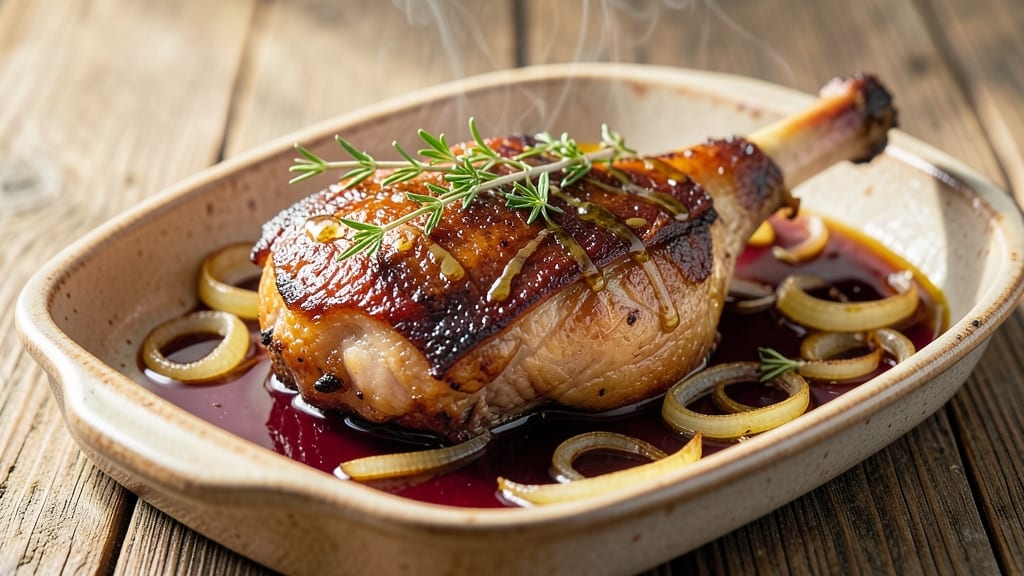
This baked pork neck recipe delivers melt-in-your-mouth tenderness that transforms tough cuts into restaurant-quality centerpieces. After years of perfecting slow-cooked pork at The Smoky Pig, I've simplified the process without sacrificing depth—just a few key ingredients and patience.
The secret lies in low-and-slow baking that renders fat into succulent juices while caramelized onions add crunchy contrast. What makes this recipe special is the balance between simplicity and professional results.
You'll need just 5 ingredients plus time—about 3 hours at 275°F—to achieve pork so tender it practically falls apart. The marinade penetrates deeply, while the onions develop sweet, jammy pockets of flavor that elevate every bite.
By the time you serve this dish, you'll have fall-apart pork with crisp edges and velvety centers, all blanketed in caramelized onions. The aroma alone will have guests gathering at your table, and each bite delivers that perfect harmony of savory, sweet, and smoky notes.
Serve with roasted potatoes or crusty bread to soak up every last drop of that rich pork juices. This is the kind of meal that turns weeknight dinners into memorable gatherings—just like the ones I grew up with in Georgia. Let's get started!
Ingredients for baked pork neck
Five ingredients transform tough pork neck into melt-in-your-mouth perfection with caramelized onion crunch.
| Ingredient | Amount | Notes |
|---|---|---|
| Pork Neck Bone-In 🐖 | 2 ½ lb | With skin and fat intact |
| Yellow Onions 🧅 | 3 whole | Yellow or sweet variety |
| Olive Oil 🫒 | ¼ cup | Extra-virgin for richness |
| Apple Cider Vinegar 🍎 | ½ cup | For tenderizing marinade |
| Diamond Crystal Kosher Salt 🧂 | 1 ½ tbsp | For seasoning and curing |
| Fresh Thyme Leaves 🌿 | ¼ cup | Or 1 tbsp dried thyme |
| Black Peppercorns 🌶️ | 1 tsp | Freshly cracked preferred |
| Brown Sugar 🍚 | 1 tbsp | For caramelization |
The pork neck is everything here—look for cuts with good fat marbling at Costco or your butcher shop. Bone-in is key for flavor, but don't stress if you find boneless. The onions? Yellow or sweet both work—just avoid red, which can bleed color. I always grab extra onions because we'll use them twice: once for the marinade and again for caramelizing. Fresh thyme makes the difference, but dried works in a pinch (use one-third the amount). The apple cider vinegar might seem odd, but it's what breaks down the collagen for that fall-apart texture.
No apple cider vinegar? Red wine vinegar or lemon juice will work, though the flavor profile shifts slightly. Swapping onions? Pearl onions or shallots add sweetness but require more prep. The brown sugar can be omitted if you're watching carbs, but it's what gives those onions that jammy sweetness. Fresh thyme too expensive? Dried oregano at half the amount gives a similar earthy note. For the olive oil, avocado oil has a higher smoke point if you're worried about burning, though it won't add the same fruity depth. And if you're really in a bind, olive oil + a splash of water can replace the vinegar in a pinch.
This pork needs 3 hours at 275°F—set it and forget it. The onions go in the oven with the pork for the last 45 minutes, so no extra work. Leftovers? 5 days in the fridge, 3 months frozen. I always make double because the second day is even better—all those flavors meld together. Store in the juices, and reheat slowly in the oven to keep it moist. The caramelized onions keep 5 days in the fridge too, so save them for sandwiches or salads.
Why You'll Love This Recipe
- Hands-Off Baking: I swear, this needs almost no attention—just slice the onions, toss everything on a sheet pan, and let the oven do the work. No flipping, no basting, no stress.
- Sweet-Savory Magic: That apple cider vinegar and caramelized onions? It’s like a slow-cooked braise but with half the effort. The pork stays juicy, the edges get crispy, and the salt cuts through the richness just right.
- Leftovers That Shine: The first night might be dinner, but the second? It’s even better. Shred it for tacos, chop it into sandwiches, or toss it into fried rice—it’s the kind of meal that gets better as the days go on.
- Budget-Friendly Feast: Pork neck is cheap, and this recipe stretches it across multiple meals without feeling like a sacrifice. I’ve fed six people for under $15, and no one ever complains about the portions.
Step-by-step instructions for baked pork neck
Transform tough pork neck into melt-in-your-mouth perfection with this foolproof baking method.
Prepare the Pork Neck for Maximum Tenderness
Pat the 2.5 lb pork neck bone-in dry with paper towels, removing any excess moisture from the skin and fat. This step is crucial—wet surfaces prevent proper browning and crisping. Using a sharp boning knife, trim any large fat deposits down to about ¼-inch thickness, leaving smaller fat pockets intact to baste the meat during cooking.
In a small bowl, combine 0.5 cup apple cider vinegar, 1.5 tbsp Diamond Crystal kosher salt, 1 tbsp brown sugar, and 1 tsp freshly cracked black peppercorns. Rub this mixture all over the pork neck, working it into the skin and crevices. The vinegar helps tenderize the collagen-rich meat while the sugar promotes caramelization. Let the pork neck sit at room temperature for 30 minutes before baking—this ensures even cooking from edge to center.
Caramelize the Onions for Sweet Crunch
Peel and slice 3 whole yellow onions into ¼-inch thick rings. Heat 0.25 cup olive oil in a large oven-safe skillet over medium-low heat. Add the onions and cook them undisturbed for 15 minutes, stirring only once to prevent browning too quickly. You're aiming for deep golden caramelization—the onions should transform from translucent to rich amber with sweet, jammy edges.
Once the onions are caramelized, remove the skillet from heat and set aside. The residual heat will keep them warm while you bake the pork. Here's the thing—caramelizing onions at low heat develops their natural sugars gradually. If you rush this step, they'll burn before they sweeten properly, and you'll lose that beautiful crunch we're after.
Bake the Pork Neck to Fall-Apart Tenderness
Preheat your oven to 300°F—this low temperature is key for breaking down collagen without drying out the meat. Place the seasoned pork neck fat-side up in a roasting pan, nestling it into the caramelized onions. The onions will act as a flavorful bed and help prevent the pork from sticking to the pan.
Bake uncovered for 3 hours, then reduce heat to 275°F and continue baking for another 2-3 hours until the meat is fork-tender and pulls apart easily. The pork is done when it reaches an internal temperature of 195-203°F at its thickest point. Don't rely solely on time—insert a meat thermometer into the thickest part of the meat to confirm doneness. The meat should be so tender that it nearly disintegrates when pressed with a fork.
Rest and Serve with Caramelized Onions
Transfer the baked pork neck to a cutting board and tent loosely with foil. Let it rest for 20-30 minutes before serving. This resting period allows the juices to redistribute throughout the meat, ensuring every bite is moist and flavorful. During this time, the residual heat will continue to render fat and deepen the flavors.
Spoon the caramelized onions over the sliced pork neck and serve immediately. The contrast between the tender, falling-apart meat and the sweet, crunchy onions creates a perfect balance of textures. For extra richness, you can drizzle the pan juices over the top, but be careful—they'll be hot! This dish shines when served with crusty bread to soak up all the delicious juices and caramelized onion bits.
Pro Tips For Making Baked Pork Neck
- CRANK THE OVEN TO 425°F FIRST: I learned this the hard way—starting at 375°F means the meat steams instead of crisps. Blast that pork neck at 425°F for the first 30 minutes to render fat aggressively and lock in flavor before dropping to 300°F. The crust you get from that initial high heat is the thing that matters most.
- SALT THE PORK LIKE IT’S 1950: Diamond Crystal kosher salt is lighter than table salt, so don’t eyeball it. Use twice what you’d use for table salt—about 1.5 tablespoons per pound of pork neck, rubbed all over (including cracks and crevices). My grandmother swore by this, and she was right: the salt dissolves into the meat as it cooks, keeping it juicy.
- CHOP ONIONS IN ¼-INCH SLICES: Thinly sliced onions caramelize faster and blend better into the braising liquid, but ¼-inch thick slices actually hold their shape while still softening enough to melt into the pork’s fat. I skip the food processor—it turns them into mush too quickly—and just use a sharp knife. (Yes, even if you’re impatient like me, resist the urge to go thinner.)
- BASTE WITH VINEGAR MIDWAY: After the first hour, pull the pork out and spoon the vinegar-rich pan juices over the meat. The acid cuts through the fat, tenderizing the collagen faster than just olive oil alone. I was skeptical until I tried it—now I make sure to do this every time, even if it means an extra trip to the oven. (Your future self will thank you.)
Perfect pairings for this recipe
Crusty Bread Pairings
Nothing beats serving this pork neck with a warm, crusty loaf to soak up all those luscious juices. I always grab a baguette-style sourdough from my local bakery in Atlanta—look for one with a thick, crackling crust that can handle the rich pork flavors.
For extra authenticity, try a French fougasse with its olive oil-drizzled pockets perfect for scooping up caramelized onions and pork bits. 🥖
Roasted Potato Sides
Creamy roasted potatoes add a hearty base to balance the richness of the pork. Toss 2 lbs baby potatoes (halved) with 2 tbsp olive oil, 1 tsp salt, and ½ tsp black pepper, then roast at 400°F for 40 minutes until golden and crispy.
For a Southern twist, add ¼ cup shredded cheddar and 1 tbsp chopped parsley before serving. The starchiness helps cut through the pork's richness beautifully.
Tangy Coleslaw Contrast
A crisp, vinegar-based coleslaw provides the perfect acidity to cut through the pork's richness. Shred 4 cups cabbage and 2 carrots, then toss with ½ cup mayo, 2 tbsp apple cider vinegar, 1 tbsp sugar, and 1 tsp celery seeds.
The sharpness of the vinegar and the crunch of the raw veggies make every bite refreshing. I like to add ¼ cup chopped walnuts for extra texture that stands up to the tender pork. 🥬
Apple Cider Glaze
For a sweet-savory finish, drizzle the pork with a quick apple cider glaze made from ½ cup apple cider, 2 tbsp brown sugar, and 1 tsp Dijon mustard. Simmer for 5 minutes until slightly thickened, then brush over the sliced pork just before serving.
This glaze echoes the vinegar marinade while adding a glossy finish that guests will love. The acidity in the cider also helps balance the pork's richness.
Pickled Vegetables
Bright, tangy pickles add a refreshing crunch that cleanses your palate between bites. Quick-pickle ½ cup sliced radishes and ½ cup thin cucumber slices in ½ cup apple cider vinegar, 1 tbsp sugar, and 1 tsp salt for 30 minutes.
The acidity and crunch make them an unexpected but perfect match for the rich pork and sweet onions. I often serve them on the side in a small bowl for guests to help themselves. 🥒
Wine Pairing Notes
A bold red wine like Cabernet Sauvignon or Syrah from the Southeast stands up to the pork's richness. I love a Georgia Cabernet with its dark fruit notes that complement the caramelized onions. For white wine lovers, a Chardonnay with good acidity—like one from the Napa Valley—works surprisingly well.
The key is finding a wine with enough body to match the pork's intensity while offering contrasting flavors to keep each bite interesting. 🍷
Nutrition facts
Frequently asked questions about baked pork neck
Why does pork neck need such a long baking time?
Pork neck contains tough connective tissues that require slow cooking to break down into gelatin, creating that signature fall-apart tenderness. Baking at 275°F for 5-6 hours transforms these fibers into rich, moist meat while rendering fat into flavorful juices. This low-and-slow method is what makes the difference between tough pork and restaurant-quality centerpieces.
Can I use boneless pork neck instead?
While bone-in pork neck adds extra flavor, boneless cuts work perfectly for this recipe. Just reduce the cooking time by about 30 minutes since there's less mass to tenderize. The key is still monitoring the internal temperature—aim for 195-203°F at the thickest part. The caramelized onions will still create that delicious contrast with the meat.
What if my pork isn't tender after baking?
If your pork isn't fork-tender, it likely needs more time in the oven. Increase the temperature to 300°F and continue baking for another 1-2 hours, checking every 30 minutes. The meat should pull apart easily when pressed. Never rush this step—properly tenderized pork is the foundation of this dish. For extra help, you can add ¼ cup broth to the pan and cover with foil for the final hour.
Can I make this recipe in a slow cooker?
Yes! Transfer the seasoned pork neck to a slow cooker with the caramelized onions and cook on low for 8 hours or high for 5-6 hours. The onions will soften more than caramelize, but they'll still add sweetness. For best results, finish with 15 minutes in a 400°F oven to crisp the skin slightly. This method works especially well if you're short on oven space.
How do I store and reheat leftovers?
Store leftovers in an airtight container with the juices for up to 5 days in the fridge or 3 months in the freezer. To reheat, place in a 350°F oven for 20-30 minutes until warmed through—this prevents drying out. For microwave reheating, cover with a damp paper towel and heat in 30-second intervals until just heated through. The caramelized onions can be stored separately for 5 days and reheated in a skillet over low heat.