
Sauces & Condiments
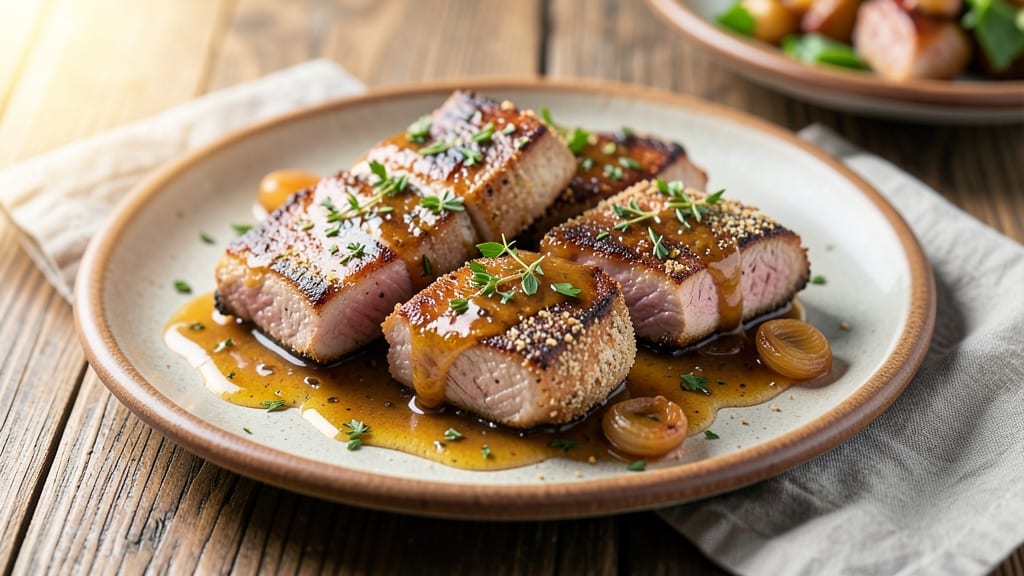
This baked pork chops in sauce recipe delivers juicy hearts and a savory crust without the fuss of stovetop searing. After years of perfecting pork at The Smoky Pig, I've developed a one-pan method that locks in moisture while building rich, caramelized flavors in the oven.
The secret? A simple but transformative sauce blend that turns ordinary chops into restaurant-worthy centerpieces.
What makes this recipe stand out is its foolproof technique—no flipping required, no risk of overcooking. You'll start with bone-in chops (they stay juicier) seared in a hot oven, then finish baking in a homemade pan sauce that thickens beautifully into a glossy, flavorful coating.
The sauce isn't just for show; it's the star that elevates simple pork into something special.
By the time these chops emerge from the oven, you'll have golden, crisp-edged cuts with tender, melt-in-your-mouth centers swimming in a rich, slightly sticky sauce.
The aroma alone will have everyone gathering at the table, and the first bite delivers that perfect balance of crust and juiciness that makes pork chops unforgettable.
This method works beautifully for weeknight dinners or holiday meals, scaling effortlessly from two chops to a full platter. The sauce keeps well too, so you can make it ahead and reheat with the chops. Let's get cooking—your taste buds will thank you.
Ingredients for baked pork chops in sauce
Bone-in pork chops, aromatic herbs, and a velvety wine-cream sauce—everything you need for restaurant-quality chops at home.
| Ingredient | Amount | Notes |
|---|---|---|
| Bone-In Pork Chops 🐖 | 4 whole | 1-inch thick, center-cut preferred |
| All-Purpose Flour 🌾 | ½ cup | For dredging, light coating |
| Diamond Crystal Kosher Salt 🧂 | 1 ½ tsp | For seasoning, plus extra |
| Freshly Ground Black Pepper 🌶️ | 1 tsp | Coarsely cracked for texture |
| Unsalted Butter 🧈 | 4 tbsp | Cold, cubed for searing |
| Shallots 🧅 | 2 whole | Minced, or substitute 2 tbsp onion |
| Garlic Cloves 🧄 | 4 cloves | Minced, for sauce depth |
| Dry White Wine 🍷 | ½ cup | Sauvignon Blanc preferred |
| Chicken Stock 💧 | 1 cup | Homemade or quality low-sodium |
| Heavy Cream 🥛 | ½ cup | Full-fat for richness |
| Fresh Thyme Leaves 🌿 | ¼ cup | Or 1 tsp dried thyme |
| Fresh Rosemary 🌿 | 1 sprig | For aroma, stems removed |
| Extra-Virgin Olive Oil 🫒 | 2 tbsp | For finishing sauce |
| Dijon Mustard 🧅 | 1 tsp | For sauce complexity |
The pork chops are the foundation, so bone-in, center-cut is non-negotiable—those bones keep the meat juicy while baking. Costco or your local butcher will have the best quality, often at a better price than the grocery store. Look for chops with good marbling and even thickness (about 1 inch). If you can't find bone-in, bone-in pork loin chops work too. For the herbs, fresh thyme and rosemary make all the difference—Trader Joe's sells pre-bundled herb sprigs that save time. The shallots? Fresh is best, but jarred minced shallots in a pinch (just rinse well to remove excess salt).
No white wine? Chicken stock with a splash of apple cider vinegar works beautifully—just add an extra pinch of salt. Running low on heavy cream? Full-fat coconut cream gives a similar richness, though the flavor won't be identical. The Dijon mustard is key for that subtle tang, but whole-grain mustard at half the amount works if you're out. For the butter, European-style unsalted butter (like Plugrá) melts more smoothly than American brands. And if you're prepping ahead, the chops can be seasoned and refrigerated overnight—just bring them to room temp before baking.
This sauce reheats like a dream—simmer it on the stovetop for 2-3 minutes until glossy again. Store leftovers in an airtight container for up to 4 days, or freeze the sauce separately for 3 months. The chops themselves? 2 days max in the fridge, but they're even better the next day once the flavors meld. I always double the sauce—it's perfect over roasted potatoes or polenta, and keeps for a week in the fridge.
Why You'll Love This Recipe
- One-Pan Magic: I swear by this recipe when I don’t want to dirty a million dishes. Just flour, salt, and pepper on the chops, a quick sear in butter, then bake—no skillet, no saucepan, no stress. The sauce thickens right in the pan while they cook, so you’re left with one sheet to scrub.
- Crispy-Creamy Payoff: That golden crust from the flour and butter? Chef’s kiss. But here’s what really sells me—the sauce clings to the bone-in chops like a hug, turning every bite into a mix of crunch and silky richness. My kids fight over the last piece (yes, even on a Tuesday night).
- Weeknight to Dinner Party: Serve these with mashed potatoes and roasted veggies for a no-fuss family meal, or drizzle them over polenta for a fancier vibe. Honestly, the same recipe works for both—just adjust the sides. I’ve even taken them to potlucks; they disappear faster than the deviled eggs.
- Budget-Friendly Leftovers: Bone-in pork chops stretch further than you’d think, and the sauce freezes like a dream. I’ll make a double batch, save half for lunches, and still have enough for dinner. Between us, this is how I feed my crew without breaking the bank—plus, the leftovers taste even better the next day.
Step-by-step instructions for baked pork chops in sauce
Here's how to create tender, juicy pork chops with a rich, velvety sauce—all in one pan.
Season and Dredge the Pork Chops
Pat the 4 whole bone-in pork chops dry with paper towels—this ensures a better crust. Place them on a plate and season both sides generously with 1.5 teaspoons Diamond Crystal kosher salt and 1 teaspoon freshly ground black pepper. I like to press the salt and pepper into the meat so it adheres well.
In a shallow dish, combine the 0.5 cup all-purpose flour with an extra pinch of salt. Lightly dredge each pork chop in the flour, shaking off any excess. The flour creates a golden crust that locks in juices during baking. Don't press too hard—just enough to coat evenly. Let the dredged chops sit at room temperature for 10 minutes while you prepare the pan.
Sear the Pork Chops in Butter
Place a large oven-safe skillet over medium heat and add 4 tablespoons cold cubed unsalted butter. Let the butter melt slowly and foam, then add the pork chops in a single layer. Cook for 3-4 minutes per side until they develop a golden-brown crust.
I press down gently on the chops during the first minute—this prevents them from curling and ensures even contact with the pan. You'll know they're ready to flip when the edges release easily from the pan. Remove the chops and set them aside on a plate, leaving the rendered butter in the skillet.
Build the Sauce Foundation
Add the 2 whole minced shallots and 4 minced garlic cloves to the skillet, stirring for 1 minute until fragrant. Pour in the 0.5 cup dry white wine and scrape up any browned bits from the bottom of the pan—this adds depth of flavor. Let the wine simmer for 2-3 minutes until reduced by half.
Stir in the 1 cup chicken stock, 0.25 cup fresh thyme leaves, and the 1 sprig rosemary (with stems removed). Bring to a gentle simmer and let it cook for 5 minutes to meld the flavors. The sauce should be rich and aromatic, with a beautiful golden hue.
Bake the Pork Chops to Juicy Perfection
Return the pork chops to the skillet, spooning the sauce over them to coat evenly. Transfer the skillet to a preheated 375°F oven and bake for 20-25 minutes, or until the internal temperature reaches 145°F and the juices run clear.
Here's the thing—don't overcook. The chops will continue cooking slightly as they rest, and you want them tender, not tough. If the sauce starts to reduce too much during baking, add a splash of water or stock to maintain the desired consistency.
Finish with Cream and Mustard
Remove the skillet from the oven and stir in the 0.5 cup heavy cream and 1 teaspoon Dijon mustard. Let the sauce simmer gently off the heat for 2-3 minutes until it thickens slightly and coats the back of a spoon. The cream adds a luxurious finish, while the mustard adds a subtle tang that balances the richness.
Taste and adjust the seasoning with additional salt or pepper if needed. Drizzle with the 2 tablespoons extra-virgin olive oil for a silky finish. Serve the pork chops immediately, spooning the rich sauce over each one. The result is a perfect balance of tender, juicy meat with a velvety sauce that clings beautifully.
Pro Tips For Making Baked Pork Chops In Sauce
- Pat the chops dry first: Bone-in pork chops hold onto moisture like it’s their job—wipe them down with paper towels before seasoning. I learned this the hard way after my first batch turned out soggy instead of crispy, especially when baking in sauce. The flour crust needs something to grab onto, and dry meat seals better.
- Salt the flour mix aggressively: Don’t just sprinkle salt on the pork chops—mix it generously into the flour coating (about 1 teaspoon per 2 tablespoons flour). After burning three batches with bland crusts, I realized the sauce absorbs flavor, and the flour’s salt gets baked into the meat. More salt upfront means richer taste later.
- Start hot, then slow: Bake the pork chops at 425°F (220°C) for the first 10 minutes to get that golden crust, then drop to 350°F (175°C) to finish. I was skeptical—why mess with heat?—but it guarantees even cooking without drying out the bone-in cuts. The sauce can simmer while the meat rests.
- Use cold butter for sauce: Whisk the sauce with cold, cubed butter at the end—don’t melt it first. Sounds weird, but it works: the butter emulsifies into the sauce without breaking, giving it a velvety finish. I skip this when I’m lazy, and the sauce turns out greasy instead of silky. Worth the extra 30 seconds.
Flavor customization for baked pork chops in sauce
Classic Wine Cream
This is the sauce you know and love, but with a few chef's tricks. I always use Sauvignon Blanc for its bright acidity—it cuts through the richness of the pork beautifully. For extra depth, add 1 teaspoon of honey when you stir in the cream.
The honey balances the acidity and adds a subtle sweetness that makes the sauce even more complex. 🍷
If you want to make it ahead, prepare the sauce up to the wine reduction step, then refrigerate it. When ready to use, just reheat the sauce with the chops in the oven. The flavors meld even better overnight, so this is perfect for holiday meals or dinner parties.
Herb-Infused Mustard Sauce
Swap the wine for ½ cup apple cider vinegar and boost the herbs with 1 tablespoon chopped fresh tarragon and 1 teaspoon whole-grain mustard seeds. This variation adds a tangy, slightly sweet profile that pairs wonderfully with pork.
I like to finish it with a drizzle of balsamic glaze for extra richness.
This sauce works especially well with thicker pork chops—it stands up to the heartier cut while keeping the meat juicy. The mustard seeds add a subtle crunch, and the tarragon brings a unique anise-like flavor that elevates the dish. 🌿
Smoky Chipotle Cream
For a bold, smoky twist, stir in 1 teaspoon adobo sauce from a can of chipotle peppers when you add the cream. The smokiness pairs perfectly with pork and adds a deep, earthy flavor.
I also add ½ teaspoon smoked paprika to the flour dredge for extra depth. This sauce is a crowd-pleaser, especially if you serve it with roasted sweet potatoes or cornbread. 🔥
If you love heat, add a pinch of cayenne pepper to the sauce, but be careful—it can quickly become too spicy. The chipotle adds smokiness without overwhelming heat, making it a great option for families or guests who enjoy a little kick.
Creamy Mushroom Sauce
Sauté 8 oz sliced cremini mushrooms with the shallots and garlic to build a rich, umami-packed base. Use ½ cup beef stock instead of chicken stock, and finish with 2 tablespoons crème fraîche for a tangy, velvety texture. This sauce feels luxurious and pairs beautifully with bone-in chops. 🍄
For extra flavor, add 1 teaspoon Worcestershire sauce when you stir in the stock. The mushrooms add a meaty depth that makes the sauce even more satisfying. This variation is perfect for a cozy dinner, especially in colder months.
Citrusy White Wine Sauce
Brighten up the classic sauce with zest from 1 lemon and 1 orange, plus 2 tablespoons fresh orange juice. Add the zest when you sauté the shallots and garlic, and the juice when you stir in the wine.
This sauce is light yet flavorful, with a refreshing citrus note that cuts through the richness of the pork. 🍊
I often serve this sauce with grilled asparagus or a simple arugula salad. The citrus flavors make it feel fresh and vibrant, perfect for spring or summer dinners. The sauce also reheats beautifully, so it's great for meal prep.
Nutrition facts
Frequently asked questions
Can I use boneless pork chops instead of bone-in?
Yes, but you'll need to adjust the cooking time. Boneless chops cook faster—reduce baking time by 5-7 minutes and check for doneness at 140°F internal temp. The sauce recipe stays the same, but boneless chops may dry out more quickly, so keep an eye on them. For extra juiciness, add 1 tablespoon butter to the pan when returning the chops to bake.
How do I prevent the pork chops from drying out?
Start with bone-in chops (they stay moister) and pat them completely dry before seasoning. Don't overcook—remove them when the internal temp hits 145°F (they'll rise 5°F while resting). The sauce helps too—spoon it generously over the chops before baking to create a steam barrier. For extra insurance, tent loosely with foil for the last 5 minutes of baking.
Can I make the sauce ahead of time?
Prepare the sauce up to the cream stage, then refrigerate it in an airtight container for up to 3 days. Reheat gently on the stove with the chops in the oven. For longer storage, freeze the sauce (without cream) for 3 months. When ready to use, thaw and add the cream fresh for the best texture. The flavors actually improve overnight!
What's the best way to serve these pork chops?
These chops shine with classic sides like creamy mashed potatoes, buttery egg noodles, or roasted seasonal vegetables. For a Southern twist, serve with cornbread and a simple green salad. The sauce pairs beautifully with steamed asparagus or sautéed mushrooms. Pro tip: Save extra sauce to drizzle over leftovers—they reheat perfectly with a splash of water or stock.
Why did my sauce turn out too thin?
Sauce thinning usually happens from one of three issues: not reducing the wine enough, using too much liquid, or adding cream too early. For future batches, reduce the wine until syrupy before adding stock, and let the sauce simmer uncovered for 3-5 minutes after adding cream. If needed, mix 1 teaspoon cornstarch with 1 tablespoon cold water and stir in at the end to thicken.