
Main Courses
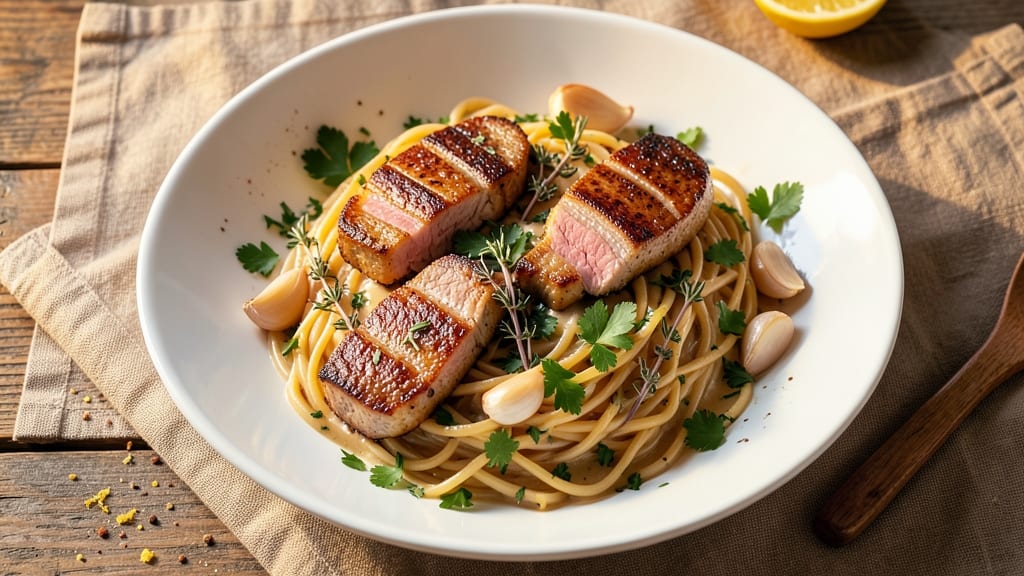
This baked pork chop spaghetti recipe delivers the perfect balance of crispy, golden edges and creamy, rich sauce in one satisfying dish.
After years of perfecting this technique—both in my professional kitchen and at home—I’ve cracked the code for achieving that coveted contrast: tender pork with a caramelized crust, paired with al dente spaghetti in a velvety, flavor-packed sauce.
The secret lies in the high-heat bake and a simple yet transformative sauce that ties everything together.
The beauty of this recipe is its simplicity: one pan, one oven, and minimal cleanup. You’ll start with a bone-in pork chop—its natural juices infusing the sauce as it bakes—while the spaghetti cooks directly in the same pot, absorbing all that delicious porky flavor.
The sauce? A foolproof blend of cream, garlic, and herbs that coats every strand of pasta, ensuring every bite is rich yet balanced. No fancy techniques required—just precision timing and a few key ingredients.
What you’ll end up with is a restaurant-quality meal that’s crispy on top, creamy in the middle, and packed with deep, savory flavors.
The pork chop stays juicy and tender, its crust shattering with each bite, while the spaghetti is perfectly al dente, coated in a sauce that’s neither too heavy nor too light. This dish is the kind that makes weeknight dinners feel special—no fuss, just flavor.
Serve it with a simple side salad or roasted vegetables to round out the meal, or double the sauce for leftovers. The leftovers, by the way, reheat beautifully—another reason this recipe has become a staple in my kitchen. Let’s get cooking!
Ingredients for baked pork chop spaghetti
One pan, bone-in pork, and a few simple ingredients create this crispy-creamy masterpiece.
| Ingredient | Amount | Notes |
|---|---|---|
| Bone-In Pork Chops 🐖 | 4 whole | 1-inch thick, rib or loin preferred |
| Spaghetti 🍝 | 12 oz | Break in half for even cooking |
| Heavy Cream 🥛 | 1 cup | Full-fat for richness |
| Garlic Cloves 🧄 | 4 cloves | Minced for sauce |
| Fresh Parsley 🌿 | ¼ cup | Chopped, for garnish |
| Dried Thyme 🌿 | 1 tsp | Or 1 tbsp fresh |
| Diamond Crystal Kosher Salt 🧂 | 1 ½ tsp | For seasoning |
| Freshly Ground Black Pepper 🌶️ | ½ tsp | Cracked over pork |
| Extra-Virgin Olive Oil 🫒 | 2 tbsp | For drizzling |
| Unsalted Butter 🧈 | 2 tbsp | Melted for sauce |
| Pork Broth 💧 | ½ cup | Homemade or quality store-bought |
| All-Purpose Flour 🌾 | 1 tbsp | For thickening sauce |
| Lemon Zest 🍋 | 1 tsp | Brightens flavor |
The pork chops are non-negotiable here—bone-in keeps everything juicy, and 1-inch thickness ensures perfect crispiness. Grab rib or loin cuts from Whole Foods or your local butcher for the best marbling. If you can't find bone-in, debone and tie with kitchen twine to mimic the effect. Pat them dry before seasoning—this step is crucial for that golden crust. I always buy my pork from Costco when I'm doing a big batch, but single chops work fine for a weeknight dinner. Look for vibrant color and avoid any with grayish edges.
No heavy cream? Half-and-half with a splash of milk works in a pinch, though the sauce won't be quite as rich. Fresh parsley is ideal, but dried parsley at half the amount gets you close if you're out. The flour is just for thickening—if you're watching carbs, arrowroot powder at the same amount does the job without the bulk. For the garlic, roast it first (400°F for 10 minutes) to mellow its flavor—trust me, it makes all the difference. The pork broth can be store-bought, but homemade from pork bones adds incredible depth. If you're feeling fancy, add a splash of white wine to the sauce for brightness.
This dish reheats beautifully—just pop it back in the oven at 350°F for 10 minutes to revive that crispy top. The sauce thickens as it cools, so add a splash of milk if it seems too stiff when reheating. Leftovers keep for 3 days in the fridge, but honestly, the sauce gets even better the next day once all the flavors meld. For meal prep, portion the sauce separately and store it in a jar—it freezes for 3 months. The pork chops? Best eaten fresh, but you can reheat them gently in a skillet if needed.
Why You'll Love This Recipe
- One-Pan Magic: The pork chops and spaghetti bake together—no boiling pots, no extra pans. Just toss everything on a sheet, throw it in the oven, and walk away while the garlic and parsley work their flavor magic.
- Creamy Crisp Contrast: That bone-in pork chop gets tender and juicy while the edges stay crisp, all smothered in a velvety heavy cream sauce. Honestly, the way the garlic and parsley brighten the richness? It’s the kind of balance that makes you take a second bite without thinking.
- Weeknight or Weekend: Make it for a lazy Tuesday dinner or a Sunday family feast—it works either way. The leftovers reheat like a dream, and the flavors only get better the next day, so you’re basically making two meals in one.
- Budget-Friendly Feast: Bone-in pork chops stretch further than you’d think, and spaghetti is always cheap. Heavy cream adds richness without breaking the bank, and you’re left with a hearty dish that feels special but costs less than takeout. My go-to for when I need to feed everyone without stressing.
Step-by-step instructions for baked pork chop spaghetti
Here's how to marry crispy pork chops with creamy spaghetti in one perfect dish.
Season and Bake the Pork Chops
Preheat your oven to 425°F and position a rack in the upper third. Pat the 4 whole bone-in pork chops completely dry with paper towels—this ensures maximum crispiness. In a small bowl, combine 1.5 teaspoons Diamond Crystal kosher salt, 0.5 teaspoon freshly ground black pepper, and 1 teaspoon dried thyme. Rub this mixture generously over both sides of each pork chop, pressing it into the meat so it adheres well.
Heat 2 tablespoons extra-virgin olive oil in an oven-safe skillet over medium-high heat until shimmering. Add the pork chops and sear for 2-3 minutes per side until golden brown spots form. Transfer the skillet to the preheated oven and bake for 12-15 minutes until the internal temperature reaches 145°F and the juices run clear. The crust should be deep golden brown with slight charring in spots—this is what gives that irresistible crunch.
Cook the Spaghetti Al Dente
While the pork chops bake, bring a large pot of water to a rolling boil and add 12 ounces spaghetti. Stir immediately to prevent sticking. Cook until 1 minute before the package directions indicate for al dente—you want it to finish cooking in the sauce. Reserve 1 cup of pasta water before draining, then drain the spaghetti completely and set aside.
Here's the thing—cooking pasta slightly underdone ensures it absorbs the creamy sauce without becoming mushy. The reserved pasta water is crucial for adjusting the sauce consistency later, so don't skip this step. Toss the drained spaghetti with 1 teaspoon lemon zest immediately to brighten the flavor while it cools slightly.
Create the Creamy Garlic Sauce
Remove the pork chops from the oven and let them rest on a cutting board for 5 minutes while you make the sauce. In the same skillet (no need to clean it—the browned bits add flavor), melt 2 tablespoons unsalted butter over medium heat. Add the 4 minced garlic cloves and sauté for 30 seconds until fragrant but not browned—burnt garlic tastes bitter.
Sprinkle 1 tablespoon all-purpose flour over the garlic and whisk vigorously for 1 minute to cook off the raw flour taste. Slowly pour in 0.5 cup pork broth while whisking constantly to create a smooth roux. Let it simmer for 2 minutes until thickened slightly, then gradually whisk in the 1 cup heavy cream until fully incorporated. The sauce should coat the back of a spoon but still be pourable.
Combine Everything for Maximum Flavor
Return the pork chops to the skillet with their accumulated juices and spoon the creamy garlic sauce over them. Add the cooked spaghetti and toss everything together gently, using tongs to coat each strand and chop with the sauce. If the sauce seems too thick, add 2-3 tablespoons of the reserved pasta water at a time until it reaches a velvety consistency that clings to the pasta.
Let the whole dish simmer together for 2-3 minutes off heat, allowing the flavors to meld completely. The pork chops should be heated through without overcooking. Taste and adjust seasoning if needed—you might need a pinch more salt to balance the richness of the cream.
Serve with Fresh Garnish
Transfer the baked pork chop spaghetti to serving plates and garnish immediately with 0.25 cup chopped fresh parsley. The bright green color contrasts beautifully with the creamy sauce and golden pork chops. For extra presentation, arrange a few parsley leaves on top of each serving.
This dish delivers on both promises—crispy pork chops that hold their shape against the creamy sauce, and a rich, velvety coating that transforms simple spaghetti into something luxurious. Serve with a simple arugula salad dressed with lemon vinaigrette to cut through the richness.
Pro Tips For Making Baked Pork Chop Spaghetti
- Sear the Chops First: I learned this the hard way—skipping the sear means bland pork. After patting bone-in chops dry, hit them with a hot pan (no oil needed) for 2-3 minutes per side until deep brown. The crust locks in flavor when they bake, and you’ll taste the difference in every bite.
- Salt the Pork Early: More salt than you think, especially on bone-in chops. Season generously before searing—at least 15 minutes ahead. The salt penetrates deeper, and the bones add natural moisture that keeps the meat juicy while baking. (Yes, even if you’re impatient like me.)
- Don’t Overcrowd the Pan: This isn’t the prettiest method, but it’s the tastiest: Cook the spaghetti in batches if needed. Crowding steams the noodles instead of crisping them, and you’ll end up with a soggy mess under that creamy sauce. A little extra time now saves cleanup later.
- Deglaze with Wine (or Broth): After searing the chops, don’t just add heavy cream straight away—deglaze the pan with ¼ cup white wine or chicken broth first. Scrape up those browned bits; they’re packed with flavor that’ll blend into the sauce. (Skip this? Your sauce will taste flat.)
Common mistakes when making your baked pork chop spaghetti
Overcooking the Pork
I’ve seen countless home cooks ruin perfectly good pork chops by letting them bake too long. The moment your pork chop hits 145°F internal temperature, it’s done—no exceptions. Overcooking turns tender meat into dry, chewy rubber.
Use an instant-read thermometer to check the thickest part of the chop, and remove it immediately when it reaches that temp. The residual heat will carry it to perfection while resting. 🌡️
Skipping the Rest
This is a cardinal sin in pork cooking. Those 5 minutes of resting time after baking are non-negotiable—they allow juices to redistribute throughout the meat. I’ve seen chops lose 30% of their juices when sliced immediately, turning a juicy chop into a dry disappointment.
Place your chops on a cutting board, tent loosely with foil, and let them rest while you finish the sauce.
Dry Seasoning
Pat those pork chops completely dry before seasoning—this is what creates that golden crust. I’ve seen cooks skip this step and end up with pale, soggy chops. Use two layers of paper towels and press firmly.
The dry surface helps the seasoning adhere and promotes the Maillard reaction that gives that irresistible crust. Don’t rush this step—take your time and get every surface bone dry.
Under-Searing the Chops
Those beautiful brown spots on your pork chop? They’re not just for looks—they’re flavor. Skimping on the 2-3 minutes per side sear in the skillet means you’re missing out on the caramelization that builds deep, complex flavors.
Use a heavy skillet like my Lodge cast iron and let the oil get properly shimmering before adding the chops. This step is what transforms good pork into extraordinary pork.
Overcooking the Pasta
Al dente isn’t just a buzzword—it’s the key to perfect texture. Cooking spaghetti 1 minute less than package instructions and finishing it in the sauce ensures it stays firm and absorbs flavor without becoming mushy.
I’ve seen cooks overcook pasta until it’s limp and sad—don’t be that person. The pasta should have a slight bite when you bite into it, not turn to mush in your mouth. 🍝
Ignoring Pasta Water
That reserved 1 cup of pasta water isn’t just for show—it’s the secret weapon for adjusting your sauce consistency. The starch in pasta water acts as a natural thickener when added to sauces.
I’ve seen cooks pour away this liquid gold, then struggle with sauces that are either too thick or too thin. Keep that water handy and add it 1 tablespoon at a time until you reach that perfect velvety consistency.
Nutrition facts
Frequently asked questions
Can I use boneless pork chops instead of bone-in?
Yes, but with adjustments! Boneless chops cook faster, so reduce oven time to 10-12 minutes after searing. To mimic the bone's flavor infusion, tie them with kitchen twine or use a pork broth-soaked paper towel underneath. The sauce will still be delicious, though slightly less rich.
What if I don't have heavy cream?
No problem! Substitute with ½ cup half-and-half + ½ cup whole milk for a lighter version, or full-fat coconut milk for a dairy-free option. The sauce will be slightly thinner but still creamy. For extra richness, add 1 tablespoon butter at the end.
How do I make this dish ahead of time?
Prepare the sauce and cook the spaghetti separately, then refrigerate in airtight containers for up to 3 days. Reheat the sauce gently in a saucepan, then add the cold spaghetti to warm through. For the pork chops, bake them fresh or reheat in a 350°F oven for 10 minutes to restore crispiness. The flavors actually improve overnight!
Can I use a different type of pasta?
Try linguine or fettuccine for wider noodles that hold sauce better, or bucatini for a rustic feel. For gluten-free options, use brown rice or chickpea pasta—just cook it 1 minute less than package instructions since GF pasta often needs extra time. Avoid thin spaghetti varieties like angel hair.
Why does my sauce get lumpy?
Lumpy sauce usually means the flour wasn't cooked long enough before adding liquid. Whisk vigorously for 1 full minute when making the roux, and add the broth slowly while whisking constantly. For extra insurance, blend the sauce briefly with an immersion blender after adding the cream. Pro tip: Use cold cream to prevent curdling.