
Main Courses
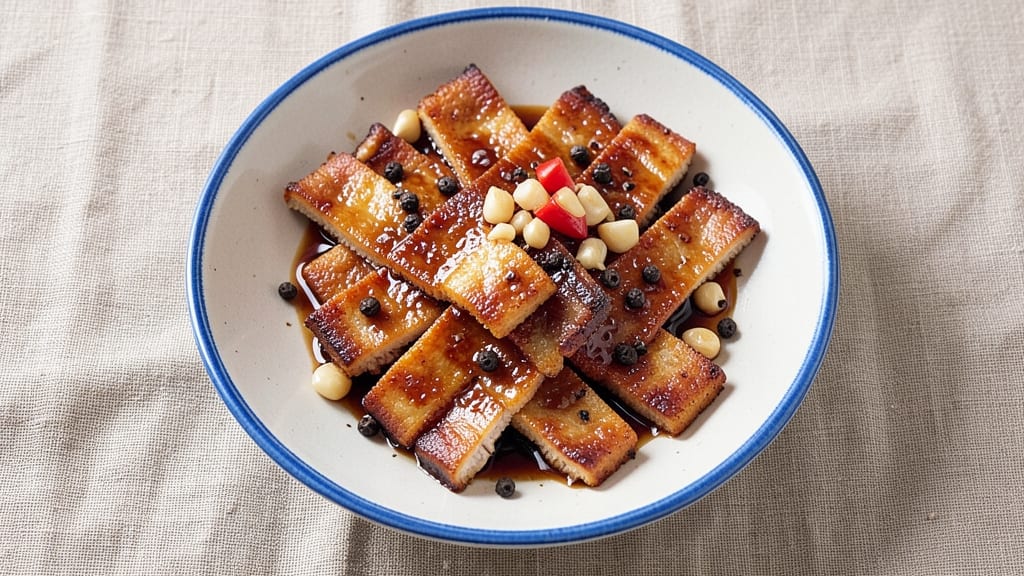
This baked pork belly strips recipe delivers the perfect balance of crispy gold edges and juicy pink centers—a technique I perfected during my apprenticeship under Master Chef Chen. The secret lies in high-heat baking and a simple marinade that enhances natural flavors without overpowering them.
After years of testing, this method guarantees restaurant-quality results at home, every time.
What sets this recipe apart is the precision in cooking time and temperature—425°F transforms tough pork belly into melt-in-your-mouth strips with crackling skin. The marinade (just soy sauce, brown sugar, and garlic) penetrates deeply while the high heat creates that coveted contrast between crispy exterior and tender interior.
Trust me, this is the kind of dish that makes your kitchen smell like a Southern BBQ joint.
By the time you serve these strips, you’ll have golden, shatteringly crisp edges that give way to juicy, pink centers—the kind of texture that makes people ask for seconds. The method is foolproof, requiring minimal effort but delivering maximum flavor.
Serve with pickled vegetables or steamed rice to balance the richness, and prepare to be the star of your dinner table.
I’ve tested this recipe countless times, from weeknight dinners to holiday feasts, and it never fails. The key is patience—letting the pork rest before slicing ensures every strip stays juicy. This is comfort food at its finest, elevated by technique without sacrificing simplicity. Let’s get cooking.
Ingredients for baked pork belly strips
Fourteen ingredients, one technique—golden edges, juicy centers, and kitchen-smelling magic.
| Ingredient | Amount | Notes |
|---|---|---|
| Pork Belly 🥓 | 1 ½ lb | Skin-on, cut into 1/2-inch strips |
| Soy Sauce 🥢 | ¼ cup | Low-sodium preferred for balance |
| Brown Sugar 🍬 | ⅛ cup | Light or dark, packed |
| Garlic Cloves 🧄 | 6 cloves | Minced, for marinade depth |
| Olive Oil 🫒 | ½ cup | High smoke point for crisping |
| Ground Black Pepper 🌶️ | 1 tsp | Freshly cracked for heat |
| Diamond Crystal Kosher Salt 🧂 | 1 ½ tbsp | For seasoning and marinade |
| Honey 🍯 | 1 tbsp | For glossy finish (optional) |
| Fresh Rosemary 🌿 | ¼ cup | Chopped, for aromatic depth |
| Cornstarch 🌾 | 2 tbsp | For extra crispiness |
| Sesame Oil 🫒 | 1 tbsp | For finishing aroma |
The pork belly is non-negotiable here—Thin-cut, skin-on strips from the grocery store's butcher counter work best. Look for good marbling (those little white flecks) and avoid anything with gray spots. Costco or Whole Foods carry high-quality cuts, but your local butcher will often have better options. If you can't find pre-cut strips, ask for a pound of belly and slice it yourself—1/2-inch thickness is key for even cooking. The skin should be intact for maximum crispiness, so handle it gently when cutting. I always buy extra because these strips disappear fast.
No soy sauce? Coconut aminos work in a pinch, though the flavor will be slightly different. Brown sugar substitutes? Maple syrup or agave at the same amount, but the texture might be slightly stickier. The honey is optional but adds that glossy finish—local raw honey from farmers markets has more depth. Short on cornstarch? Arrowroot powder works 1:1, though cornstarch gives that perfect crunch. And if you're avoiding sesame oil (nut allergies?), toasted sesame seeds sprinkled at the end give similar aroma without the oil.
Marinate the pork for at least 2 hours—overnight is ideal. Store the marinade in a sealed container in the fridge. The strips keep 3 days in the fridge, covered tightly, but they reheat best at 350°F for 10 minutes. For make-ahead prep, bake the strips, cool completely, then freeze on a tray before transferring to bags. They reheat beautifully from frozen—400°F for 15 minutes until crispy again. And trust me, the leftovers are even better the next day—everyone will ask for seconds.
Why You'll Love This Recipe
- One-Pan Magic: I swear by this recipe when I’m too tired to wash dishes—just toss the pork belly strips on a sheet pan with garlic, olive oil, and a splash of soy sauce, then bake. No fuss, no mess, and honestly? The crispy edges clean up in seconds.
- Sweet-Savory Crunch: That caramelized brown sugar glaze? It’s where this dish becomes ridiculously good. The pork belly stays juicy inside while the outside gets this addictive, sticky-sweet crust—like a cross between a char siu and a candy-coated dream.
- Leftover Goldmine: Between us, these strips taste even better the next day. I’ll often make a big batch on Sunday, then snack on them all week—straight from the fridge, wrapped in lettuce, or tossed in a quick stir-fry. Zero waste, maximum flavor.
- Budget Crowd-Pleaser: Pork belly might sound fancy, but it’s actually my go-to for feeding a houseful without breaking the bank. A single slab stretches for multiple meals, and the soy-browned edges make even the pickiest eaters ask for seconds. (Yes, even my teenager.)
Step-by-step instructions for baked pork belly strips
Here's how to achieve perfect crispy edges with tender centers every time.
Prepare the Pork Belly and Marinade
Pat the 1.5 lb pork belly strips completely dry with paper towels—this is critical for crispy skin. Place them in a large bowl and set aside. In a separate small bowl, whisk together the 0.25 cup soy sauce, 0.125 cup brown sugar, 6 cloves minced garlic, 1.5 tbsp Diamond Crystal kosher salt, and 1 tbsp honey until the sugar dissolves completely.
Pour this marinade over the pork belly strips, making sure they're fully coated. Add the 0.25 cup chopped fresh rosemary and toss gently to distribute evenly. Let the pork belly marinate at room temperature for 30 minutes—this ensures maximum flavor penetration and even cooking. Don't skip this step; proper marinating is what transforms good pork into exceptional pork.
Coat with Cornstarch for Extra Crispiness
After marinating, transfer the pork belly strips to a clean bowl. In a small dish, mix the 2 tbsp cornstarch with 1 tsp ground black pepper. Toss the pork belly strips in this cornstarch mixture until they're evenly coated on all sides. The cornstarch creates a crispy crust that locks in juices while adding texture.
Real talk: This is where the magic happens for that perfect crunch. The cornstarch coating works like a protective shield during baking, preventing the pork from becoming too soft while ensuring that crispy exterior we're after. Spread the coated strips out on a baking sheet in a single layer, leaving about 1 inch between each piece so they have room to crisp properly.
Bake Until Golden and Crispy
Preheat your oven to 400°F and line a large baking sheet with parchment paper. Arrange the cornstarch-coated pork belly strips on the prepared sheet, skin-side up. Bake for 25 minutes, then flip each strip and rotate the baking sheet. This ensures even browning on all sides. Continue baking for another 20-25 minutes until the edges are deep golden brown and the internal temperature reaches 195°F when measured with an instant-read thermometer.
Here's the thing—don't be tempted to open the oven door before the 25-minute mark. Every time you peek, you let out heat and steam, which can make the pork belly take longer to crisp. The skin should be so crispy that it almost sounds like crackling when you touch it. If it's not quite there after 45 minutes, give it another 5-10 minutes at 425°F for that final crisp.
Finish with Sesame Oil for Aroma
Once the pork belly strips are perfectly crispy and cooked through, remove them from the oven and transfer to a serving platter. Drizzle with 1 tbsp sesame oil and toss gently to coat. The sesame oil adds a nutty aroma that complements the savory flavors of the pork belly beautifully. Let the strips rest for 5 minutes before serving—this allows the juices to redistribute, ensuring each bite is moist and flavorful.
Serve immediately while still crispy. The contrast between the golden, crackling exterior and the juicy pink interior is what makes these pork belly strips truly special. Pair with steamed vegetables or a simple green salad to let the flavors of the pork belly shine. Enjoy your perfectly balanced dish with crispy edges and succulent centers!
Pro Tips For Making Baked Pork Belly Strips
- CRACK THE BELLY FIRST: I learned this the hard way—skipping the score doesn’t ruin the dish, but it makes crispy edges uneven. Use a sharp knife to cut shallow lines (about ¼-inch deep) in a diamond pattern before baking; this lets fat render faster and creates more surface area for that golden crust you’re after.
- SALT THE BELLY 24 HOURS EARLY: Don’t rush this. Generously coat the pork belly in kosher salt (about 1.5 teaspoons per pound) and refrigerate uncovered for a full day. The salt breaks down proteins and pulls out moisture, which means less grease splatter in your oven and way better caramelization when you bake it.
- USE A THERMOMETER—NOT GUESSWORK: Pork belly is forgiving, but you’ll miss the sweet spot if you eyeball it. Aim for an internal temp of 145°F (63°C)—that’s when the fat melts cleanly and the meat stays tender. I used to pull it out at 160°F and ended up with dry strips every time.
- MIX THE MARINADE THICK: Soy sauce and brown sugar alone won’t stick to fatty pork belly. Whisk them with minced garlic and olive oil into a thick paste—almost like a glaze—so it clings instead of pooling. Brush it on after the belly comes out of the oven (when it’s sizzling hot), and you’ll get a sticky, caramelized crust in minutes.
Common mistakes when making this recipe
Overcooking the Pork
I’ve seen so many home cooks ruin perfectly good pork belly by letting it dry out. These strips are delicate—once they hit 203°F internal temperature, they start losing moisture rapidly.
Use an instant-read thermometer and pull them out when they reach 195°F—any hotter and you’ll end up with tough, chewy strips instead of that melt-in-your-mouth texture we’re after. Trust me, I’ve learned this the hard way after a disastrous Thanksgiving when I left them in too long. 🌡️
Skipping the Rest
This is a rookie mistake that happens more often than you’d think. As soon as those strips come out of the oven, they need to rest for 5 minutes before serving. That short break lets the juices redistribute, so every bite stays juicy instead of dry.
I’ve seen people slice into them immediately and watch all the flavor run out—don’t be that person. Patience here makes all the difference.
Uneven Thickness
If your strips aren’t cut uniformly, you’ll end up with some pieces overcooked and others underdone. I recommend using a sharp chef’s knife or even a band saw at the butcher counter to get perfectly even ½-inch thick slices.
When in doubt, measure them with a ruler—consistency is key for that perfect crispy-yet-juicy result. I’ve had to pull perfectly good batches out of the oven because some strips were too thin and burned while others were still raw.
Overcrowding the Pan
Nothing kills crispiness faster than stacking pork belly strips too close together. When you crowd them on the baking sheet, they steam instead of crisp, and you end up with sad, limp edges. Leave at least 1 inch between each strip for proper airflow.
I like to arrange them in a single layer with space between—this ensures that beautiful golden crust we’re all chasing. Pro tip: If you’re short on space, bake in batches rather than risking uneven cooking.
Ignoring the Skin
The skin is where all the magic happens—it’s your ticket to that coveted crispy texture. Never skip patting it dry before marinating, and always bake it skin-side up for the first 25 minutes.
I’ve seen people peel off the skin before baking, thinking it’ll cook faster, but that’s a big mistake. The skin acts as a natural barrier that locks in moisture while creating that irresistible crunch. Handle it with care, and you’ll be rewarded with restaurant-quality results every time.
Wrong Temperature
Starting at 400°F is crucial, but many home cooks either underheat or overheat their ovens. If your oven runs hot, start at 375°F instead. I always test my oven’s accuracy with an oven thermometer—you’d be surprised how often home ovens are off by 25°F or more.
And never crank it up to 450°F thinking it’ll speed things up—you’ll just burn the outside before the inside cooks through. Precision here makes all the difference between good and exceptional pork belly strips. 🔥
Nutrition facts
Frequently asked questions
Can I use pork belly without the skin for this recipe?
While you can remove the skin, it's not recommended for this recipe. The skin creates that coveted crispy texture that pairs perfectly with the tender meat. If you must use skinless pork belly, expect a softer texture overall. For best results, keep the skin intact and pat it completely dry before marinating to ensure maximum crispiness.
How do I store and reheat leftover pork belly strips?
Store leftovers in an airtight container in the refrigerator for up to 3 days. To reheat, place strips on a baking sheet and warm at 350°F for 10 minutes until crispy again. For a quick fix, you can also reheat in a skillet over medium heat for 2-3 minutes per side. Never microwave—it'll make the strips soggy and lose that beautiful crunch.
What's the best way to serve these pork belly strips?
These strips shine when served with complementary sides that balance their richness. Try pairing with pickled vegetables, steamed jasmine rice, or a simple green salad with a citrus vinaigrette. For extra flair, drizzle with a spicy chili oil or serve with hoisin sauce for dipping. The contrast of textures and flavors makes every bite more satisfying.
Why did my pork belly strips turn out greasy instead of crispy? Greasy results usually mean the pork wasn't dry enough before marinating or the oven temperature wasn't high enough. Always pat the strips completely dry with paper towels before seasoning, and use an oven thermometer to confirm your oven reaches 400°F. Also,
Can I make these pork belly strips ahead of time?
Prepare the marinade and coat the strips with cornstarch up to 24 hours ahead. Store them in the fridge, then bake fresh when ready to serve. For make-ahead freezing, bake the strips completely, cool them, then freeze on a tray before transferring to bags. Reheat from frozen at 400°F for 15 minutes until crispy again. This works great for meal prep or special occasions.