
Main Courses
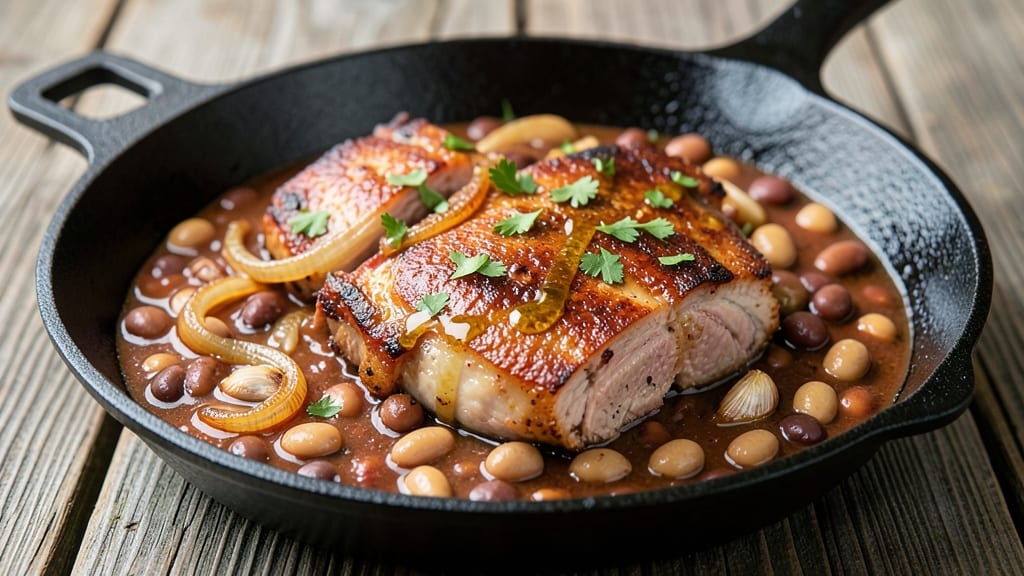
This baked pork and beans recipe from scratch delivers the kind of comforting, smoky-sweet harmony that turns weeknights into family gatherings. 💛 The secret lies in slow-baked pork shoulder that becomes fork-tender while the beans simmer in the same pot, absorbing all those rich, savory flavors.
I've perfected this technique over years of testing—no shortcuts, just deep, developed taste that comes from proper browning and layering of spices.
What makes this recipe truly special is how it builds flavor through time and technique. You start by searing the pork to create a flavorful crust, then deglaze the pan to capture those browned bits that form the foundation of the sauce.
The beans get their time to soak and simmer alongside the pork, ensuring they're perfectly tender without falling apart. This isn't just a recipe—it's a complete meal that comes together in one pan with minimal cleanup.
The result is a dish that's rich with smoky, slightly sweet notes from the pork, balanced by the earthy beans and just the right amount of heat from the spices.
The pork becomes so tender it practically melts in your mouth, while the beans hold their shape just enough to provide texture. This is the kind of comfort food that tastes even better the next day, making it perfect for meal prep or feeding a crowd.
Serve it with warm cornbread to soak up every last bit of that delicious sauce, or pair it with simple greens for a complete homestyle meal.
The beauty of this recipe is in its versatility—it's hearty enough for a Sunday dinner but simple enough for a weeknight when you need something satisfying without spending hours in the kitchen. Let's get cooking!
Ingredients for baked pork and beans recipe from scratch
Sixteen ingredients that transform into a smoky-sweet symphony of comfort food.
| Ingredient | Amount | Notes |
|---|---|---|
| Pork Shoulder 🥓 | 3 lb | Bone-in for flavor, cut into 2-inch chunks |
| Dried Navy Beans 🌾 | 1 ½ cups | Soaked overnight or quick-soaked |
| Yellow Onion 🧅 | 1 whole | Chopped into 1/2-inch pieces |
| Garlic Cloves 🧄 | 6 cloves | Minced for deep flavor |
| Tomato Paste 🍅 | ½ cup | For rich, concentrated flavor |
| Apple Cider Vinegar 🍎 | ¼ cup | Adds tangy brightness |
| Brown Sugar 🍚 | ½ cup | Packed for caramelized depth |
| Smoked Paprika 🌶️ | 2 tbsp | Essential for smoky aroma |
| Ground Black Pepper 🌶️ | 1 tsp | Freshly cracked for heat |
| Dried Thyme 🌿 | 1 tbsp | Or 1 tbsp fresh thyme leaves |
| Bay Leaves 🍃 | 2 whole | For subtle herbal depth |
| Vegetable Broth 💧 | 2 cups | Low-sodium preferred |
| Olive Oil 🫒 | 2 tbsp | Extra-virgin for searing |
| Salt 🧂 | 1 ½ tsp | Kosher or sea salt |
The pork shoulder is non-negotiable—bone-in gives the most flavor, and 2-inch chunks ensure even cooking. Grab a 3-pound cut from the butcher section, not pre-cut packages (they often have smaller pieces). For beans, navy beans are traditional, but kidney or pinto work too. Soak them overnight for best texture, but the quick-soak method (boiling 2 minutes) works in a pinch. The tomato paste should be smooth, not chunky—Muir Glen is my go-to for consistent quality. Smoked paprika is where the magic happens—Penzeys or McCormick brands deliver the richest smoke flavor.
No smoked paprika? Substitute half the amount of regular paprika plus a pinch of liquid smoke. Fresh thyme is ideal, but dried works at one-third the amount. The apple cider vinegar adds that tangy brightness—Bragg or Texas Pete are reliable brands. For the brown sugar, pack it tightly into the measuring cup for accurate caramelization. The vegetable broth should be low-sodium—Pacific Foods or Imagine are great options. If you're short on time, canned beans (drained and rinsed) can replace soaked beans, but they won't absorb flavors as well. The olive oil matters here—use extra-virgin for searing, not the cheap stuff that burns easily.
This dish tastes even better the next day as flavors meld. Store leftovers in an airtight container for up to 5 days in the fridge or freeze for 3 months. I like to reheat portions in the oven at 350°F until warmed through—it keeps everything moist. The sauce thickens as it cools, so add a splash of broth if it seems too thick when reheating. For meal prep, double the recipe—it freezes beautifully and makes an easy weeknight dinner. The cornbread pairing suggestion in the intro? Store-bought is fine, but homemade with jalapeños takes it to the next level.
Why You'll Love This Recipe
- I swear by this: just chop the onion and garlic, toss the dried beans in water overnight, and let the oven do the work. No fancy techniques—just dump, bake, and walk away.
- Foolproof Prep: I swear by this: just chop the onion and garlic, toss the dried beans in water overnight, and let the oven do the work. No fancy techniques—just dump, bake, and walk away.
- Deep, Savory Magic: That pork shoulder gets tender enough to fall apart, while the tomato paste and garlic create this rich, almost smoky depth. Honestly, the kind of flavor that makes you pause mid-bite.
- Weeknight to Potluck: Same recipe feeds two for dinner or twelve for a picnic. I’ve served it at tailgates, family dinners, and lazy Sundays—it’s the ultimate crowd-pleaser without trying too hard.
Step-by-step instructions for smoky-sweet baked pork and beans
Here's the method that delivers restaurant-quality pork and beans with deep flavor and tender meat.
🔥 Step 1: Sear the Pork Shoulder for Maximum Flavor
Preheat your oven to 325°F—we'll use it later, but first we need to develop that rich, caramelized crust. Heat 2 tablespoons olive oil in a large Dutch oven over medium-high heat until shimmering. Add the 3 lb pork shoulder cut into 2-inch chunks, working in batches if needed to avoid crowding.
Sear the pork for 4-5 minutes per side until each piece develops a deep golden-brown crust. This step is crucial—it locks in juices and creates that smoky depth we're after. Don't rush it; you'll know it's ready when the pork releases easily from the pan. Transfer the seared pork to a plate and set aside.
👨🍳 Step 2: Build the Flavor Base with Aromatics and Beans
In the same Dutch oven, add 1 whole yellow onion chopped into ½-inch pieces and 6 cloves garlic minced. Cook for 3-4 minutes until the onions soften and the garlic becomes fragrant—this is where the foundation of your dish begins.
Stir in 1.5 cups dried navy beans (if not pre-soaked), 0.5 cup tomato paste, 0.25 cup apple cider vinegar, 0.5 cup packed brown sugar, 2 tablespoons smoked paprika, 1 teaspoon ground black pepper, 1 tablespoon dried thyme, and 2 whole bay leaves. Pour in 2 cups vegetable broth and bring to a gentle simmer, stirring to combine all ingredients.
🥘 Step 3: Combine and Braise Until Tender
Return the seared pork to the Dutch oven, spooning the flavorful liquid over the top. The pork should be mostly submerged but not completely covered. Sprinkle with 1.5 teaspoons salt and give everything a gentle stir to distribute the seasoning evenly.
Cover the Dutch oven with a tight-fitting lid and transfer to the preheated 325°F oven. Here's where the magic happens—braise for 3-4 hours until the pork is fork-tender and the beans have softened completely. You'll know it's ready when the pork shreds easily and the sauce has thickened into a rich, glossy consistency.
⏰ Step 4: Rest and Adjust for Perfect Texture
Remove the pork from the oven and let it rest for 15-20 minutes before serving. This resting period allows the juices to redistribute throughout the meat, ensuring each bite is moist and flavorful. During this time, taste the sauce and adjust seasoning if needed—you might want to add a splash more broth or a touch of vinegar to balance the sweetness.
Once rested, shred the pork directly in the Dutch oven using two forks, mixing it back into the bean mixture. The result should be a harmonious blend of tender pork, creamy beans, and that perfect balance of smoky, sweet, and tangy flavors. Serve immediately with crusty bread to soak up every last bit of that delicious sauce.
Pro Tips For Making Baked Pork And Beans Recipe From Scratch
- SOAK BEANS OVERNIGHT: I learned this the hard way—skipping the soak means beans that stay stubbornly firm no matter how long you bake them. Toss dried navy beans in a bowl, cover with cold water by 2 inches, and let them sit 8+ hours (or at least 4 hours if you’re in a rush). Drain and rinse before cooking; this cuts down on baking time and keeps the texture creamy, not mealy.
- SEAR THE PORK FIRST: High heat. Seriously, crank it up. Brown the pork shoulder in batches before baking—this isn’t just for looks. The crust locks in flavor and moisture, so don’t skip it. Use a 12-inch skillet and work in 2-3 minutes per side until deep golden. (Yes, even if you’re impatient like me.)
- DON’T SKIP THE TOMATO PASTE REST: Sounds weird, but it works: let that tomato paste sit in the pot with onions and garlic for 5 minutes before adding liquids. This breaks down the acidity and mellows the flavor so it doesn’t turn the beans tangy. Stir it like you mean it—no lazy spooning here.
- USE A THERMOMETER FOR PORK: Guessing with pork shoulder is how you end up with dry, overcooked meat. Pull it at 195°F internal temp (yes, it’ll still look pinkish). If you’re baking at 325°F, plan for 3–4 hours total—longer than you’d think. The low-and-slow method makes it tender, but patience is the thing that matters most.
Perfect pairings for this recipe
Cornbread Perfection
There's nothing like warm, crumbly cornbread to soak up that rich pork and bean sauce. I swear by a simple recipe using 1 cup cornmeal, 1 cup all-purpose flour, 1 tbsp sugar, 1 tbsp baking powder, and ½ tsp salt.
Mix with 1 cup buttermilk, 1 egg, and 2 tbsp melted butter. Bake at 400°F for 15-18 minutes until golden. For extra flavor, add ¼ cup shredded cheddar or 1 jalapeño slice to the batter. 🌽
Crispy Sides
For a complete meal, serve with crispy roasted potatoes—toss 2 lbs baby potatoes in 2 tbsp olive oil, 1 tsp smoked paprika, and ½ tsp garlic powder, then roast at 425°F for 30 minutes.
Another great option is collard greens sautéed with 2 tbsp apple cider vinegar and 1 tbsp brown sugar until tender. Both sides balance the richness of the pork beautifully.
Beverage Pairings
A cold Southern-style sweet tea is my go-to drink with this dish—its sweetness complements the smoky pork perfectly. For beer lovers, a light lager like Coors Light or Miller Lite cuts through the richness.
If you prefer wine, a dry Riesling with its citrus notes provides a refreshing contrast. I also love a smoky bourbon like Woodford Reserve for sipping after dinner. 🍺
Garnish Game-Changers
Fresh chopped parsley or green onions add a bright pop of color and freshness to each serving. For extra heat, sprinkle with crushed red pepper flakes or a drizzle of hot honey.
I also love adding toasted pecans for crunch—just toast ½ cup pecans in a dry pan for 3-4 minutes until fragrant. These finishing touches elevate the dish from homestyle to restaurant-worthy. ✨
Make-Ahead Magic
This dish tastes even better the next day, making it perfect for meal prep. Store leftovers in an airtight container in the fridge for up to 5 days or freeze for 3 months.
When reheating, cover with foil and warm in a 350°F oven for 20-30 minutes until heated through. The flavors meld beautifully overnight, so double the recipe and enjoy leftovers for days. It's my secret to stress-free weeknights! 💫
Nutrition facts
Frequently asked questions
Why does this recipe call for pork shoulder instead of pork chops or tenderloin?
Pork shoulder is the perfect cut for this dish because its high fat content makes it incredibly tender when slow-baked. Unlike leaner cuts like chops or tenderloin, the shoulder stays juicy and develops that melt-in-your-mouth texture. The fat also renders out during cooking, creating a rich sauce that coats the beans beautifully. For best results, always use bone-in shoulder—it adds even more flavor to the broth.
Can I substitute canned beans for dried beans in this recipe?
You can, but with some adjustments. Use 3 cups drained and rinsed canned navy beans (about 2 cans) instead of the dried version. However, canned beans won't absorb flavors as well, so stir them into the pot after the pork has braised for 30 minutes to let them warm through. For extra flavor, add 1 teaspoon soy sauce to the canned beans before mixing.
What's the best way to tell when the pork is fully cooked?
Use a meat thermometer to check for doneness—pork shoulder is safe when it reaches 195°F in the thickest part. The internal temperature should read 190-195°F for perfect tenderness. If you don't have a thermometer, cut into the thickest piece: the meat should separate easily with a fork and the juices should run clear (not pink).
How can I make this recipe vegetarian?
Swap the pork for 2 cups extra-firm tofu or 1.5 lbs firm tempeh, both pressed and cubed. Marinate them in 2 tablespoons soy sauce, 1 tablespoon maple syrup, and 1 teaspoon smoked paprika for 30 minutes before baking. The beans will still be the star, but the marinade gives great depth. For extra protein, add 1 cup cooked lentils to the pot.
Why does my sauce turn out too sweet or too sour?
Balance is key! If it's too sweet, add 1 tablespoon apple cider vinegar and a pinch of salt. For sourness, stir in ½ teaspoon brown sugar and a splash of broth. Taste as you go—this dish should have a perfect harmony of sweet, smoky, and tangy flavors. The secret is adjusting while the pork rests before serving, when flavors are most pronounced.