
Main Courses
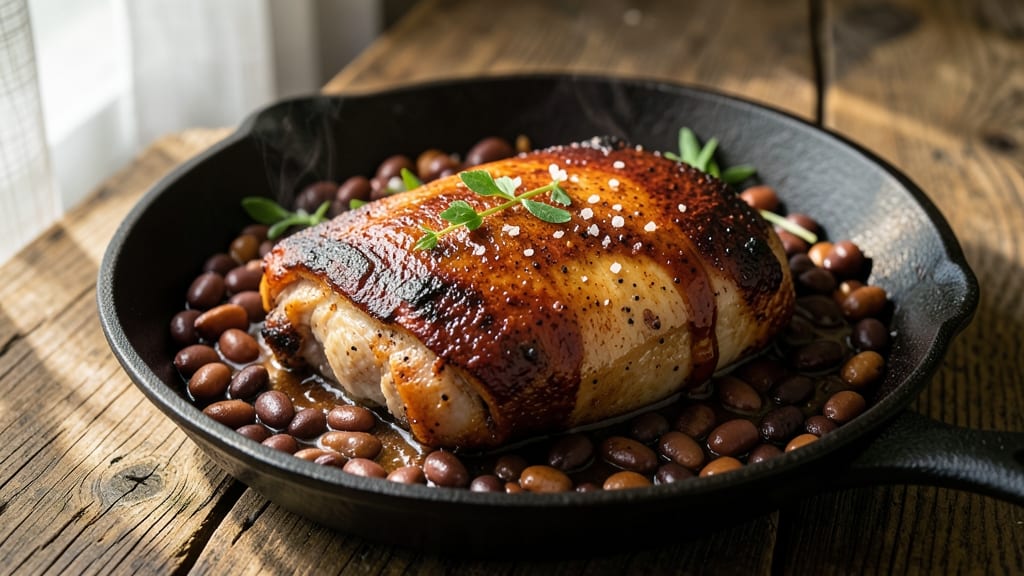
The baked pork and beans recipe with brown sugar transforms humble ingredients into a soul-warming dish that tastes like a Sunday supper. 💛 I learned this technique from Mrs. Henderson back in Cincinnati—her secret was letting the brown sugar caramelize slowly, creating a sticky, sweet-savory sauce that clings to every bite of tender pork and hearty beans.
This recipe builds flavor through slow cooking, where the brown sugar melts into the pork juices, creating deep caramelized notes that balance the smoky paprika and earthy beans.
The pork gets fork-tender while the beans soak up all that rich, molasses-like sweetness—no fancy equipment needed, just patience and a baking dish.
By the time it emerges from the oven, you'll have a dish that's perfect for feeding a crowd or savoring with cornbread and coleslaw. The pork falls apart easily, the beans are tender but still hold their shape, and that brown sugar glaze makes every spoonful irresistible.
This is comfort food at its finest.
Ready in about 3 hours (mostly hands-off time), this recipe delivers restaurant-quality results with minimal effort. The key is letting everything simmer together, allowing the flavors to meld into that perfect balance of sweet, smoky, and savory. Here's everything you need to make it happen.
Ingredients for baked pork and beans recipe brown sugar
Six hearty ingredients create this soul-warming baked pork and beans dish with caramelized brown sugar sweetness.
| Ingredient | Amount | Notes |
|---|---|---|
| Pork Shoulder 🥩 | 3 lb | Bone-in, cut into 2-inch chunks |
| Dark Brown Sugar 🍯 | 1 cup | Packed, light or dark variety |
| Dried Navy Beans 🌱 | 2 cups | Soaked overnight or quick-soaked |
| Smoked Paprika 🌶️ | 2 tbsp | For authentic smoky depth |
| Ground Black Pepper 🌶️ | 1 tbsp | Freshly cracked for best flavor |
| Kosher Salt 🧂 | 1 ½ tbsp | Diamond Crystal preferred |
| Onion Powder 🧅 | 1 tbsp | For subtle sweetness |
| Garlic Powder 🧄 | 1 tbsp | Freshly ground preferred |
| Apple Cider Vinegar 🍎 | ¼ cup | Balances sweetness |
| Chicken Broth 💧 | 2 cups | Low-sodium preferred |
| Bay Leaves 🌿 | 2 whole | Fresh for best aroma |
| Unsalted Butter 🧈 | ½ cup | Cold, cubed for richness |
| Fresh Thyme Leaves 🌿 | ¼ cup | Or 1 tbsp dried thyme |
The pork shoulder is the star—look for cuts with good marbling at Costco or your local butcher. Bone-in stays juicier, and cutting it into even 2-inch chunks ensures consistent cooking. Trader Joe's often carries pre-cut pork shoulder if you're short on time. For the beans, dried navy beans are traditional, but cannellini or great northern work too. Just make sure they're soaked overnight to prevent a gummy texture. The brown sugar should be packed tightly into the measuring cup—light or dark works, but dark adds deeper molasses notes that pair perfectly with the smoky paprika.
No smoked paprika? Regular paprika plus a pinch of liquid smoke gets you close. Substituting dried beans? Soak them for at least 8 hours or use the quick-soak method (boiling water + 1 hour). The apple cider vinegar can be swapped for red wine vinegar if you've got it, but it won't have that same apple-cinnamon depth. For the butter, European-style unsalted melts more smoothly—Plugrá or President are great choices. If you're using dried thyme, measure it by the tablespoon and know it's about one-third the volume of fresh leaves. The chicken broth should be low-sodium to avoid overpowering the dish's natural sweetness.
Prep ahead by soaking the beans and measuring all your spices—they'll keep in airtight containers for 6 months in a cool, dark place. The pork shoulder can be refrigerated for 3-4 days before cooking, but plan to add 15-20 minutes to the baking time. Once baked, this dish reheats beautifully—just add a splash of broth or water to prevent drying out. It actually tastes better the next day as the flavors meld further. Store leftovers in the fridge for 4-5 days or freeze for 3 months in portion-sized containers.
Why You'll Love This Recipe
- One-Pan Magic: I swear by this recipe—just toss everything on a sheet pan, cover it, and let the oven do the work. No chopping, no fuss, and zero pots to scrub later.
- Sweet-Smoky Bomb: That dark brown sugar caramelizes into the pork while the smoked paprika adds depth—it’s like a slow-cooked flavor explosion with half the effort. The beans soak up all the goodness, making every bite rich and satisfying.
- Leftovers That Beg: This dish tastes even better the next day, especially reheated with a splash of broth. I make a double batch on Sundays because it’s my go-to for quick lunches or potlucks—no one ever leaves a plate full.
- Budget-Friendly Feast: Pork shoulder and dried beans stretch this recipe into hearty servings without breaking the bank. It’s the kind of meal that makes you feel like you’re feeding a crowd, even when it’s just you and a lazy Friday night.
Step-by-step instructions for baked pork and beans with brown sugar
Here's the method for creating rich, slow-cooked pork and beans with perfect sweet-smoky balance.
🔥 Step 1: Prep the Pork Shoulder for Deep Flavor
Pat the 3 lb pork shoulder dry with paper towels—this helps the seasoning stick and creates better browning. Cut it into 2-inch chunks using a sharp chef's knife, making sure each piece has some bone attached for extra flavor. Place the pork in a large Dutch oven or heavy pot.
In a small bowl, whisk together the 1 cup dark brown sugar, 2 tbsp smoked paprika, 1.5 tbsp kosher salt, 1 tbsp onion powder, 1 tbsp garlic powder, and 1 tbsp ground black pepper. Sprinkle this mixture evenly over the pork, pressing it gently into the meat so it adheres. Let it sit at room temperature for 15 minutes while you prepare the beans.
👨🍳 Step 2: Prepare the Beans and Aromatics
If you haven't already, soak the 2 cups dried navy beans overnight in plenty of water. Drain and rinse them thoroughly before adding to the pot. For quick soaking, cover the beans with water, bring to a boil for 2 minutes, then let them soak for 1 hour before draining.
Add the soaked beans, 2 cups chicken broth, 0.25 cup apple cider vinegar, 2 whole bay leaves, and 0.25 cup fresh thyme leaves to the Dutch oven. Stir gently to combine, then place the pot over medium-high heat. Bring everything to a gentle boil, then immediately reduce heat to low to maintain a barely simmering state.
🔥 Step 3: Simmer Until Tender and Flavorful
Cover the pot and let it simmer unattended for 2 hours. This slow cooking time allows the pork to become fork-tender and the beans to absorb all the rich flavors. Check occasionally to ensure there's enough liquid—if the mixture gets too dry, add ¼ cup water or broth.
After 2 hours, remove the lid and increase heat to medium. Let the liquid reduce slightly, which helps thicken the sauce. You'll know it's ready when the pork easily pulls apart with a fork and the beans are creamy but still hold their shape. This typically takes another 15-20 minutes of uncovered simmering.
🍳 Step 4: Finish with Butter for Richness
Reduce heat to low and stir in the 0.5 cup cold unsalted butter, cubed. Let it melt slowly into the mixture, which adds incredible richness and helps balance the sweetness. Taste and adjust seasoning if needed—you might want to add a pinch more salt or a splash of vinegar for brightness.
Remove the bay leaves and let the dish rest for 10 minutes before serving. This resting time allows flavors to meld completely. Serve warm with crusty bread or over mashed potatoes to soak up all that delicious sauce.
Pro Tips For Making Baked Pork And Beans Recipe Brown Sugar
- CRACK THE PORK FIRST: I learned this the hard way—skipping the overnight soak for navy beans means they’ll stay rock-hard no matter how long you bake. Toss them in a bowl with plenty of water (at least 3 cups per cup of beans) and a pinch of salt, then let them sit overnight. The next day, drain and rinse them well—this guarantees they’ll soften properly and soak up that sweet, smoky sauce.
- BROWN THE PORK WELL: Don’t just toss the pork shoulder in the oven raw—sear those slices in a hot skillet first. Get them golden on all sides before adding them to the baking dish. This step locks in flavor and prevents the meat from turning into a bland, gray slab. (Yes, even if you’re impatient like me.)
- DON’T SKIMP ON SUGAR: Dark brown sugar isn’t just for flavor—it’s the glue that caramelizes and keeps everything moist. Use at least ½ cup for a 3-pound pork shoulder, and resist the urge to cut corners with white sugar. If the sauce looks too thin midway, add a splash of broth or a little more sugar to thicken it up. Trust me, the extra effort makes a real difference.
- COVER IT HALFWAY: Start the bake uncovered to let the pork render its fat and develop a crust, but after the first hour, throw a lid or foil over it. This traps steam and keeps the beans from drying out while the pork finishes cooking. I used to forget this, and my beans would turn into sad, dry pellets—now I set a timer to remember.
Troubleshooting your baked pork and beans recipe brown sugar
Pork Too Dry?
If your pork ends up dry, you likely didn’t cook it long enough or the heat was too high. The key is slow cooking—aim for 225-250°F in a 325°F oven (covered) for 3-4 hours total.
I’ve found that using a meat thermometer (like the ThermoWorks Smoke) ensures accuracy—pull the pork when it hits 195-203°F internal temperature. If it’s still tough, shred it and return it to the pot with extra broth or water to rehydrate. 💡
Beans Too Hard?
Undercooked beans are usually from insufficient soaking or not enough simmering time. Always soak dried beans overnight or use the quick-soak method (boil for 2 minutes, then soak for 1 hour). For navy beans, they’re done when they’re tender but still hold their shape—about 2-2.5 hours of simmering.
If they’re still firm, add ½ cup more broth and cook another 30 minutes. Avoid overcrowding the pot, or they’ll absorb flavors unevenly.
Sauce Too Thin?
A thin sauce often means the liquid didn’t reduce enough. After the initial 2-hour simmer, uncover the pot and cook on medium heat for an extra 15-20 minutes to thicken it naturally.
If it’s still too runny, stir in 1 tbsp cornstarch mixed with 2 tbsp water and simmer for 5 minutes until it thickens. For extra richness, finish with a pat of cold butter—it melts beautifully and adds body without thinning the sauce. 🧈
Brown Sugar Not Caramelized?
To get that deep, caramelized flavor, the brown sugar needs time to break down. After the initial simmer, uncover the pot and cook on medium heat for 10-15 minutes to let the sugar melt and darken slightly.
If it’s not caramelizing, reduce the heat slightly and stir occasionally—this prevents burning. For a quicker fix, add 1 tbsp molasses or 1 tsp liquid smoke to deepen the flavor profile without extra effort.
Overpowering Sweetness?
Too much brown sugar can make the dish cloying. Balance it with acid—add 1-2 tbsp apple cider vinegar or a splash of lemon juice to brighten the flavors. If it’s still too sweet, stir in ½ tsp ground mustard or ½ tsp smoked paprika to add complexity.
Taste as you go, and adjust gradually. I’ve found that the apple cider vinegar in the recipe is your secret weapon for cutting through sweetness while adding depth. 🍎
Nutrition facts
Frequently asked questions
Can I substitute white sugar for brown sugar in this recipe?
White sugar works, but you'll lose the deep caramelized flavor and molasses notes that make this dish special. For every 1 cup of brown sugar called for, use ¾ cup white sugar plus 1 tbsp molasses to mimic the richness. The molasses adds the missing depth and helps balance the sweetness.
How do I make this recipe in a slow cooker?
Transfer all ingredients to your slow cooker and cook on low for 7-8 hours or high for 4-5 hours. The pork will be tender when it shreds easily. For extra caramelization, finish by transferring to a skillet on the stovetop for 10 minutes to reduce the sauce. Keep an eye on liquid levels and add broth if needed.
What's the best way to reheat leftovers?
Reheat in a skillet over medium-low heat with 2-3 tablespoons of broth or water to prevent drying. Stir frequently and cover for 5-7 minutes until warmed through. For microwave reheating, cover with a damp paper towel and heat in 1-minute intervals on medium power, stirring between each interval.
Can I use canned beans instead of dried?
Yes, but drain and rinse them thoroughly to remove excess sodium. Use 4 cups canned beans (about 2 cans) instead of 2 cups dried. For best texture, add them during the last 30 minutes of cooking. Canned beans won't absorb flavors as deeply, so you might want to add an extra ½ teaspoon smoked paprika to compensate.
What's the secret to making the pork extra tender?
The key is patience and proper cooking temperature. Use a meat thermometer and cook until the pork reaches 195-203°F internal temperature. For extra tenderness, add 1 cup extra broth during cooking and let it simmer uncovered for the last 20 minutes to allow the juices to reduce and coat the meat.