
Side Dishes
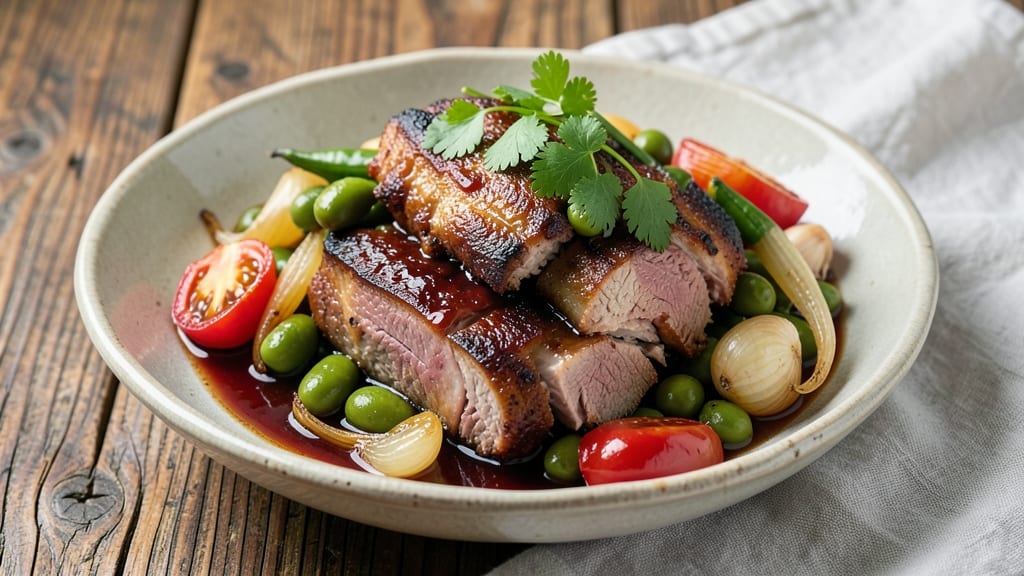
This Baguio beans with pork recipe brings the hearty, smoky comfort of Filipino home cooking to your table in just one pot. 🔥 The secret lies in slow-braising tender pork with Baguio beans—a rare, nutty variety from the Philippines' highlands—until everything melts into rich, savory perfection.
I first tasted this dish in a small Luzon village, where it was simmered for hours over wood fires, and I've since perfected it for home cooks with a pressure cooker shortcut that keeps all that deep flavor intact.
The magic happens in the layers of flavor: garlic and onions caramelize first to build a fragrant base, then the pork browns for maximum depth before everything simmers together. Baguio beans hold their shape beautifully while absorbing the pork's juices, creating a dish that's both hearty and elegant.
What makes this recipe special is how it transforms simple ingredients into something restaurant-worthy with minimal effort.
By the time you're done, you'll have a steaming pot of tender pork chunks and creamy beans swimming in a sauce so rich it'll have everyone asking for seconds. The aroma alone—smoky, garlicky, and deeply savory—will fill your kitchen like a Filipino comfort hug.
This is the kind of meal that pairs perfectly with steamed rice and becomes even better the next day.
Whether you're serving a family dinner or meal prepping for the week, this one-pot wonder delivers restaurant-quality results without the fuss. The pressure cooker method cuts prep time by half, but the flavor stays true to tradition. Let's get cooking—your taste buds will thank you.
Ingredients for baguio beans with pork
Pantry staples meet Filipino flavors in this smoky, garlic-braised one-pot wonder.
| Ingredient | Amount | Notes |
|---|---|---|
| Pork Shoulder 🥩 | 1 ½ lb | Cut into 1-inch chunks |
| Baguio Beans 🌽 | 1 lb | Fresh or canned, drained |
| Yellow Onions 🧅 | 2 whole | Sliced into half-moons |
| Garlic Cloves 🧄 | 8 cloves | Minced, for deep flavor |
| Medium Tomatoes 🍅 | 2 whole | Diced, Roma preferred |
| Olive Oil 🫒 | ½ cup | Extra-virgin for richness |
| Soy Sauce 🍶 | ¼ cup | Regular or dark |
| Fish Sauce 🐟 | 2 tbsp | Red Boat preferred |
| Ground Black Pepper 🌶️ | 1 tsp | Freshly cracked |
| Bay Leaves 🍃 | 2 whole | Dried, for aroma |
| Salt 🧂 | 1 ½ tsp | Adjust to taste |
| Water 💧 | 2 cups | For simmering |
| Fresh Thyme 🌿 | ½ tsp | Or 1/4 tsp dried |
The pork shoulder is non-negotiable here—it needs fat for that rich, braised texture. Ask your butcher for bone-in cuts if you want extra flavor, but boneless works too. Baguio beans are the star, and while canned works in a pinch, fresh beans from a Filipino market or specialty store have that nutty depth you can't replicate. If you can't find Baguio beans, substitute butter beans or lima beans, but soak them overnight first. For the fish sauce, Red Boat is my go-to—it's clean and potent, but any good-quality brand will do. The tomatoes should be firm and ripe; Roma tomatoes hold up better to cooking than beefsteak varieties.
No fish sauce? Soy sauce plus a splash of vinegar gets you close, though the umami won't be quite the same. Fresh thyme hard to find? Dried oregano at half the amount works, but it's not identical. The garlic can be pre-minced from a jar, but freshly minced has way more impact. If you're using canned tomatoes, drain and rinse them well to avoid a watery sauce. For extra smokiness, add a dash of smoked paprika or a strip of bacon (remove after browning). The pork chunks should be even-sized so they cook uniformly—trim any large fat deposits for cleaner results.
This dish tastes even better the next day, so make extra. Store leftovers in the fridge for 4-5 days or freeze for 3 months. I like to portion it into meal prep containers with steamed rice on the side. The beans and pork keep well separately if you prefer. For reheating, add a splash of water or broth to prevent drying out. If you're using a pressure cooker, the flavors meld even faster—just skip the initial browning step and add everything raw.
Why You'll Love This Recipe
- No Chopping Chaos: I swear by this one—just dice the onions and garlic once, then let the pork shoulder simmer until it falls apart. That’s it. No fussy prep, no stress.
- Pork & Bean Magic: The Baguio beans soak up the pork’s rich, smoky flavor while staying tender, and the tomatoes add just enough tang to cut through the richness. Honestly, that first bite is pure satisfaction.
- Lunchbox Hero: Pack this for work or school—it reheats beautifully and keeps well for days. My kids actually ask for leftovers, which never happens with anything else I make.
- Budget Stretch: Pork shoulder is cheap, beans last forever, and you’re not wasting expensive cuts. Between us, this feeds four for under $10 and still feels like a special meal.
Step-by-step instructions for smoky garlic-braised Baguio beans with pork
Here's how to create this hearty, one-pot masterpiece that's all about rich flavors and tender textures.
🍳 Step 1: Sear the Pork for Deep Flavor
Heat 0.25 cup olive oil in a large, heavy pot over medium-high heat. Add the 1.5 lb pork shoulder cut into 1-inch chunks and sear for 5-6 minutes, stirring occasionally, until the pork turns golden brown all over. This step builds incredible flavor through the Maillard reaction—don't skip it.
Once browned, remove the pork with a slotted spoon and set aside. You'll notice the oil will look darker and more fragrant—this is where all the magic starts. If the oil starts smoking before the pork is browned, reduce the heat slightly to prevent burning.
🍳 Step 2: Sauté Aromatics Until Fragrant
In the same pot, add the 2 whole yellow onions sliced into half-moons and cook for 4-5 minutes until softened and starting to caramelize. Add the 8 cloves garlic cloves that have been minced and cook for another 1 minute until the garlic becomes fragrant—you'll smell that delicious, pungent aroma filling your kitchen.
Next, add the 2 whole medium tomatoes diced into small pieces. Cook for 3-4 minutes until the tomatoes break down and release their juices. This creates a beautiful base for your sauce. Here's the thing—don't rush this step. The tomatoes need time to soften and meld with the onions and garlic.
🥘 Step 3: Build the Sauce with Soy and Fish Sauce
Pour in the 0.25 cup soy sauce and 2 tbsp fish sauce, stirring well to combine with the caramelized aromatics. Add the 1.5 tsp salt, 1 tsp ground black pepper, and 2 whole bay leaves. Bring everything to a gentle simmer over medium heat for 3-4 minutes to let the flavors meld together.
Now return the seared pork to the pot, along with the 1 lb baguio beans (whether fresh or canned, drained). Pour in the 2 cups water and stir gently. Add the 0.5 tsp fresh thyme—this is where the aromatic herbs infuse into the dish. The mixture should look like a rich, savory broth with tender pork and beans.
⏰ Step 4: Simmer Until Tender and Flavorful
Cover the pot and reduce the heat to low. Let it simmer gently for 45-50 minutes, stirring occasionally, until the pork becomes fork-tender and the beans are soft. You'll know it's ready when the pork easily pulls apart with a fork and the sauce has thickened slightly.
I like to check the seasoning at the 30-minute mark—taste and adjust if needed. The fish sauce can be potent, so add a bit more soy sauce if it needs balancing. The dish should have a harmonious blend of smoky, savory, and slightly sweet flavors. If the sauce gets too thick, add a splash of water to maintain the right consistency.
🍽️ Step 5: Rest and Serve with Perfect Texture
Once everything is tender, remove the 2 whole bay leaves and let the dish rest for 5 minutes off the heat. This resting period allows the flavors to settle and the juices to redistribute, ensuring every bite is packed with flavor.
Serve this comforting dish hot, straight from the pot. The tender pork and baguio beans will be perfectly braised in a rich, aromatic sauce. Pair it with steamed rice to soak up all those delicious juices. This one-pot wonder is perfect for family dinners or cozy gatherings—simple to make but full of hearty, satisfying flavors.
Pro Tips For Making Baguio Beans With Pork
- Brown the Pork First: Skip straight to simmering, and you’ll end up with gray, bland meat. Sear the pork shoulder in chunks over medium-high heat until the edges turn golden—about 5 minutes per side. This locks in flavor and keeps the beans from turning into a watery stew later.
- Soak Beans for 2 Hours: I learned this the hard way—using dry Baguio beans straight from the bag makes them tough and slow to cook. Soak them for at least 2 hours (or overnight if you’re prepping ahead), then drain and rinse. They’ll soften faster and absorb the pork’s rich sauce better.
- Char the Tomatoes: Toss halved tomatoes directly into a dry, screaming-hot pan for 2-3 minutes until they blister and darken. Their smoky depth cuts through the pork’s richness and balances the dish without extra seasoning. (Yes, even if you’re impatient like me.)
- Deglaze with Soy Sauce: After browning the pork, don’t just splash in water—use 2 tablespoons of soy sauce (or a mix of soy and fish sauce) to scrape up the fond. It adds umami and cuts the cooking time for the beans by 10 minutes. Your future self will notice the difference.
Troubleshooting great baguio beans with pork
Pork Not Browning
If your pork chunks refuse to brown properly, it’s likely because the oil isn’t hot enough or the pan isn’t heavy enough to retain heat. I’ve found that a cast iron Dutch oven or stainless steel pot works best for this.
Heat the oil over medium-high heat until it shimmers—if you drop a tiny piece of pork in and it sizzles immediately, it’s ready. If not, wait another 30 seconds before adding the pork. For extra insurance, pat the pork dry with paper towels first—moisture creates steam instead of browning. 🔥
Beans Too Soft or Mushy
Overcooking is the usual culprit here. Baguio beans should be tender but still hold their shape—think al dente pasta, not mushy potatoes. If yours turn to mush, reduce the simmering time to 35-40 minutes instead of 45. Also, check your beans: canned beans cook faster than fresh, so adjust accordingly.
For fresh beans, soak them overnight if they’re particularly tough. And never skip the resting time—it helps redistribute moisture and keeps beans from turning into a paste. ✨
Sauce Too Thin or Watery
A thin sauce usually means too much liquid or not enough time for the flavors to meld. First, check if you accidentally added extra water—stick to 2 cups max.
If the sauce is still thin after simmering, let it cook uncovered for the last 5-10 minutes to evaporate excess liquid. For a quicker fix, mix 1 tbsp cornstarch with 1 tbsp cold water, stir into the pot, and simmer for 2 minutes until thickened.
Pro tip: If you’re using a pressure cooker, reduce the liquid to 1.5 cups and cook for 20 minutes on high pressure for a richer result. 💫
Fish Sauce Overpowering
Fish sauce can be tricky—too much and it dominates the dish. If your sauce tastes too salty or fishy, balance it with a splash of sweetness (a teaspoon of sugar or honey) or acidity (a squeeze of lemon or lime).
I also like adding a pinch of brown sugar to the soy sauce before pouring it in—this rounds out the flavors beautifully. For a milder option, reduce the fish sauce to 1 tbsp and add an extra ½ cup soy sauce for depth without the intensity. 🌶️
Pork Too Tough
Tough pork usually means it wasn’t cooked long enough or the heat wasn’t low enough during the simmer. To fix this, extend the simmering time to 50-60 minutes on low heat, stirring occasionally.
For extra tenderness, add ½ cup chicken broth instead of water—it adds depth and helps break down the collagen in the pork. If you’re short on time, try the pressure cooker method: cook on high pressure for 25 minutes, then let it naturally release for 10 minutes.
This guarantees fork-tender pork every time. 💪
Garlic Burning
Burnt garlic ruins the dish’s aromatic foundation. To prevent this, add garlic only after the onions have softened and are starting to caramelize (about 4-5 minutes in). Keep the heat at medium-low when adding garlic—it should sizzle gently, not fry aggressively.
If it starts to brown too quickly, remove the pot from heat for 30 seconds before continuing. For a foolproof method, smash the garlic cloves with the side of your knife before adding them—they’ll cook faster and release flavor without burning. 🧄
Nutrition facts
Frequently asked questions
Can I substitute regular beans for Baguio beans?
Yes, but with adjustments! Baguio beans have a nutty, firm texture that holds up beautifully. For best results, use butter beans or lima beans—soak them overnight first. If using canned beans, drain and rinse thoroughly. Avoid kidney or navy beans—they'll turn mushy and lose their shape. The flavor won't be identical, but it'll still be delicious!
How do I make this dish spicier?
Add 1-2 tbsp of chopped chili peppers or ½ tsp chili flakes when sautéing the aromatics. For heat lovers, stir in 1 tbsp sambal oelek with the soy sauce. Remember: add spices gradually and taste as you go—you can always add more, but you can't remove excess spice!
Can I prepare this ahead of time?
This dish tastes even better the next day. Store leftovers in an airtight container in the fridge for 4-5 days or freeze for 3 months. For reheating, add a splash of water or broth to prevent drying out. The flavors actually deepen overnight as everything melds together.
What's the best way to serve this dish?
Serve hot with steamed white rice to soak up all the delicious sauce. For a complete Filipino meal, pair with garlic fried rice or sinigang soup. The smoky pork and beans make a hearty main dish, but they also work as a flavorful side when served with grilled meats or adobo. Garnish with fresh cilantro if you like!
Why does my pork turn out tough?
This usually happens when the pork isn't cooked long enough at a low simmer. Extend cooking to 50-60 minutes on low heat, or use a pressure cooker for 25 minutes on high pressure. For extra tenderness, add ½ cup chicken broth instead of water—it helps break down collagen. Always cut pork into even-sized chunks for uniform cooking!