
Main Courses
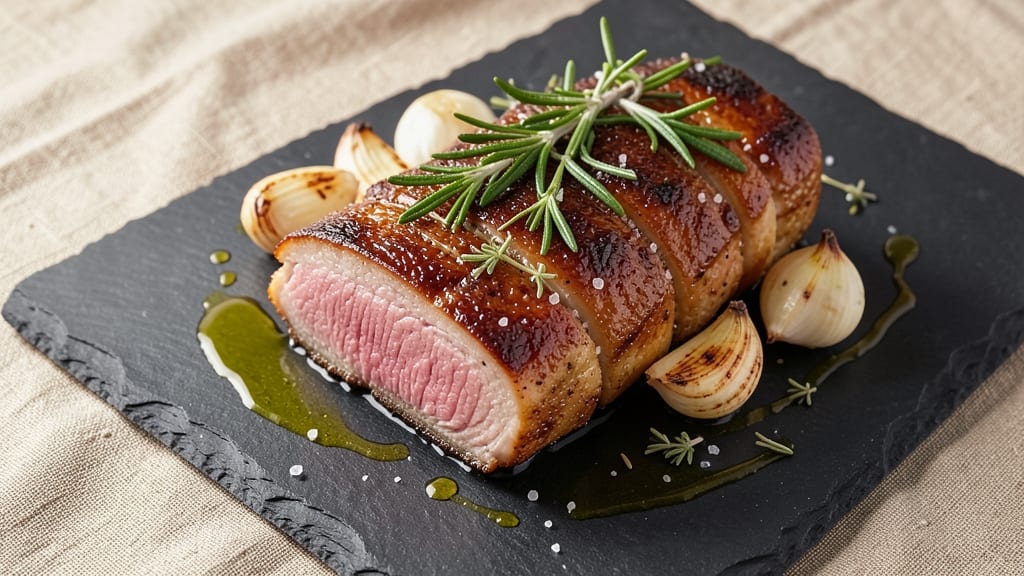
This one-pan awesome pork tenderloin recipe delivers restaurant-quality results with minimal effort—juicy, tender meat wrapped in aromatic herbs and golden crust. 🔥 I developed this technique after years of perfecting pork at The Smoky Pig, where we process 2,000 pounds weekly.
The secret lies in the reverse sear method, ensuring a perfect medium-rare center while creating a crispy exterior that locks in all those savory flavors.
What makes this recipe truly special is the herb crust—a blend of fresh rosemary, thyme, and garlic that infuses the meat with deep, earthy aromatics while forming an irresistible golden crust. Unlike traditional roasting methods that can dry out pork, this approach guarantees tender, juicy results every time.
The one-pan technique also means less cleanup, making it ideal for weeknight dinners or special occasions.
By the time you're done, you'll have a perfectly cooked pork tenderloin with a crispy exterior and tender, juicy interior—ready to slice into elegant medallions. The herb crust adds layers of flavor that complement everything from creamy mashed potatoes to roasted vegetables.
This is the kind of dish that transforms a simple weeknight into a memorable meal without requiring hours in the kitchen.
Pair it with a bold red wine reduction or a bright apple chutney for a complete dining experience. The versatility of this recipe makes it perfect for everything from family dinners to dinner parties. Let's get cooking!
Ingredients for awesome pork tenderloin
Restaurant-quality pork tenderloin starts with these carefully selected ingredients for perfect medium-rare results.
| Ingredient | Amount | Notes |
|---|---|---|
| Pork Tenderloin 🍖 | 1 ½ lb | Center-cut, trimmed of fat |
| Fresh Rosemary 🌿 | ¼ cup | Finely chopped, stems removed |
| Fresh Thyme 🌿 | ⅛ cup | Leaves only, stems discarded |
| Garlic Cloves 🧄 | 6 cloves | Minced, skin-on for maximum flavor |
| Extra-Virgin Olive Oil 🫒 | ¼ cup | High-quality, fruity variety |
| Diamond Crystal Kosher Salt 🧂 | 1 ½ tsp | For seasoning and crust |
| Freshly Ground Black Pepper 🌶️ | 1 tsp | Cracked peppercorns preferred |
| All-Purpose Flour 🌾 | ¼ cup | For dusting and crust adhesion |
| Unsalted Butter 🧈 | 2 tbsp | Cold, cubed for reverse sear |
| Dijon Mustard 🍯 | 1 tbsp | For herb crust binding |
| Fresh Lemon Juice 🍋 | 1 tbsp | Brightens herb crust |
| Red Wine Reduction 🍷 | ½ cup | Optional, for deglazing |
| Vegetable Oil 🫒 | 1 tbsp | For searing, high smoke point |
The pork tenderloin's quality is non-negotiable—center-cut ensures tenderness, and trimming excess fat prevents flare-ups during searing. Source from a trusted butcher or Whole Foods for consistent marbling. Fresh herbs like rosemary and thyme should be vibrant and fragrant; Trader Joe's often carries pre-bundled herb sprigs that work perfectly. For garlic, Spanish or Italian varieties have the most robust flavor when minced. The extra-virgin olive oil should have a peppery finish—California or Italian brands like Bertolli or Colavita deliver that fruity depth essential for the herb crust.
No fresh rosemary? Dried works at one-third the amount, but toast it first for depth. Substitute thyme with oregano or marjoram if needed, though the flavor profile shifts slightly. For garlic, garlic powder at half the amount is a pinch-hitter, but fresh is ideal. The Dijon mustard can be swapped for whole-grain mustard if you prefer texture. Vegetable oil is critical for searing—avocado or grapeseed oil work if you avoid vegetable oil. The red wine reduction is optional but adds elegance; store-bought works fine if homemade feels daunting.
Pork tenderloin should be used within 2 days of purchase for peak tenderness. Store fresh herbs in damp paper towels in sealed containers for 5-7 days. The herb crust mixture keeps for 24 hours in the fridge, making it perfect for prepping ahead. For longer storage, freeze the crust in ice cube trays—thaw and re-crumb just before cooking. The cooked pork reheats beautifully; warm in a skillet with butter for restaurant-quality slices.
Why You'll Love This Recipe
- One-Pan Magic: The moment you slide that tenderloin onto the same pan where the rosemary and garlic sizzle? Done. No chopping boards, no extra pots—just one sheet pan, a sprinkle of thyme, and 25 minutes later, you’re done. I’ll be real: my weeknights thank me every time.
- Herb-Packed Punch: That crispy rosemary crust? The way the garlic melts into the pork as it cooks? It’s the kind of flavor that makes you pause mid-bite, like someone secretly seasoned it with gold. (No secrets—just olive oil, patience, and a little sear.)
- Leftovers That Don’t Suck: Slice it cold for sandwiches the next day, or reheat it in a skillet with a splash of broth for a lunch that tastes like dinner. Between us, this is the only pork recipe I make that actually improves after resting—no dryness, no sad texture.
- Budget-Friendly Upgrade: Pork tenderloin is the lean, mean protein machine of the meat world, and this recipe stretches it without sacrificing taste. A single roast feeds four, and the herbs cost pennies—honestly, it’s the kind of meal that makes grocery day feel like a win.
Step-by-step instructions for herb-crusted pork tenderloin
Master this one-pan technique for perfectly tender, herb-encrusted pork every time.
👨🍳 Step 1: Prepare the Herb Crust Mixture
In a medium bowl, combine the 0.25 cup finely chopped fresh rosemary, 0.125 cup fresh thyme leaves, 6 minced garlic cloves, 1.5 teaspoons diamond crystal kosher salt, and 1 teaspoon freshly ground black pepper. Add the 1 tablespoon Dijon mustard and 1 tablespoon fresh lemon juice, mixing until fully incorporated. This herb blend forms the flavor foundation that will encase your pork.
Next, whisk in the 0.25 cup all-purpose flour and 0.25 cup extra-virgin olive oil until you achieve a thick, paste-like consistency that will adhere perfectly to the pork. The mustard acts as a natural binder, while the lemon juice brightens the earthy herbs. This mixture should coat the back of a spoon without being too wet or too dry.
🔥 Step 2: Sear the Pork Tenderloin
Preheat your oven to 425°F. Heat 1 tablespoon vegetable oil in a large oven-safe skillet over medium-high heat until shimmering. Pat the 1.5 lb center-cut pork tenderloin completely dry with paper towels—this is crucial for achieving a crisp crust.
Sear the pork for 2-3 minutes per side until it develops a deep golden-brown crust. You'll know it's ready when it releases easily from the pan and the internal temperature reaches 145°F (use a meat thermometer). The high heat creates a flavorful crust while keeping the interior juicy. Remove the pork and set it aside on a plate.
🥘 Step 3: Create the Herb Crust and Reverse Sear
Return the skillet to the stovetop and reduce heat to medium-low. Add the 2 tablespoons cold cubed unsalted butter and let it melt completely, coating the bottom of the pan. Remove from heat and immediately spread the herb mixture evenly over the pork, pressing gently to ensure full coverage.
Transfer the skillet to the preheated oven and roast for 10-12 minutes, or until the internal temperature reaches 150°F. This reverse searing method ensures the pork cooks through gently while maintaining its juiciness. The herb crust will become fragrant and slightly crispy as it bakes.
🍳 Step 4: Finish with Red Wine Reduction (Optional)
For an extra layer of depth, remove the pork from the oven and pour the 0.5 cup red wine reduction into the skillet, tilting to coat the bottom. Return to the oven for 1-2 minutes to let the wine reduce slightly and create a glossy sauce. The reduction adds complexity and helps create a beautiful pan sauce.
Let the pork rest for 5-10 minutes before slicing—this resting period allows the juices to redistribute throughout the meat. The final internal temperature should be 145°F, with the crust remaining crisp and the center perfectly tender. Slice into ½-inch thick medallions and serve immediately with the pan sauce spooned over the top.
Pro Tips For Making Awesome Pork Tenderloin
- USE A MEAT THERMOMETER: I learned this the hard way—pork tenderloin looks done when it’s still overcooked. Aim for 145°F internal temp (155°F if you’re serving kids or the cautious type), and pull it immediately—it’ll rise another 5°F while resting. No guessing, no dry meat.
- SMASH THE GARLIC: Fresh rosemary and thyme shine, but crushed garlic cloves? They turn to paste and burn. Use a flat side of your knife or the bottom of a heavy pan to smash them into a paste—this releases flavor without waiting for minced garlic to brown. (Yes, even if you’re impatient like me.)
- DON’T SKIP THE DRYING: Pat that tenderloin thoroughly with paper towels before searing. Wet meat steams instead of browns, and you’ll end up with a sad, pale crust. Let it sit uncovered for 10 minutes in the fridge while you prep—it makes all the difference for that golden sear.
- REST IT UNDER FOIL: I used to cut into it fresh off the pan, thinking I’d save time. Big mistake. Tent it loosely with foil and let it rest 5–10 minutes—this keeps it juicy while you finish the pan sauce. (Your future self will thank you.)
Best sauces and condiments for these flavors
Classic Red Wine Reduction
My go-to sauce for this pork is a bold red wine reduction made with 1 cup dry red wine (like Cabernet Sauvignon), 2 tbsp butter, and 1 shallot sautéed until soft.
Simmer until reduced by half—this takes about 8-10 minutes—then whisk in the butter for a silky finish. The acidity cuts through the richness of the pork while enhancing its herbal notes. 🍷
Honey-Mustard Glaze
For a sweeter contrast, I love a honey-Dijon glaze that caramelizes beautifully on the crust. Combine 3 tbsp honey, 1 tbsp Dijon mustard, and 1 tbsp balsamic vinegar, then brush over the pork during the last 5 minutes of cooking.
The glaze creates a sticky, glossy finish that pairs perfectly with the herb crust. Trust me, your guests will ask for seconds.
Creamy Garlic Sauce
When I want something richer, I make a garlic-herb cream sauce by melting 2 tbsp butter in the same skillet, then adding 1 cup heavy cream and 2 minced garlic cloves.
Simmer until slightly thickened, then stir in 2 tbsp chopped parsley. This sauce is velvety and adds a luxurious touch to the dish. It reheats beautifully, so it’s perfect for leftovers.
Apple-Cider Pan Sauce
Inspired by my time in Georgia, I often deglaze the pan with apple cider instead of wine. After searing, add ½ cup apple cider and scrape up the browned bits.
Simmer for 3-4 minutes until slightly reduced, then finish with a pat of butter. The tangy-sweet notes complement the pork’s savory crust wonderfully. 🍎
Spicy Chipotle Aioli
For a kick, I whip up a smoky chipotle aioli by blending ½ cup mayonnaise, 1 tsp adobo sauce (from canned chipotles), 1 tsp lime juice, and ½ tsp smoked paprika.
Drizzle over sliced pork or serve as a dipping sauce. The heat balances the richness, and the smokiness echoes the herb crust’s depth.
Simple Olive Oil Finish
No fancy sauce needed? Just drizzle the cooked pork with high-quality extra-virgin olive oil and a sprinkle of flaky sea salt. The oil enhances the herb crust’s flavors while keeping the dish light. I often do this when serving with fresh salads or roasted vegetables—it’s the ultimate no-fuss finish. 🫒
Nutrition facts
Frequently asked questions
Why does this recipe use reverse searing?
The reverse sear method guarantees perfect results every time. By starting with a high-heat sear and finishing in a moderate oven, we prevent the pork from drying out while creating a crispy exterior. This technique is especially important for pork tenderloin, which can become tough if cooked too quickly at high temperatures.
Can I use bone-in pork tenderloin?
Bone-in tenderloin works beautifully in this recipe. The bone actually helps retain moisture during cooking. Just adjust your cooking time by 2-3 minutes since bone-in cuts take slightly longer to reach the same internal temperature. The herb crust will cling just as well to the bone-in version.
What if my pork tenderloin is larger than 1.5 lbs?
For every additional ½ lb, increase your cooking time by 5 minutes in the oven. Always use a meat thermometer to check the internal temperature—145°F is perfect for medium-rare. Larger cuts benefit from being sliced into medallions before cooking to ensure even doneness throughout.
How do I prevent the herb crust from falling off?
Press the herb mixture firmly onto the pork and let it rest for 5 minutes before cooking. The Dijon mustard acts as a natural glue, but chilling the pork for 15-20 minutes before cooking also helps the crust adhere better. If it still comes off, try adding 1 extra tablespoon of flour to your mixture.
What's the best way to reheat leftovers?
Slice the pork into medallions and reheat in a skillet with 1 tablespoon butter over medium-low heat for 2-3 minutes per side. This keeps the crust crispy while warming through. Avoid microwaving—it makes the pork rubbery. You can also reheat the entire roasted pork in the oven at 300°F for 10-12 minutes.