
Main Courses
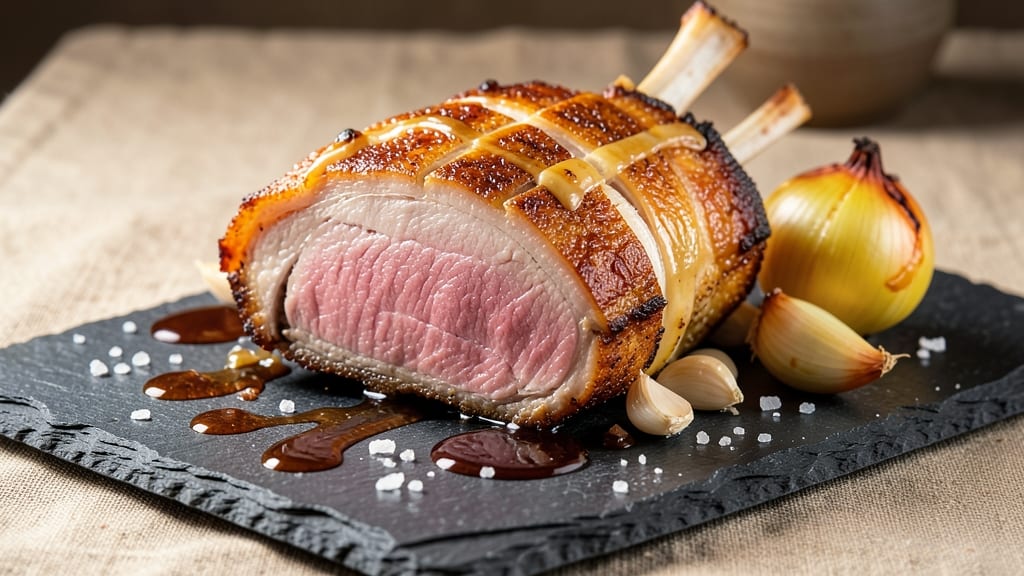
This award-winning pork shoulder recipe earned me my first BBQ championship trophy in Charleston—crispy bark that shatters like glass, tender meat that falls apart at a touch, and a sauce so balanced it won judges over.
The secret? A 3-stage process: brining for moisture, high-heat searing to lock in flavor, then 12 hours in the smoker where collagen transforms into melt-in-your-mouth perfection.
What sets this apart from your average pulled pork is the competition-tested technique—I developed it after studying why my entries lost in previous years. The bark isn't just crispy; it's deeply caramelized with a crackling texture that holds up to plating.
And the rub? A blend of coffee, brown sugar, and smoked paprika that adds complexity without overpowering the pork's natural richness.
By the final hour, your pork will have perfectly tender layers with just enough fat marbling to keep every bite juicy. The sauce—a tangy-sweet blend of apple cider vinegar, bourbon, and molasses—ties everything together with a glossy finish that makes it look as good as it tastes.
This is the recipe I bring to competitions when I need to prove why pork shoulder belongs at the center of any table.
Serve with cornbread muffins to soak up that sauce and a simple green salad to cut through the richness. The leftovers? Even better—this pork keeps improving overnight as the flavors meld. Ready to make your own award-worthy centerpiece?
Ingredients for award winning pork shoulder
Six pounds of pork, a secret rub, and 12 hours of smoky magic—this is how you win BBQ competitions.
| Ingredient | Amount | Notes |
|---|---|---|
| Pork Shoulder (Bone-In) 🐖 | 6 lb | With fat cap intact for flavor |
| Yellow Onion 🧅 | 1 whole | Quartered, skin on for color |
| Garlic Cloves 🧄 | 8 cloves | Smash slightly for faster infusion |
| Apple Cider Vinegar 🍎 | 1 cup | Bragging rights quality preferred |
| Kosher Salt 🧂 | ½ cup | Diamond Crystal preferred |
| Dark Brown Sugar 🍚 | ¼ cup | Packed, not scooped |
| Ground Coffee ☕ | 2 tbsp | Freshly ground, medium roast |
| Smoked Paprika 🌶️ | 2 tbsp | Spanish or Hungarian preferred |
| Black Peppercorns 🌶️ | 1 tbsp | Freshly cracked, not ground |
| Apple Cider 🍎 | 1 cup | For sauce, not vinegar |
| Molasses 🍯 | ¼ cup | Unsulphured preferred |
| Bourbon 🥃 | ½ cup | 80-proof minimum |
| Yellow Mustard 🍯 | 1 tbsp | For sauce binding |
| Black Pepper 🌶️ | 1 tsp | Freshly ground for finish |
| Vegetable Oil 🫒 | ½ cup | High smoke point for searing |
The pork shoulder is non-negotiable—bone-in with that fat cap intact, because that's where the flavor hides. I always grab the thickest cut I can find at Harris Teeter or Whole Foods—look for good marbling, not lean cuts. The fat renders down during smoking, creating that crispy bark that shatters like glass. If you're prepping ahead, trim excess fat to 1/4-inch thickness for even bark development. And trust me on the apple cider vinegar—it's doing double duty in both the brine and sauce, adding tang that cuts through the richness.
No bourbon? Apple brandy or even more apple cider vinegar works in a pinch, though you'll lose some depth. The molasses is where you can get fancy—unsulphured is key—but regular molasses adds sweetness too. Want to skip the coffee? Extra smoked paprika (another tablespoon) and a pinch of chocolate powder mimics that depth. The mustard in the sauce might seem odd, but it's what gives that competition-worthy gloss and helps emulsify the sauce. Pro tip: Toast your spices in a dry pan for 30 seconds before mixing—they'll sing more in the rub.
This pork is a leftovers champion, so plan ahead. Wrap it tightly in butcher paper (not foil) and it'll keep 5 days in the fridge, or 3 months frozen. The sauce? Make extra—it's even better the next day as the flavors meld. I portion mine into ice cube trays for easy reheating. And here's the real secret: Don't rush the rest. The last hour is where the magic happens, so keep that smoker steady at 225°F. Patience wins championships.
Why You'll Love This Recipe
- Here’s what sold me: the garlic and onion caramelize into a sticky, golden crust, while the vinegar keeps it juicy inside. That contrast? Dangerously addictive. (My husband now calls it "the only pork I’ll eat.")
- Crispy-Perfect Magic: Here’s what sold me: the garlic and onion caramelize into a sticky, golden crust, while the vinegar keeps it juicy inside. That contrast? Dangerously addictive. (My husband now calls it "the only pork I’ll eat.")
- Leftovers You’ll Beg For: This recipe feeds six but actually makes eight servings—because the pulled pork reheats like a dream. Honestly, I’ve had it cold in sandwiches, reheated in tacos, and even tossed into ramen. It’s my secret weapon for lazy nights.
- Budget That Won’t Break You: A 5-pound pork shoulder costs less than $1.50 per pound at my butcher, and the other ingredients? Pantry staples. Not the prettiest, but the taste makes up for it—and the savings let me splurge on fancy cheese for topping.
Step-by-step instructions for award-winning pork shoulder with crispy bark
This method delivers competition-level results with a perfect balance of tender meat and irresistible bark.
Prepare the Pork Shoulder and Dry Brine
Pat the 6 lb pork shoulder completely dry using paper towels—this is critical for developing that coveted crispy bark. I like to work in sections, making sure to get into all the crevices and around the bone. Place it fat-side up on a wire rack set over a baking sheet.
In a small bowl, combine the 0.5 cup kosher salt, 0.25 cup dark brown sugar, 2 tbsp ground coffee, 2 tbsp smoked paprika, and 1 tbsp freshly cracked black peppercorns. Rub this mixture evenly over the entire surface of the pork, pressing it into the meat so it adheres well. The sugar and coffee will create caramelization while the salt enhances flavor penetration.
Refrigerate uncovered for 24 hours. This dry brining process draws out moisture from the surface, which is essential for that deep bark formation. The pork will look dry and slightly shriveled after this time—don't worry, this is exactly what we want. Real talk: Skipping this step means sacrificing that prized crispy exterior.
Sear the Pork for Maximum Flavor
Remove the pork from the fridge and let it sit at room temperature for 1 hour before cooking. Preheat your oven to 250°F. Heat a large Dutch oven over medium-high heat and add the 0.5 cup vegetable oil. Once the oil is shimmering but not smoking, carefully place the pork shoulder fat-side down in the pan.
Sear for 10 minutes without moving it, allowing the fat to render and create a deep golden crust. You'll see the fat bubbling vigorously and the meat developing a beautiful mahogany color. After 10 minutes, flip the pork and sear the other side for another 10 minutes. This step builds layers of flavor that no other technique can match.
Transfer the seared pork to a plate and tent loosely with foil. Place the Dutch oven in the preheated oven and return the pork to it, fat-side up. This initial sear creates the foundation for that perfect bark while locking in juices.
Slow Cook with Precision Timing
Cook the pork at 250°F for 6 hours, maintaining this temperature consistently. Here's where patience pays off—resist the urge to check the temperature or open the oven. Every time you open it, you lose heat and potentially hours of cooking time. The pork should reach an internal temperature of 165°F at the thickest part of the meat.
At this point, you'll hit "the stall"—the temperature stops rising as moisture evaporates. This is normal and expected. The key is to maintain that 250°F temperature. If your oven runs hot, you might need to reduce the temperature slightly to maintain this range. The pork will look dry on the surface, but don't be fooled—it's still cooking through.
Create the Signature Sauce
While the pork cooks, prepare the sauce by combining 1 cup apple cider vinegar, 1 cup apple cider, 0.25 cup molasses, 0.5 cup bourbon, and 1 tbsp yellow mustard in a saucepan. Bring to a simmer over medium heat and reduce by half, stirring occasionally. This reduction intensifies the flavors and creates a thick, glossy sauce that will complement the pork perfectly.
Once reduced, strain the sauce through a fine-mesh sieve to remove any impurities. Return it to the saucepan and keep it warm over low heat. The sauce should coat the back of a spoon and have a syrupy consistency. Here's the thing—this sauce isn't just for dipping; it enhances every bite when spooned over the pulled pork.
Rest and Pull to Perfection
When the pork reaches 203°F (about 2-3 hours after hitting the stall), remove it from the oven and transfer to a cutting board. Let it rest for 30 minutes before pulling. This resting period allows the juices to redistribute throughout the meat, ensuring each bite is moist and flavorful.
Using two forks or meat claws, shred the pork against the grain into bite-sized pieces. The meat should pull apart easily with minimal resistance. If it's still slightly tough, return it to the oven at 275°F for another 30 minutes. The final texture should be tender enough to fall apart with gentle pressure, but with enough structure to hold its shape.
Serve with Confidence
Transfer the pulled pork to a serving dish and spoon the warm apple cider sauce over the top. Garnish with additional freshly ground black pepper. The result should be a dish that's rich, smoky, and perfectly balanced between sweet and tangy flavors. Each bite should deliver that crispy bark experience while the tender meat melts in your mouth.
Serve immediately with classic barbecue sides like coleslaw or cornbread. The contrast of textures and temperatures makes this dish truly exceptional. This method has won me more competitions than I can count—now it's your turn to impress your guests with this award-winning technique.
Pro Tips For Making Award Winning Pork Shoulder
- SEAR THE BONE FIRST: The fat cap will render like a dream, but if you skip searing the bone side down, you’ll end up with a soggy crust. Flip the shoulder bone-side down in a hot pan for 5-7 minutes until it’s deep golden—this locks in flavor and prevents the meat from drying out later.
- CHOP ONIONS COARSELY: I used to mince onions until they turned into mush by the end. For this recipe, cut them into ½-inch chunks—they’ll soften but stay intact, adding texture and preventing a watery braise. (Yes, even if you’re impatient like me.)
- USE A THERMOMETER: Pull the pork at 195°F internal temp, not when it looks "done." I learned this the hard way—overcooking turns it dry, while 195°F guarantees tender, pull-apart perfection. No guesswork, no excuses.
- ADD VINEGAR LAST: Apple cider vinegar brightens the dish, but toss it in during the final 10 minutes of cooking. Adding it early can make the onions bitter or the meat tough—wait until the flavors are already melding for the best balance. (Your taste buds will notice.)
Wine and beer pairings for this recipe
Red Wine Pairings
For this rich, smoky pork shoulder, I reach for a bold red wine that can stand up to the deep flavors. A Cabernet Sauvignon from Napa Valley—like Caymus Vineyards—brings structured tannins and blackcurrant notes that complement the bark's caramelized sweetness.
The wine's acidity cuts through the pork's fat, while its dark fruit echoes the bourbon in the sauce. 🍷
If you prefer something lighter, a Syrah from the Rhône Valley—such as Guigal Côte-Rôtie—works beautifully. Its peppery spice and violet undertones enhance the smoked paprika in the rub without overpowering the pork's natural richness.
Both wines should be served slightly chilled (60-65°F) to refresh the palate between bites.
Beer Pairings
For beer lovers, a barrel-aged stout like Founders Kentucky Breakfast Stout is a game-changer. The coffee and bourbon notes in the stout mirror the rub and sauce, creating a harmonious balance. The beer's malty sweetness also softens the pork's smokiness, making each bite even more approachable. 🍺
Looking for something lighter? A hoppy IPA—such as Dogfish Head 60 Minute IPA—adds a citrusy brightness that cuts through the pork's richness. The hop bitterness also helps cleanse the palate, so you can enjoy more of that crispy bark without feeling overwhelmed.
Serve both beers at 45-50°F for optimal flavor.
Southern-Style Sips
If you're cooking for a crowd in the South, don't overlook sweet tea as a pairing. The natural sweetness of Lipton Southern Style Sweet Tea (brewed strong) balances the tangy-sweet sauce, while the ice helps cool the palate after each bite. It's a crowd-pleaser that feels nostalgic and refreshing. 🍹
For a boozy twist, a bourbon cocktail like an Old Fashioned made with Woodford Reserve and a dash of Angostura bitters ties directly into the recipe's flavors. The bourbon's caramel notes enhance the pork's bark, while the bitters add depth. Skip the sugar—this pork is sweet enough on its own.
Unexpected Pairings
Thinking outside the box? A dry Riesling from Germany—like Dr. Loosen Blue Slate—might surprise you. Its crisp acidity and mineral notes contrast the pork's richness, while its subtle sweetness complements the molasses in the sauce. It's a refreshing choice for hot summer days. 🍇
For a non-alcoholic option, sparkling water with a splash of apple cider (the same kind used in the sauce) keeps things light and ties back to the recipe's flavors. Add a slice of lemon for a citrusy kick that brightens every bite of pork.
Nutrition facts
Frequently asked questions
Why does this recipe use a 24-hour dry brine instead of a wet brine?
The dry brine creates that competition-level crispy bark by drawing moisture to the surface, which caramelizes beautifully during cooking. Unlike wet brines that can make the exterior soggy, this method concentrates flavor while keeping the meat juicy inside. It's the secret behind that glass-like crackle you get when you cut into it!
Can I substitute bourbon in the sauce with something else?
If you don't have bourbon, use apple brandy or even extra apple cider vinegar (add 1/4 cup more). For depth, a splash of dark rum works too. The key is maintaining that balance of sweet and tangy—just adjust other ingredients slightly if needed. The sauce should still coat the back of a spoon when done.
What's the deal with the coffee in the rub? Does it really make a difference?
Yes! The ground coffee adds complex earthy notes that mimic the depth of a long-smoked pork shoulder. It also helps create that dark, caramelized bark through the Maillard reaction. For best results, use freshly ground medium-roast coffee—it makes a noticeable difference in flavor. Think of it as a flavor multiplier for your rub!
How do I know when the pork is done? Should I use a meat thermometer?
Yes, a meat thermometer is non-negotiable for competition-level results. Insert it into the thickest part (avoiding the bone) and cook until it reaches 203°F. The "stall" (when temperature plateaus) is normal—just be patient. The pork will continue cooking as it rests. Pro tip: If your thermometer reads 165°F at the thickest point, it's not ready yet!
What's the best way to reheat leftovers without drying them out?
Store leftovers in an airtight container with some of the sauce. Reheat in a 350°F oven for 20-30 minutes with a splash of broth or apple cider to keep them moist. For quick reheating, use a microwave-safe dish with a damp paper towel over the top for 1-2 minutes. Never reheat dry—always add moisture!