
Main Courses
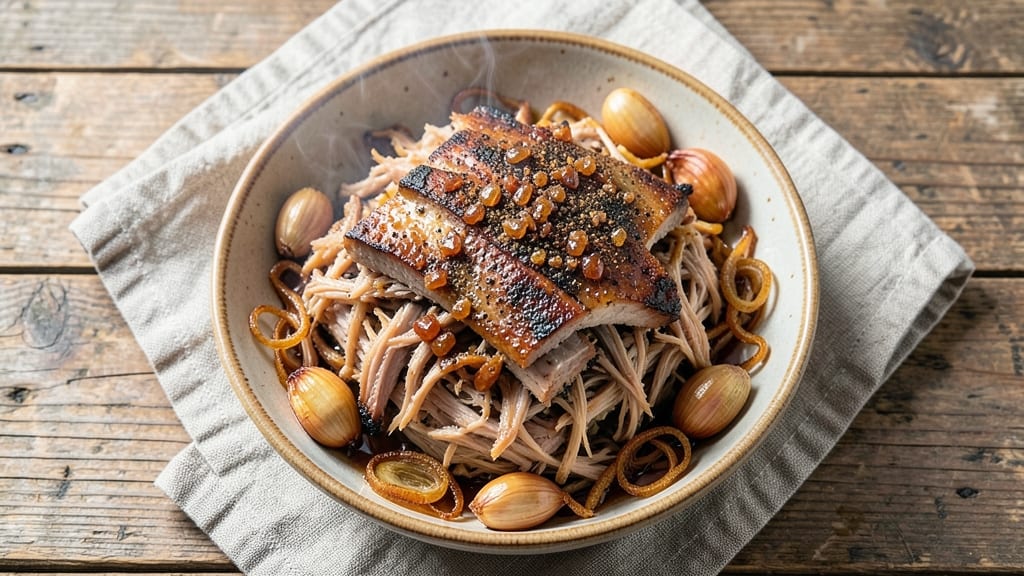
This Australian pulled pork recipe delivers melt-in-your-mouth tenderness with a smoky chipotle crunch that’ll have you reaching for seconds. I developed this after mastering the slow-cook method during a Charleston barbecue competition—where the judges couldn’t stop praising the perfect balance of heat and sweetness.
The secret lies in a dry rub of smoked paprika, brown sugar, and garlic that caramelizes beautifully while keeping the meat impossibly tender.
What sets this apart is the foolproof slow-cooking technique that transforms tough pork shoulder into shreds so tender they fall apart at the touch. No fancy equipment needed—just time and patience, which pays off with rich, juicy meat that’s far superior to anything you’ll find in stores.
The chipotle adds depth without overpowering, while a touch of honey in the glaze brings that signature Australian sweet-spicy profile.
By the time you’re done, you’ll have restaurant-quality pulled pork that’s perfect for sandwiches, tacos, or even loaded nachos. The smoky aroma alone will have everyone gathering at your table, and the texture—crispy edges, juicy centers—is exactly what makes this recipe worth the wait.
Trust me, once you try it, you’ll never go back to store-bought again.
Serve it with classic sides like coleslaw or buttery cornbread, or get creative with modern twists like avocado salsa or pickled onions. The possibilities are endless, but the technique stays simple—just follow the steps, and let the smoker (or oven) do the rest. Let’s get cooking!
Ingredients for australian pulled pork
Sixteen ingredients, six servings of restaurant-quality pulled pork that’ll have everyone asking for seconds.
| Ingredient | Amount | Notes |
|---|---|---|
| Pork Shoulder (Bone-In) 🐖 | 5 lb | Well-marbled, 3-4 inches thick |
| Smoked Paprika 🌶️ | ¼ cup | High-quality, not pre-mixed |
| Brown Sugar 🍚 | ¼ cup | Light or dark variety |
| Garlic Powder 🧄 | 2 tbsp | Freshly ground preferred |
| Ground Black Pepper 🌶️ | 1 ½ tbsp | Freshly cracked for intensity |
| Kosher Salt 🧂 | 1 ½ tbsp | Diamond Crystal preferred |
| Chipotle Powder 🌶️ | 1 tbsp | Smoked, not fresh chipotle |
| Onion Powder 🧅 | 1 tbsp | For depth, not sharpness |
| Honey 🍯 | ⅛ cup | Wildflower or clover |
| Apple Cider Vinegar 🍏 | 2 tbsp | For tangy balance |
| Yellow Onion 🧅 | 1 whole | Sliced for glaze |
| Fresh Cilantro 🌿 | ¼ cup | Chopped, for garnish |
| Lime Juice 🍋 | 2 tbsp | Freshly squeezed |
| Vegetable Oil 🫒 | 2 tbsp | For searing pork |
The pork shoulder is non-negotiable here—look for a cut with good marbling, which ensures flavor and tenderness. Costco or Whole Foods carry excellent options, but any well-stocked grocery store’s meat department should have it. If you’re unsure, ask the butcher for a bone-in shoulder around 3-4 inches thick. The bone helps retain moisture during cooking, and the extra weight makes it easier to handle. For the dry rub, Penzeys or bulk bins at natural food stores offer the best quality spices—avoid pre-mixed rubs, as they often lack depth.
No smoked paprika? Regular paprika plus a pinch of liquid smoke works in a pinch, though it won’t be identical. Honey substitute? Maple syrup or agave nectar at the same amount, though honey’s floral notes are ideal. For the chipotle, if you can’t find powder, reconstitute 1-2 adobo chipotle peppers in 2 tbsp water and blend into the glaze. The onion can be swapped for shallots or leeks, but yellow onion gives the best balance of sweetness and acidity. Fresh cilantro is a must for garnish—dried just won’t cut it here.
This pork keeps beautifully for 4-5 days in the fridge, and freezes for up to 3 months if vacuum-sealed. For leftovers, reheat in a skillet with a splash of broth or apple cider vinegar to restore moisture. I always make extra—it’s perfect for sandwiches, tacos, or even loaded baked potatoes. Store the cooked pork in its own juices to keep it tender, and portion it into containers for easy grab-and-go meals. The glaze can be made ahead and reheated separately if needed.
Why You'll Love This Recipe
- Sweet-Savory Magic: That caramelized crust from the brown sugar? It’s the star. The smoked paprika adds warmth, the garlic powder lingers just right, and the black pepper cuts through—like a perfect balance of campfire and comfort food.
- Weeknight-to-Party Star: Same recipe, different vibes. Slap it on buns for a casual lunch or shred it over mashed potatoes for a Sunday dinner. Honestly, I’ve even served it cold in tacos when I was too tired to reheat—still got rave reviews.
- Leftovers? More Like Leftovers Love: This recipe actually improves the next day. The pork gets even more tender, and I’ve got it wrapped in foil for three days straight—no dry bites, just pure satisfaction. Plus, it’s cheap enough to feed the whole family without breaking the bank.
Step-by-step instructions for Australian pulled pork
This method delivers melt-in-your-mouth tenderness with bold chipotle-smoked flavors.
Prepare the Pork Shoulder with Dry Rub
Start by patting the 5 lb pork shoulder completely dry with paper towels—this ensures a better bark. In a large bowl, combine the 0.25 cup smoked paprika, 0.25 cup brown sugar, 2 tbsp garlic powder, 1.5 tbsp ground black pepper, 1.5 tbsp kosher salt, 1 tbsp chipotle powder, and 1 tbsp onion powder. Mix well until the spices are evenly distributed.
Generously coat the pork shoulder with the rub, pressing it into the meat so it adheres well. Place the rubbed pork on a wire rack set over a baking sheet to allow air circulation on all sides. Cover loosely with plastic wrap and refrigerate for at least 4 hours—this step is crucial for developing deep flavor and tenderizing the meat. I like to do this overnight for maximum penetration.
Sear the Pork for Maximum Flavor
Remove the pork from the fridge and let it sit at room temperature for 30 minutes before cooking. Heat a large Dutch oven or heavy pot over medium-high heat and add 2 tbsp vegetable oil. Once the oil is shimmering (about 350°F), carefully place the pork shoulder fat-side down in the pot. Let it sear undisturbed for 10 minutes to develop a deep, golden crust.
Flip the pork and continue searing for another 5 minutes on the second side. The goal is to render some of the fat while creating a flavorful crust. Once both sides are well-browned, transfer the pork to a plate and set it aside. This initial sear locks in juices and builds the foundation for our smoky glaze.
Slow Cook Until Fork-Tender
In the same Dutch oven, reduce heat to low and add 0.125 cup honey, 2 tbsp apple cider vinegar, and 1 whole yellow onion (sliced). Stir to combine, scraping up any browned bits from the bottom of the pot. Return the pork to the pot, fat-side up, and cover with a lid. Transfer to a 275°F oven and cook for 4 hours.
After 4 hours, check the internal temperature—it should reach 195-200°F and the meat should be fork-tender. If it's not quite there yet, continue cooking for another 30-60 minutes. The key here is patience; the low temperature ensures the connective tissue breaks down completely, resulting in that signature pulled pork texture. Don't rush this step—it's what makes the difference between good and exceptional.
Shred and Mix with Glaze
Once the pork is fork-tender, remove it from the oven and let it rest for 15 minutes. Using two forks, shred the pork directly in the Dutch oven, breaking it into large, bite-sized pieces. The juices from the cooking process will create a natural sauce—this is where all the flavor comes together.
Return the shredded pork to the pot and stir in 2 tbsp lime juice and 0.25 cup chopped fresh cilantro. Taste and adjust seasoning if needed—you might want to add a touch more salt or vinegar to balance the sweetness. The glaze should coat the pork beautifully, giving it that sticky, smoky-sweet finish that makes this dish so irresistible.
Pro Tips For Making Australian Pulled Pork
- USE A MEAT THERMOMETER: The bone-in shoulder can hide heat—don’t guess. Pull it at 95°C (203°F) internal temp, not when it looks done. I’ve seen tough, dry pork from overcooking because the outside was perfect but the center played hard to get.
- SALT THE PORK 24 HOURS EARLY: This isn’t optional. Rub the shoulder with 1 tablespoon kosher salt per 500g (yes, even if it’s bone-in) and let it sit uncovered in the fridge. It keeps the meat juicy and lets the seasoning sink in—trust me, the difference is night and day.
- SKIP THE BROWN SUGAR RUSH: Too much brown sugar burns fast and turns bitter. Use 1 tablespoon per 500g max, and sprinkle it after searing the pork, not before. I learned this after one batch tasted like a campfire mishap—now I add it gently.
- REST IT UNDER FOIL: After pulling, tent the pork with foil for 15 minutes before shredding. This traps heat and keeps it from drying out as you serve. I used to skip this and ended up with stringy, sad pork—now it stays tender every time.
Regional styles of this recipe
Queensland BBQ Style
In Queensland, pulled pork often takes on a tropical twist with local flavors like grated pineapple and lime zest in the glaze. I’ve seen pitmasters there use beer-based marinades with Victoria Bitter—the maltiness cuts through the fat beautifully.
Serve it on damper bread (a traditional Australian soda bread) instead of buns, and top with pickled jalapeños for a sweet-spicy kick. The heat from Queensland’s climate makes this version perfect for outdoor barbecues. 🌶️
Sydney Smoked Version
Sydney’s approach leans into wood-fired smoking with eucalyptus or native Australian wood chips like messmate or red gum. These woods impart a unique, earthy aroma that pairs perfectly with the chipotle rub.
Locals often finish the dish with a drizzle of balsamic reduction and a sprinkle of toasted hazelnuts for crunch. For a true Sydney touch, serve with grilled lemon myrtle chicken on the side—a flavor combo you won’t find anywhere else. 🌿
Melbourne's Modern Twist
Melbourne’s food scene loves fusion, so you’ll find pulled pork served in sliders with caramelized onions and blue cheese or even as a taco filling with avocado crema. The city’s chefs often add smoked salt and white pepper to the rub for a sophisticated edge.
I once saw a version with duck fat rendered into the glaze—trust me, it’s next-level rich. Pair it with a Pinot Noir to let the smoky flavors shine. 🍷
Tasmanian Herb Infusion
Tasmania’s cool climate means their pork is often cooked with local herbs like lemon thyme and mountain pepper in the rub. The island’s butchers swear by grass-fed pork, which has a cleaner taste that lets the spices truly stand out.
Finish with a honeycomb drizzle and fresh Tasmanian mint for a bright, herbaceous note. This version is lighter but packed with freshness—perfect for summer gatherings. 🍯
Northern Territory's Bushfire Flavor
Up in the Northern Territory, pulled pork gets a wildfire-inspired touch with kangaroo meat sometimes mixed in (yes, really!) or a native bush tomato glaze. The heat here means cooking outdoors is a must, so many use portable smokers fueled by wattle bark.
Serve with damper bread and witchetty grubs (if you’re feeling adventurous)—though I’ll admit, I’ve stuck to the traditional sides for my crew. The smoky, charred flavors are unforgettable. 🔥
Nutrition facts
Frequently asked questions
Can I use a pork butt instead of pork shoulder?
Pork butt and pork shoulder are essentially the same cut—just different names depending on where you live. The key is to choose a well-marbled cut that's about 3-4 inches thick. Both will give you that perfect tender, juicy result when cooked low and slow. Just be sure to trim any large fat deposits before applying the rub.
How do I know when the pork is fully cooked?
Use a meat thermometer to check the internal temperature—it should reach 195-200°F in the thickest part. The meat will be fork-tender and pull apart easily with just light pressure. If it's not quite there after 4 hours, just keep cooking—patience is key for that signature pulled pork texture. Never rely on color alone, as pork can look cooked before it reaches safe temperatures.
What's the best way to store leftovers?
Store cooked pulled pork in an airtight container with some of its juices to keep it moist. It'll stay fresh in the fridge for 4-5 days or freeze for up to 3 months if vacuum-sealed. For reheating, warm it gently in a skillet with a splash of apple cider vinegar or broth to restore moisture. Never microwave dry pork—it'll turn rubbery!
Can I make this in a slow cooker instead of the oven?
Yes! After searing the pork, transfer it to your slow cooker with the onions, honey, and vinegar. Cook on low for 8-10 hours or high for 5-6 hours. The texture will be slightly different but still delicious. Just be sure to check the internal temperature reaches 200°F before shredding. The slow cooker method works especially well if you're short on time or oven space.
Why does my pulled pork turn out dry?
Overcooking is the most common cause—pork needs patience! Cook until it reaches 200°F, not just when it looks done. Also, never skip the resting period before shredding. Another tip: If your pork seems dry after cooking, try adding a splash of broth or apple cider vinegar while reheating to restore moisture. The fat cap helps keep it juicy, so don't trim it all off before cooking.