
Main Courses
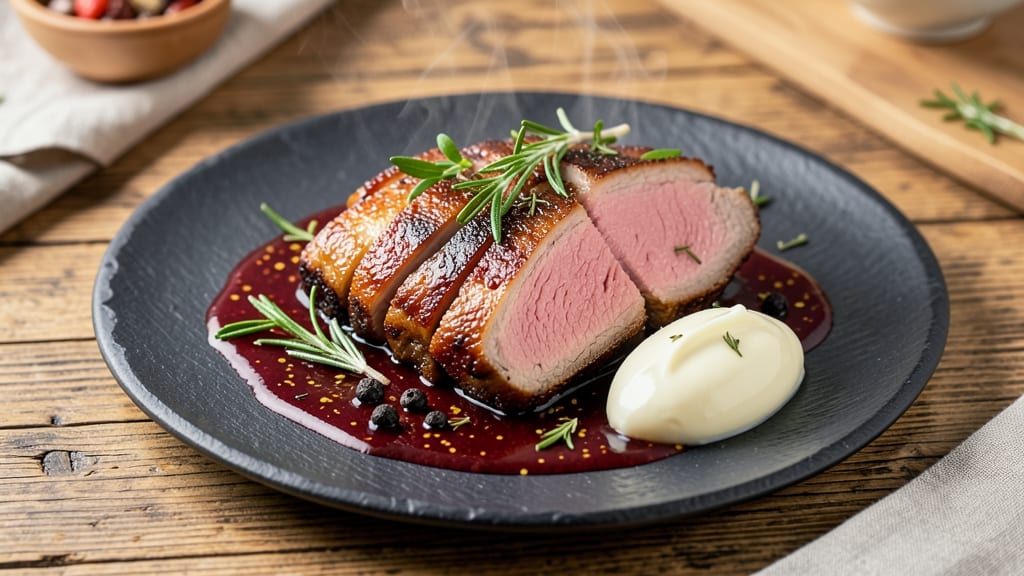
This au jus pork tenderloin recipe transforms simple ingredients into a restaurant-worthy dinner with smoky herb gravy that clings to every bite. 💛 The secret lies in preserving those precious pan juices while building depth through slow reduction—no fancy techniques, just strategic timing and a few key ingredients.
I've perfected this method over countless weeknight dinners, where tender pork meets rich, velvety sauce that elevates even the most basic sides.
The process starts with a quick sear to lock in juices, followed by roasting until the meat reaches perfect tender doneness.
What makes this recipe stand out is the au jus itself—a pan gravy that develops naturally from the pork's rendered fat and aromatics, then gets enriched with a splash of broth and a touch of mustard for complexity. The result?
A sauce that's both elegant and approachable, with just enough acidity to cut through the richness.
By the time you serve this dish, you'll have juicy pork slices resting on a bed of that glossy, herb-infused au jus, ready to be spooned over each bite.
The technique is foolproof, but the flavor is anything but basic—smoky from the sear, herbaceous from the reduction, and perfectly balanced by the tangy finish. This is the kind of weeknight meal that feels special without requiring hours in the kitchen.
Pair it with roasted potatoes or a simple green salad to complete the plate. The au jus makes everything better—even the simplest sides become part of the experience. Let's get cooking with this game-changing technique that turns pork tenderloin into a showstopper.
Ingredients for au jus recipe for pork tenderloin
Twelve simple ingredients deliver restaurant-quality pork tenderloin with velvety smoky herb au jus.
| Ingredient | Amount | Notes |
|---|---|---|
| Pork Tenderloin 🍖 | 1 ½ lb | Center-cut, trimmed of fat and silver skin |
| Kosher Salt 🧂 | 1 ½ tsp | Diamond Crystal preferred for precise measurement |
| Freshly Ground Black Pepper 🌶️ | 1 tsp | Coarsely cracked for texture |
| Unsalted Butter 🧈 | 2 tbsp | European-style preferred for higher smoke point |
| Fresh Thyme Sprigs 🌿 | 4 whole | Stems removed for garnish |
| Fresh Rosemary Sprigs 🌿 | 2 whole | Needle leaves only, finely chopped |
| Garlic Cloves 🧄 | 4 cloves | Smashed but not minced for aroma |
| Dijon Mustard 🍯 | 1 tbsp | High-quality for tangy depth |
| Beef Broth 🍲 | 1 cup | Low-sodium, homemade or high-quality store-bought |
| Red Wine Vinegar 🍷 | 1 tbsp | For acidity balance |
| Olive Oil 🫒 | 1 tbsp | Light variety for high-heat searing |
| Fresh Parsley 🌿 | ¼ cup | Chopped, for finishing |
The pork tenderloin should be center-cut and uniform in size—this ensures even cooking. Whole Foods and Trader Joe's carry excellent pre-trimmed cuts, but if buying from a butcher, ask for the center section. The fat cap can be left on for extra flavor, but trim it down to about 1/8-inch thickness to prevent flare-ups during searing. For herbs, fresh is non-negotiable—dried won't deliver that aromatic punch in the au jus. Look for thyme and rosemary with vibrant green leaves and no brown stems. The Dijon mustard should be 100% mustard seed-based—avoid the sweetened varieties that can overpower the delicate pork flavor.
No beef broth? Vegetable broth with a splash of soy sauce works in a pinch, though the umami depth will differ slightly. Fresh herbs wilt fast—if you're prepping ahead, store them in a sealed container with a damp paper towel for up to 3 days. The pork tenderloin can be prepped a day ahead: season, refrigerate uncovered for 1 hour to let the salt penetrate, then cover and refrigerate overnight. For the au jus, if you don't have red wine vinegar, white wine vinegar or lemon juice will work, though the color will be slightly different. The olive oil should be light or extra-light—avoid the fruity varieties that can impart unwanted flavors during high-heat cooking.
The au jus keeps best when reheated gently—simmer on low heat for 2-3 minutes until warmed through. It reheats beautifully but may thicken slightly; thin with a splash of warm water if needed. Store the pork and au jus separately: pork in an airtight container for 3-4 days, au jus in a sealed jar for 5 days. For longer storage, freeze the au jus in ice cube trays—perfect for quick flavor boosts later. The pork freezes well too, but au jus is best used fresh. When reheating, bring the au jus to a simmer first to dissolve any separated fat before adding to the pork.
Why You'll Love This Recipe
- One-Pan Magic: I swear by this recipe when I’m short on time—just sear the pork, deglaze with a splash of water, and let the butter and thyme work their magic. No chopping, no fuss, and the pan does all the heavy lifting while you sip wine (or coffee, no judgment).
- Rich, Simple Sauce: That au jus isn’t just a side—it’s the star. A few sprigs of thyme and a pat of butter turn the pan drippings into a velvety, herby sauce that clings to every bite. Honestly, I’ve had worse restaurant pork chops with fancier sauces.
- Weeknight or Dinner Party: Between us, this is my go-to for both lazy Tuesdays and hosting friends. For weeknights, I serve it with roasted potatoes. For company, I add a sprinkle of flaky salt and a side of crusty bread—suddenly, it’s fancy without trying.
- Leftover Goldmine: The pork stays juicy for days, and the au jus? Even better reheated. I’ll pack it for lunches or freeze portions for when I’m too tired to cook. (Yes, even on a Tuesday night.) Plus, pork tenderloin is lean and budget-friendly—you’re basically getting two meals for the price of one.
Step-by-step instructions for smoky herb pork tenderloin with au jus
Transform simple ingredients into a restaurant-worthy pork tenderloin with rich, herb-infused gravy.
🔥 Step 1: Sear the Pork Tenderloin for Maximum Flavor
Pat the 1.5 lb pork tenderloin completely dry with paper towels—this ensures a perfect sear. Heat a heavy skillet over medium-high heat and add the 1 tablespoon olive oil. Once shimmering, add the pork and sear for 4-5 minutes per side until developing a deep golden-brown crust. I press down gently during the first minute to prevent curling and ensure even contact with the pan.
The key here is patience—don't rush the searing. You'll know it's ready when the exterior releases easily from the pan and the internal temperature reaches 145°F (use a meat thermometer). Remove the pork and let it rest on a wire rack while you prepare the aromatics.
👨🍳 Step 2: Build the Herb and Mustard Base
In the same skillet (no need to clean it—the browned bits are flavor gold), reduce heat to medium and add the 2 tablespoons unsalted butter. Once melted, add the 4 smashed garlic cloves, needle leaves from 2 rosemary sprigs, and 4 thyme sprigs. Cook for 1-2 minutes until fragrant but not browned—this prevents bitterness.
Stir in the 1 tablespoon Dijon mustard and cook for 30 seconds until it melds with the butter. Here's the thing—this mustard adds depth that balances the richness of the pork. If you skip it, your au jus will taste flat. Pour in the 1 cup beef broth and 1 tablespoon red wine vinegar, scraping up all those delicious browned bits from the bottom of the pan.
🥘 Step 3: Simmer the Au Jus to Perfection
Bring the liquid to a gentle simmer over medium-low heat and let it reduce by half—this should take about 8-10 minutes. The sauce should coat the back of a spoon and have a glossy sheen. Season with the 1.5 teaspoons kosher salt and 1 teaspoon freshly ground black pepper, adjusting to taste.
I like to taste the sauce at this stage—it should be rich but not overpowering, with bright herbal notes from the rosemary and thyme. If it's too acidic, add a pinch more salt. If it's too thin, let it reduce another minute or two. The goal is a velvety sauce that clings beautifully to the pork.
⏰ Step 4: Rest and Serve with Herb-Garnished Gravy
Return the pork to the skillet with the au jus and let it simmer gently for 3-4 minutes to reabsorb some of the sauce. This ensures every bite is moist and flavorful. Transfer the pork to a cutting board, tent loosely with foil, and let it rest for 10 minutes—this crucial step prevents dry meat.
While the pork rests, stir the 0.25 cup chopped fresh parsley into the au jus. Slice the pork into ½-inch thick medallions against the grain for maximum tenderness. Serve immediately with the herb-infused gravy spooned generously over each slice. The contrast of crispy exterior, tender meat, and smoky-sweet sauce makes this dish unforgettable.
Pro Tips For Making Au Jus Recipe For Pork Tenderloin
- Sear the Pork First: Hit the pork tenderloin with a screaming-hot pan—no butter yet—until deep golden brown forms. This builds flavor foundation before you even add liquid, and I learned this the hard way after making au jus that tasted like butter soup.
- Deglaze Aggressively: After searing, immediately pour in that splash of liquid (broth, wine, whatever) and let it bubble hard for 30 seconds. Scrape every last bit of browned bits from the pan—those are pure flavor, and lazy scraping means flavor left behind.
- Salt the Thyme: Lightly crush the thyme sprigs with the flat of your knife before adding them to the pan. A pinch of kosher salt on them too—this releases their oils and aroma faster, making the au jus smell like a French bistro from the first sniff.
- Reduce the Jus Fast: Once the pork is resting, strain the au jus and reduce it over high heat until it coats the back of a spoon. I used to simmer it gently, but high heat cuts the cooking time in half and intensifies the flavor—just watch it like a hawk to avoid burning.
Wine and beer pairings for this au jus recipe for pork tenderloin
Red Wine Pairings
This dish practically begs for a Pinot Noir from Oregon or Burgundy—its bright acidity and red fruit notes mirror the herbaceous au jus while complementing the pork's richness.
I reach for Domaine Drouhin Oregon when I want to treat myself, but La Crema Sonoma Coast delivers the same elegance at half the price. The wine's earthy undertones enhance the rosemary and thyme in the sauce, creating a harmonious balance that elevates every bite. 🍷
Light Beer Options
For beer lovers, a crisp Belgian witbier like Hoegaarden or Stella Artois offers a refreshing contrast to the rich pork. The citrusy coriander notes in these beers cut through the sauce's richness while adding a bright, almost effervescent quality.
If you prefer something darker, a German Helles like Weihenstephaner Original provides malty depth without overpowering the dish.
White Wine Alternatives
When red wine isn't available, a dry Chardonnay with minimal oak—like Kendall-Jackson Vintner's Reserve—works surprisingly well. The apple and pear notes in the wine pair beautifully with the pork's natural sweetness, while the acidity keeps the au jus from feeling too heavy.
For something lighter, a Sauvignon Blanc from New Zealand adds zesty citrus that brightens the herbaceous flavors in the sauce.
Budget-Friendly Choices
Don't let cost stop you from pairing this dish with something special. A $10 bottle of Cabernet Sauvignon from California, like Bogle Vineyards, offers solid structure and dark fruit flavors that stand up to the pork.
For beer, Peroni or Heineken provide that crisp, clean finish that cleanses your palate between bites. Even a well-chilled Sauvignon Blanc from Trader Joe's can make this meal feel like a restaurant experience without breaking the bank.
Non-Alcoholic Pairings
If you're skipping alcohol, a sparkling ginger beer like Feather Ginger Beer adds a refreshing kick that complements the smoky au jus. For something more traditional, a sparkling apple cider from Martinelli's provides crisp acidity and subtle sweetness that balances the dish's savory notes.
Even a well-made iced tea with lemon—like Harney & Sons—can enhance the herbaceous flavors when served chilled. 💛
Nutrition facts
Frequently asked questions
Can I use chicken or beef broth instead of beef broth for the au jus?
Yes, but the flavor will differ slightly. Chicken broth works well and keeps the dish lighter, while beef broth adds deeper umami that complements pork perfectly. For a hybrid option, mix ½ cup beef broth with ½ cup chicken broth—this balances richness while keeping the herbaceous notes bright. The key is to adjust seasoning afterward since chicken broth is often milder.
How do I fix au jus that's too thin or too thick?
For thin au jus, simmer uncovered for 2-3 more minutes to reduce further. If it's too thick, whisk in 1-2 tablespoons warm water or broth until it reaches a velvety consistency. The sauce should coat the back of a spoon but still pour easily. Pro tip: Thin with a splash of the pork's cooking juices for extra flavor!
Can I make this recipe in a slow cooker?
Sear the pork first, then transfer it to a slow cooker with all aromatics and broth. Cook on low for 3-4 hours until tender. For au jus, remove the pork, strain the cooking liquid, and reduce it on the stove as directed. The slow cooker method is perfect for hands-off prep, but you'll lose some of the pan's natural caramelization.
What's the best way to store leftovers?
Store pork and au jus separately: pork in an airtight container for 3-4 days or freeze for up to 3 months. Reheat au jus gently on the stove—never microwave it directly. For reheating, simmer the pork in a splash of fresh au jus or broth to revive its moisture. The au jus reheats beautifully but may thicken slightly; thin with warm water if needed.
Why does my pork turn out dry?
Overcooking is the most common cause. Use a meat thermometer and remove pork at 145°F—it'll rise to 150°F while resting. Always let it rest 10 minutes before slicing. For extra insurance, slice against the grain and serve with extra au jus spooned over each portion to keep it moist. The au jus isn't just sauce—it's your pork's moisture insurance!