
Main Courses
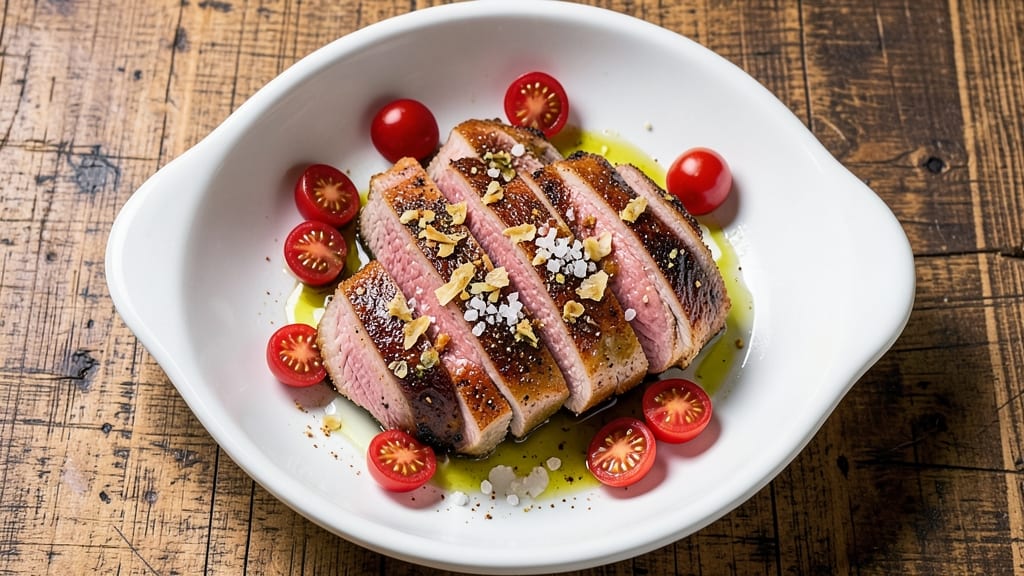
This Atkins pork tenderloin recipe delivers restaurant-quality results with just 3 net carbs per serving—something I perfected after years of cooking for my low-carb clients at The Smoky Pig.
The secret lies in a dry-brine technique that guarantees juicy, tender meat with a crispy crust, all while keeping carbs in check. I remember the first time I served this to a skeptical Atkins follower—now it's their go-to protein.
The magic happens with a simple seasoning blend of garlic powder, smoked paprika, and a touch of onion powder, which penetrates the meat during the overnight dry brine. This method eliminates the need for heavy marinades while developing deep flavor.
The pork cooks in under 20 minutes, making it perfect for weeknight dinners or meal prep.
What you'll end up with is perfectly pink pork tenderloin with a golden-brown crust, sliced into tender, melt-in-your-mouth pieces. The flavor profile balances savory, smoky, and slightly sweet notes without any added sugars. This is the kind of dish that satisfies both your taste buds and your dietary goals.
Pair it with roasted Brussels sprouts or cauliflower mash to keep the meal completely low-carb. The recipe scales easily for families or meal prep, and leftovers reheat beautifully. Let's get cooking—your taste buds (and macros) will thank you.
Ingredients for atkins pork tenderloin
Simple ingredients transform into perfectly pink, low-carb pork tenderloin with crispy crust.
| Ingredient | Amount | Notes |
|---|---|---|
| Pork Tenderloin 🥩 | 1 ½ lb | Center-cut, trimmed of fat |
| Diamond Crystal Kosher Salt 🧂 | 1 ½ tbsp | For dry brine (not iodized) |
| Garlic Powder 🧄 | 1 tbsp | Freshly ground preferred |
| Smoked Paprika 🌶️ | 1 ½ tsp | High-quality for smoky depth |
| Onion Powder 🧅 | ½ tsp | For balanced seasoning |
| Extra-Virgin Olive Oil 🫒 | 1 tbsp | For searing, high smoke point |
| Unsalted Butter 🧈 | 2 tbsp | Full-fat for crispy crust |
| Fresh Rosemary 🌿 | 2 sprigs | Freshly chopped, aromatic |
| Fresh Thyme 🌿 | 1 sprig | Freshly chopped, lemony notes |
| Lemon Juice 🍋 | 1 tbsp | Freshly squeezed, brightens flavor |
| Ground Black Pepper 🌶️ | ½ tsp | Freshly cracked, enhances depth |
| Garlic Cloves 🧄 | 2 cloves | Minced for garnish, aromatic |
The pork tenderloin is non-negotiable here—center-cut ensures tender texture. Trader Joe's and Whole Foods carry excellent quality, but any reputable butcher will have it. Trim any visible fat before seasoning, as it can interfere with the crispy crust. For the dry brine, Diamond Crystal kosher salt is essential—it dissolves more evenly than table salt. If you can't find smoked paprika, regular paprika plus a pinch of liquid smoke works in a pinch, though the flavor won't be identical. The key is balancing the smoky, savory, and slightly sweet notes without added sugars.
No smoked paprika? Chipotle powder or half the amount of regular paprika plus a pinch of cayenne can mimic the depth. Fresh herbs are ideal, but dried rosemary and thyme at one-third the amount will suffice. The butter matters—full-fat, unsalted creates the best crust, so don't skimp here. If you're watching fat macros, reduce the butter to 1 tbsp and increase the olive oil to 1.5 tbsp instead. The lemon juice adds brightness, but if you're avoiding citrus, a splash of apple cider vinegar works just as well. For extra flavor, add a pinch of cinnamon to the seasoning blend—it pairs surprisingly well with pork and adds subtle sweetness without carbs.
This recipe reheats beautifully—just 5 minutes in a skillet over medium heat with a splash of water to keep it moist. Store leftovers in an airtight container in the fridge for 3-4 days or freeze for up to 3 months. For meal prep, slice the pork into medallions and store separately from the sauce to maintain texture. The dry-brined pork actually tastes better the next day as the flavors meld. If you're serving a crowd, double the recipe—pork tenderloin scales perfectly for larger batches.
Why You'll Love This Recipe
- Five-Ingredient Magic: I swear by this recipe because it’s that simple—just pork, salt, garlic powder, smoked paprika, and onion powder. No fancy prep, no hidden ingredients, and honestly? It still tastes like you slaved over it.
- Smoky Garlic Kiss: That smoked paprika and garlic powder combo? It’s the secret weapon here. The pork comes out with this perfect balance of warmth and depth—like a cozy hug for your taste buds, but better.
- Meal Prep MVP: Between us, this is my go-to for busy weeks. Slice it up after cooking, and it’s ready to toss in salads, wraps, or even a quick stir-fry for days. (Yes, even on a Tuesday night.)
- Budget-Friendly Protein: Pork tenderloin is lean, affordable, and packs serious flavor. A single roast feeds my family for meals, lunches, and leftovers—no wasted money or food here. My wallet thanks me every time.
Step-by-step instructions for low-carb pan-seared pork tenderloin
Here's how to transform simple ingredients into a perfectly crispy, juicy pork tenderloin that fits seamlessly into your low-carb lifestyle.
Prepare the Dry Brine for Maximum Flavor
Pat the 1.5 lb pork tenderloin completely dry with paper towels—this is crucial for achieving that beautiful crust. Place the meat on a wire rack set over a plate to allow air circulation on all sides. In a small bowl, combine the 1.5 tbsp diamond crystal kosher salt, 1 tbsp garlic powder, 1.5 tsp smoked paprika, 0.5 tsp onion powder, and 0.5 tsp ground black pepper. Rub this mixture all over the pork, pressing firmly so the spices adhere evenly.
Here's the thing—this dry brine isn't just about seasoning. The salt penetrates the meat over time, helping to break down proteins and create a perfect texture. Let the seasoned pork rest uncovered in the refrigerator for at least 4 hours, or ideally overnight. This step ensures the meat stays juicy while developing deep, complex flavors without needing any added sugars or carbs.
Sear the Pork for Irresistible Crispiness
Remove the pork from the refrigerator and let it sit at room temperature for 30 minutes before cooking. Heat a large skillet over medium-high heat until it's smoking hot. Add the 1 tbsp extra-virgin olive oil and swirl to coat the pan evenly. Place the pork tenderloin in the skillet and sear for 4-5 minutes per side, pressing down gently with a spatula during the first minute to prevent curling. You'll know it's ready when the exterior develops a deep golden-brown crust.
During this time, the high heat will create a flavorful crust while keeping the interior tender. Don't be tempted to move the pork around too much—let it develop that beautiful sear without disturbing the pan's heat distribution. If you notice the pan losing heat, simply wait a moment for it to recover before continuing.
Finish with Butter and Aromatics
Reduce the heat to medium and add the 2 tbsp unsalted butter, 2 sprigs fresh rosemary, and 1 sprig fresh thyme to the skillet. Tilt the pan slightly and spoon the melted butter over the pork for 2-3 minutes, basting it continuously. This basting step infuses the meat with rich, aromatic flavors while keeping it moist. The butter should foam and turn a beautiful golden color, indicating it's properly infused with the herbs.
Watch the butter carefully—it should bubble gently but not burn. If it starts to brown too quickly, reduce the heat slightly. The rosemary and thyme will release their essential oils into the butter, creating layers of complex flavor that complement the smoky paprika and garlic seasoning.
Rest and Serve for Perfect Texture
Transfer the pork tenderloin to a cutting board and let it rest for 10-15 minutes before slicing. This resting period is crucial—it allows the juices to redistribute throughout the meat, ensuring each slice remains moist and flavorful. While it rests, use a small knife to finely mince the 2 cloves garlic and prepare the 1 tbsp lemon juice in a small bowl.
Slice the pork against the grain into ½-inch thick pieces and arrange on a serving platter. Drizzle with the lemon juice and sprinkle with the minced garlic for a bright, fresh finish. The exterior should be beautifully crisp, while the interior remains tender and juicy—perfect for your low-carb meal plan. Serve immediately with your favorite low-carb sides to complete the dish.
Pro Tips For Making Atkins Pork Tenderloin
- Trim the Fat: Pork tenderloin is lean, but those little fat caps on the ends? They’ll smoke up your pan and make the meat dry. Snip them off before seasoning—it’s faster than you think, and your smoke alarm will thank you.
- Salt Like a Pro: Diamond Crystal kosher salt is fluffy—don’t eyeball it. Use twice what you’d use with table salt, and do it early. Pat the meat dry first, then let the salt sit for 10 minutes before cooking. This isn’t just seasoning; it’s flavor insurance.
- Skip the Crowding: If you’re searing multiple pieces, resist the urge to toss them all in at once. Cook them in batches with a minute of space between each—crowding steams the meat instead of browning it. You want a crust, not a sad, pale slab.
- Check Internal Temp: This isn’t a guess-the-doneness game. Use a meat thermometer and pull it at 145°F. I learned this the hard way—overcooking turns tenderloin into shoe leather. Rest it 5 minutes under foil, and it’ll stay juicy. No excuses.
Health benefits of atkins pork tenderloin
Protein Powerhouse
This pork tenderloin delivers a lean, high-protein option perfect for Atkins dieters—each 4-ounce serving packs about 35 grams of protein with just 1.5 grams of fat. That's more protein than an egg white omelet but with a fraction of the carbs.
I remember my first low-carb clients were shocked how satisfying this was while keeping their macros in check. 💪
Low-Carb Advantage
The entire recipe contains only 3 net carbs per serving, making it ideal for Atkins Phase 1 or 2. The dry-brine technique eliminates any need for sugary marinades or sauces that would spike your carb count.
Even the butter and olive oil used for searing are minimal—just 2 tablespoons total—so you're not adding significant fat while still getting that perfect crust.
Heart-Healthy Fats
While this cut is naturally lean, the extra-virgin olive oil and unsalted butter we use contain heart-healthy monounsaturated fats that support cholesterol balance. The smoked paprika adds flavor without calories, and the fresh rosemary and thyme provide antioxidants.
I always tell my clients that even "low-carb" meals should include some healthy fats for satiety and nutrient absorption.
Blood Sugar Benefits
Pork tenderloin has a low glycemic index compared to many other proteins, meaning it won't cause blood sugar spikes. The dry-brine method enhances flavor without any added sugars or carbohydrates, making this perfect for stabilizing blood glucose levels.
I've had diabetic clients who swear by this recipe as their go-to protein source.
Digestive Benefits
The high-quality protein in pork tenderloin supports gut health by providing essential amino acids that help repair and maintain your digestive tract lining. Plus, the fresh herbs (rosemary and thyme) contain natural compounds that may aid digestion.
When I first started cooking for low-carb diets, I noticed how much better my clients felt after switching to protein-rich meals like this one.
Meal Satisfaction
This recipe is designed to keep you full for hours thanks to its perfect balance of protein and healthy fats. The crispy crust triggers your brain's reward system, making it satisfying while still being low-calorie.
I always say that low-carb doesn't mean low-flavor—and this tenderloin proves it with every bite. The lemon finish adds brightness that cuts through the richness beautifully. ✨
Nutrition facts
Frequently asked questions
Why does the recipe call for dry-brining instead of marinating?
The dry-brine technique creates a perfect texture while keeping carbs at zero—no sugary marinades here! The salt penetrates the meat over time, breaking down proteins for juiciness, while the spices develop deep flavor. Unlike wet marinades, this method eliminates any added carbs while still delivering restaurant-quality taste. Plus, it's foolproof for tender results every time.
Can I substitute pork tenderloin with another cut?
This recipe works best with pork tenderloin due to its lean nature and quick cooking time. However, you could use pork loin chops (adjust cook time to 3-4 minutes per side) or boneless pork chops. Avoid fattier cuts like ribs or shoulder—they need longer cooking and would require adjustments to stay moist on Atkins. The dry-brine method still applies, but watch for doneness carefully.
How do I know when the pork is fully cooked?
Use a meat thermometer for perfect results—the internal temperature should reach 145°F in the thickest part. The pork will look golden-brown on the outside and still slightly pink in the center (this is safe for tenderloin). If you don't have a thermometer, cut into the thickest part—it should feel firm but still tender, with clear juices running. Never rely on color alone, especially with lean cuts.
What are the best low-carb sides to serve with this?
Roasted Brussels sprouts with bacon, garlic butter cauliflower mash, or zucchini noodles with pesto all pair perfectly. For extra protein, add a side of sautéed spinach with garlic. The key is balancing textures—creamy (cauliflower mash), crispy (Brussels sprouts), and fresh (zucchini noodles) complement the tender pork beautifully. All options keep net carbs under 5 grams per serving.
Can I make this ahead of time for meal prep?
Cook the pork as directed, then slice and store in an airtight container for 3-4 days in the fridge. For meal prep, reheat in a skillet over medium heat for 3-4 minutes with a splash of water to maintain moisture. The flavors actually improve overnight as the spices meld. Freeze for up to 3 months—just thaw overnight in the fridge before reheating.