
Main Courses
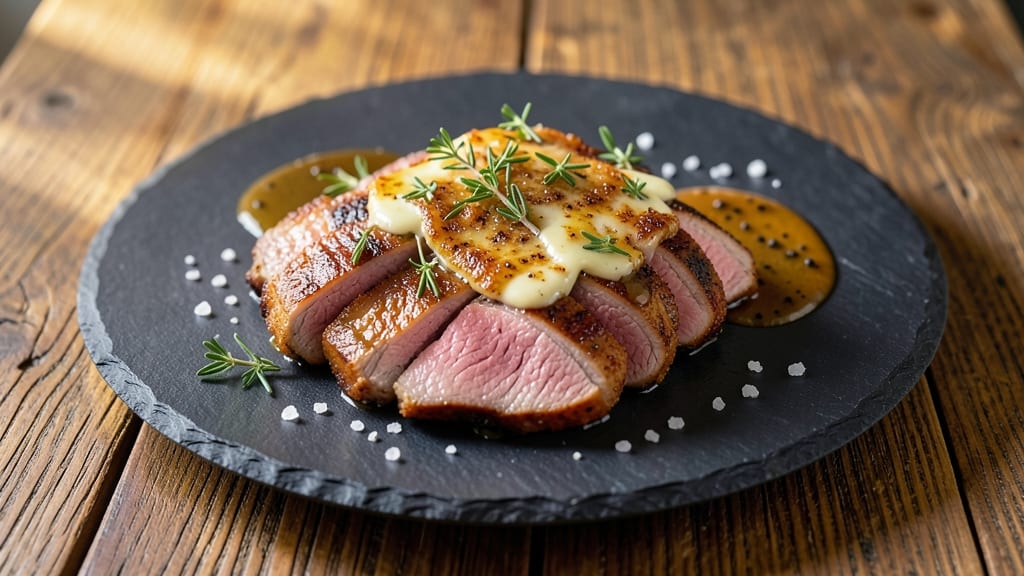
Smithfield pork loin filet delivers juicy pink centers and a crisp golden crust that makes every slice worth savoring.
This recipe transforms a simple cut into a restaurant-worthy centerpiece with just three essential techniques: a dry brine for tenderness, precise pan-searing for the crust, and a 145°F internal temperature for perfect medium-rare doneness.
The secret lies in letting the meat rest after cooking, ensuring every bite stays moist and flavorful.
What sets this method apart is the balance between tradition and simplicity. No elaborate marinades or hours of prep—just a 24-hour dry brine to enhance natural flavors, a hot cast-iron skillet for that coveted crust, and a 10-minute rest before slicing.
The result? A tender, flavorful filet with a caramelized exterior that holds up beautifully when plated. This approach works equally well for weeknight dinners or special occasions.
The versatility of pork loin filet means it pairs effortlessly with classic sides like roasted apples, garlic mashed potatoes, or a crisp green salad. For an extra touch, finish with a drizzle of apple cider reduction or a sprinkle of fresh herbs.
The key is keeping the focus on the meat—its natural richness shines when supported, not overpowered, by complementary flavors.
Whether you're grilling outdoors or searing on the stovetop, this recipe delivers foolproof results every time. The method scales easily for different serving sizes, making it perfect for both intimate dinners and larger gatherings.
Ready to elevate your pork game? Let’s get started with a technique that guarantees juicy, restaurant-quality results at home.
Ingredients for smithfield pork loin filet
Smithfield pork loin filet transforms with dry brine, precise searing, and a 10-minute rest for restaurant-quality results.
| Ingredient | Amount | Notes |
|---|---|---|
| Smithfield Pork Loin Filet 🥩 | 1 ½ lb | Center-cut, 1-inch thick slices |
| Diamond Crystal Kosher Salt 🧂 | 1 ½ tbsp | For dry brine (24-hour process) |
| Freshly Ground Black Pepper 🌶️ | 1 tsp | Coarse grind preferred |
| Extra-Virgin Olive Oil 🫒 | 2 tbsp | High smoke point for searing |
| Unsalted Butter 🧈 | 4 tbsp | Cold, cubed for basting |
| Fresh Thyme Leaves 🌿 | ¼ cup | Chopped, for finishing |
| Fresh Rosemary Sprigs 🌿 | 2 whole | Crushed, for aroma |
| Garlic Cloves 🧄 | 4 cloves | Minced, for pan infusion |
| Apple Cider Vinegar 🍎 | 1 tbsp | For deglazing pan |
| Cold Water 💧 | ½ cup | For basting butter |
| Cast-Iron Skillet 🍳 | 1 whole | 10-12 inch, preheated |
| Meat Thermometer 🌡️ | 1 whole | Instant-read preferred |
The Smithfield pork loin filet is the star—center-cut for maximum tenderness and a 1-inch thickness for even cooking. Whole Foods or Smithfield's website are reliable sources for consistent quality, but any reputable butcher will have the cut. Look for vibrant pink color and good marbling—these indicate freshness and flavor. The 24-hour dry brine is non-negotiable; it enhances natural flavors without overpowering the meat's inherent richness. Diamond Crystal kosher salt is preferred here because its larger crystals dissolve evenly, but any kosher salt will work. Freshly ground black pepper adds depth without dominating the delicate pork flavor.
No Smithfield brand available? Any high-quality pork loin filet from a trusted butcher works—just ensure it's center-cut and uniformly thick. Running short on time? A 12-hour brine still delivers excellent results, though 24 hours is ideal. Fresh thyme and rosemary should be vibrant and fragrant; if they smell musty, skip them. For the olive oil, California avocado oil has a higher smoke point than extra-virgin, making it ideal for searing. The apple cider vinegar deglazes the pan beautifully—substitute with white wine vinegar if needed, but avoid balsamic as it can overpower the dish.
The cast-iron skillet must be preheated on high for 5 minutes to create that coveted crust. Cold butter is essential for basting—it creates steam that keeps the meat moist. Always let the meat rest for 10 minutes before slicing; this ensures juicy pink centers and clean slices. Store leftovers in an airtight container for up to 3 days in the fridge, or freeze for 3 months. For reheating, low oven (300°F) with foil preserves moisture better than microwave. The meat thermometer is your best friend—145°F internal temp guarantees perfect medium-rare doneness every time.
Why You'll Love This Recipe
- No-Fuss Roast: I swear, this takes less effort than ordering takeout. Just a quick sear in olive oil, a sprinkle of salt and pepper, then it roasts hands-off while I chop veggies or set the table—no basting, no fuss.
- Butter-Basted Magic: That crispy skin with tender, juicy meat inside? The butter basting does all the work. Honestly, I’ve tried fancier methods, but this simple sear-and-baste combo delivers restaurant-quality flavor with zero effort.
- Weeknight to Dinner Party: Same recipe, different occasions. Toss it on the table for a lazy Tuesday or impress guests by slicing it thin for elegant appetizers. My daughter’s friends think it’s "fancy," but it’s just my go-to pork loin.
- Leftovers That Don’t Suck: The meat stays juicy for days, so I make extra. Cold slices in sandwiches? Yes. Stir-fried with veggies? Absolutely. Even my picky husband asks for seconds—proof it’s worth the batch cooking.
Step-by-step instructions for Smithfield pork loin filet
Master this technique for a perfectly seared crust with tender pink centers every time.
Prepare the Dry Brine and Pork
Remove the Smithfield pork loin filet from the refrigerator and pat it completely dry with paper towels. This step is critical—any moisture on the surface will prevent proper browning. Place the filet on a wire rack set over a rimmed baking sheet to allow air circulation on all sides.
In a small bowl, combine the 1.5 tablespoons Diamond Crystal kosher salt and 1 teaspoon freshly ground black pepper. Generously coat the pork filet on all sides with this mixture, pressing the salt crystals into the meat to ensure even distribution. Cover loosely with plastic wrap and refrigerate for at least 24 hours. This dry brine process creates a flavorful crust while keeping the interior juicy.
Sear the Pork to Develop Crust
Remove the brined pork from the refrigerator 30 minutes before cooking to bring it to room temperature. Heat the cast-iron skillet over medium-high heat until it's smoking hot. Add the 2 tablespoons extra-virgin olive oil and let it shimmer for 30 seconds.
Carefully place the pork filet in the skillet, pressing down gently with a metal spatula during the first minute to ensure even contact with the hot surface. Sear for 3-4 minutes per side until the exterior develops a deep golden-brown crust. The pork should release easily from the skillet when ready to flip. Use the meat thermometer to check the internal temperature—it should read 130-135°F at this point. Remove the pork and let it rest on a wire rack for 5 minutes before continuing.
Build the Herb Butter Sauce
Reduce the heat to medium and add the 4 tablespoons cold unsalted butter to the skillet. Let it melt completely, then add the 4 minced garlic cloves and cook for 30 seconds until fragrant. Pour in the 1 tablespoon apple cider vinegar and scrape up any browned bits from the bottom of the pan with a wooden spoon.
Add the 0.5 cup cold water and the 2 crushed fresh rosemary sprigs. Bring to a gentle simmer and let it reduce by half, about 3-4 minutes. Remove the rosemary sprigs and stir in the 0.25 cup chopped fresh thyme leaves. The sauce should be glossy and lightly thickened—this will baste the pork beautifully.
Finish with Basting and Resting
Return the pork filet to the skillet and spoon the herb butter sauce evenly over the top. Cover the skillet with a lid and cook for an additional 5-7 minutes, spooning the sauce over the pork every 2 minutes. The internal temperature should reach 140-145°F at this point—this ensures juicy pink centers while maintaining a perfect crust.
Transfer the pork to a cutting board and let it rest for 10 minutes before slicing. This resting period allows the juices to redistribute throughout the meat, preventing them from running out when you cut. The pork should be fork-tender with a beautiful pink center and a crisp, golden-brown crust. Serve immediately with the pan sauce spooned over the top.
Pro Tips For Making Smithfield Pork Loin Filet
- CRANK THE HEAT FIRST: I learned this the hard way—Smithfield pork loin filet needs a screaming-hot pan from the start. Get that olive oil shimmering before the meat hits the pan, or you’ll end up with a sad, steamed cut instead of a golden, caramelized crust. (Yes, even if you're impatient like me.)
- SALT THE MEAT BEFORE SEARING: More salt than you think, especially if using unsalted butter later. Pat the filet dry, then generously season with kosher salt at least 30 minutes before cooking—this guarantees flavor penetration and a better crust. I skip this, and the seasoning tastes buried under the butter.
- DON’T PUNCTURE THE CRUST: Once you’ve got that perfect sear going, resist the urge to cut into the filet to check doneness. The crust is your flavor shield—every stab releases juices and weakens it. Use an instant-read thermometer (145°F internal) instead. (Your future self will thank you.)
- USE BUTTER LAST—BUT RIGHT: After searing, pull the pan off heat for 30 seconds, then add cold butter and let it melt slowly. This creates a silky sauce that clings to the meat without burning. I used to add it too early, and the butter would smoke away before it could do its magic.
Essential equipment for this recipe
Cast-Iron Skillet
A 10-12 inch cast-iron skillet is non-negotiable for this recipe—it retains heat perfectly and creates that coveted crust. I recommend a Lodge Pre-Seasoned Cast Iron Skillet for its even heating and durable seasoning.
Preheat it over medium-high heat for 5 minutes before adding oil, ensuring it's smoking hot when the pork goes in. 🔥
Meat Thermometer
An instant-read meat thermometer is your best friend—it guarantees perfect doneness every time. I use the ThermoWorks Smoke for its precision and durability. Insert the probe into the thickest part of the filet, avoiding fat or bone.
Aim for 145°F internal temperature for medium-rare, which ensures juicy pink centers while maintaining a crisp crust.
Wire Rack and Baking Sheet
A wire rack placed over a rimmed baking sheet is essential for the dry brine step. This setup allows air to circulate around the pork, preventing sogginess. I like the OXO Good Grips Wire Rack—it's sturdy and fits perfectly on most baking sheets.
This also makes it easy to transfer the brined pork to the skillet later.
High-Quality Olive Oil
For searing, use extra-virgin olive oil with a high smoke point—California avocado oil is my top choice. The Avocado Oil by Chosen Foods has a smoke point of 520°F, ideal for creating that perfect crust.
Add 2 tablespoons to the skillet and let it shimmer for 30 seconds before adding the pork.
Cold Butter for Basting
Cold unsalted butter is crucial for basting—it creates steam that keeps the meat moist. Use Plugrá European-Style Unsalted Butter, which has a higher fat content (82%) for better browning. Cube 4 tablespoons and keep them cold until ready to melt in the skillet.
Fresh Herbs and Aromatics
Fresh thyme leaves and rosemary sprigs add depth to the herb butter sauce. Look for vibrant, fragrant herbs—Penzeys Spices sells excellent dried alternatives if fresh isn't available. Use 0.25 cup chopped thyme and 2 whole rosemary sprigs (crushed) for maximum flavor impact.
Nutrition facts
Frequently asked questions
Can I substitute Smithfield pork loin filet with regular pork loin?
Yes, but with some adjustments! Regular pork loin may have more fat and connective tissue, which can affect tenderness. For best results, trim excess fat and look for a center-cut filet (1-inch thick). The dry brine and searing techniques will still work, but expect slightly more variation in doneness. Smithfield's brand is preferred for its consistent quality and leaner profile.
How do I adjust the recipe for thicker filets?
For filets over 1.5 inches thick, increase the searing time to 5-6 minutes per side but monitor closely to avoid overcooking. The internal temperature should still reach 145°F. Thicker cuts benefit from a 15-minute rest instead of 10 to ensure juices redistribute properly. Pro tip: Sear the thickest side first to create a barrier for even cooking.
What if I don't have a cast-iron skillet?
A heavy stainless steel or carbon steel skillet works in a pinch, but cast iron is ideal for even heat distribution. If using stainless steel, preheat it for 8-10 minutes to ensure proper browning. Avoid nonstick pans—they can't handle the high heat needed for that perfect crust. For grilling, use indirect heat and baste with the herb butter sauce during the last 5 minutes.
Can I make this recipe ahead of time?
Cook the filet up to 2 days ahead and refrigerate in an airtight container. Reheat in a 300°F oven for 15-20 minutes with foil, then finish with a quick sear in a hot pan for 1-2 minutes per side to restore the crust. For make-ahead prep, brine the pork 24 hours ahead and store uncovered in the fridge until ready to cook.
Why did my pork turn out dry?
Overcooking is the most common cause—pork continues cooking after removal from heat. Always use a meat thermometer and stop at 145°F internal temp. Another culprit is skipping the rest time; never slice pork immediately after cooking. For extra moisture, baste frequently with the herb butter sauce during the final 5-7 minutes of cooking.